




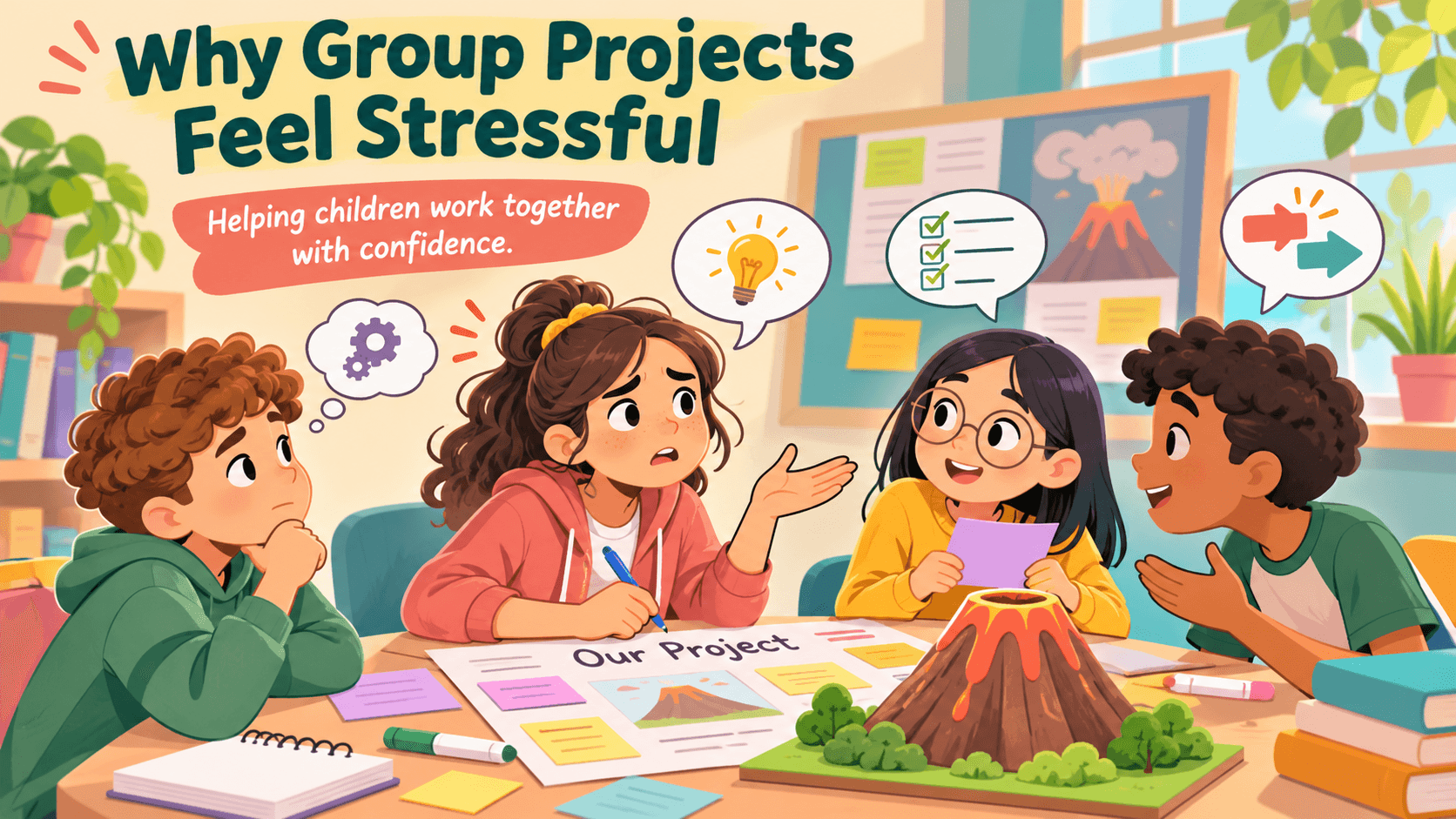

Your child loves making science models at home. They carefully plan everything, enjoy experimenting, and proudly show you the finished result. But when their teacher assigns a group project, their excitement disappears.
"They don't listen to my ideas," your child complains. "I would rather do it alone."
For parents exploring Top schools in Bangalore, including Naavu school, Whitefield, Bangalore, understanding how children manage collaborative activities can be an important part of evaluating their learning needs.
Group projects require more than academic knowledge. Children must share responsibilities, consider different opinions, and handle disagreements. These skills take practice, even for children who perform well independently.
Why Can Group Projects Feel More Difficult Than Individual Work?
Working alone allows children to follow their own plans and complete tasks at their preferred pace. Group projects introduce challenges they cannot always control.
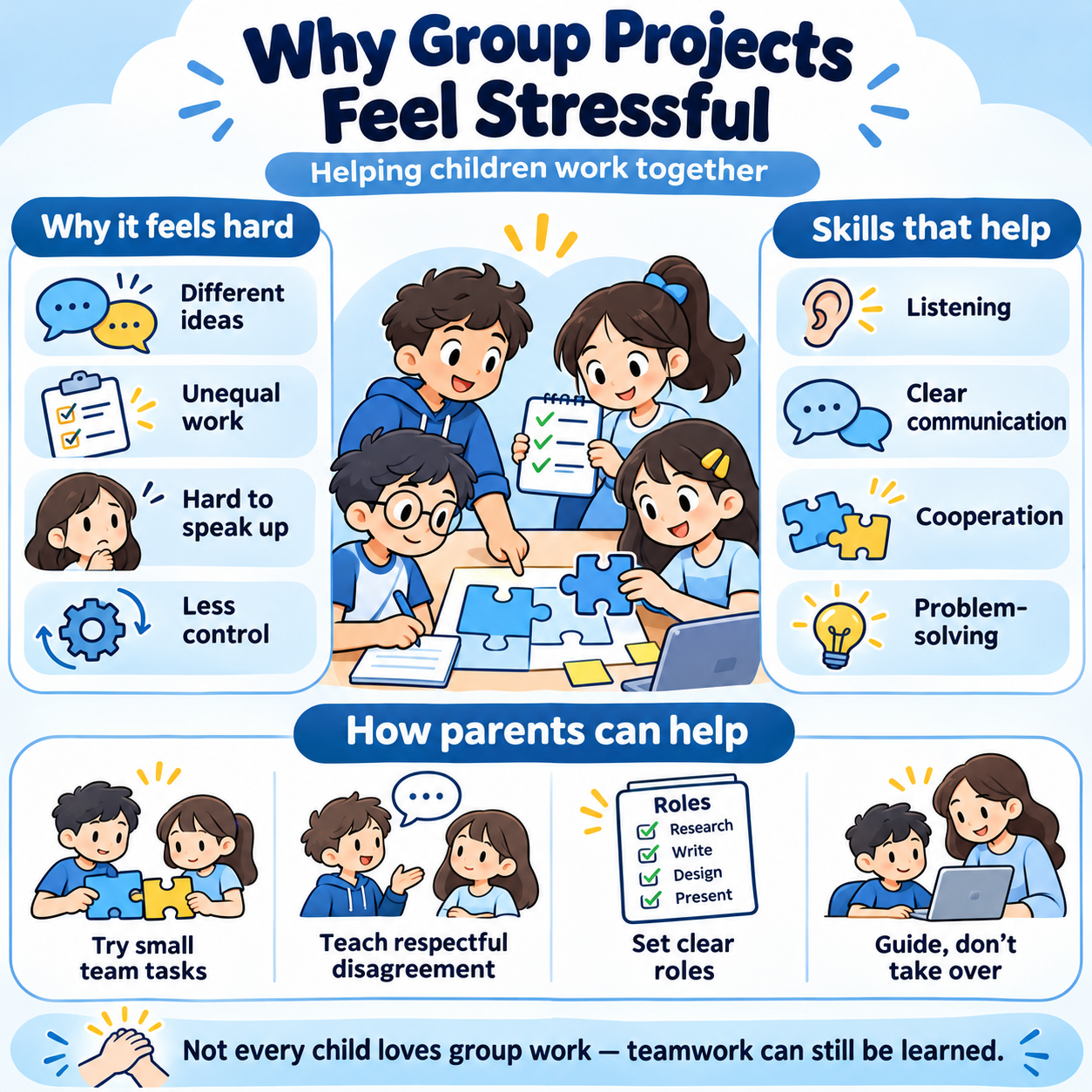
1. Different opinions can create frustration.
Imagine three children preparing a presentation about wildlife. One wants to make a poster, another prefers slides, and the third suggests a model.
A child who already has a clear plan may find it difficult to consider alternatives.
2. Unequal participation feels unfair.
Sometimes, one child completes most of the assignment while others contribute very little. This can make responsible students feel overwhelmed or resentful.
3. Speaking up may feel uncomfortable.
Some children hesitate to share ideas because they fear being interrupted, criticised, or ignored.
Others may struggle to explain why they disagree without sounding argumentative.
4. Losing control can increase stress.
A child who enjoys organising every detail may become frustrated when classmates work differently or change agreed plans.
The Education Endowment Foundation explains that effective collaborative learning requires careful planning and support. Simply placing children together does not guarantee productive teamwork.
Importantly, preferring individual assignments does not automatically indicate poor social skills.
What Skills Do Children Need to Work Comfortably in Groups?
Children need several skills to manage shared assignments successfully.
Listening: Paying attention to classmates' suggestions before responding.
Communication: Explaining ideas clearly without interrupting or dismissing others.
Cooperation: Dividing tasks fairly and completing agreed responsibilities.
Problem-solving: Finding workable solutions when disagreements arise.
For example, two students preparing an environmental project might disagree about whether to create a recycling model or an illustrated chart.
Instead of arguing, they could compare which option better explains their topic and fits the available time.
OECD research on classroom interaction highlights the importance of meaningful discussion, listening, explanation, and considering different perspectives.
These abilities develop through guidance and repeated practice. Children do not need to agree with every suggestion to become good collaborators.
How Can Parents Help Children Become More Comfortable With Teamwork?
Parents can help children practise teamwork through familiar situations rather than waiting for school assignments.
1. Introduce small cooperative activities at home.
Ask siblings to plan a family game, prepare a simple meal, or organise a bookshelf together.
Give each child a responsibility while encouraging them to discuss how their tasks fit together.
The aim is not perfect cooperation but learning to work towards a shared result.
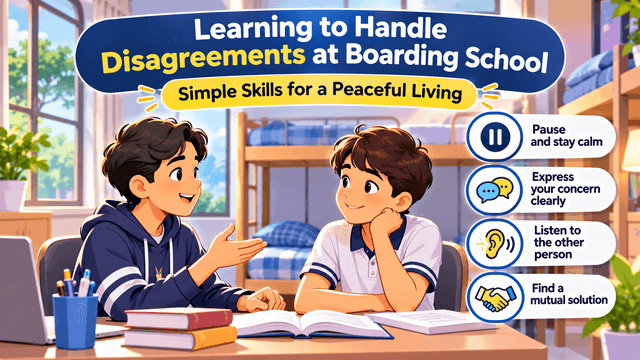
2. Teach respectful ways to disagree.
Children sometimes know what they want to say but struggle with how to say it.
Practise sentences such as:
- "I understand your idea, but could we try another option?"
- "Can we compare both ideas before deciding?"
- "I feel we should divide the work differently."
These phrases help children express opinions without dismissing classmates.
3. Encourage clear responsibilities from the beginning.
Suppose four students are preparing a history presentation. One can research, another can organise information, and others can prepare visuals and practise presenting.
However, every student should understand the overall project and have an opportunity to contribute ideas.
The Education Endowment Foundation identifies clear goals, appropriate group sizes, and active participation as important features of effective collaborative learning.
4. Discuss problems without immediately taking over.
If your child says, "Nobody in my group helps," avoid immediately contacting every parent or completing the assignment yourself.
Instead, ask what responsibilities were agreed upon, what happened, and whether your child has discussed the problem with the group.
Help them decide whether to suggest a fairer division of tasks or approach their teacher.
Repeated exclusion, bullying, or persistent unfair treatment requires adult intervention. Children should never be expected to manage serious situations alone.
Does Every Child Need to Enjoy Group Work to Become a Good Team Player?
Not every child enjoys constant discussion or shared activities.
Some prefer quiet concentration and contribute best through research, writing, planning, or careful observation.
That does not mean they cannot collaborate.
A thoughtful child who listens carefully and completes their responsibilities can be just as valuable to a group as someone who speaks frequently.
Parents should encourage participation without pressuring children to become more outgoing.
The goal is to help children cooperate respectfully while recognising that independent work remains valuable.
Understanding Collaborative Learning at Naavu School
Naavu school, Whitefield, Bangalore describes classrooms designed to support group discussions, collaborative inquiry, project-based activities, and individual reflection. Its official website also highlights flexible learning spaces intended to accommodate different approaches to learning. For parents comparing the Best schools in Bangalore, these descriptions provide an opportunity to ask how teachers organise group activities, encourage participation, and support children who find collaboration difficult.

Conclusion
Finding group projects stressful does not mean children lack intelligence or teamwork potential.
They may simply need more experience sharing ideas, negotiating responsibilities, and managing disagreements.
Parents can help by encouraging small cooperative activities, modelling respectful communication, and offering guidance when difficulties arise.
Successful teamwork begins with learning how to contribute, not expecting every group project to go perfectly.
For more information on this and similar schools, check out this list of the best schools in Bangalore.





 as a preferred source on