







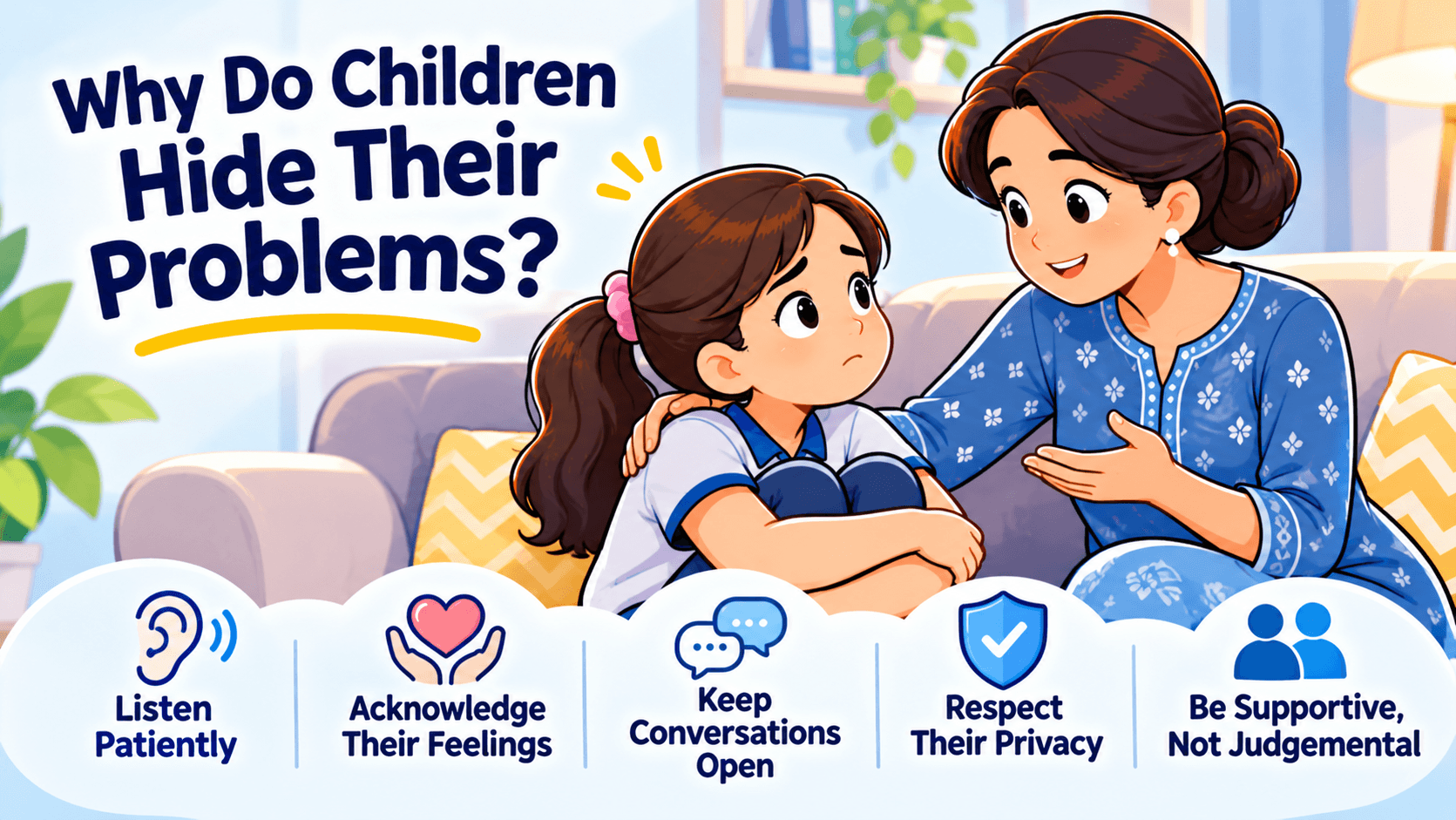

Your child comes home from school looking unusually quiet. You ask if something happened, but they simply say, “Nothing.” Later, you discover they had an argument with a friend or struggled with something in class.
You wonder why they didn't tell you earlier.
Children don't always hide problems because they distrust their parents. Sometimes, they fear being scolded, misunderstood, or making a situation worse. Others struggle to explain their feelings.
Understanding these reasons can help parents build a relationship where children feel comfortable sharing difficult experiences.
Why Do Children Keep Their Problems to Themselves?
Children may stay silent even when they need support. Their reasons often depend on their age, experiences, and how adults have responded before.
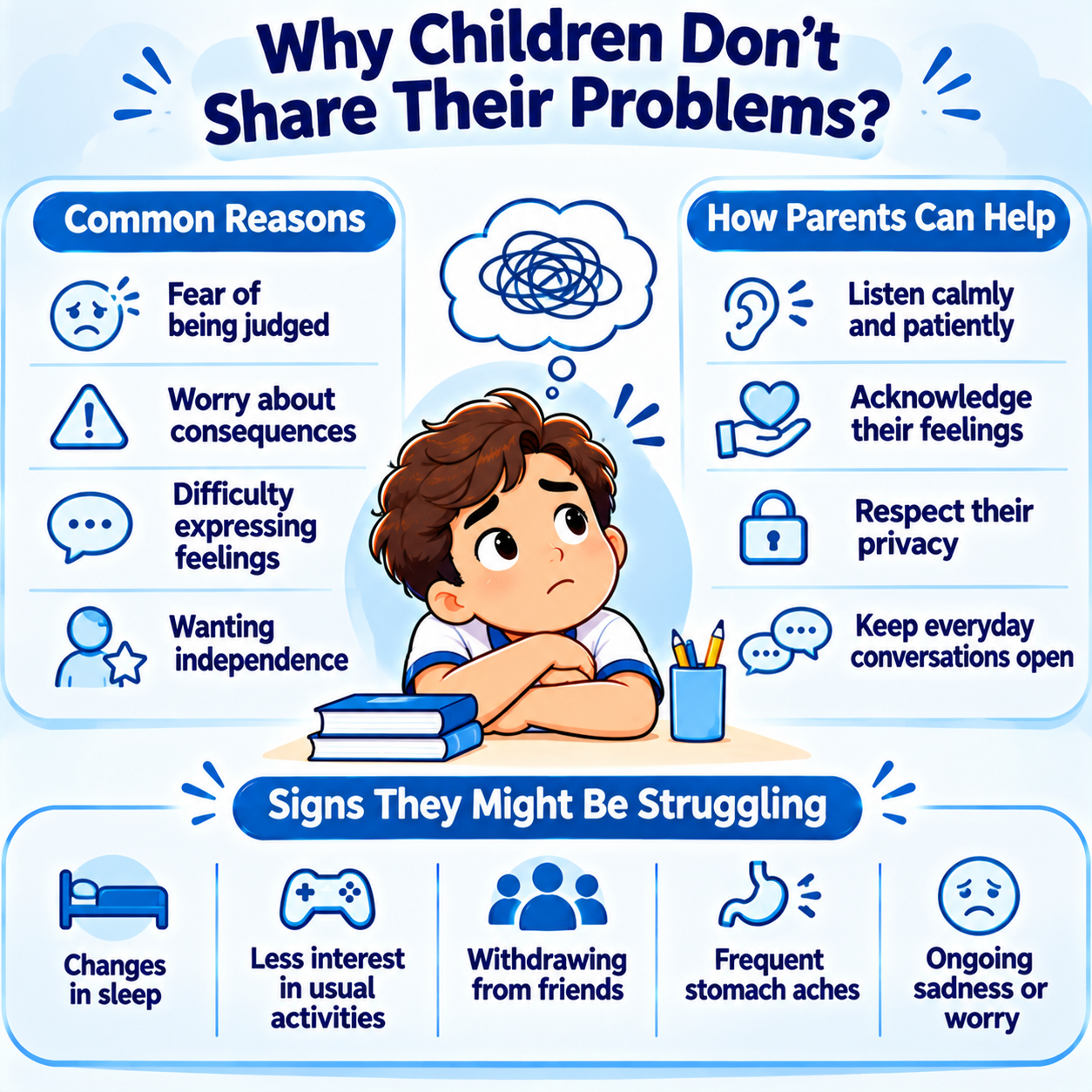
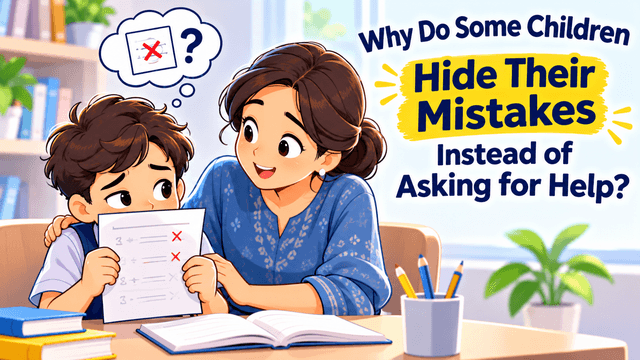
Fear of being judged: A child who performs poorly in an examination might avoid discussing it because they expect disappointment or criticism.
Worry about consequences: Children experiencing friendship problems may fear that parents will immediately contact teachers, making things uncomfortable with classmates.
Difficulty expressing emotions: Younger children sometimes recognise that something feels wrong but cannot explain whether they feel embarrassed, lonely, or anxious.
Wanting independence: As children grow older, they may prefer handling difficulties themselves rather than seeking adult involvement.
According to StopBullying.gov, children experiencing bullying may avoid reporting it because they fear retaliation, embarrassment, or losing their friends' support.
Recognising these concerns helps parents respond with understanding instead of assuming their child is being secretive.
How Can Parents Make Children Feel Safe Enough to Talk?
Children are more likely to share concerns when they believe adults will listen without immediately criticising or punishing them.
Listen Before Offering Solutions
Imagine your child explaining that classmates excluded them from a game.
Instead of immediately suggesting they find different friends, ask what happened and how they felt.
A simple response such as, “That sounds upsetting. What happened next?” encourages further conversation.
UNICEF's guidance on communicating with teenagers explains that active listening helps children feel understood, supported, and less alone.
Avoid Dismissing Small Problems
What seems unimportant to an adult may feel overwhelming to a child.
Losing a favourite pencil, being left out of a birthday invitation, or receiving a disappointing grade can carry strong emotions.
Instead of saying, “That's nothing to worry about,” acknowledge their experience.
This doesn't mean agreeing with every reaction. It means recognising their feelings before discussing what they can do.
Respect Privacy Without Ignoring Safety
Children need some control over their personal conversations.
If they share an embarrassing experience, avoid discussing it with relatives or siblings unnecessarily.
However, explain that serious concerns involving abuse, threats, self-harm, or immediate danger require responsible adult intervention.
Trust grows when children understand that adults respect their privacy while prioritising their safety.
What Daily Habits Encourage Open Communication?
Building emotional trust doesn't require lengthy conversations every evening. Small, consistent interactions often create better opportunities.
Create relaxed conversation moments: Talk during walks, meals, or shared activities. Some children open up more easily when conversation doesn't feel like questioning.
Ask specific questions: Instead of asking, “How was school?” try, “What was the most difficult part of your day?” or “Did anything surprise you today?”
Share appropriate personal experiences: Discuss a childhood mistake and how you handled it. This shows children that difficulties are normal and manageable.
Appreciate honesty: When your child admits making a mistake, acknowledge their courage before discussing consequences.
Avoid forcing conversations: Sometimes, children need time before explaining what happened. Remind them that they can approach you later.
UNICEF's advice on helping teenagers open up recommends being available without constantly questioning them.
The goal isn't to make children report every detail of their day. It is to make asking for help feel safe.
How Can Parents Recognise Problems Children Aren't Discussing?
Some children express emotional distress through behaviour rather than words.
Parents might notice changes in sleeping habits, reduced interest in favourite activities, frequent complaints of stomach aches, or withdrawal from friends.
These signs don't necessarily indicate a serious problem, but persistent or sudden changes deserve attention.
The World Health Organization highlights the importance of supportive family, school, and community environments for adolescent mental health.
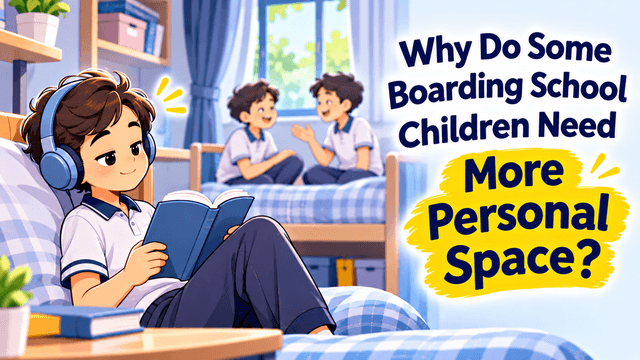
For children attending residential schools, having trusted adults nearby becomes especially important.
Parents can ask how their child feels about classmates, teachers, and daily routines rather than focusing only on academic performance.
If a child reports bullying, abuse, or feeling unsafe, adults should take the concern seriously and follow appropriate safeguarding procedures. Persistent emotional distress may require support from a qualified mental health professional.
Creating Supportive Communication at Boarding Schools
For parents exploring Top Boarding schools in India, emotional support deserves attention alongside academics and facilities. Mussoorie International School (MIS), Mussoorie, describes pastoral care involving residential staff, housemothers, and student welfare support. Its official website also states that students can access confidential counselling services. Families comparing the Best Boarding schools in India can use such information to ask practical questions about whom students approach, how concerns are handled, and when parents are informed. Clear communication arrangements matter because children living away from home need accessible, trusted adults.

Conclusion
Children don't always need immediate answers when something goes wrong. Often, they first need someone willing to listen.
Parents can encourage honest communication by responding calmly, respecting feelings, and making time for everyday conversations. When children know they can discuss mistakes and uncomfortable experiences without unnecessary judgment, seeking help becomes easier.
The aim isn't to remove every difficulty from a child's life. It is to ensure they never feel they must face those difficulties alone.
For more information on this and similar schools, check out this list of the best boarding schools in India.










 as a preferred source on