




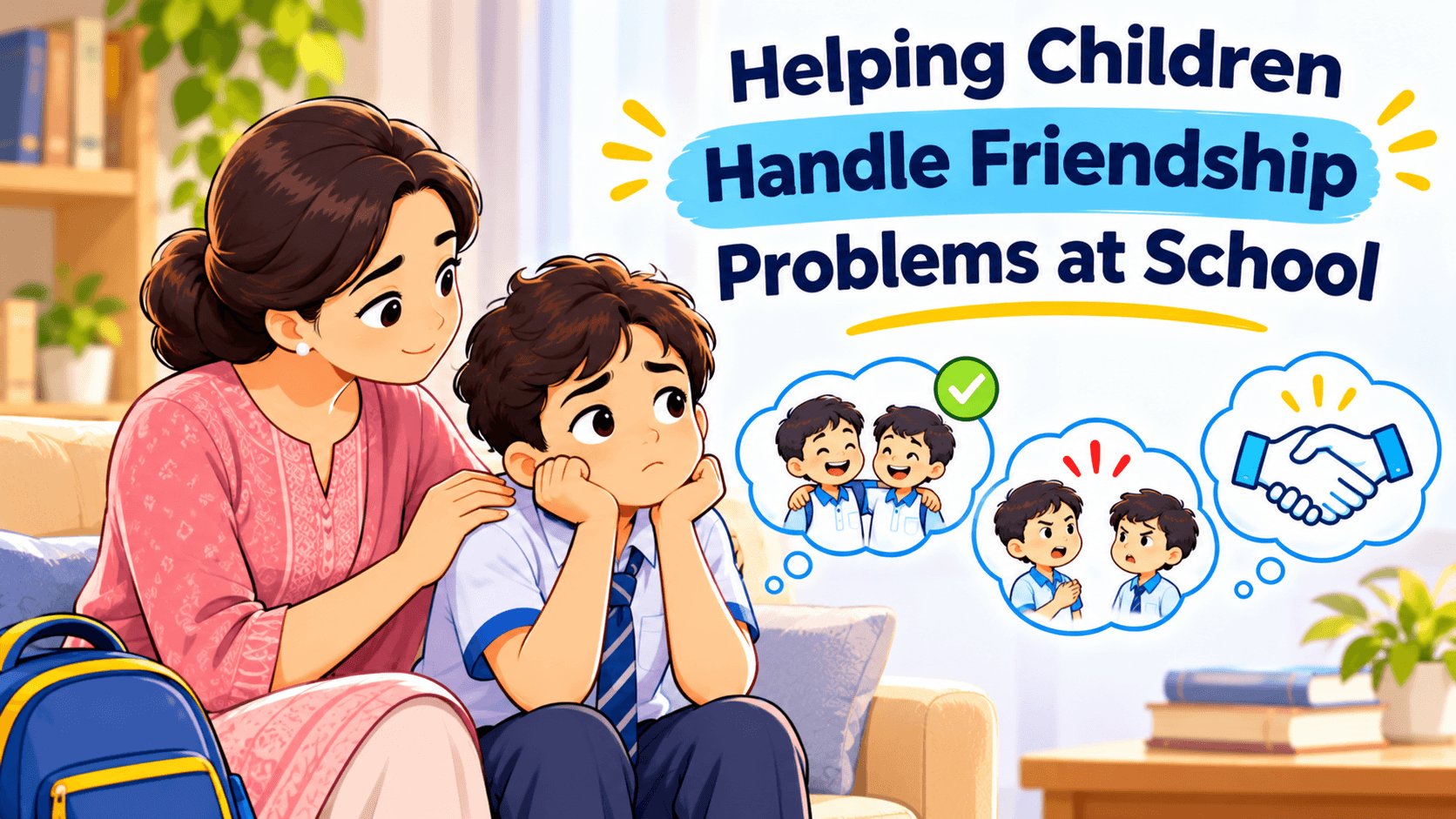

Your child comes home from school looking upset. When you ask what happened, they say, "My best friend doesn't want to play with me anymore." Yesterday, they were laughing together, but today, they are not speaking.
As a parent, you might feel tempted to call the other child's parents or immediately contact the teacher. However, not every friendship problem needs adult intervention.
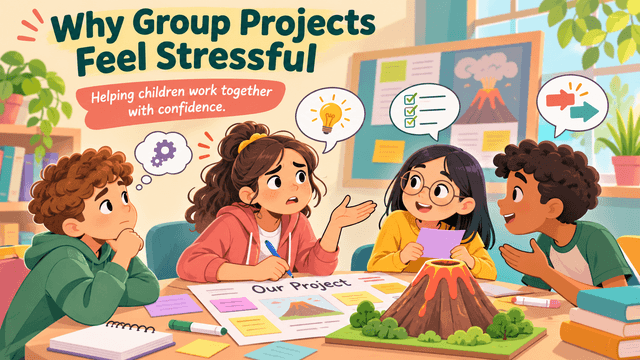
Friendships are an important part of growing up. Through them, children learn to share, communicate, understand different opinions, and manage disagreements. But these skills take time to develop. Parents can help children handle friendship problems without solving every situation for them.
Why Do Children Experience Friendship Problems at School?
Children are still learning how relationships work. They may struggle to understand another child's feelings or express their own emotions clearly.
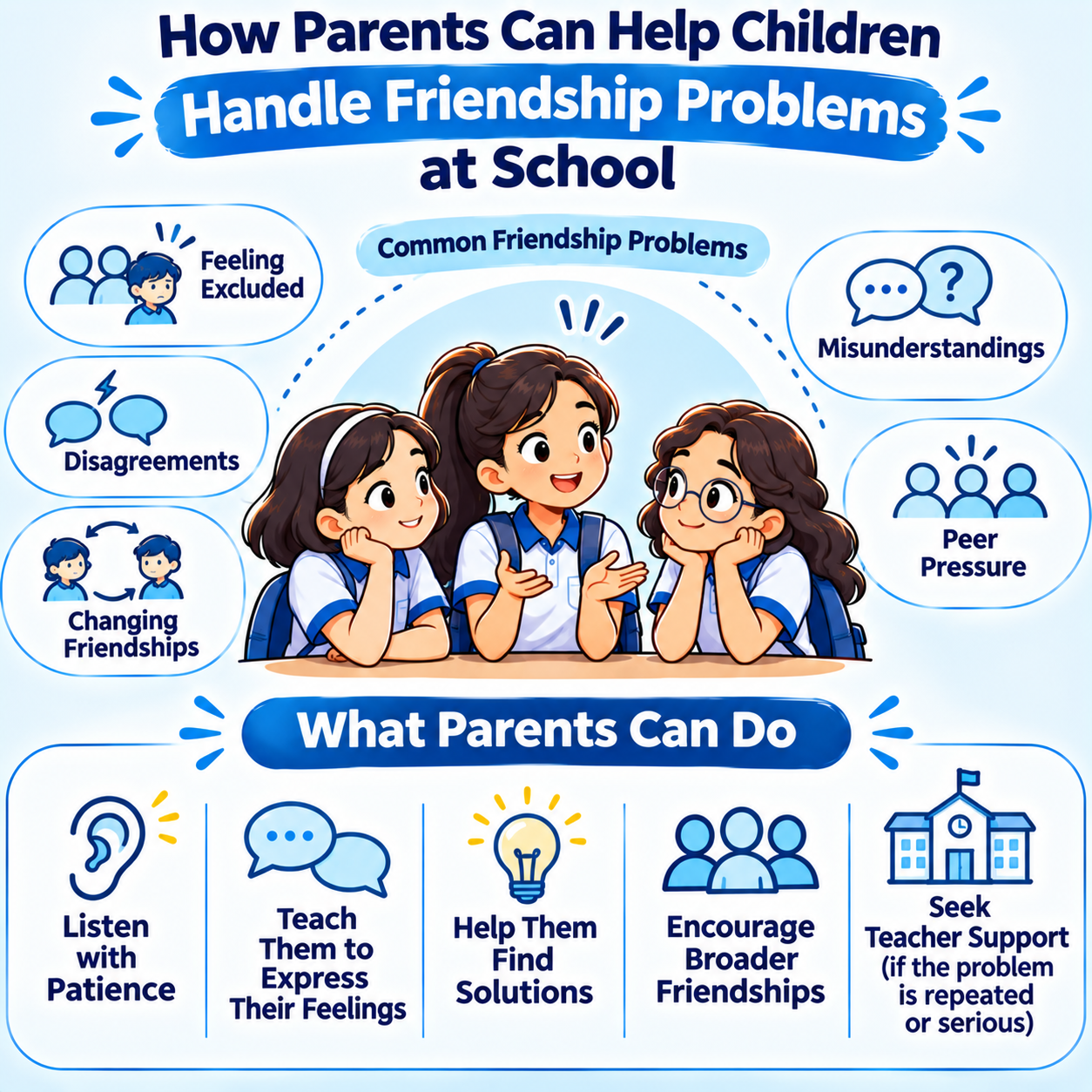
Common friendship problems include:
- Feeling excluded: A child may feel hurt when friends play together without inviting them.
- Disagreements: Arguments can arise over games, classroom activities, or sharing belongings.
- Changing friendships: Children may develop new interests and start spending time with different classmates.
- Misunderstandings: A harmless comment may be interpreted as an insult.
- Peer pressure: Some children may agree to uncomfortable situations because they fear losing friends.
According to the American Academy of Pediatrics (AAP), disagreements and feelings of rejection are common experiences during childhood. Parents can support children by acknowledging their feelings and helping them develop healthy responses.
The important thing is to understand whether your child is facing an occasional disagreement or a repeated pattern of harmful behaviour.
How Should Parents Respond When Their Child Has a Friendship Problem?
1. Listen Before Offering Solutions
Imagine your child says, "Nobody wants to sit with me during lunch."
Instead of immediately responding, "Just find another friend," ask what happened.
You might say, "That sounds upsetting. Can you tell me more?"
Give your child enough time to explain without interrupting or judging their classmates.
Sometimes children need emotional support before they are ready to discuss solutions. Listening also helps parents understand whether the situation involves a misunderstanding, exclusion, or something more serious.
2. Teach Children to Express Their Feelings
Children often react to friendship problems by crying, shouting, or refusing to speak.
Help your child describe what they feel instead.
For example, encourage them to say:
- "I felt sad when you didn't include me."
- "I didn't like what you said about me."
- "Can we talk about what happened?"
These simple statements communicate feelings without blaming or insulting others.
The AAP recommends helping children recognise their emotions and consider how their friends might feel before responding.
Parents can practise these conversations through short role-playing activities at home.
3. Encourage Children to Find Solutions
Suppose two children argue because both want to lead a group activity.
Rather than deciding who is right, ask your child, "What could you both do differently?"
They might suggest taking turns, dividing responsibilities, or choosing another activity.
Help your child consider different solutions and their possible consequences.
This teaches children that disagreements do not always mean a friendship has ended.
However, remind them that compromise should never mean accepting insults, threats, or repeated mistreatment.
How Can Parents Help Children Build Healthier Friendships?
Encourage Friendships Beyond One Group
Some children depend heavily on one best friend. When that friendship changes, they may feel completely alone.
Encourage your child to interact with different classmates through sports, hobbies, group projects, and neighbourhood activities.
Having multiple friendships can provide emotional support and reduce the pressure to maintain one relationship at any cost.
Help Children Understand Different Perspectives
Ask your child to consider why a friend might have behaved differently.
For example, perhaps their friend joined another group because they wanted to try a new game, not because they wanted to hurt anyone.
This does not mean dismissing your child's feelings. It means helping them recognise that situations can have more than one explanation.
Model Respectful Communication at Home
Children observe how adults manage disagreements.
When parents listen patiently, apologise after mistakes, and discuss differences respectfully, they demonstrate useful relationship skills.
You can also encourage small acts of kindness, such as inviting a classmate to join a game or supporting a friend who feels left out.
When Should Parents or Teachers Intervene?
Not every argument requires a teacher's involvement. Children can often resolve minor misunderstandings with guidance.
However, parents should intervene when friendship problems involve:
- Repeated exclusion, humiliation, or bullying.
- Threats, physical aggression, or intimidation.
- Hurtful messages or harassment in online groups.
- Persistent school avoidance, anxiety, or emotional distress.
- A sudden withdrawal from friendships or activities.
UNICEF advises parents to take bullying seriously, listen without blaming children, and involve school authorities when necessary.
If problems continue, speak privately with the class teacher. Explain specific incidents and ask what the school has observed.
Avoid confronting other children directly.
If your child's distress persists or affects their well-being, consider seeking guidance from a qualified mental health professional.
Understanding Social Development at St. Teresa School, Greater Noida West
For parents exploring the Best Schools in Greater Noida West, opportunities for social interaction can be an important consideration alongside academics. St. Teresa School, Sector 10, Greater Noida West identifies communication, cooperation, positive relationships, and empathy as elements of its holistic development approach. Its official website also lists football, volleyball, cricket, and other sports activities that provide opportunities for interaction and teamwork. Parents comparing the Top Schools in Greater Noida West can ask how schools support children during peer disagreements and encourage respectful relationships.

Conclusion
Friendship problems can be upsetting, but they also provide opportunities for children to develop emotional awareness, communication, and problem-solving skills.
Parents can help by listening patiently, teaching respectful communication, and encouraging children to consider different perspectives.
The goal is not to prevent every disagreement. It is to help children build healthy relationships, recognise unacceptable behaviour, and feel confident asking for support when they need it.
To know more about other schools in Greater Noida West, click on the link below.



 as a preferred source on