




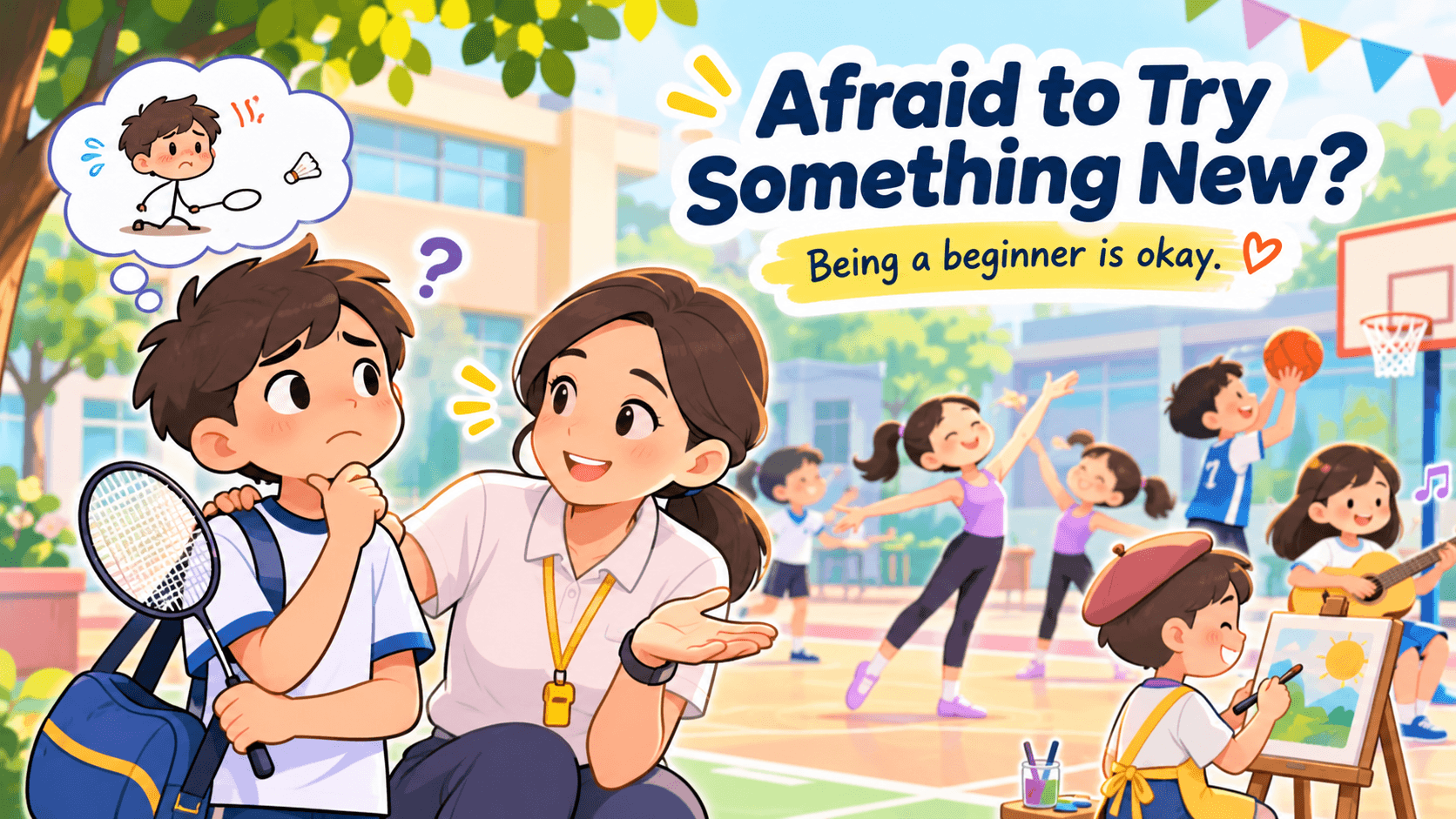

Your child enjoys badminton but refuses to join a basketball activity at school. When you ask why, they respond, "Everyone else already knows how to play. I'll just embarrass myself."
They haven't even tried basketball, yet they've already decided they won't be good at it.
For parents exploring Top schools in gurugram, including K.R. Mangalam World School (KRM), Sector 41, Gurgaon, understanding why children hesitate to explore unfamiliar activities is an important part of supporting their development.
Sometimes, children aren't avoiding the activity itself. They're avoiding the uncomfortable feeling of being a beginner.
Why Does Being a Beginner Feel So Uncomfortable for Some Children?
Children naturally notice how their abilities compare with those of others. When they see classmates dancing confidently, playing an instrument, or performing well in sports, they may assume everyone else is simply more talented.
What they often overlook is the practice behind those abilities.
Imagine an eight-year-old watching classmates perform a dance routine. Everyone seems to know the steps, while the child struggles to remember even the first few movements.
Instead of thinking, "I need more practice," they might conclude, "I'm terrible at dancing."
The American Psychological Association (APA) explains that children who focus mainly on demonstrating their abilities may avoid challenges that could expose their weaknesses. Those who focus on learning and improving are generally more willing to attempt difficult tasks.
However, hesitation does not always indicate low confidence. Some children need time to observe, while others may genuinely prefer different activities.
Understanding the reason matters more than immediately encouraging participation.
How Can Parents Accidentally Make Children Afraid of Trying?
Parents naturally want their children to succeed. However, certain well-intentioned reactions can make unfamiliar activities feel like tests of ability.
Consider a child showing their first painting to a parent. Instead of discussing the picture, the parent immediately points out the uneven colouring and incorrect shapes.
The child may begin worrying more about making mistakes than enjoying painting.
Comparisons can have a similar effect.
Statements such as "Your cousin learned swimming much faster" might be intended as encouragement, but children may interpret them as evidence that they are falling behind.
Even praise can create pressure when it focuses only on talent.
Repeatedly telling a child, "You're naturally brilliant at mathematics," may make them reluctant to attempt difficult questions that could challenge that image.
APA guidance recommends recognising specific efforts, strategies, and improvements rather than focusing entirely on intelligence or talent.
For example, saying "You kept practising until you understood the steps" gives children useful feedback about their learning.
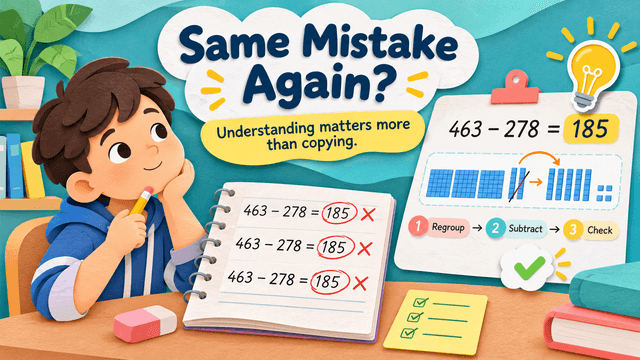
The aim is not to stop correcting mistakes. It is to make correction feel like part of learning rather than proof of failure.
How Can Parents Encourage Children to Try Without Pressuring Them?
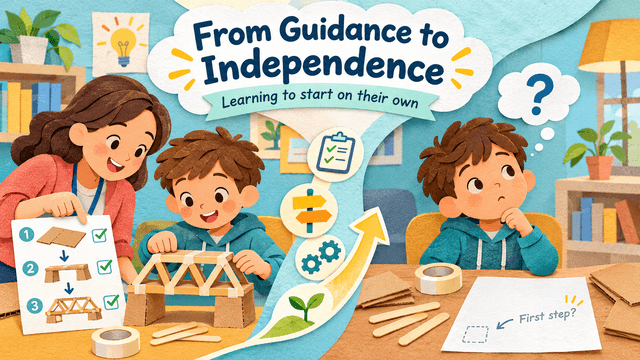
Children are more likely to explore unfamiliar activities when the experience feels manageable and they have some control over their participation.
Parents can create these opportunities through small changes.
1. Begin with a small experience
Instead of immediately enrolling a child in a three-month theatre programme, consider an introductory workshop.
The child can observe, participate briefly, and decide whether they want to explore further.
2. Offer choices rather than instructions
A child who dislikes team sports might enjoy swimming, skating, or martial arts.
Ask, "Would you like to try swimming or skating?" rather than insisting on one particular activity.
Having a choice helps children feel involved in the decision.
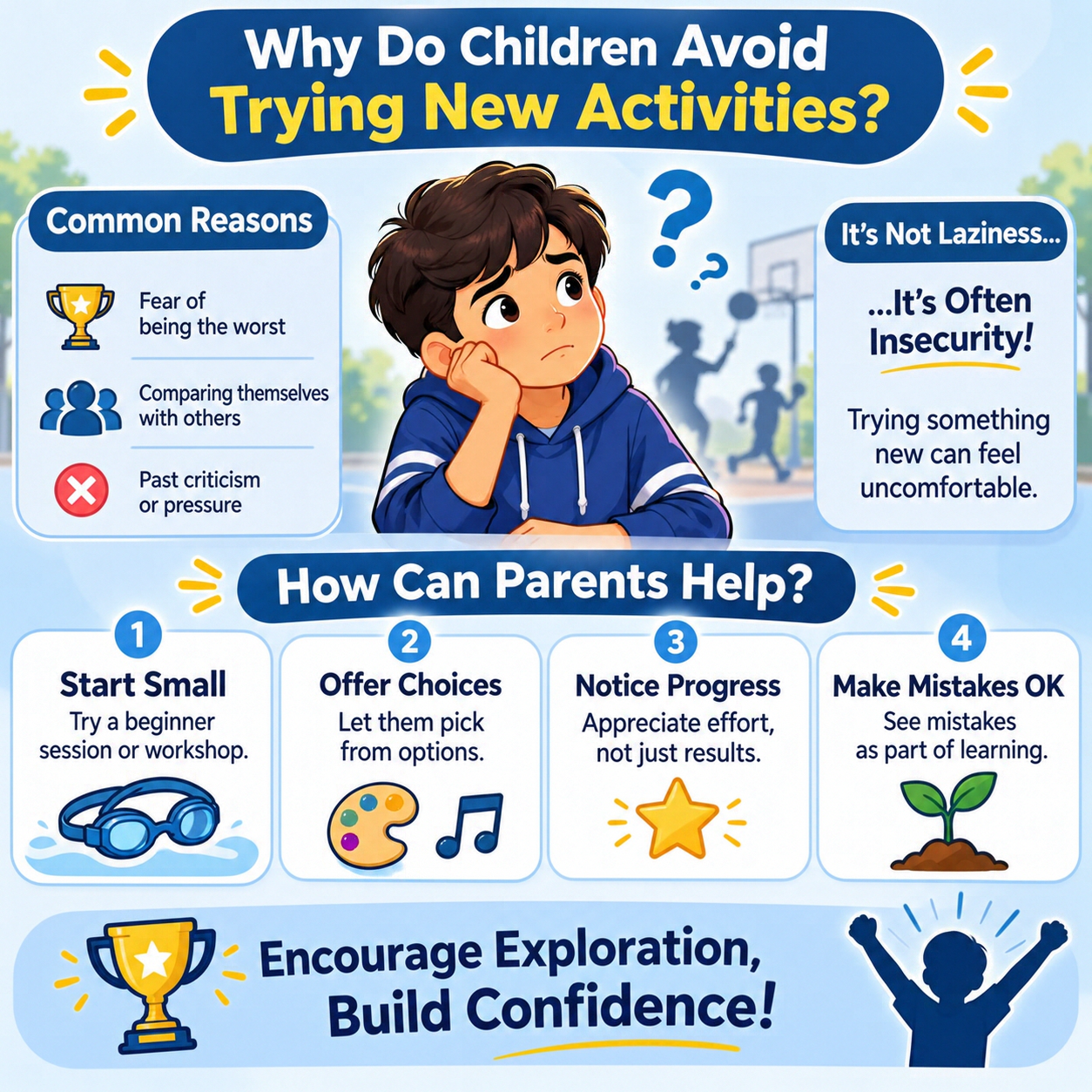
3. Notice progress instead of performance
If a child struggles with skipping a rope, avoid comparing them with friends who can already skip continuously.
Recognise smaller improvements, such as learning to coordinate their hands and feet.
The APA identifies specific, achievable goals as helpful for motivation because children can recognise their progress.
4. Make mistakes an ordinary part of learning
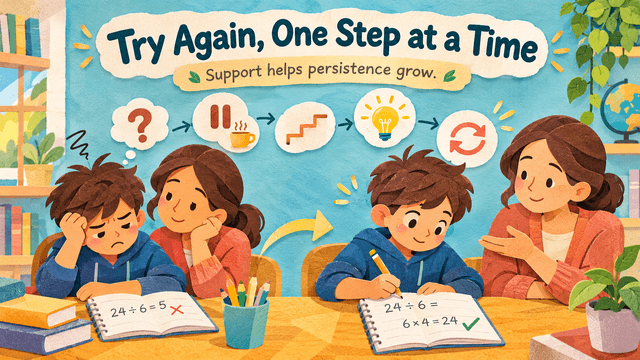
When children struggle, ask what they found difficult and what they might try differently.
A child learning chess may lose several games before understanding basic strategies.
Rather than focusing on winning, discuss one decision they made differently from the previous game.
Over time, these conversations can help children see new activities as opportunities to learn rather than situations where they must immediately succeed.
When Should Parents Encourage Another Attempt and When Should They Respect a Child's Choice?
There is an important difference between avoiding an activity because of fear and declining it because of genuine disinterest.
A child saying, "Everyone will laugh if I make a mistake," may need reassurance and a less intimidating opportunity to participate.
However, a child who has attended several music sessions and genuinely dislikes the experience may simply prefer something else.
Ask what makes the activity uncomfortable. Is it the activity, the instructor, the other children, or the fear of performing badly?
Avoid turning every hobby into a competition.
If an activity causes persistent distress, involves bullying, or leaves a child feeling unsafe, address that concern rather than insisting they continue.
The goal is to encourage exploration, not force participation in everything.
Exploring Different Interests at K.R. Mangalam World School, Gurugram
For parents considering the Best schools in Gurugram, opportunities to explore different interests can be one factor worth examining. K.R. Mangalam World School (KRM), Sector 41, Gurgaon, lists clubs involving visual and performing arts, mathematics, coding, and public speaking. These activities represent different areas children may choose to explore. However, the availability of activities alone does not establish how individual children respond to unfamiliar challenges or whether participation improves their confidence.

Conclusion
Children do not need to excel at every activity they attempt. Learning something unfamiliar often involves mistakes, hesitation, and gradual improvement.
Parents can help by offering choices, recognising progress, and allowing children to explore without constant comparison.
The important lesson is that children can enjoy learning something new even when they are not immediately good at it.
For more information on similar schools, check out this list of the best schools in Gurugram.






 as a preferred source on