







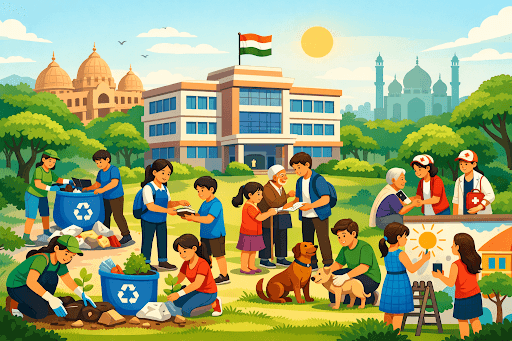

Education extends far beyond textbooks and classrooms. Schools today carry a larger responsibility than just delivering academic knowledge. They shape how young people see the world around them. A child who learns empathy early grows into a thoughtful and responsible adult. Community service programs help schools fulfil this broader purpose effectively.
One of the best schools in Greater Noida, SIS operates under the Jyoti Educational Society, which was founded in 2008. The school follows a unique philosophy of Play, Learn, Innovate, and Experience. Students receive quality education while developing into compassionate global citizens. The school partners with several social organisations to create real impact.
In this article, readers will explore the importance of social responsibility programs in schools and how SIS implements these initiatives effectively.
Also Read | Where Green Rituals Meet Global Vision: The Sheoran International School Story
Building Empathy Through Community Service
Schools play a vital role in shaping young minds. Community service programs help students develop essential life skills. These programs teach children about privilege, gratitude, and social responsibility. Students learn to look beyond their immediate surroundings.
Starting Early Makes a Difference
Research shows that early exposure to social causes creates a lasting impact. Children who participate in community service develop stronger empathy. They become more aware of social inequalities around them. This awareness shapes their worldview and future choices positively.
Schools can introduce community service from primary grades themselves. Age-appropriate activities help young students understand social issues better. Simple acts like sharing food or donating clothes teach valuable lessons. These small steps build a foundation for lifelong compassionate behaviour.
Connecting Classroom Learning to the Real World
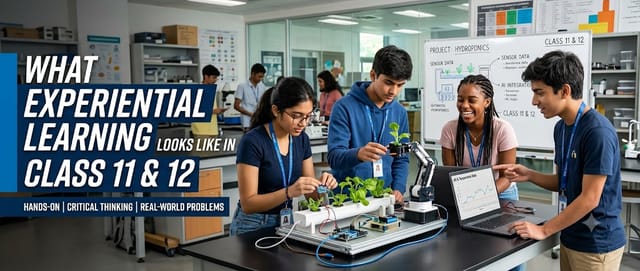
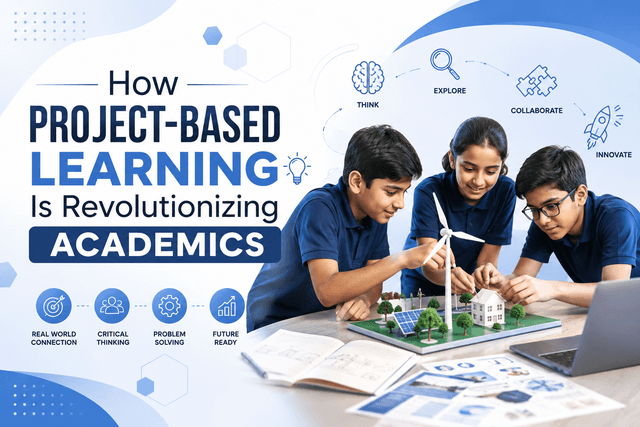
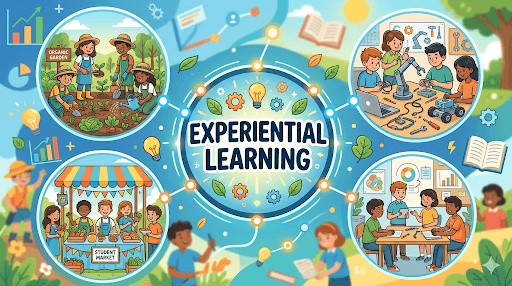
Community service bridges the gap between theory and practice. Students apply their classroom knowledge to solve real problems. This experiential learning makes education more meaningful and relevant. Children remember lessons learned through direct experience much longer.
Service activities also develop critical thinking and problem-solving skills. Students learn to work in teams and communicate effectively. They face real challenges and find creative solutions together. These skills prove invaluable in their future personal and professional lives.
Understanding Social Inequality in India
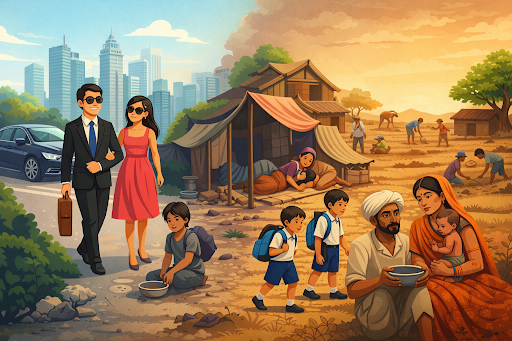
India faces significant challenges related to poverty and inequality. Millions of children lack access to basic education and nutrition. Urban areas often have stark contrasts between affluent and underprivileged communities. Students growing up in privileged environments rarely witness these realities.
The Role of Education in Social Change
Education serves as the most powerful tool for social transformation. It helps break the cycle of poverty across generations. Children from disadvantaged backgrounds need support to access quality education. Even small interventions can create significant positive change in their lives.
Organisations working on education equity require community support to succeed. Schools can become important partners in these social missions. Student participation brings fresh energy and perspective to social initiatives. Young volunteers often inspire adults to contribute more actively too.
Creating Awareness Among Young Minds
Exposure to social issues shapes students into responsible citizens. They learn about hunger, homelessness, and educational deprivation firsthand. This knowledge makes them grateful for their own opportunities. It also motivates them to contribute toward solving these problems.
Regular engagement with underprivileged communities builds lasting connections. Students develop a deeper understanding of social structures and inequalities. They learn that small actions can make real differences. This understanding creates a generation of problem-solvers and change-makers.
Also Read | Growing with Purpose: Social & Eco Conscious Learning at Tiny Tots
Types of Student-Led Social Initiatives
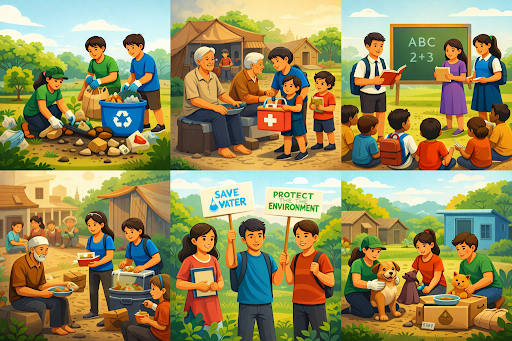
Schools can implement various community service programs effectively. Food distribution drives address immediate hunger needs in local communities. Educational support programs help underprivileged children with their studies. Environmental initiatives teach students about sustainability and climate action.
Food Security and Distribution Programs
Hunger remains a pressing issue in many urban areas. Students can help collect and distribute surplus food systematically. Regular food drives teach children about food wastage and scarcity. They learn to value resources and develop sharing habits.
These programs also build organisational and logistical skills in students. Planning collection routes, coordinating with volunteers, and managing distribution requires teamwork. Students take ownership of the entire process from start to finish.
Educational Support and Mentorship
Many children lack access to quality educational resources and guidance. Student volunteers can teach basic subjects to underprivileged children. They can organise storytelling sessions, games, and creative activities. These interactions benefit both the volunteers and the children equally.
Mentorship programs create meaningful bonds between students from different backgrounds. Privileged students share their knowledge and resources with those in need. This exchange promotes social harmony and reduces class-based prejudices early on.
Check Out | From Space Labs to Student-Led Learning: Inside Satya School’s Transformative Approach
Community Engagement: Sheoran International School, Greater Noida
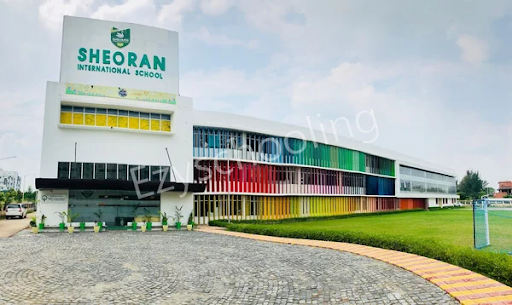
One of the best CBSE schools in Greater Noida, Sheoran International School, provides comprehensive education from pre-nursery to class twelve. The school features modern laboratories, digital classrooms, and extensive sports facilities. SIS follows the CBSE curriculum with emphasis on experiential learning. The institution maintains strong partnerships with leading educational technology providers.
SIS actively partners with the Robin Hood Army for community service. Students participate in the CatchThemYoung program throughout the academic year. Children bring extra food portions, which volunteers collect and distribute. The school organises regular visits to slums near Aichar and Gautam Budh University.
Young students distribute food and interact with underprivileged children directly. They organise games, teach basic lessons, and spend quality time together. These activities create lasting impressions on the young volunteers' minds. Students develop gratitude for their privileges and empathy for others' struggles. The program transforms students into aware and compassionate individuals gradually.
Conclusion
Social responsibility programs shape students into well-rounded global citizens. Schools must integrate community service into their educational framework systematically. SIS demonstrates how early exposure to social causes benefits children. The partnership with Robin Hood Army creates real impact in local communities. Students learn invaluable lessons about empathy, privilege, and social responsibility. These experiences prepare them to become change-makers in society. Education combined with social awareness creates a better future for everyone.
For more information on this and other such schools in the area, check out this list of the best schools in Greater Noida.



 as a preferred source on