




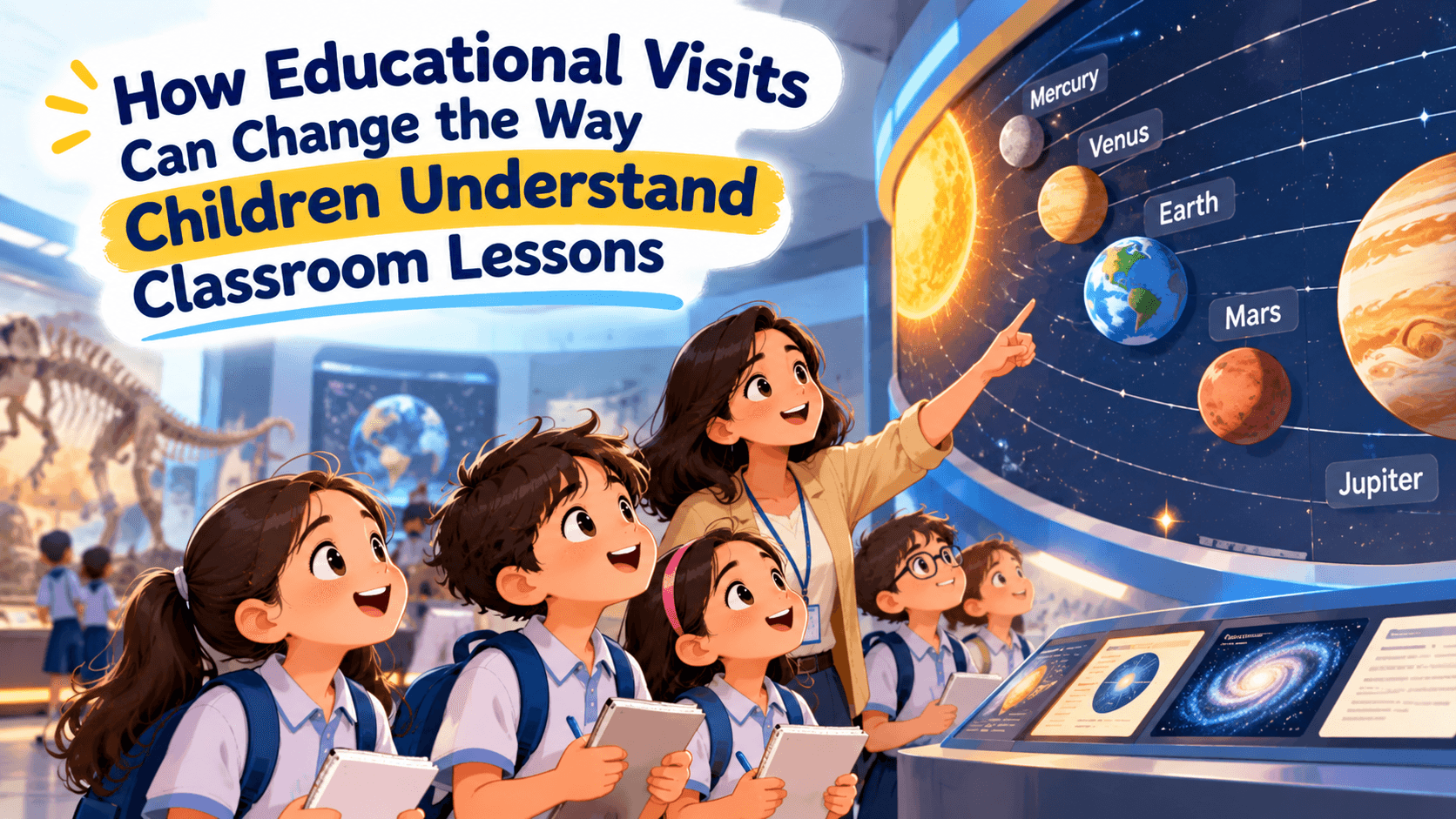

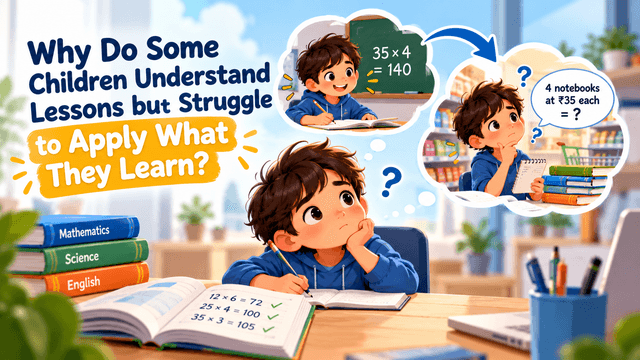
Your child can name all eight planets in the solar system. They remember their order and basic characteristics. But when you ask how far these planets are from Earth or why they appear different in size, they struggle to explain.
This is a common gap between remembering information and understanding it.
For parents exploring Top Schools in Delhi, including Prabhu Dayal Public School (PDPS), Shalimar Bagh, Delhi, understanding how children connect classroom lessons with real-world experiences is an important consideration.
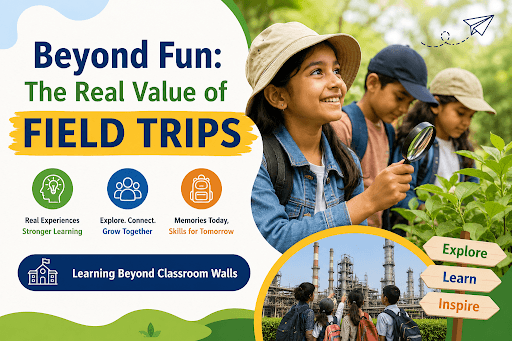
Educational visits can help children make these connections through observation, exploration, and meaningful discussions.
Why Can Classroom Lessons Feel Different Outside School?
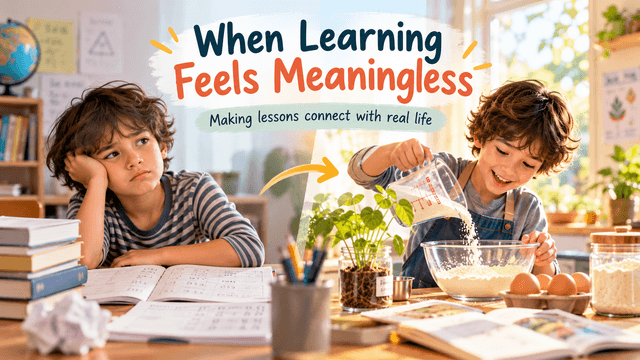
Textbooks explain important concepts, but some ideas become easier to understand when children encounter them in real settings.
Consider a child studying the solar system. Reading about planets provides information about their sizes, positions, and movements. However, visiting a planetarium allows the child to visualise planetary motion and better understand relationships between celestial bodies.
Similarly, a history lesson about ancient civilisations may become more meaningful when children visit a museum and examine objects used by people centuries ago.
These experiences provide something concrete to connect with classroom knowledge.
India's National Curriculum Framework for School Education 2023 recognises field excursions, including visits to museums, historical locations, and planetariums, as meaningful opportunities for engaging with curricular concepts.
However, educational visits cannot replace textbooks or teacher explanations. They work best when children already understand the basic topic and receive guidance while exploring.
What Do Children Actually Learn During Educational Visits?
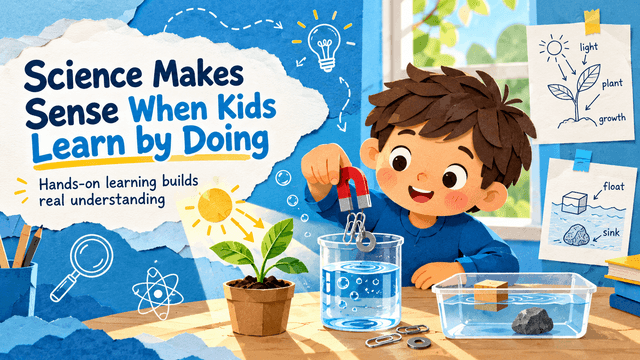
Educational visits can encourage children to develop skills beyond memorising information.
Imagine students visiting a science museum. One child notices a model showing how electricity is generated. Another wonders why certain materials conduct electricity while others do not.
Instead of simply reading explanations, they begin exploring questions based on their observations.
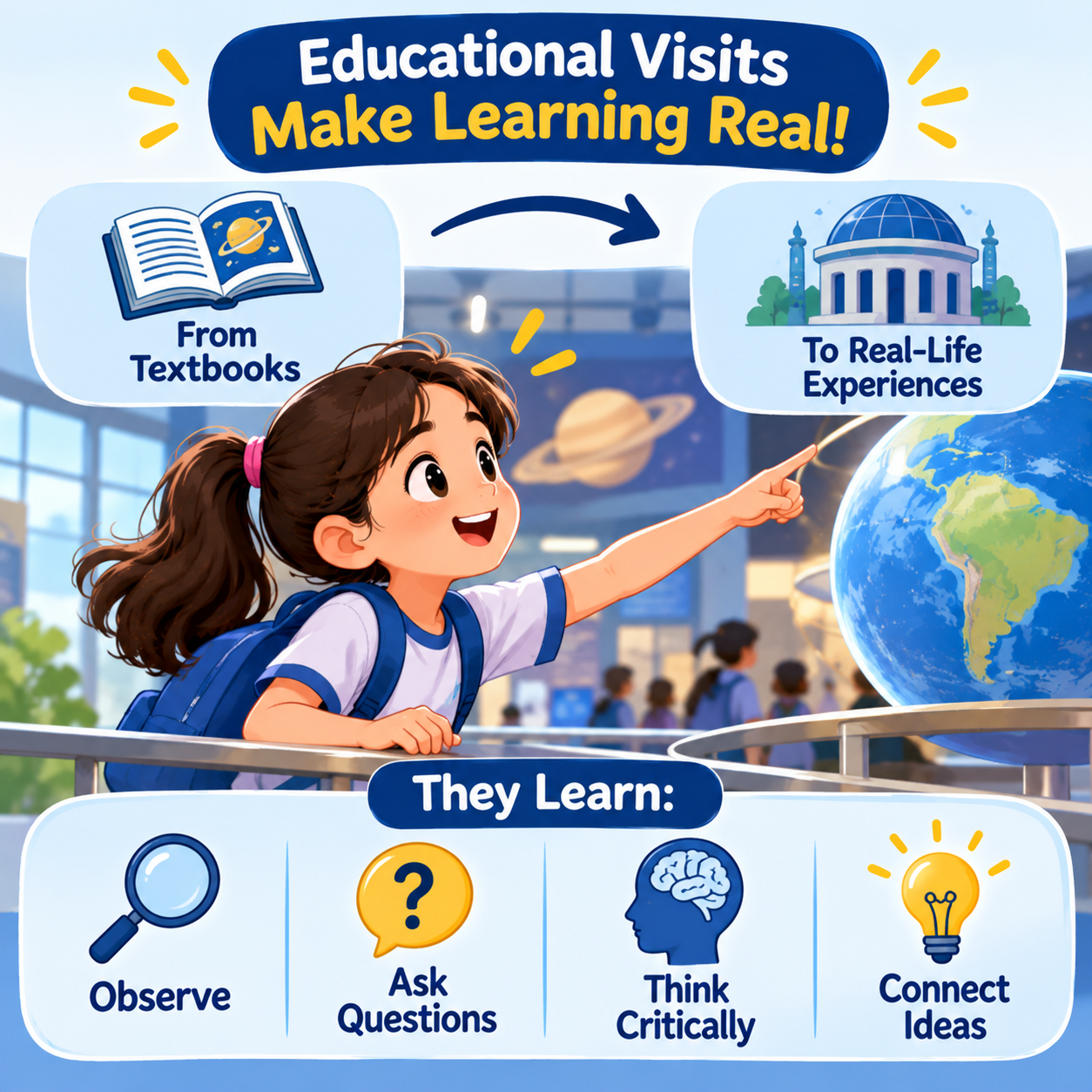
Such experiences create opportunities for several important skills:
- Observation: Children learn to notice details, patterns, and differences.
- Curiosity: Unfamiliar objects and demonstrations encourage them to ask questions.
- Critical thinking: They examine explanations and consider why something happens.
- Connecting ideas: They relate new experiences to concepts discussed in class.
A 2016 study by researchers Brian Kisida, Daniel Bowen, and Jay Greene found that students participating in art museum visits demonstrated improvements in critically examining artworks.
Although this research focused specifically on art museums, it illustrates how thoughtfully organised visits can support certain thinking skills.
The important distinction is that simply visiting an educational location does not guarantee meaningful learning. Children need opportunities to observe carefully, discuss ideas, and make sense of what they discover.
Why Does Planning Matter More Than Simply Taking Children Somewhere?
Imagine two groups of students visiting the same museum.
The first group walks through several galleries, takes photographs, and returns to school. Although the children enjoy the outing, they have little opportunity to discuss what they observed.
The second group receives a few questions before arriving.
What objects did people use in ancient homes? How were their tools different from those used today? What can these objects tell us about everyday life in the past?
During the visit, students look for possible answers. After returning, their teacher encourages them to share their observations.
The second experience provides more opportunities for learning because the visit has a clear purpose.
A 2008 research review by Jennifer DeWitt and Martin Storksdieck highlights the importance of preparation, guidance, and follow-up activities during educational field trips.
Children benefit when they understand what to observe and have opportunities to reflect afterward.
Even a short classroom discussion can help them connect what they experienced with what they previously learned.
How Can Parents Make Educational Visits More Meaningful?
Parents do not need to arrange expensive trips to encourage learning beyond the classroom.
A visit to a local museum, historical monument, science centre, or nearby park can offer opportunities for meaningful exploration.
What matters is how parents involve their children.
Before the visit: Discuss the place and ask what your child already knows. Encourage them to think of one or two questions they would like answered.
During the visit: Allow time for observation. Instead of explaining everything immediately, ask what they notice and what surprises them.
After the visit: Discuss what they learned. Ask whether anything changed their earlier understanding.
For example, after visiting a historical monument, parents might ask how people constructed such buildings without modern machinery.
Children may not know the answer immediately, but the question encourages further exploration.
The goal is not to test children after every outing. It is to encourage curiosity and help them connect experiences with everyday learning.
Connecting Classroom Learning With Educational Visits at Prabhu Dayal Public School
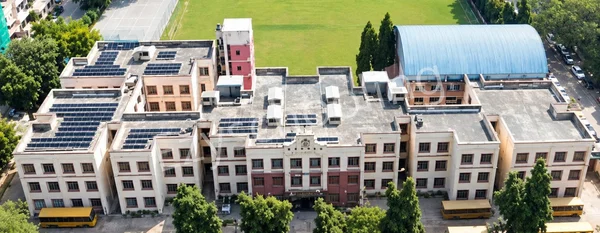
For parents comparing the Best Schools in Delhi, how a school connects academic subjects with practical experiences can be an important consideration. Prabhu Dayal Public School (PDPS), Shalimar Bagh, Delhi, includes visits to the Nehru Planetarium, National Science Centre, and Parliament in its published co-curricular activity schedule. These are listed activities, not independently confirmed completed visits for 2026. Such educational opportunities are relevant to helping children connect classroom concepts with real-world settings. They also highlight why parents may wish to understand how schools prepare students for educational visits and encourage reflection afterward.
Conclusion
Educational visits are not simply breaks from regular classroom lessons. When thoughtfully planned, they offer children opportunities to observe ideas, ask questions, and connect academic knowledge with everyday experiences.
Textbooks remain essential for building understanding, while real-world experiences can provide additional opportunities for exploration.
By encouraging children to reflect on what they see, parents and teachers can help make learning more meaningful beyond the classroom.
To know more about other schools in Delhi, click on the link below



 as a preferred source on