




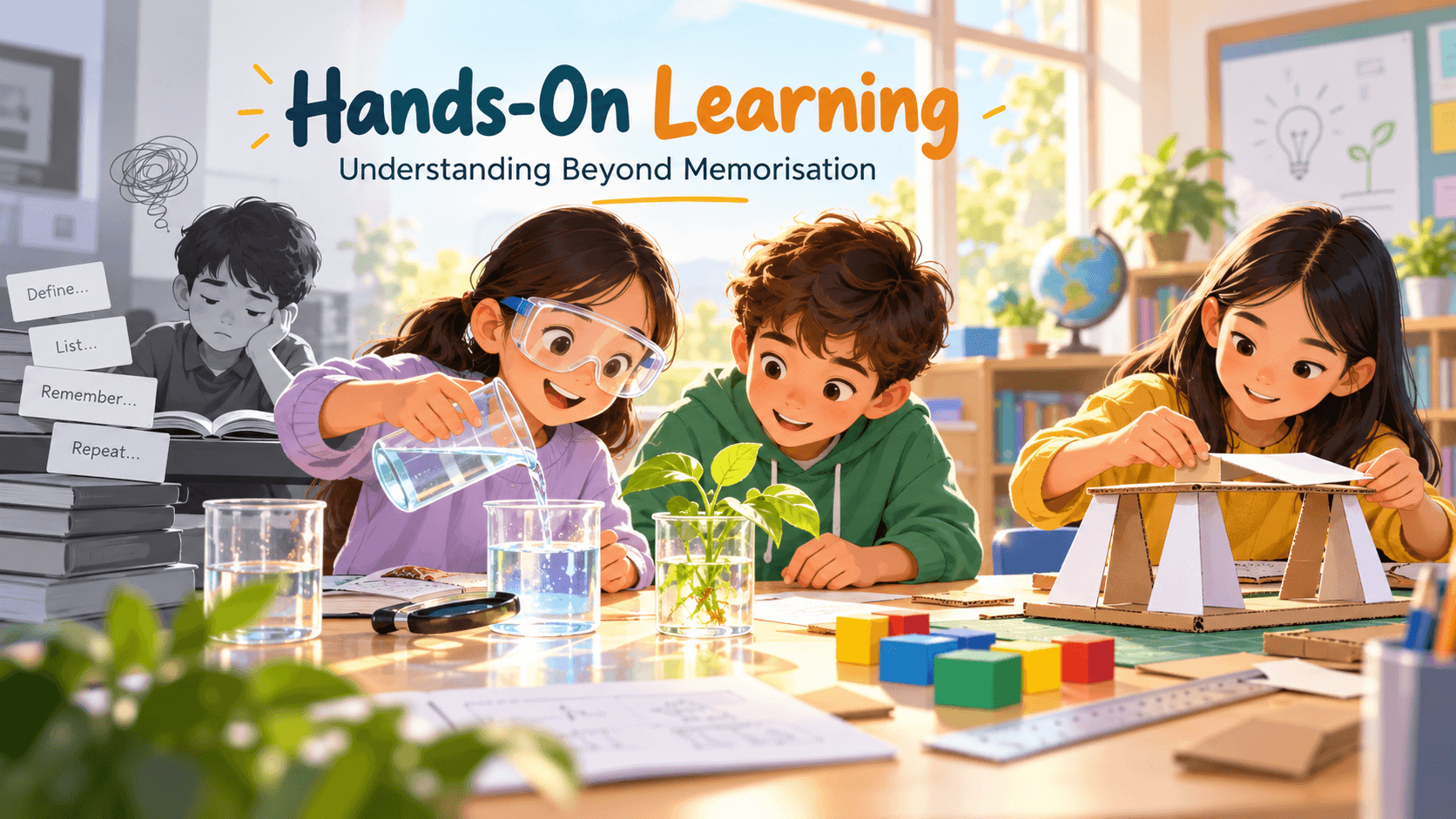

A child may confidently explain the definition of evaporation during an exam but struggle to answer a simple question: Why do wet clothes dry faster on a sunny day? This difference between remembering information and understanding it is something many parents notice.
Memorising lessons can help children recall facts, but real understanding develops when they learn how those facts work in everyday situations. This is where hands-on learning becomes valuable.
When exploring the Best boarding school in India, parents may also consider how schools encourage practical understanding. Schools like Ashok Hall Girls' Residential School (AHGRS), Almora, which emphasise experiential learning, provide a relevant example of this educational approach.
What Makes Hands-On Learning Different from Memorisation?
Memorisation involves remembering information such as definitions, formulas, dates, and facts. It plays an important role in education, especially when children need basic knowledge to understand more complex subjects.
However, remembering an answer does not always mean understanding the concept behind it.
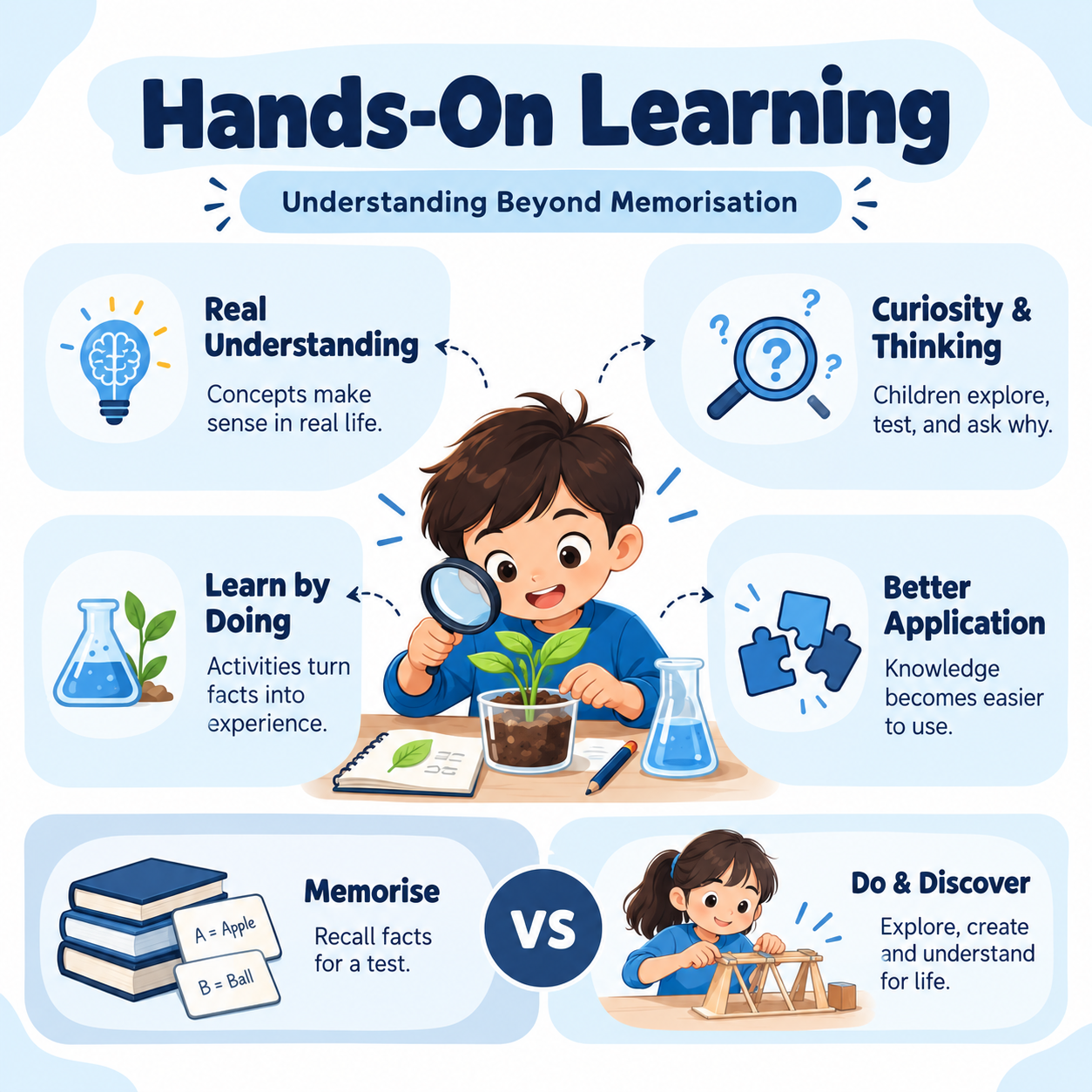
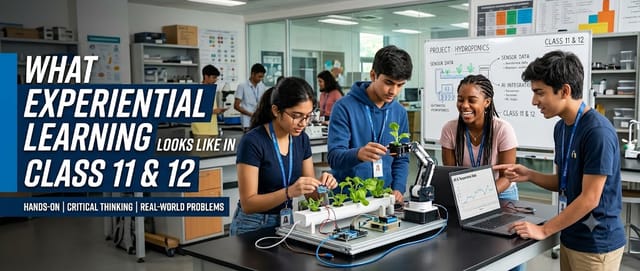
Hands-on learning encourages children to explore ideas through practical activities, observations, experiments, and problem-solving.
For example, a student might memorise that certain materials absorb water. But when the child places cotton, plastic, and paper in water, observes the results, and explains the differences, the concept becomes easier to understand.
This approach encourages children to connect classroom lessons with real experiences.
India's National Curriculum Framework for School Education 2023 also supports experiential and activity-based learning to help students develop a deeper understanding of subjects.
The goal is not to replace memorisation completely but to combine essential knowledge with meaningful experiences.
How Practical Experiences Help Children Understand Concepts
1. Connecting Classroom Knowledge with Everyday Life
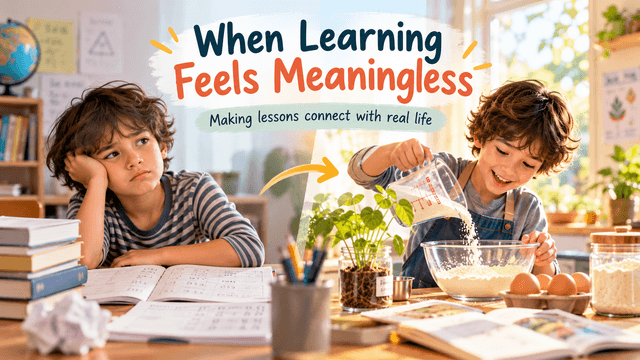
Children often find abstract concepts difficult because they cannot see how those ideas relate to their lives.
Practical learning helps bridge this gap.
For example, fractions may seem confusing when presented only as numbers. However, dividing a pizza into equal portions or measuring ingredients while cooking can make the concept clearer.
When children recognise how classroom knowledge applies to familiar situations, they have more opportunities to understand its purpose.
2. Encouraging Curiosity and Independent Thinking
Hands-on activities encourage children to ask questions rather than simply accept information.
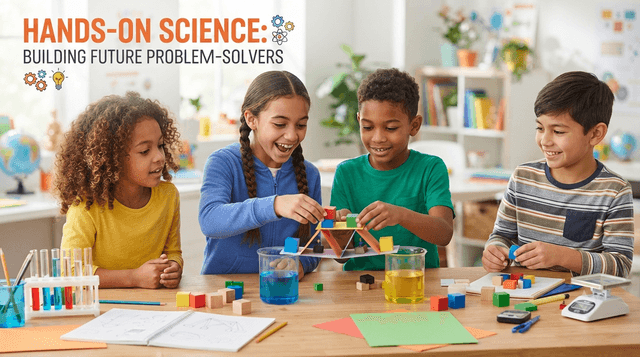
Imagine students building a small bridge using paper. They might discover that a flat sheet bends easily, while folded paper can support more weight.
Instead of receiving an explanation immediately, children can test different designs and discuss why some work better.
These experiences encourage observation, comparison, and problem-solving.
Making mistakes also becomes part of the learning process. When an experiment produces an unexpected result, children can examine what happened and try another approach.
3. Helping Children Explain Ideas in Their Own Words
A useful sign of understanding is whether children can explain what they have learned without repeating textbook sentences.
After completing an activity, teachers might ask students to describe their observations, explain the reasons, or connect the results with another concept.
Such discussions encourage children to examine their thinking.
The Education Endowment Foundation highlights the importance of helping students plan, monitor, and evaluate their learning.
However, practical activities are not automatically effective. Children also need guidance and opportunities to reflect on what an activity teaches them.
How Parents Can Encourage Hands-On Learning at Home
Parents do not need expensive educational kits or complicated experiments to make learning more practical.
Simple household activities can create meaningful learning opportunities.
Turn shopping into a mathematics lesson: Give your child a small budget and ask them to calculate the cost of household items. Older children can compare discounts, estimate expenses, and calculate change.
Explore science through gardening: Encourage children to plant seeds and observe their growth. They can record changes, compare sunlight conditions, and discuss why plants need water and nutrients.
Develop problem-solving through simple projects: Ask children to build a small structure using cardboard, paper, or recycled materials. Encourage them to test its strength and improve the design.
The most important part comes after the activity.
Instead of asking only whether your child enjoyed it, try questions such as:
- What did you notice?
- Why do you think that happened?
- What would you do differently next time?
These conversations help children move beyond completing tasks towards understanding their meaning.
Parents should also remember that children learn differently. Some may require demonstrations or extra guidance before they feel comfortable experimenting independently.
Why Teaching Methods Matter When Choosing a School
When comparing schools, parents often examine examination results, infrastructure, and extracurricular opportunities. However, the way teachers explain concepts deserves equal attention.
A useful question is whether children get opportunities to investigate ideas, discuss observations, and apply lessons outside textbooks.

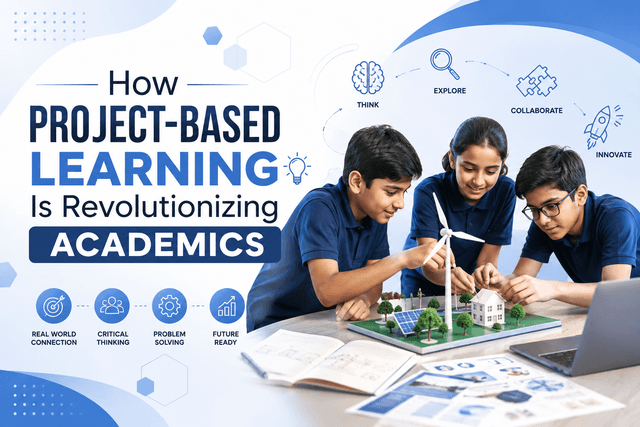
Ashok Hall Girls' Residential School (AHGRS), Almora, describes experiential learning, group discussions, and project-based learning as part of its educational approach. Its official academic information also highlights STREAM education, combining Science, Technology, Reading, Engineering, Arts, and Mathematics.
For parents researching the Best boarding school in India or comparing options described as a Top boarding school in india, these teaching approaches are worth examining alongside academic performance and student support.
Parents can ask schools how practical activities connect with lessons and how teachers assess students' conceptual understanding.
Conclusion
Learning becomes more meaningful when children can use what they know, rather than simply repeat what they remember.
Hands-on experiences provide opportunities to explore concepts, ask questions, make mistakes, and discover connections between lessons and everyday life.
Memorisation remains useful, but practical understanding helps children apply their knowledge in unfamiliar situations.
For parents, a valuable question is not just, "What did my child learn today?" but also, "Can my child explain how it works?"
For more information on this and similar schools, check out this list of the best boarding schools in India.







 as a preferred source on