




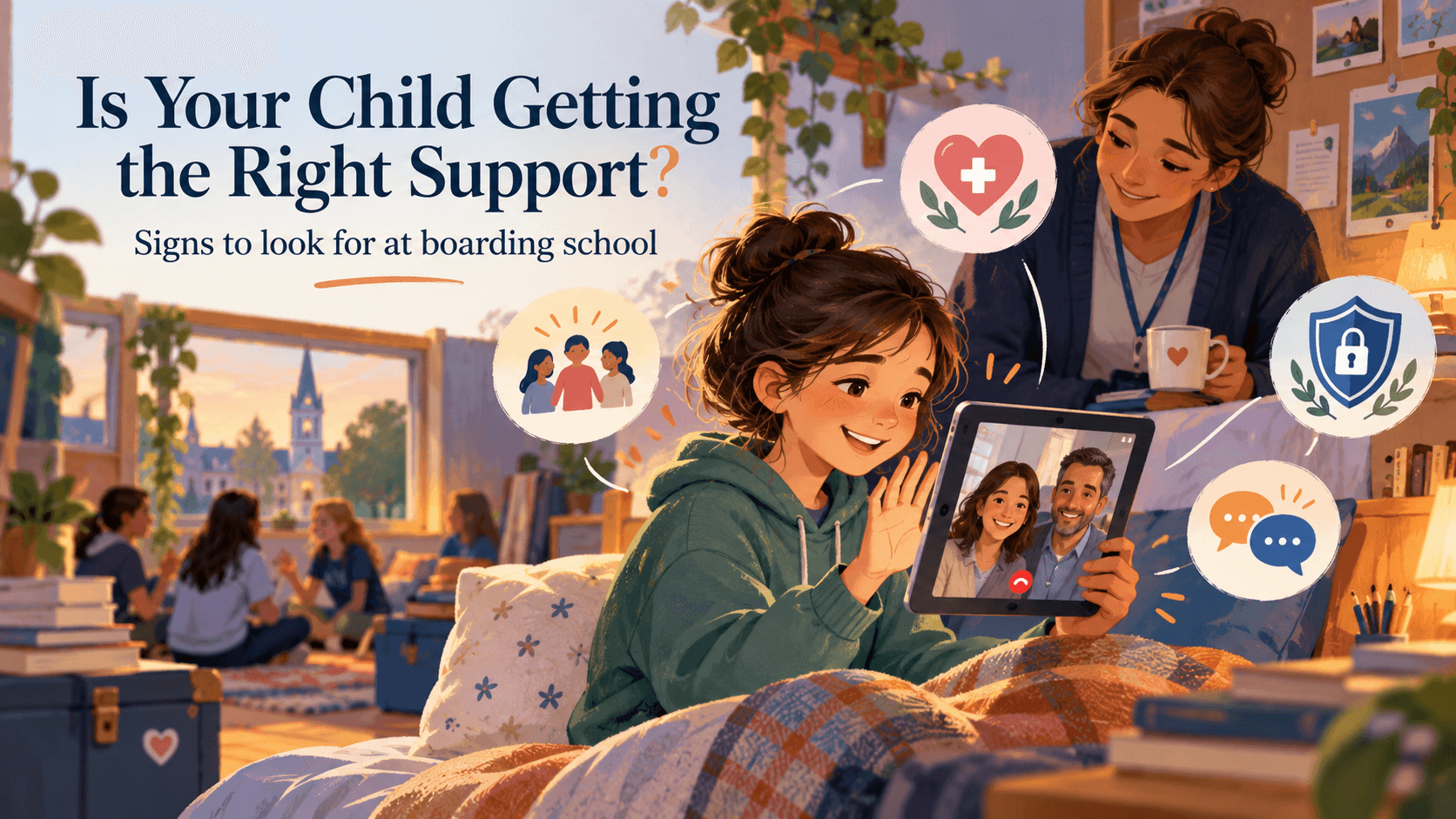

Your child calls from boarding school and says, "Everything is fine." But as a parent, you may still wonder whether they are happy, eating properly, making friends, or getting help when they need it.
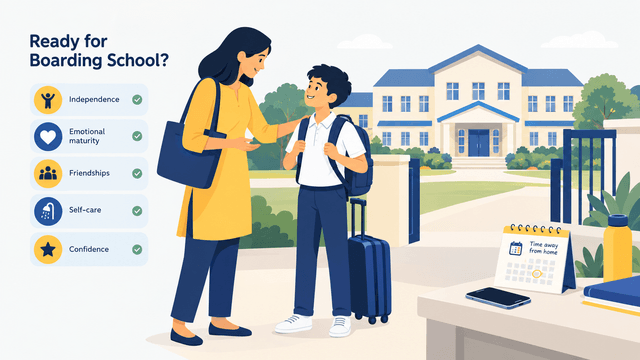
These concerns are common when children live away from home. Even parents searching for a top boarding school in India, such as Sehwag International School (SIS), Jhajjar, need to look beyond academic results and facilities.
So, how can you tell if your child is receiving the right care and attention? There are some simple signs every parent should know.
Why Is the Right Support Important in Boarding School?
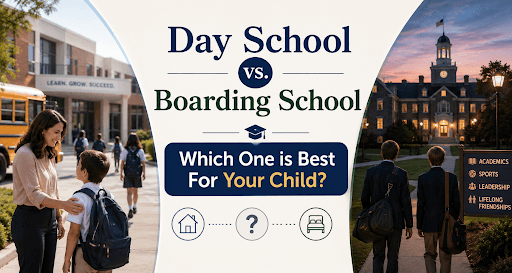
Boarding school is different from a regular day school because children spend most of their time away from their families.
They attend classes, study, play, eat, and sleep on campus. During this time, they may face problems such as homesickness, difficulty making friends, or pressure from studies.
Having teachers and other adults who listen and offer help can make these situations easier.
For example, a child struggling with mathematics should feel comfortable asking a teacher for help. Similarly, a child missing home should have someone they can talk to without feeling embarrassed.
This is why parents should pay attention to both their child's academic progress and emotional well-being.
5 Signs Your Child Is Getting the Right Support at Boarding School
1. Your Child Has Someone They Can Talk To
Children sometimes feel sad, worried, or confused. At boarding school, they should know which adult they can approach.
It could be a teacher, housemaster, housemistress, or another trusted staff member.
Ask your child, "If something bothers you at school, who do you talk to?"
If they can name someone they trust and feel comfortable approaching, that is a positive sign.
2. Teachers Pay Attention to Academic Problems
Not every child learns at the same speed. Some may need extra help with certain subjects or homework.
A supportive school should notice when students are struggling and guide them before they fall too far behind.
For example, if your child's mathematics marks suddenly drop, teachers should try to understand the reason.
Parents can also ask whether their child participates in class, completes assignments, and feels comfortable asking questions.
3. Your Child Is Making Friends and Feeling Included
Friendships are an important part of boarding school life.
Children spend time with classmates during meals, sports, study hours, and other activities.
Ask your child who they usually sit with during lunch or what they enjoy doing with friends after classes.
A child does not need a large group of friends. Even one or two good friendships can help them feel comfortable.
However, if your child often feels left out or talks about being alone, discuss it with the boarding staff.
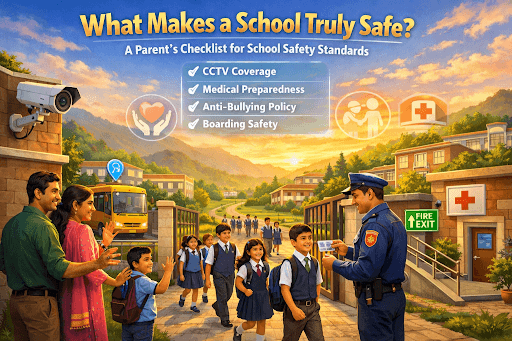
4. The School Takes Health and Safety Seriously
Parents should know what happens when their child becomes sick or gets injured.
Ask whether medical help is available, how emergencies are handled, and when parents are informed.
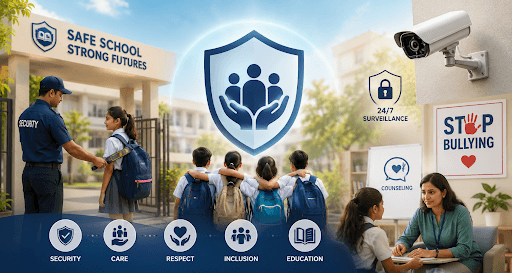
Safety also includes protecting children from bullying and mistreatment.
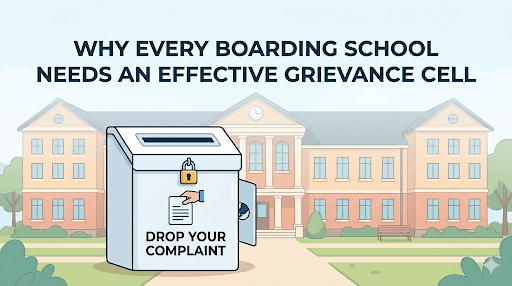
Your child should know how to report such problems and feel confident that adults will listen.
5. Parents Receive Regular Updates
Good communication between parents and school staff helps everyone understand how a child is doing.
Updates should not be limited to examination marks.
Parents should also know about changes in behaviour, friendships, health, and adjustment to boarding life.
For example, if a child has been unusually quiet or withdrawn, it helps when staff discuss the concern with parents early.
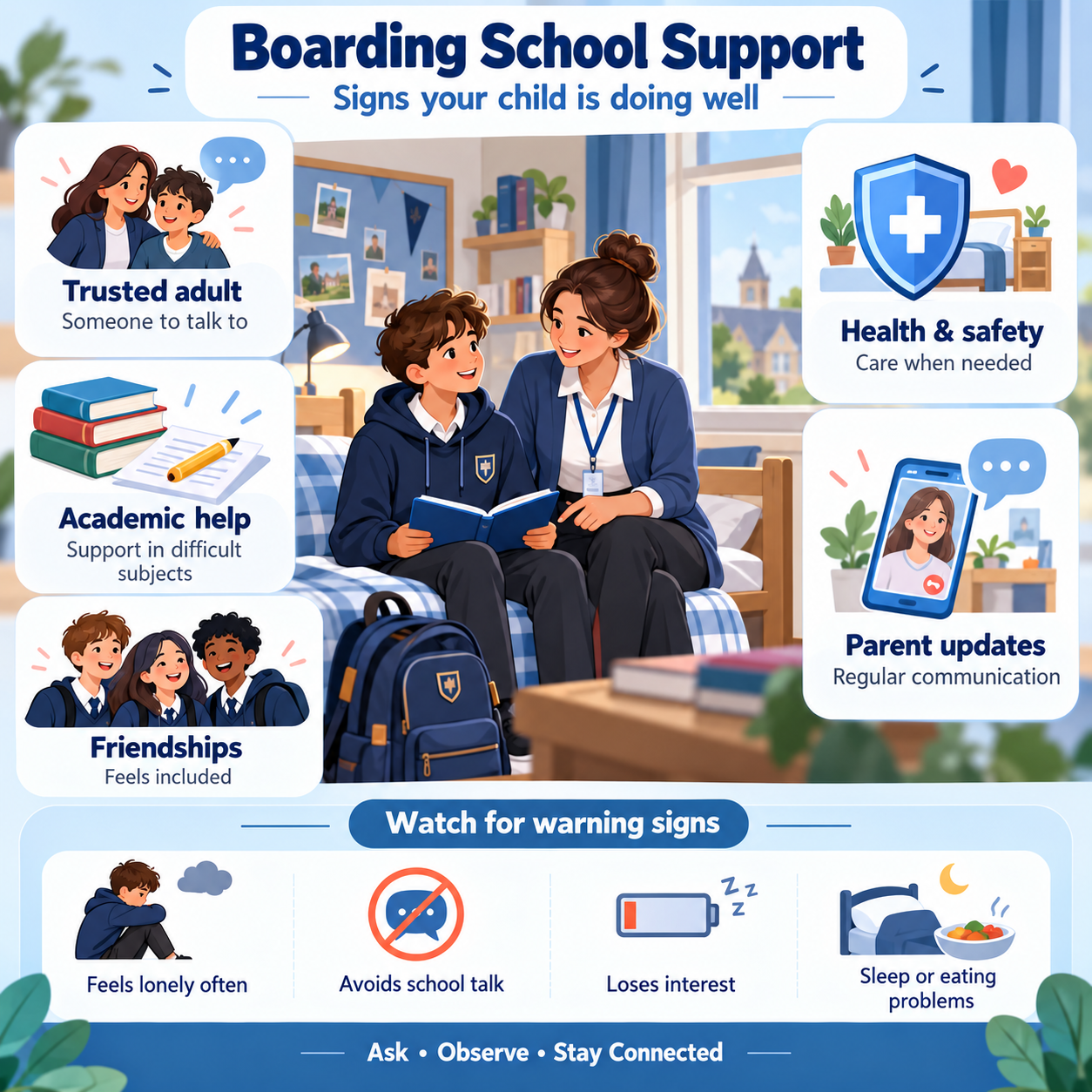
Warning Signs That Your Child May Need More Help
Children can take time to settle into boarding school, especially during their first few weeks.
Missing home occasionally does not always mean something is wrong. However, certain changes need attention.
Look out for signs such as:
- Frequently feeling lonely, frightened, or unsafe.
- Avoiding conversations about school.
- Losing interest in studies, sports, or favourite activities.
- Having ongoing sleeping or eating problems.
- Complaining repeatedly about bullying or unfair treatment.
If you notice these changes, talk to your child calmly. Avoid dismissing their feelings or immediately assuming the worst.
Contact the relevant school staff, explain your concerns, and ask what support can be arranged.
If your child reports abuse, threats, or immediate danger, take action without delay.
Questions Parents Should Ask Before Choosing a Boarding School
When choosing the best boarding school in India for your child, don't focus only on results, sports facilities, and infrastructure.
You should also ask:
- Who looks after children when they feel homesick?
- How do teachers help students who struggle academically?
- What happens when a child becomes ill?
- How does the school handle bullying complaints?
- How often can parents communicate with boarding staff?
- Who should parents contact if they have a serious concern?
These questions can help you understand how the school handles everyday problems.
How Sehwag International School Supports Student Care
At Sehwag International School (SIS), Jhajjar, staff development is one way the school works on communication and student support. In July 2026, the school organised an in-house training session for its teaching, sports, and pastoral teams.

Trainers from Lovely Professional University covered communication, empathy, teamwork, problem-solving, and ways to interact with students and parents. Through discussions, activities, and role-playing, staff members explored how to handle different situations. Such training is relevant to boarding life, where children often depend on teachers and residential staff for everyday guidance.
Conclusion
Choosing a boarding school involves more than checking academic results and facilities. Parents also need to understand whether their children feel safe, comfortable, and supported.
Pay attention to what your child shares, stay in contact with school staff, and ask questions whenever something concerns you.
The right boarding environment should give children the confidence to ask for help, make friends, and manage everyday challenges while living away from home.
For more information on this and similar schools, check out this list of the best boarding schools in India.








 as a preferred source on