







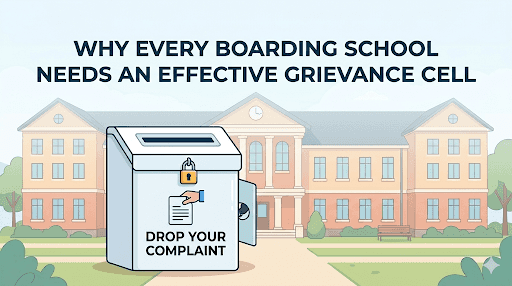

Take the case of a class 9 student in a residential school, unhappy with his dormitory roommate. A small issue on the surface, but one that is quietly affecting his sleep, mood, and ability to focus in class. This is just one of the hundred little things that come up when students live, eat, study, and grow up together. A misunderstanding with a teacher, a scheduling clash, a student who is simply having a hard week, boarding school life is full of moments that need timely attention, not a waiting list.
That is why boarding schools in Bangalore like Sri Devaraj Urs International Residential School have put a proper grievance system in place so that every student knows there is someone to turn to and nothing gets swept under the rug. This article will highlight the need for a proper redressal system in residential schools. Let’s begin!
Why Boarding Schools Need a Proper Grievance System
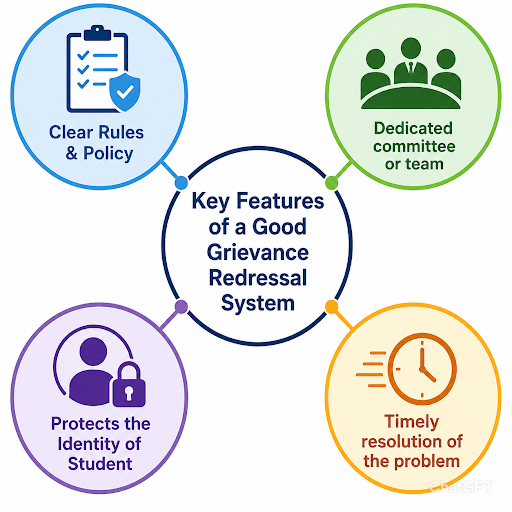
No Parent to Turn to After a Bad Day
At home, a child comes back and tells their parents about their bad day. In a boarding school, the students are on their own. Sure, they have their friends and teachers around, but what if the problem is one of them? Without a formal resolution system in place, that student has nowhere to go.
Shared Spaces Mean Constant Conflicts
In boarding, students don’t just study together; they share rooms, bathrooms, dining tables, and common areas. A small personality clash between two roommates, if left unaddressed early, can make the dormitory unbearable for both. That’s where a grievances system steps in before a small clash becomes a bigger problem.
Unresolved Issues Show Up in Academics
A student distracted by a personal conflict or an unaddressed complaint rarely performs to their full potential. Their grades dip, their participation drops, and nobody connected the dots until it is too late. A good problem-solving mechanism catches the problem before it impacts the students' academic results and hampers their focus.
Maintains a Healthy School Environment
A boarding school is only as good as the environment it creates within its walls. When students know that their concerns are taken seriously, there is less resentment, less bottled-up frustration, and fewer conflicts. A student who feels fairly treated is more likely to respect the school’s rules and can better focus on learning.
An Effective Grievances System at Sri Devaraj Urs International Residential School
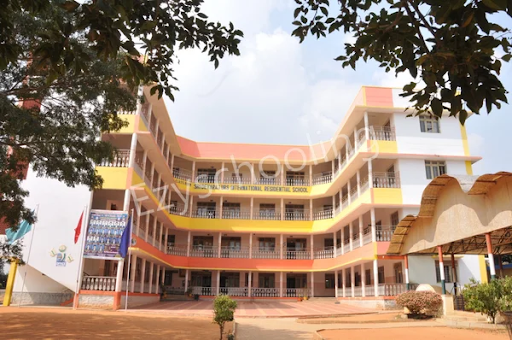
Boarding schools in Doddaballapura are going out of their way to ensure every student living on campus has a proper system where their problems are not just heard, but genuinely addressed. To make students' lives easier, Sri Devaraj Urs International Residential School has set up a dedicated Grievance Cell.
The Grievance Cell exists to make sure no student's concern is brushed aside. Its primary role is to look into complaints raised by students and carefully judge whether the concern is valid. Beyond usual complaints, the cell is also fully empowered to deal with matters of harassment, assuring students that serious concerns will be addressed with utmost priority and responsibility.
How Students Raise Their Complaints:
- The students can directly reach out to any Grievance Cell member or the officer in charge and tell them about their issues in person without any formal procedure.
- If a student feels uncomfortable appearing in person, then grievances can be written down and dropped into the letterbox to maintain anonymity.
- Students can also send their complaints directly to the officer in charge through email.
What Happens After:
- The cell will only act on cases submitted along with the necessary supporting documents.
- Once a complaint is taken up, the cell ensures it is properly resolved within a stipulated time frame.
This is a sign of a responsible and accountable residential school, where students don’t have to run here and there just to lodge a complaint. If any matter comes up, the school’s grievance cell should be able to resolve it quickly and easily without compromising the campus peace.
Final Note
A boarding school becomes a second home for students. And like any home, it works best when problems can be talked about openly and sorted out fairly. Students in residential schools might come across problems like personal conflicts, academic pressure, and moments where something doesn’t feel right. Having a proper grievance cell means they don’t have to sit with those problems alone. It builds trust, keeps communication open, and goes a long way in making campus life feel safe and supportive for everyone.
For more information about this and other boarding schools, Check out the list of















 as a preferred source on