







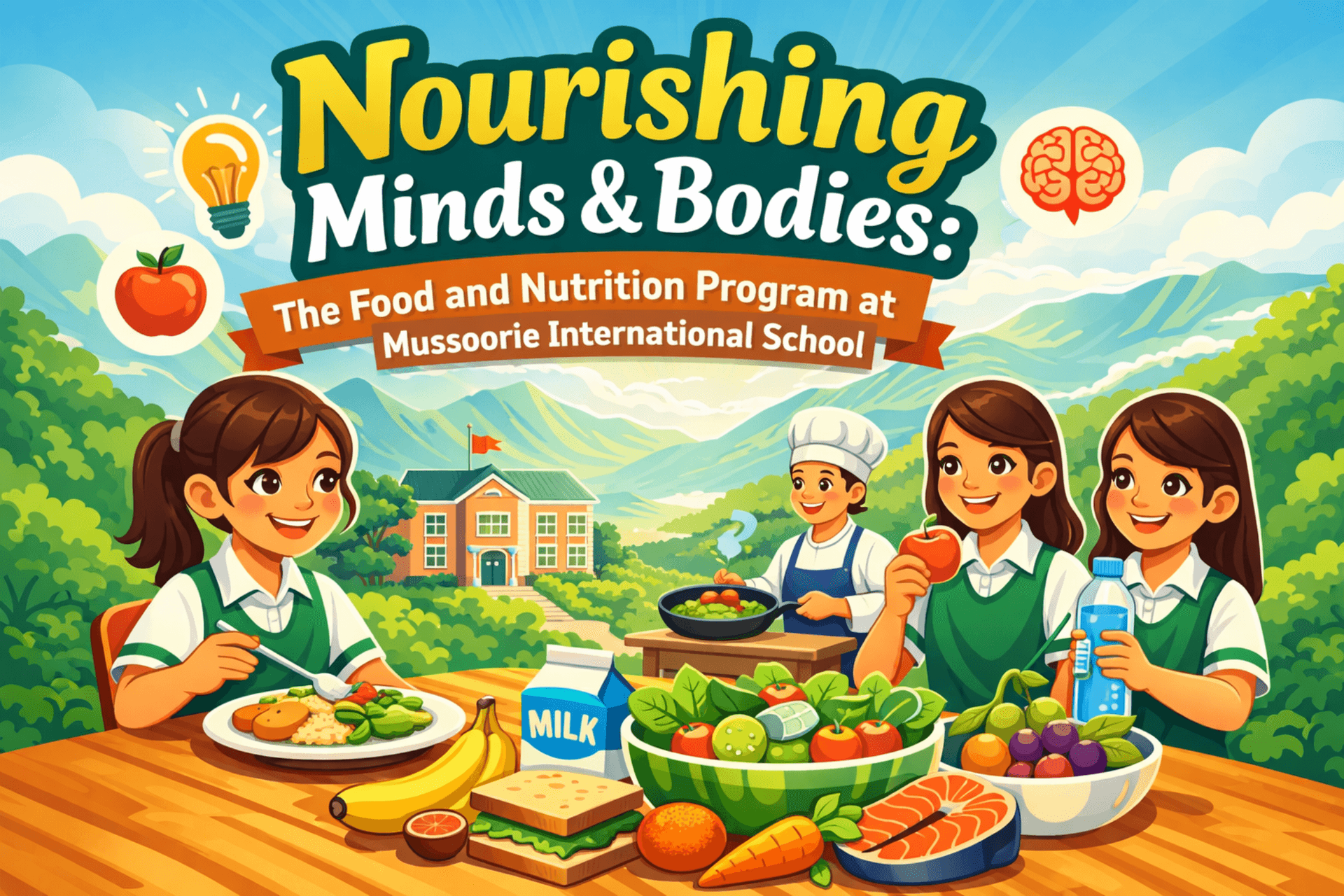

Have you ever packed a meal for your child and wondered, “Will they eat properly when I’m not around?” In residential schools, this is not a small concern for parents. Food is not just about nutrition; it is about comfort, routine, and care.
When children live away from home, their meals become a big part of their daily life. The food they eat affects how energetic they feel in class, how well they focus, and even how they grow over time. A good meal can make a child feel settled and ready for the day, while a poor diet can affect both mood and concentration.
This is why nutrition in residential schools needs to be carefully planned. It is not only about serving food, but about ensuring balance, hygiene, and consistency. Schools that take this responsibility seriously create an environment where students can stay healthy and perform their best.
Understanding this makes it easier to see why structured food programs matter so much. It also highlights how schools like Mussoorie International School, one of the best boarding schools in India, focus on providing nutritious, hygienic, and well-balanced meals that support both health and learning.
Why Nutrition Matters in School Life
Nutrition is not just about keeping children full. It directly affects how they grow, think, behave, and perform every day. In a residential setup, where students live away from home, food becomes one of the most important factors that shape their routine and well-being.
Physical Health, Immunity, and Growth
During school years, the body is still developing rapidly. Students need the right nutrients to support bone strength, muscle development, and overall stamina. A well-balanced diet also improves immunity, which means students fall sick less often and miss fewer classes.
In residential schools, this becomes even more important. Regular, nutritious meals ensure that students stay physically active and do not feel drained during long school days filled with classes and activities.
Focus, Energy, and Emotional Balance
What students eat has a direct impact on how they feel. Meals that include proteins, whole grains, and essential vitamins provide steady energy instead of sudden highs and crashes. This helps students stay alert in class and avoid mid-day fatigue.
Research shows that balanced nutrition also supports emotional stability. Students who eat regularly and properly tend to feel calmer and more settled, which is especially important when they are living away from home.
Academic Performance and Cognitive Ability
Nutrition plays a strong role in how students learn. When the brain receives the right nutrients, students can concentrate better, process information faster, and remember concepts more clearly.
For example, students who have a proper breakfast are more likely to stay attentive in morning classes. Over time, this leads to better understanding, fewer learning gaps, and improved academic performance.
Routine, Discipline, and Social Behaviour
In residential schools, meal times are not just about eating. They are part of a daily routine that builds discipline. Students learn to follow fixed schedules, maintain table manners, and respect shared spaces.
Dining together also builds social skills. Students interact with peers, learn patience, and become more open to trying different foods. This creates a sense of community and comfort, which helps them adjust better to campus life.
Building Lifelong Food Habits
One of the most lasting impacts of a good nutrition program is habit formation. When students consistently eat balanced meals, they begin to understand what their bodies need. They learn to choose healthier options instead of relying on unhealthy food habits.
These habits stay with them even after they leave school. In the long run, this reduces the risk of lifestyle-related health issues and supports a healthier adulthood.
What Makes a Balanced School Nutrition Program
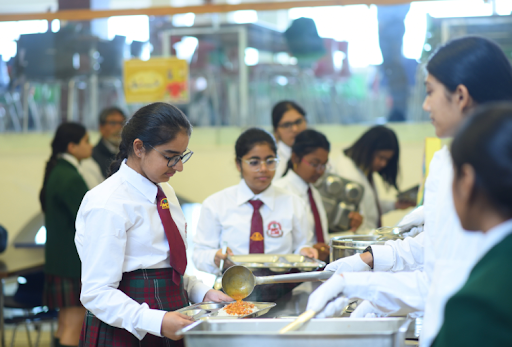
A strong food program is not just about variety. It focuses on balance, quality, and consistency. Students need meals that are both nutritious and appealing.
A well-planned nutrition program includes:
- Balanced meal composition
Meals include the right mix of carbohydrates, proteins, and healthy fats. This ensures sustained energy throughout the day. - Fresh and seasonal ingredients
Fresh fruits, vegetables, and whole foods improve nutritional value. Seasonal produce also adds variety and taste. - Proper hygiene standards
Clean kitchens, safe food handling, and regular monitoring ensure that meals are safe and healthy. - Portion control and meal timing
Regular meal schedules and proper portion sizes support digestion and maintain energy levels.
When all these elements work together, students receive complete nutritional support.
The Impact of Healthy Eating on Student Development
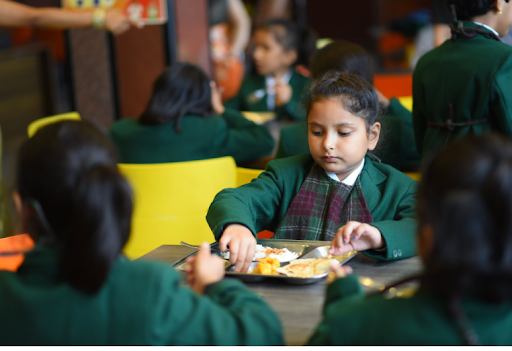
Food is not just about staying healthy. It also affects how students think, feel, and learn every day. When students eat balanced meals, they can focus better in class. They listen carefully, take part in activities, and understand lessons more clearly. Studies also show that students who skip meals, especially breakfast, may find it harder to concentrate and remember things.
Food also affects mood. Students who eat properly feel more energetic and less tired. They stay calm and positive, which helps them adjust better, especially in a residential school. Research shows that healthy eating can improve mood and reduce stress in students.
Eating habits also help students learn discipline. Fixed meal times create a daily routine. Students learn to follow schedules and respect food. These small habits make them more responsible.
Over time, these habits stay with them. Students who learn to eat healthy at a young age are more likely to make better choices in the future.
Helping Students Develop Healthy Eating Habits
Schools play an important role in shaping eating habits, especially during the years when children grow into teenagers. At this stage, students often start making their own food choices. They may prefer junk food, skip meals, or eat irregularly. Without guidance, these habits can become long-term problems.
A structured nutrition plan helps bring balance. When students follow fixed meal times every day, eating becomes part of their routine. They learn that food is not just about taste, but also about health and energy. Over time, this reduces unhealthy habits like skipping meals or eating too much junk food.
Students also begin to understand why certain foods are good for them. For example, they learn that fruits and vegetables support growth, while too much processed food can affect health. This awareness helps them make better choices even when they are outside school.
Exposure to different types of food also plays an important role. When students regularly try a variety of meals, they become more open to new tastes. They also learn about different food cultures, which builds acceptance and curiosity.
At the same time, students learn to take responsibility for their own habits. They understand when to eat, how much to eat, and what to choose. This balance between school guidance and personal responsibility helps them build lasting habits.
These habits do not stay limited to school life. Students carry them into adulthood, leading to healthier lifestyles and fewer health problems in the future.
Check Out | Village Life Teaches More at Mussoorie International School
Mussoorie International School: A Structured Approach to Nutrition
Mussoorie International School is one of the most recognized all-girls residential schools in India. understands that nutrition is essential for student well-being. As a residential school, it ensures that meals are carefully planned and consistently monitored.

When your child lives away from home, it’s natural to think about the small things - Are they eating on time? Are they eating well? Are they getting the same care they would get at home? At Mussoorie International School, this concern is taken seriously, and it reflects in the way meals are planned and served every day.
The school follows a well-balanced meal plan designed for growing children. Each meal includes the right mix of nutrients so that students stay active in class and maintain good health. Fresh ingredients are used to ensure quality, and meals are prepared in a way that students enjoy eating them, not just being served them.
Hygiene is not just maintained; it is consistently monitored. Food is prepared in clean conditions, and safety standards are followed at every step. At the same time, the dining routine brings a sense of structure. Students eat at fixed times, sit together, and develop habits that feel close to home.
The school also understands that children may not always express their needs clearly. That is why variety in meals is carefully planned, so students stay interested in their food and do not skip meals.
At Mussoorie International School, nutrition is not just about food. It is about ensuring that, even when children are away from home, they are cared for in a way that supports both their health and comfort.
Conclusion
A well-planned food and nutrition program plays a key role in student health, growth, and academic performance. Balanced meals improve concentration, support physical development, and build lifelong healthy habits. Hygiene, variety, and structured dining further strengthen the overall experience.
Mussoorie International School ensures that students receive nutritious, safe, and well-balanced meals every day. Its focus on quality and discipline creates a supportive environment for both physical and mental well-being. Parents looking for a residential school that prioritizes student health and nutrition can consider MIS as a place where care and nourishment go hand in hand.
To learn more about this and other similar boarding schools, check out this list of the top boarding schools in India.











 as a preferred source on