




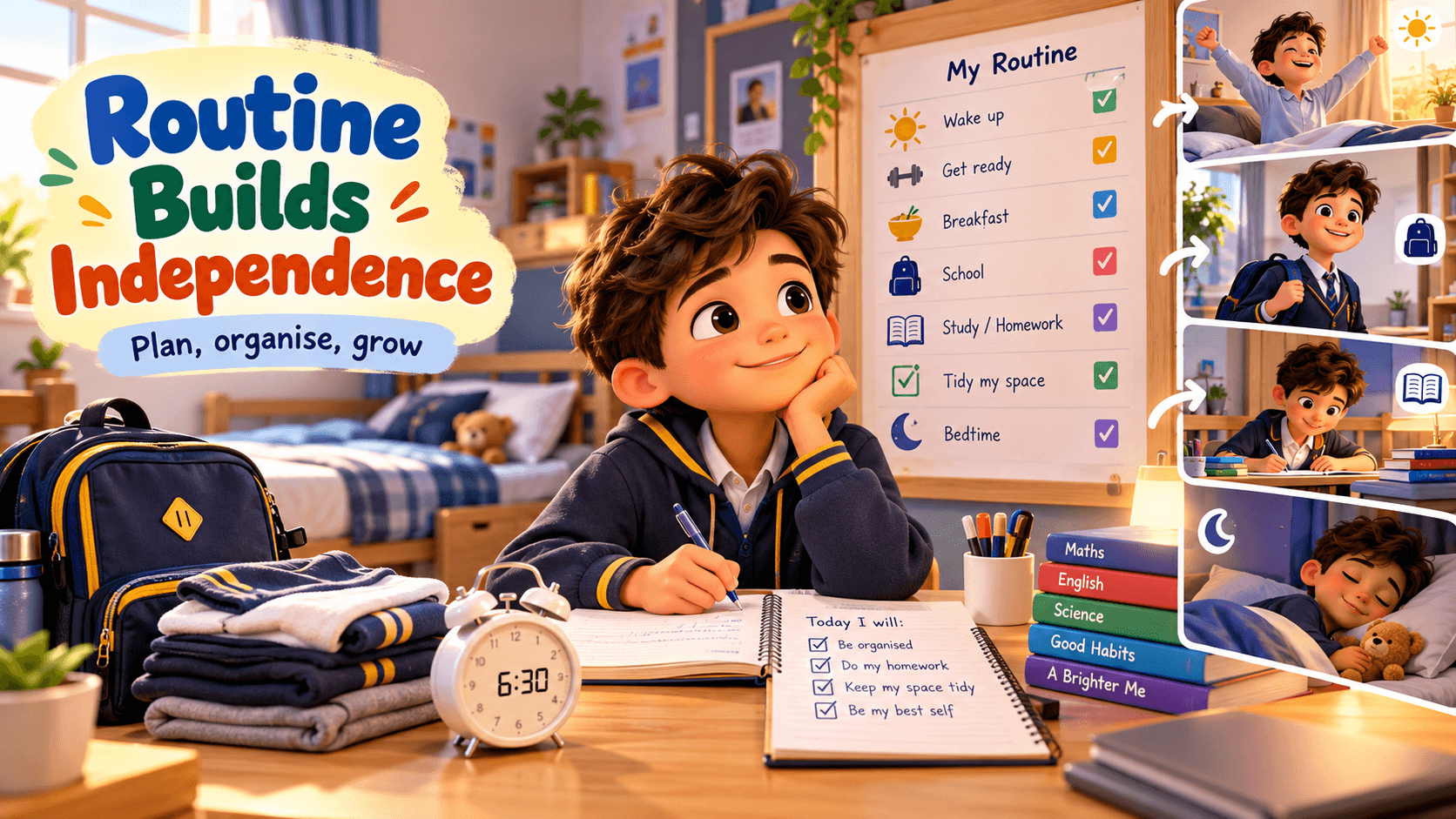

Your child needs three reminders to wake up, another to pack their schoolbag, and constant encouragement to finish homework. You wonder whether they will ever learn to manage these responsibilities without your help.
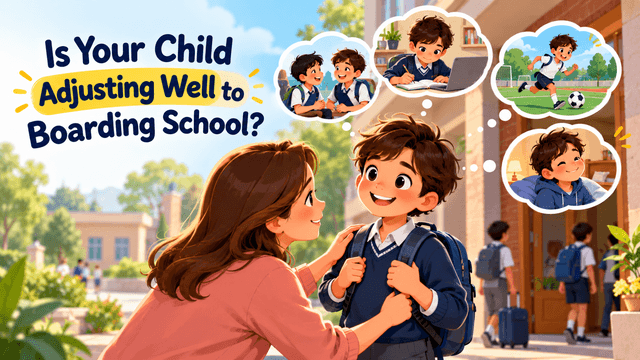
This concern often arises when parents consider boarding education.
For families exploring a Top Boarding School in India, including Doon International School (DIS), Dehradun, understanding how residential routines influence children's independence is an important consideration.
A structured routine may help children become more responsible. However, independence requires more than following a timetable.
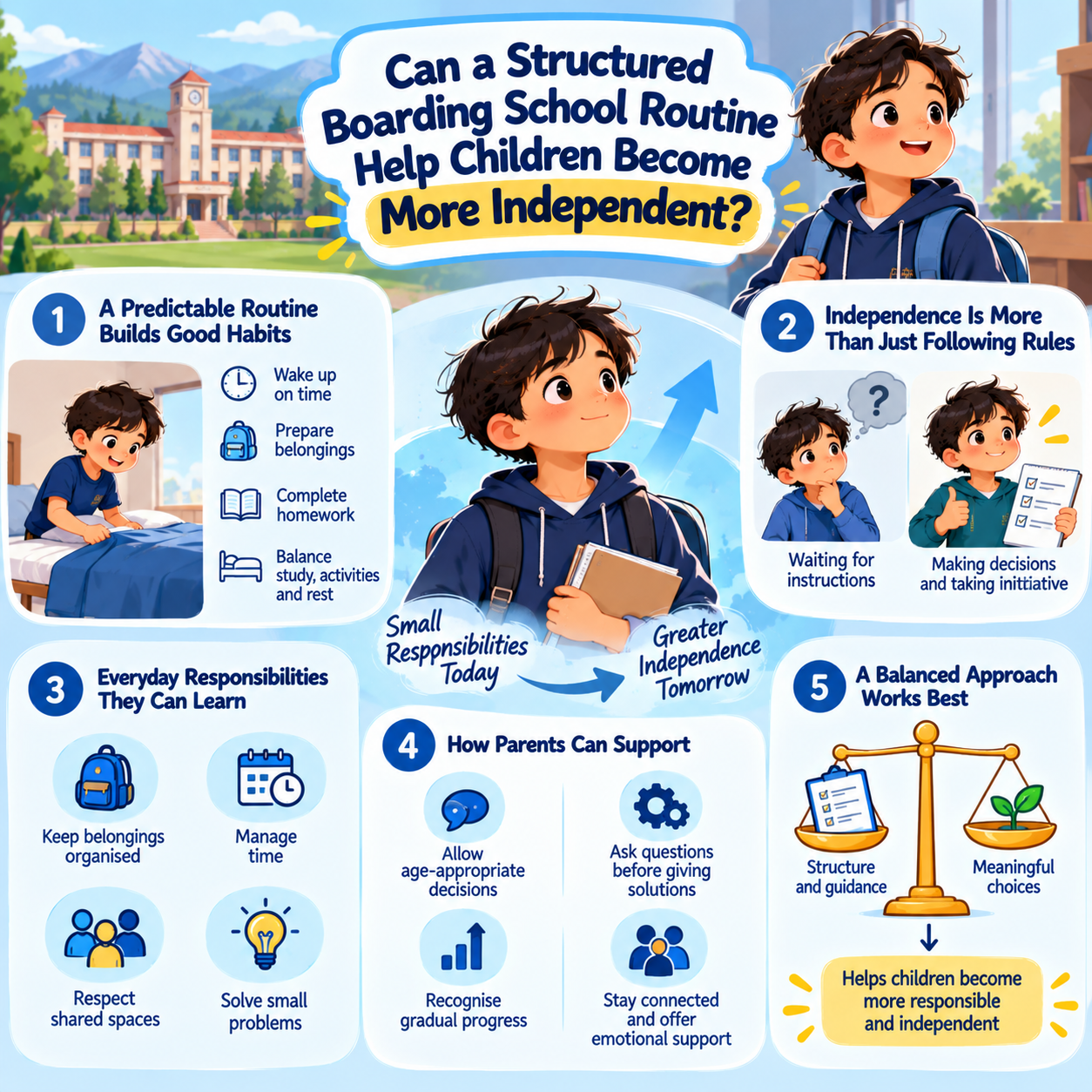
How Can a Predictable Daily Routine Help Children Manage Responsibilities?
At home, children often depend on parents to organise their day. Someone reminds them when to study, prepare their belongings, or get ready for bed.
A predictable routine can provide opportunities to practise these responsibilities more consistently.
For example, imagine a child who regularly forgets their schoolbooks. When preparing for the next day becomes part of their evening routine, they have repeated opportunities to check their timetable and organise their belongings.
Gradually, the child may begin remembering these tasks without reminders.
Regular routines can also help children understand how different activities fit into their day. They learn that completing responsibilities leaves time for recreation and rest.
However, consistency alone does not guarantee independence. Children need to understand why responsibilities matter and gradually learn to manage them.
The goal is to help children develop habits they can eventually maintain without constant supervision.
Is Following Rules the Same as Becoming Independent?
A child who follows every instruction may appear disciplined. But does that necessarily mean they can make decisions independently?
Consider two students completing their homework.
The first begins only when a supervisor instructs them. The second checks their assignments, decides which task needs attention first, and asks for help when something becomes difficult.
Both students may complete their work, but the second demonstrates greater responsibility for the learning process.
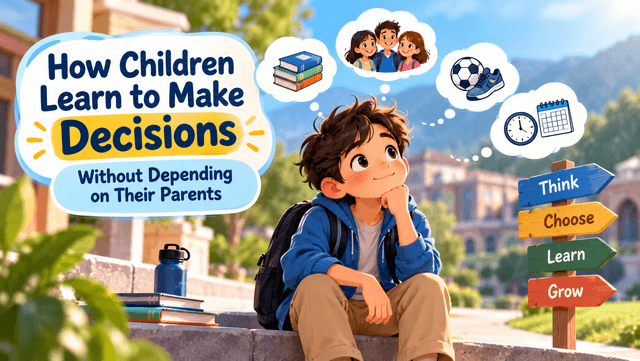
This difference matters because independence involves making decisions, recognising problems, and taking appropriate action.
Research on autonomy-supportive teaching suggests that children benefit when adults provide clear expectations while allowing meaningful choices.
For example, a student might be expected to complete homework during a designated period but have some freedom to decide which subject to begin with.
This creates an opportunity to practise planning.
Independence also includes recognising when assistance is necessary. Asking a teacher or trusted adult for guidance is responsible behaviour, not a sign of weakness.
What Everyday Responsibilities Can Children Learn to Handle?
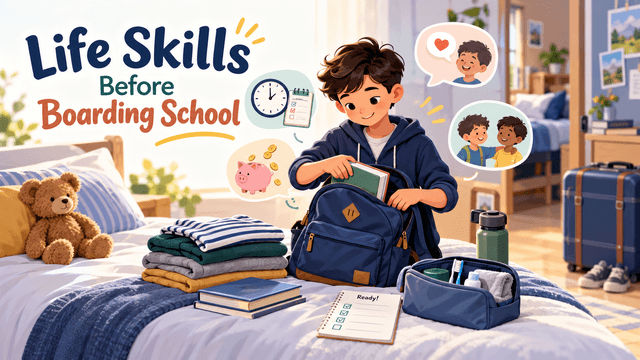
Boarding life can introduce opportunities to practise everyday responsibilities that children may previously have relied on adults to manage.
These responsibilities can include:
- Personal organisation: Keeping belongings in order and preparing materials for the next school day.
- Time management: Balancing academic tasks, rest, and recreation.
- Shared responsibility: Respecting common spaces and considering the needs of others.
- Problem-solving: Deciding how to handle small difficulties before immediately seeking solutions from someone else.
- Communication: Explaining concerns clearly and requesting appropriate help.
Imagine a student who has unfinished homework but also wants to participate in an evening activity.
Rather than waiting for someone else to decide, the child can learn to estimate how long the assignment will take and organise their available time.
Not every decision will be perfect. Sometimes children underestimate the time required or forget something important.
These moments can become learning opportunities when adults help them reflect and plan differently next time.
The Education Endowment Foundation identifies planning, monitoring, and evaluating one's learning as important parts of developing independent learners.
How Can Parents Support Independence Without Leaving Children Alone?
Sending a child to boarding school does not mean parents should withdraw from their daily concerns.
Children still need emotional reassurance, guidance, and opportunities to discuss difficulties.
Parents can encourage independence in several practical ways.
Allow age-appropriate decisions. Let children manage small responsibilities, such as organising their study materials or planning how to complete assignments.
Ask questions before offering solutions. Instead of immediately solving a problem, ask, "What have you tried so far?"
Recognise gradual progress. A child remembering their belongings more consistently deserves encouragement, even if occasional reminders remain necessary.
Maintain open communication. Encourage children to discuss friendships, academic pressure, and difficulties adjusting to residential life.
Take distress seriously. Persistent anxiety, loneliness, or significant changes in behaviour deserve attention from parents and appropriate school staff.
Independence develops differently for every child. Some become comfortable managing daily tasks quickly, while others require additional guidance.
Support and independence are not opposites. Children can gradually become more self-reliant while knowing that trusted adults remain available when needed.
Understanding Independence at Doon International School, Dehradun
For parents comparing the Best Boarding School in India options, understanding how residential education balances structure with personal responsibility can be important. Doon International School (DIS), Dehradun, is among the schools families may consider when exploring boarding education. Parents can ask how children are encouraged to manage everyday responsibilities, make age-appropriate decisions, and seek guidance when necessary. Considering these questions can help families evaluate whether a boarding environment offers opportunities for children to develop independence while receiving appropriate support.

Conclusion
A structured boarding-school routine can create opportunities for children to practise responsibility, organisation, and time management. However, following instructions should not be confused with genuine independence.
Children also need meaningful choices, opportunities to learn from mistakes, and supportive adults who guide them without managing every decision.
The important question is not simply whether a school follows a timetable, but whether children gradually learn to take responsibility for their own actions.
For more information on this and similar schools, check out this list of the best boarding schools in India.



 as a preferred source on