




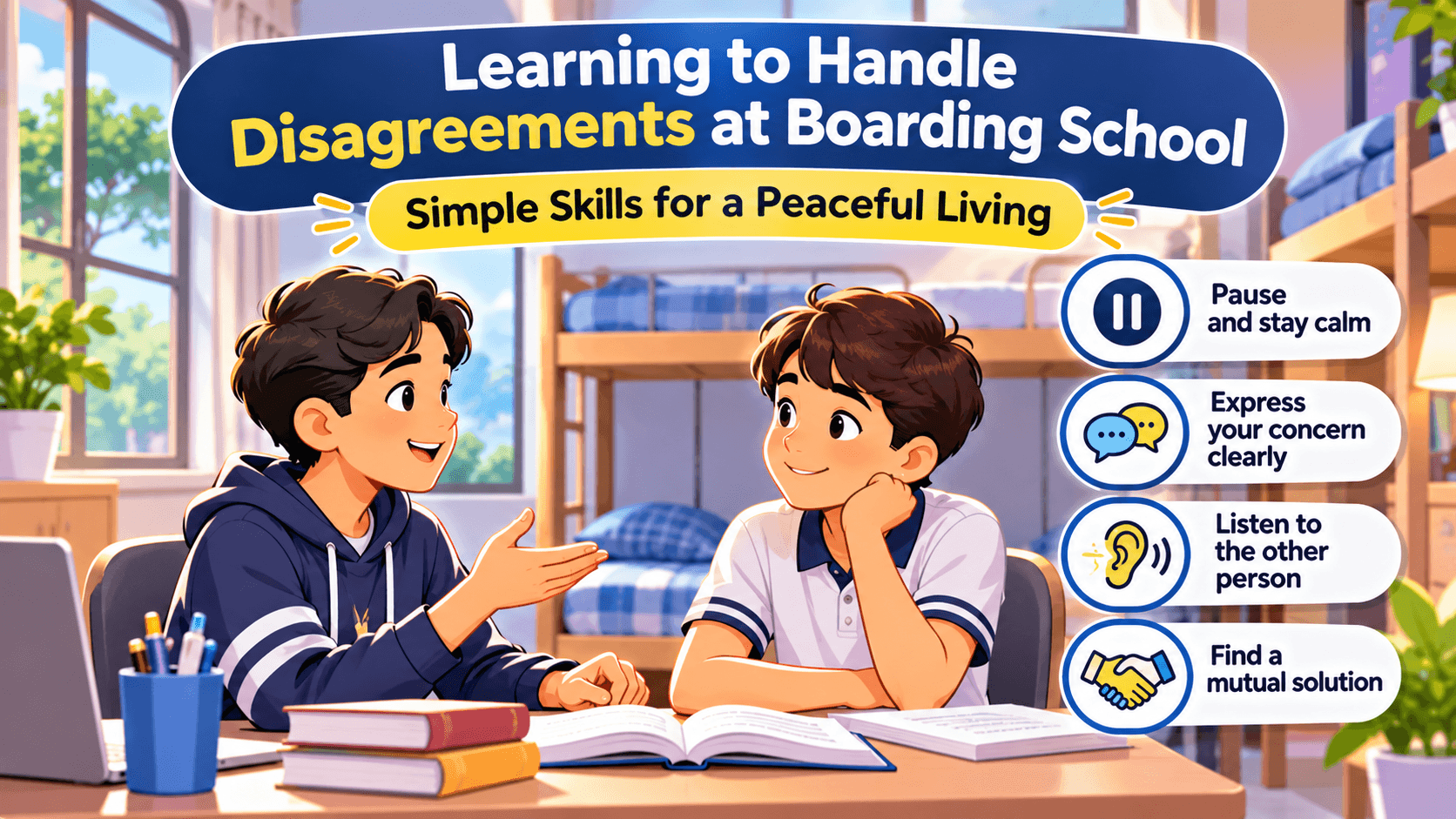

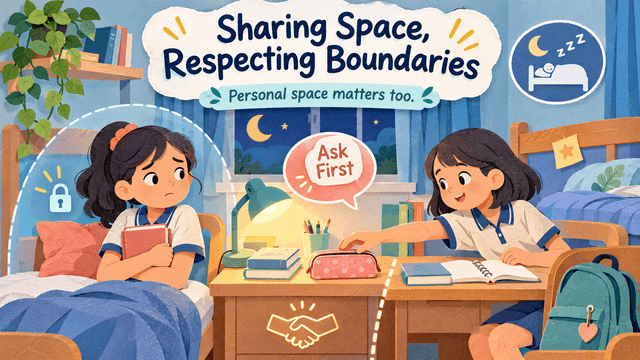
Your child calls from boarding school, upset because their roommate keeps borrowing their belongings without asking. They want to say something but worry it might lead to an argument or damage their friendship.
Such situations can be difficult for children who are still learning to express their feelings and understand others.
For parents exploring Top Boarding schools in India, including JAIN International Residential School (JIRS), Bangalore, learning how children manage disagreements is an important part of preparing them for residential life.
Disagreements are normal. What matters is whether children know how to handle them respectfully.
Why Do Small Disagreements Become Bigger When Children Live Together?
At home, children usually have familiar routines and personal spaces. When living with others, they must adjust to different habits, preferences, and expectations.
One child may prefer studying in silence, while another enjoys discussing lessons aloud. Someone might want the lights turned off early, while their roommate wants to read longer.
Neither child necessarily has bad intentions. They simply have different needs.
Problems arise when children assume their preferences should matter more than someone else's.
Small misunderstandings can also grow when children avoid discussing them. A child who feels uncomfortable about sharing belongings might stay silent for several days before suddenly becoming angry.
According to the Collaborative for Academic, Social, and Emotional Learning (CASEL), healthy relationship skills include communication, active listening, cooperation, and constructive conflict resolution.
These skills help children understand that disagreeing with someone does not automatically make that person an enemy.
How Can Children Express Disagreement Without Starting an Argument?
Children sometimes believe they have only two choices: remain silent or argue until the other person agrees.
However, they can learn to express disagreement firmly without being disrespectful.
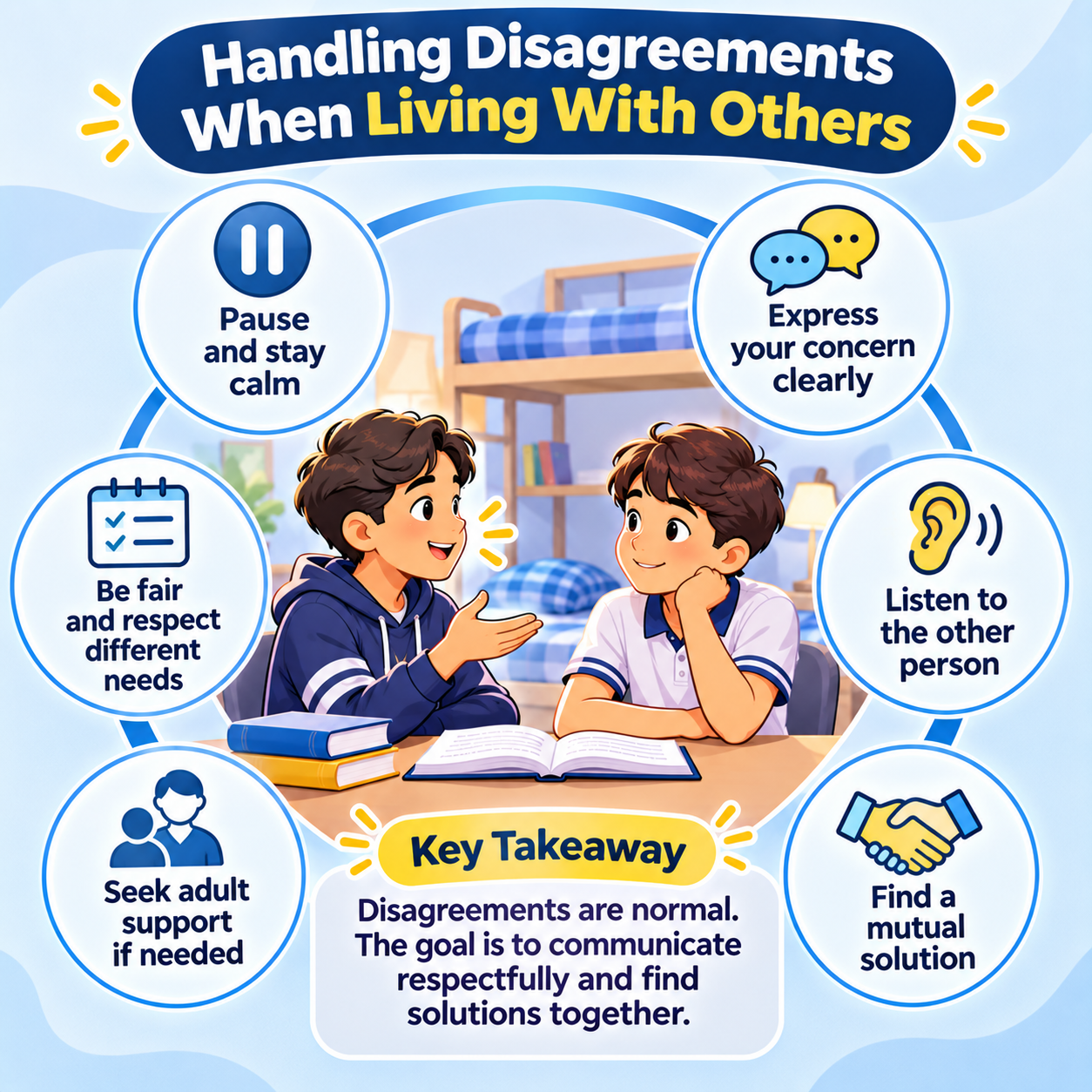
1. Pause before responding
When children feel angry, they may say something they later regret. Taking a short break allows them to think about what actually upset them.
For example, instead of immediately shouting when someone uses their stationery, they can wait until they feel calmer before discussing it.
2. Explain the problem clearly
Encourage children to describe the behaviour rather than attack the person.
Instead of saying, "You always steal my things," they could say, "I don't like it when my belongings are taken without asking."
This keeps the conversation focused on the actual problem.
3. Listen to the other person's perspective
Children should understand why the disagreement happened before deciding how to respond.
Perhaps their roommate thought sharing stationery was acceptable because they had previously shared other items.
Listening does not mean agreeing. It simply helps children understand the situation.
4. Find a solution together
Both children can suggest reasonable arrangements, such as asking permission before borrowing personal belongings.
UNICEF's guidance on adolescent communication encourages calm discussions, listening, and working through conflicts together.
The goal is not always to win an argument. It is to find a solution that respects everyone's needs.
How Can Parents Help Children Practise Resolving Conflicts at Home?
Children do not suddenly develop conflict-resolution skills when they enter a boarding school. They need opportunities to practise beforehand.
Parents can begin with everyday situations.
Let children solve small disagreements. If siblings argue over a shared study table, ask each child to explain their needs and suggest a fair arrangement.
Practise difficult conversations. Parents can pretend to be a roommate who plays music during study time. Their child can practise requesting a quieter environment politely.
Avoid deciding who is right immediately. Instead, ask questions such as, "What do you think the other person wanted?" or "What could you do differently next time?"
These conversations encourage children to consider perspectives beyond their own.
UNICEF India's parenting guidance recommends listening to teenagers, discussing conflicts calmly, and involving them in finding solutions rather than taking over every problem.
Parents should also demonstrate respectful disagreement themselves. When children see adults listening, apologising, and negotiating fairly, they have useful examples to follow.
When Should Children Ask an Adult for Help?
Not every disagreement should be handled independently.
Children should seek help when repeated attempts to communicate fail, someone threatens them, or they feel frightened or unsafe.
For example, disagreeing over room temperature is usually an ordinary conflict. Repeatedly threatening a roommate for expressing an opinion is a different matter.
StopBullying.gov explains that bullying involves aggressive behaviour, a real or perceived power imbalance, and repetition or the potential for repetition.
Children should never feel responsible for resolving bullying alone.
Parents can explain that asking a teacher, warden, or trusted adult for support is not a sign of weakness.
It is also important to listen carefully when children repeatedly report problems with roommates or friends. Rather than immediately dismissing their concerns as normal adjustments, parents should understand what is happening and whether additional support is needed.
Understanding Shared Living at JAIN International Residential School, Bangalore
For parents researching the Best boarding school in India, understanding how residential schools organise shared living is worth considering. At JAIN International Residential School (JIRS), Bangalore, the official boarding information describes shared student accommodation and house parents who assist with daily routines. In August 2026, a JIRS student also received the Best Debater Award at the Global Asian Youth Summit, where participants exchanged different viewpoints. These examples offer context for discussing communication, although debating achievements do not establish how everyday roommate conflicts are resolved.

Conclusion
Learning to live with others does not mean avoiding disagreements altogether. Children need to understand their feelings, respect different opinions, and communicate their boundaries clearly.
Parents can help by allowing children to practise resolving small conflicts while providing guidance when needed.
With patience and regular practice, children can become more comfortable handling differences without losing respect for themselves or others.
For more information on this and similar schools, check out this list of the best boarding schools in India.


 as a preferred source on