




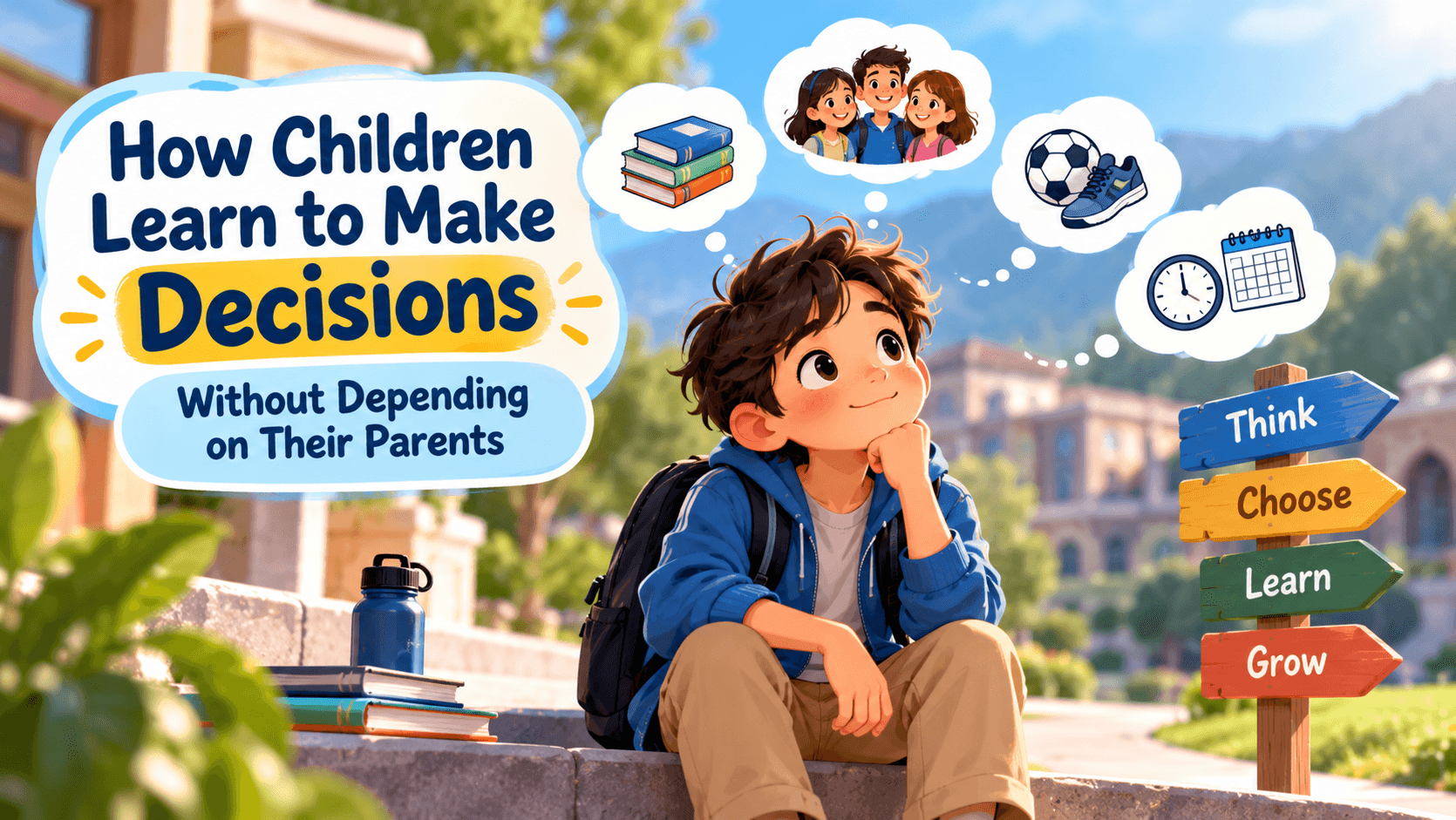

Your child calls from boarding school after an argument with a friend. Instead of deciding how to handle the situation, they ask you what to say, whether to apologise, and what to do next. You want to help, but you also wonder how they will manage when you are not around.
This concern is common among parents exploring Top Boarding Schools in India, including residential schools such as The TonsBridge School(TBS), Dehradun. While boarding school introduces new responsibilities, children need guidance and practice to become confident decision-makers. The process often begins with small choices at home.
Why Do Children Struggle to Make Decisions Independently?
Children do not automatically know how to make good decisions. They gradually develop the ability to understand situations, compare options, and consider possible consequences.
Sometimes, children hesitate because they fear making mistakes. Others become accustomed to parents deciding everything, from what clothes to wear to which homework assignment to complete first.
Imagine a child who has two school projects due next week. Instead of planning which one to start, they repeatedly ask their parents what to do. They may understand both assignments but lack confidence in organising their work.
According to Harvard University's Center on the Developing Child, planning, self-control, working memory, and flexible thinking are important skills that develop through experience and practice.
Parents can support this development by giving children opportunities to think through manageable problems rather than immediately providing every answer.
How Small Everyday Choices Build Responsibility
Independent decision-making does not begin with major life decisions. It develops through ordinary situations where children can make choices and experience their results.
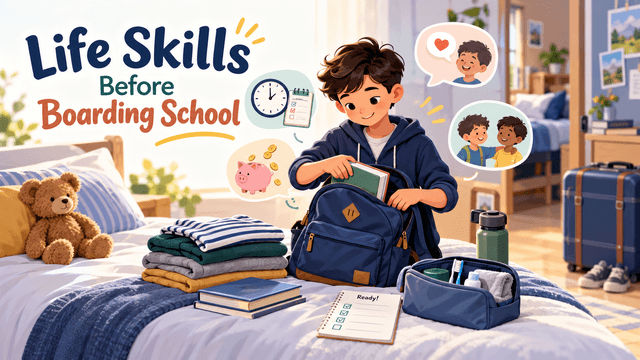
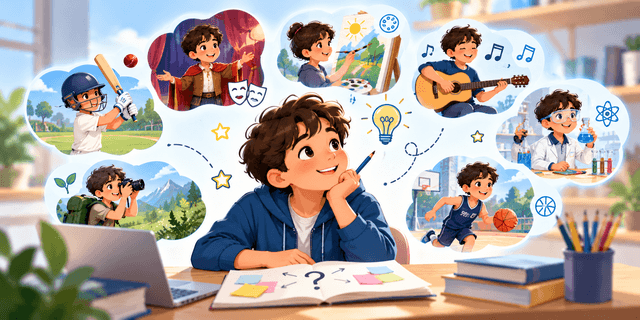
For younger children, this might mean choosing which book to read, organising their school bags, or deciding when to finish homework before playtime.
Older children can gradually take responsibility for planning revision schedules, managing limited pocket money, or balancing extracurricular activities with schoolwork.
For example, suppose your child decides to complete a science project before studying for a mathematics test. Later, they realise they have less revision time than expected.
Instead of criticising the decision, ask what they might do differently next time. This encourages reflection and helps them understand how choices affect outcomes.
UNICEF India advises parents to respect children's growing independence while offering age-appropriate choices, guidance, and responsibility.
The goal is not to eliminate mistakes but to help children learn from manageable ones.
Four Practical Ways Parents Can Encourage Independent Decisions
1. Offer Choices Instead of Giving Instructions Every Time
Rather than deciding everything for your child, provide two or three reasonable options.
For instance, ask, "Would you prefer to finish your homework before dinner or immediately afterwards?"
Both choices are acceptable, but allowing children to decide gives them a sense of responsibility.
As they grow older, gradually increase the number and complexity of decisions they can manage.
2. Ask Questions That Encourage Thinking
When children face a problem, avoid immediately telling them what to do.
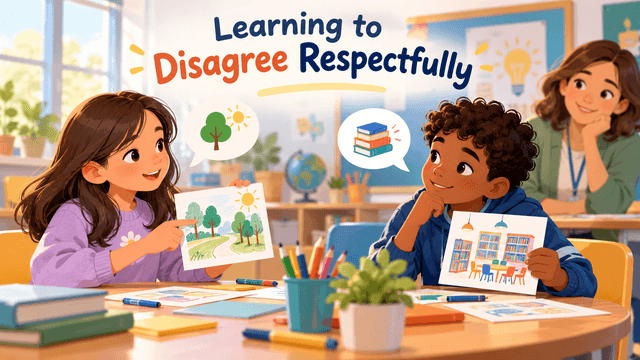
Suppose your child disagrees with a classmate during a group assignment. Ask what happened, what solutions they can think of, and how each option might affect the other person.
These questions encourage children to consider different perspectives and consequences before responding.
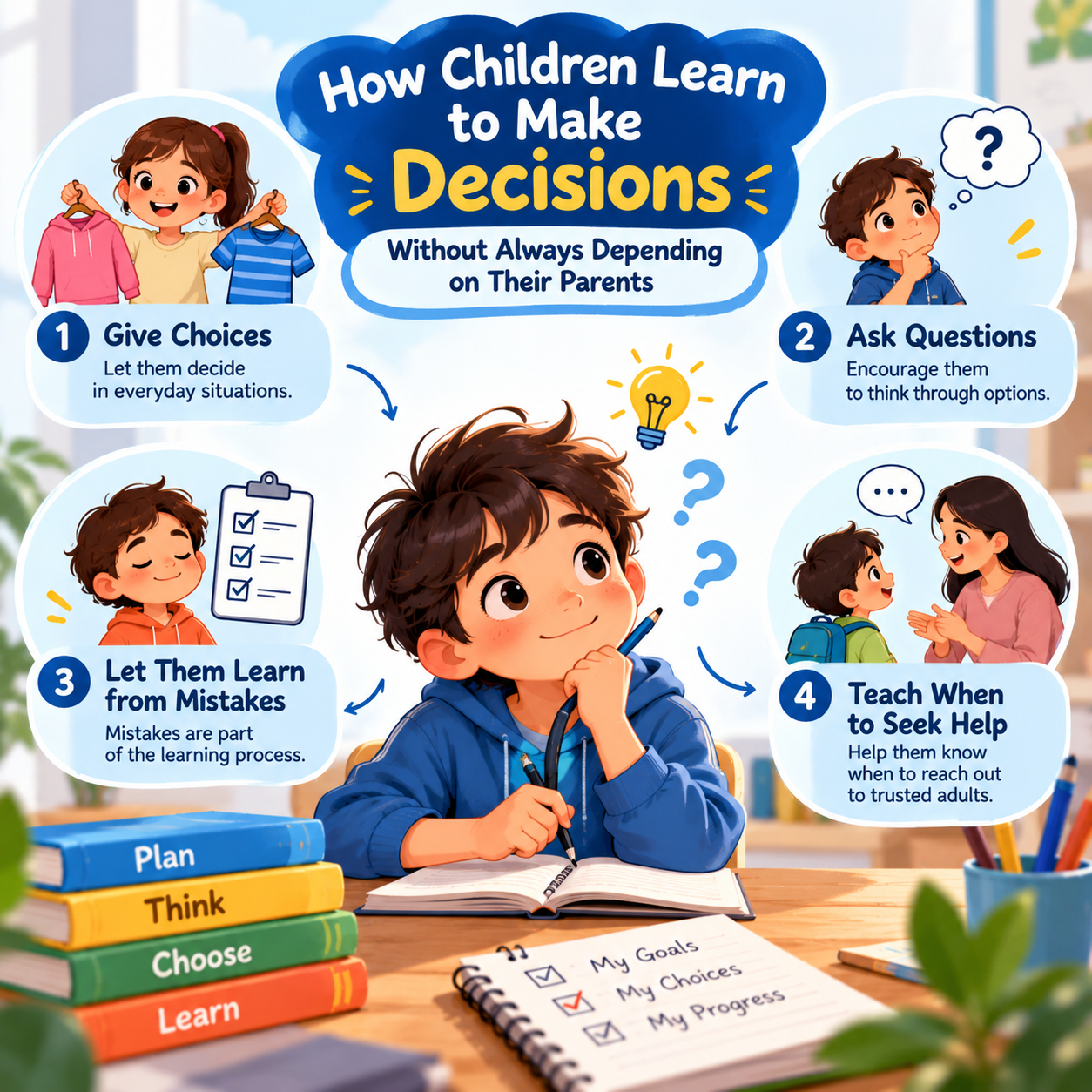
3. Allow Small Mistakes Without Making Them Feel Ashamed
A forgotten notebook or a poorly planned study session can become a useful learning experience.
Instead of saying, "I told you so," discuss what went wrong and how the situation could be handled differently.
However, independence should never mean leaving children to manage unsafe situations without support.
4. Teach Children When to Ask for Help
Being independent does not mean solving every problem alone.
Children should know that bullying, serious conflicts, health concerns, and situations involving personal safety require support from trusted adults.
Encourage them to approach parents, teachers, or residential staff when necessary.
UNICEF also highlights the importance of keeping communication open so adolescents feel comfortable discussing mistakes and difficulties.
How Boarding School Can Create Opportunities for Independence
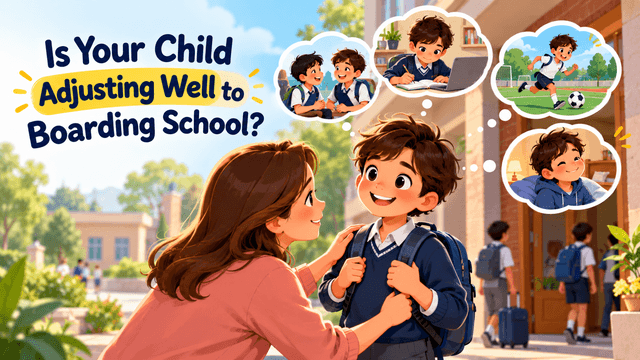
Boarding school introduces children to everyday situations where parents are not physically present to guide each decision.
Students may need to organise their belongings, follow study schedules, choose activities, and navigate friendships within a shared living environment.
These experiences can provide opportunities to practise responsibility. However, living away from home does not automatically make children independent.
A supportive residential environment should combine age-appropriate freedom with clear routines, supervision, and accessible adult guidance.
Parents considering boarding education should therefore ask how schools help students manage disagreements, develop organisational skills, and seek assistance when needed.
Developing Decision-Making Skills at The TonsBridge School
The TonsBridge School(TBS), Dehradun offers residential and day education alongside activities such as debating, quizzes, and interactive clubs. In October 2026, the school's students won the overall championship at RIMC's Battle of Minds literary festival, participating in debates and quizzes.

Such activities provide opportunities to evaluate information, express opinions, and respond thoughtfully. For parents comparing the Best Boarding Schools in India, understanding how schools encourage participation and provide appropriate guidance is an important consideration.
Conclusion
Children become independent decision-makers through practice, reflection, and supportive guidance. Parents can begin with manageable everyday choices and gradually offer greater responsibility. True independence means knowing how to make thoughtful decisions while recognising when asking for help is the wiser choice.
For more information on this and similar schools, check out this list of the best boarding schools in India.



 as a preferred source on