




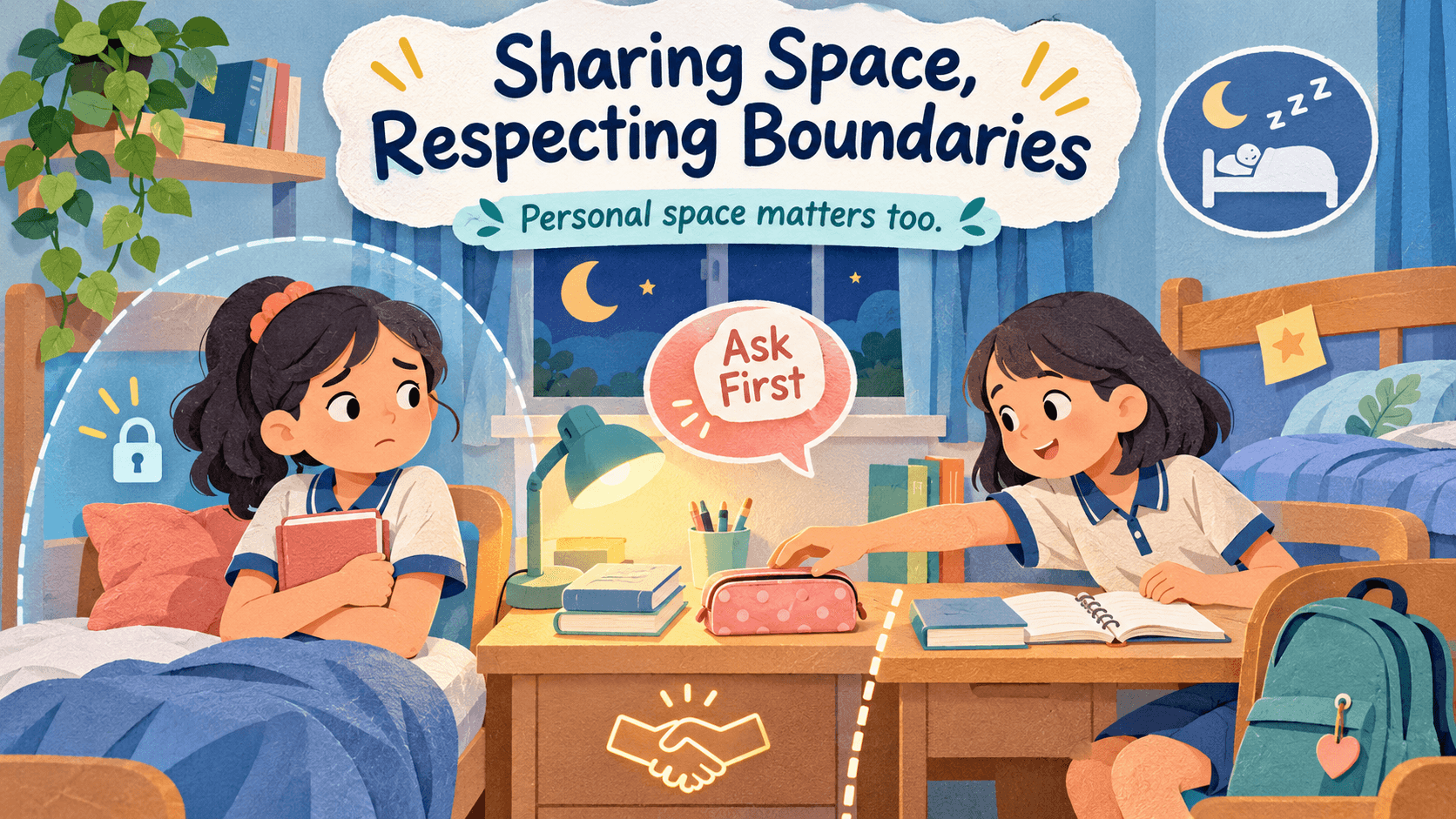

Your child enjoys classes and games at boarding school, but every phone call brings the same complaint: “My roommate keeps taking my things without asking.” Another day, the problem is noise when they want to study or sleep. You wonder whether your child is being too sensitive or simply needs time to adjust.
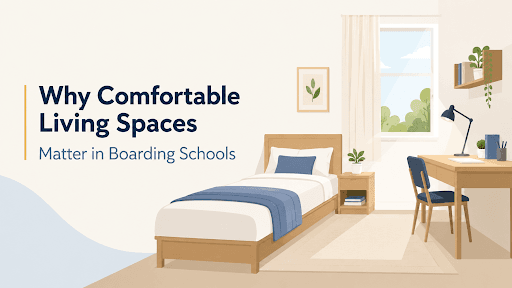
For parents comparing Top Boarding schools in India, including DRS International School(DRSIS), Hyderabad, shared living deserves as much attention as academics. Learning to live with others involves compromise, but it should not mean giving up privacy or personal boundaries.
Why Is Sharing a Hostel Room Different from Sharing a Classroom?
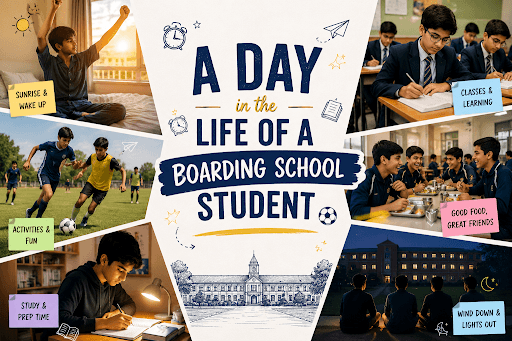
At school, children sit beside classmates, work in groups and then return to a familiar space at home. In a hostel, they may also share sleeping areas, storage, daily routines and quieter moments after a busy day.
A friend who is fun during lunch might be difficult to live beside if they talk loudly while someone else needs rest. That does not automatically make either child inconsiderate. Their needs may simply differ.
UNICEF's guidance on healthy boundaries recognises limits involving physical space, personal belongings, communication and privacy. Children can enjoy companionship while still wanting time alone or permission before somebody touches their things.
Sharing a room therefore calls for an additional skill: discussing what each person needs without treating every difference as a personal rejection.
Why Do Some Children Struggle with Roommates?
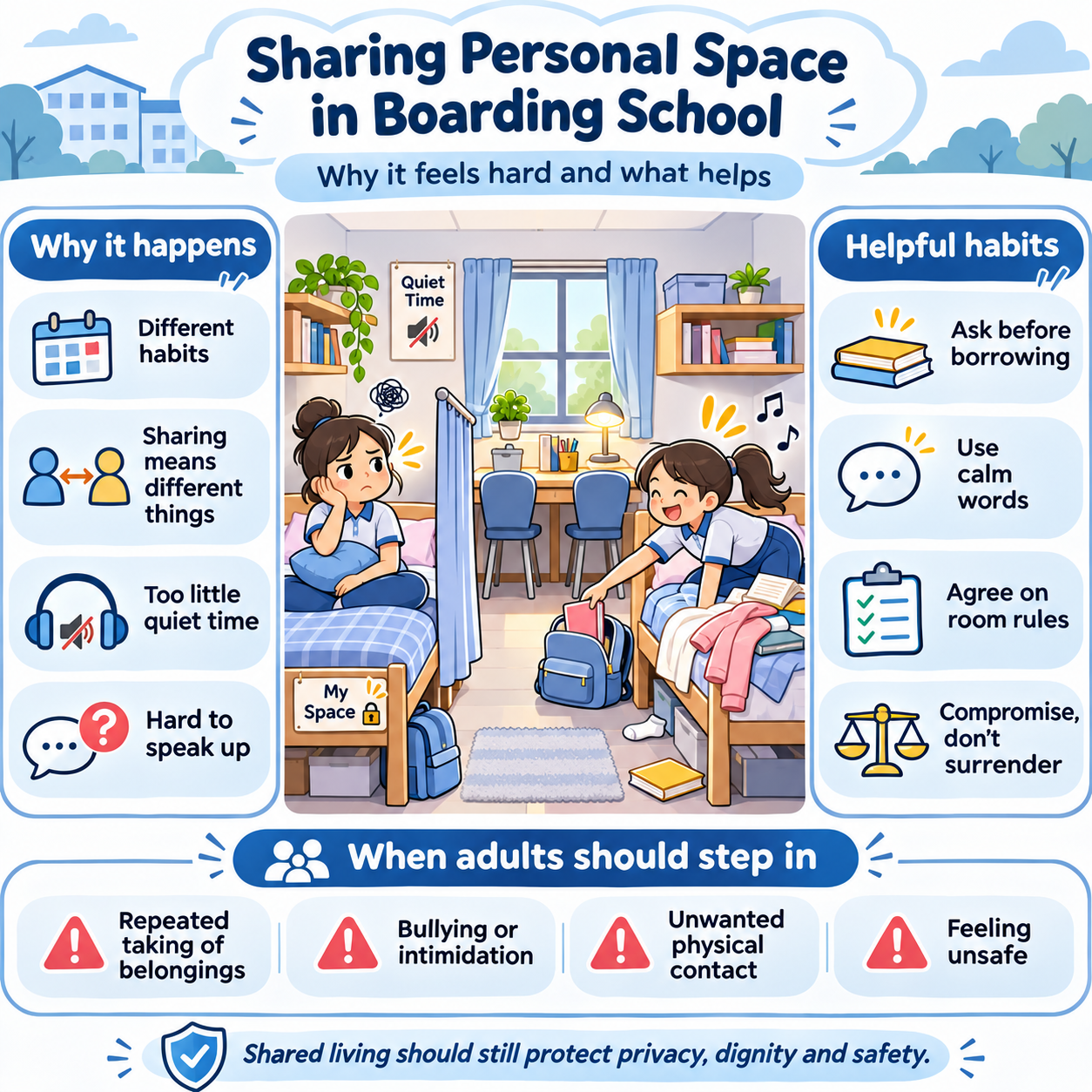
Different habits: One student neatly arranges clothes each evening. Another leaves books and sports equipment scattered around. Both may assume their routine is normal, creating tension when space is limited.
Different ideas about sharing: Some children happily lend stationery or snacks. Others prefer being asked first, especially when an item is important or difficult to replace. Borrowing without permission can feel like a loss of control.
Too little quiet time: A child may enjoy group activities all day but want silence afterward. When roommates keep chatting, even friendly conversation can become exhausting.
Difficulty speaking up: Children sometimes stay quiet because they fear upsetting a roommate or losing a friendship. Irritation then builds until a small disagreement turns into an argument.
These reactions do not necessarily mean a child dislikes people or cannot live cooperatively. They may need practice recognising their needs and expressing them calmly.
How Can Parents Prepare Children to Share Space Respectfully?
1. Practise asking permission at home. Before borrowing a sibling's headphones or notebook, encourage your child to ask. Make sure they experience the other side too: they are allowed to say no politely when something is personal.
2. Rehearse useful sentences. Instead of “You always steal my things,” try “Please ask before using my pencil case.” For noise, a child might say, “I need quiet while I finish this chapter. Can we talk afterward?” Practising the words at home can make difficult conversations easier later.
3. Discuss shared expectations early. Encourage children to agree on reasonable habits around tidiness, belongings, study time and rest, within hostel rules. A disagreement about lighting at bedtime, for example, may need a residential adult to suggest an arrangement that works for everyone.
4. Teach the difference between compromise and surrender. Taking turns using a shared desk may be negotiable. Allowing someone to read private messages, take valuables or ignore physical boundaries is not.
UNICEF's guidance for adolescent group activities recommends shared rules, respect and opportunities to express personal limits. These principles can help families discuss roommate expectations, although the guidance is not a study of boarding-school accommodation.
Parents can also ask children what solution they would suggest before stepping in. This builds problem-solving skills without making them responsible for fixing unsafe behaviour alone.
When Should Parents or Hostel Staff Intervene?
Occasional disagreements over tidiness or noise may improve through respectful conversation and agreed rules. But repeated taking of belongings, intimidation, bullying, unwanted physical contact or threats are different matters.
Listen carefully and ask what happened, how often and whether your child feels safe. Contact the designated residential staff promptly when boundaries are repeatedly crossed. Keep a record of serious or recurring incidents and ask what action the school will take.
CDC guidance on school relationships emphasises that adults should recognise bullying and support students experiencing peer difficulties. Children should never be told to tolerate unsafe behaviour simply to become independent.
Sharing Space at DRS International School, Hyderabad
When exploring the Best Boarding schools in India, parents can ask how privacy, roommate concerns and residential supervision are handled. DRS International School(DRSIS), Hyderabad advertises full and weekly boarding and describes a culturally diverse residential community supported by mentor-facilitators.

Its published residential information discusses shared routines and activities, but does not establish specific room-sharing rules or the outcomes of conflict-resolution support. Families should ask directly about room allocation, secure storage, quiet-time arrangements and whom children can approach with concerns.
Conclusion
Sharing personal space takes more than friendliness. Children need practice communicating, compromising and respecting each other's limits.
Parents can support this adjustment by discussing boundaries before boarding begins and staying approachable afterward. Healthy shared living means learning to cooperate while knowing that privacy, dignity and safety still matter.
For more information on this and similar schools, check out this list of the best boarding schools in India.









 as a preferred source on