




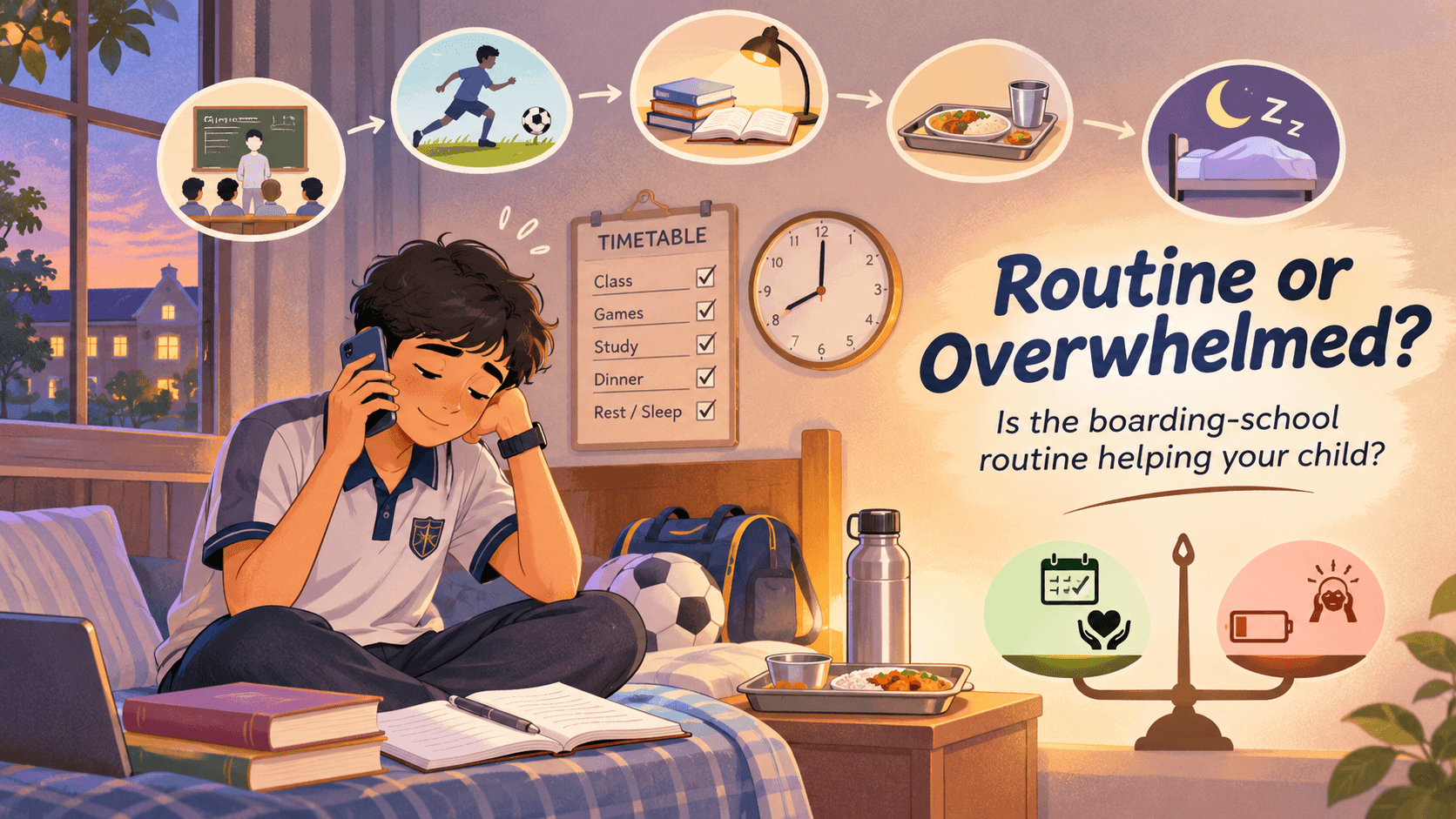

“It’s fine, Mum. I’m just tired,” your child says during your weekly phone call. They attend classes, finish homework and participate in activities. Yet they sound exhausted every evening.
Should you feel reassured that they are following a disciplined routine, or concerned that their days are becoming too demanding?
For parents exploring a Top Boarding school in dehradun, understanding the daily routine matters as much as academics and facilities. Schools such as Doon International School (DIS), Dehradun, publish residential schedules that parents can examine.
But how can you tell whether a routine is actually working for your child?
What Does a Healthy Boarding School Routine Actually Look Like?
A healthy routine provides structure without keeping children occupied every minute.
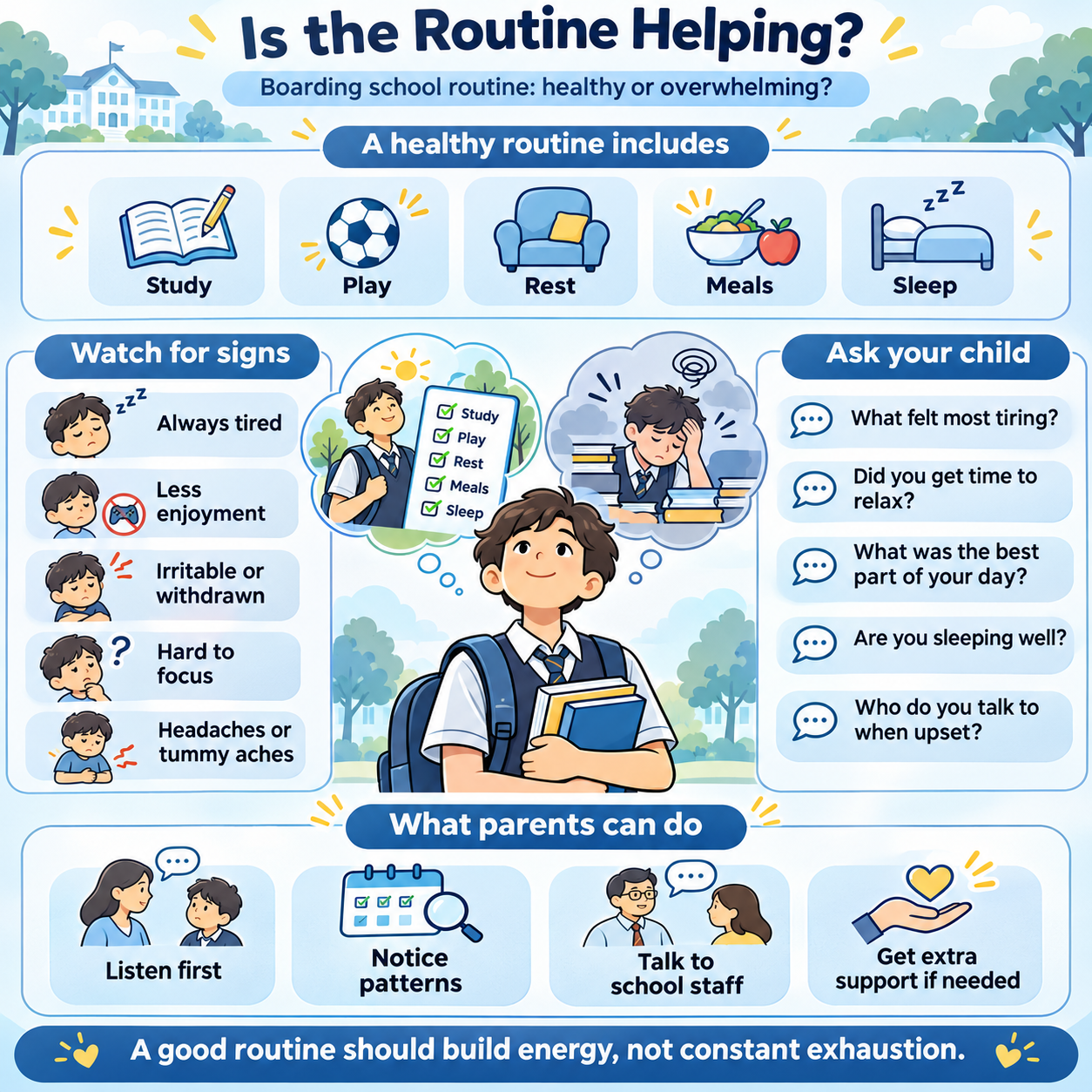
Children need time for lessons, homework, physical activity, meals, friendships and rest. When these activities are balanced, a routine can make everyday responsibilities easier to manage.
Sleep is particularly important. According to the American Academy of Sleep Medicine, children aged 6–12 need 9–12 hours of sleep daily, while teenagers aged 13–18 need 8–10 hours.
Similarly, the World Health Organization recommends an average of at least 60 minutes of moderate-to-vigorous physical activity daily across the week for children aged 5–17.
Consider two Class 7 students.
Aarav finishes lessons, plays football, relaxes with friends and completes homework before bedtime. Kabir follows a similar timetable but regularly skips recreation to finish assignments.
Both appear disciplined. However, Kabir may have less opportunity to recover from his academic workload.
This is why parents should examine not only which activities appear on a timetable, but whether children have enough time to enjoy them.
What Are the Signs That a Boarding School Routine Is Becoming Overwhelming?
Children do not always say directly that they are struggling. Sometimes, changes in behaviour reveal more than their words.
Imagine your daughter previously enjoyed basketball but now avoids games because she feels constantly exhausted. She still performs well academically, so her tiredness might go unnoticed.
According to UNICEF's guidance on recognising distress, tiredness, headaches, withdrawal and changes in behaviour can indicate that a child needs additional support.
Parents should pay attention to patterns such as:
- Persistent tiredness: The child frequently feels exhausted despite opportunities to rest.
- Reduced enjoyment: Activities they once loved begin feeling like obligations.
- Emotional changes: They become unusually irritable, worried or withdrawn.
- Difficulty concentrating: Homework and familiar tasks suddenly feel harder.
- Repeated physical complaints: Headaches or stomachaches occur alongside other concerning changes.
However, one difficult day does not mean the routine is unhealthy.
A child might feel tired after a sports competition or homesick during their first weeks away.
What matters is whether these difficulties continue, become more intense or affect everyday functioning.
How Can Parents Understand Their Child's Experience From a Distance?
When children live away from home, conversations become an important window into their daily lives.
However, repeatedly asking about marks, homework and discipline may encourage children to discuss achievements rather than feelings.
Instead of asking, “Did you complete your assignments?” try asking, “Which part of your day felt the most tiring?”
Other useful questions include:
- Did you get enough time to relax today?
- What was the most enjoyable part of your week?
- Are you sleeping comfortably at night?
- Who do you talk to when something bothers you?
- Is there anything about your routine you wish could change?
These questions help children describe their experiences without feeling judged.
Also, pay attention to relationships.
The US Centers for Disease Control and Prevention explains that school connectedness involves children feeling cared for, valued and supported by adults and peers. Such connections are associated with better emotional well-being.
A child who feels comfortable approaching a teacher or hostel warden may find it easier to seek help when overwhelmed.
Rather than judging their adjustment through academic results alone, look at their energy, friendships and willingness to share everyday experiences.
What Should Parents Do When the Routine Seems Too Demanding?
If your child repeatedly describes feeling exhausted or overwhelmed, begin by listening rather than offering immediate solutions.
Ask which activities feel difficult and whether the problem involves sleep, academic work, friendships or adjusting to hostel life.
Next, speak with the hostel warden or class teacher. Share specific observations instead of making general complaints.
For example, explain that your child has reported difficulty sleeping for several nights and ask whether similar changes have been noticed at school.
You can also discuss practical adjustments, such as additional academic guidance, appropriate rest opportunities or emotional support.
Remember that children adjust differently. A schedule that suits one student may not suit another.
If distress persists, interferes with daily life or includes frequent physical symptoms, consult a paediatrician or qualified mental health professional.
Understanding the Boarding Routine at Doon International School, Dehradun
Doon International School (DIS), Dehradun, publishes a residential timetable covering classroom lessons, afternoon rest, games, creative activities, self-study and parent communication. Its published schedule includes lights-off at 10 PM and wake-up at 6 AM. Parents considering a Best boarding school in dehradun can use such information to ask whether sleeping hours, academic demands and recreation are appropriate for their child's age. The timetable provides useful information, but individual experiences and age-specific arrangements still need to be discussed with the school.

Conclusion
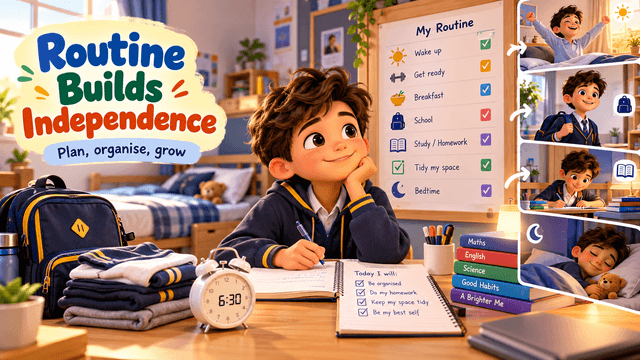
A boarding school routine should help children become organised and independent without leaving them constantly exhausted.
Parents should look beyond a timetable's activities and understand how their child actually experiences each day.
Regular conversations, attention to behavioural changes and communication with school staff can help identify when additional support is needed.
Ultimately, a healthy routine is not simply one that keeps children busy. It should leave them with enough energy to learn, connect with others and enjoy growing up.
For more information on this and similar schools, check out this list of the best boarding schools in India.
















 as a preferred source on