







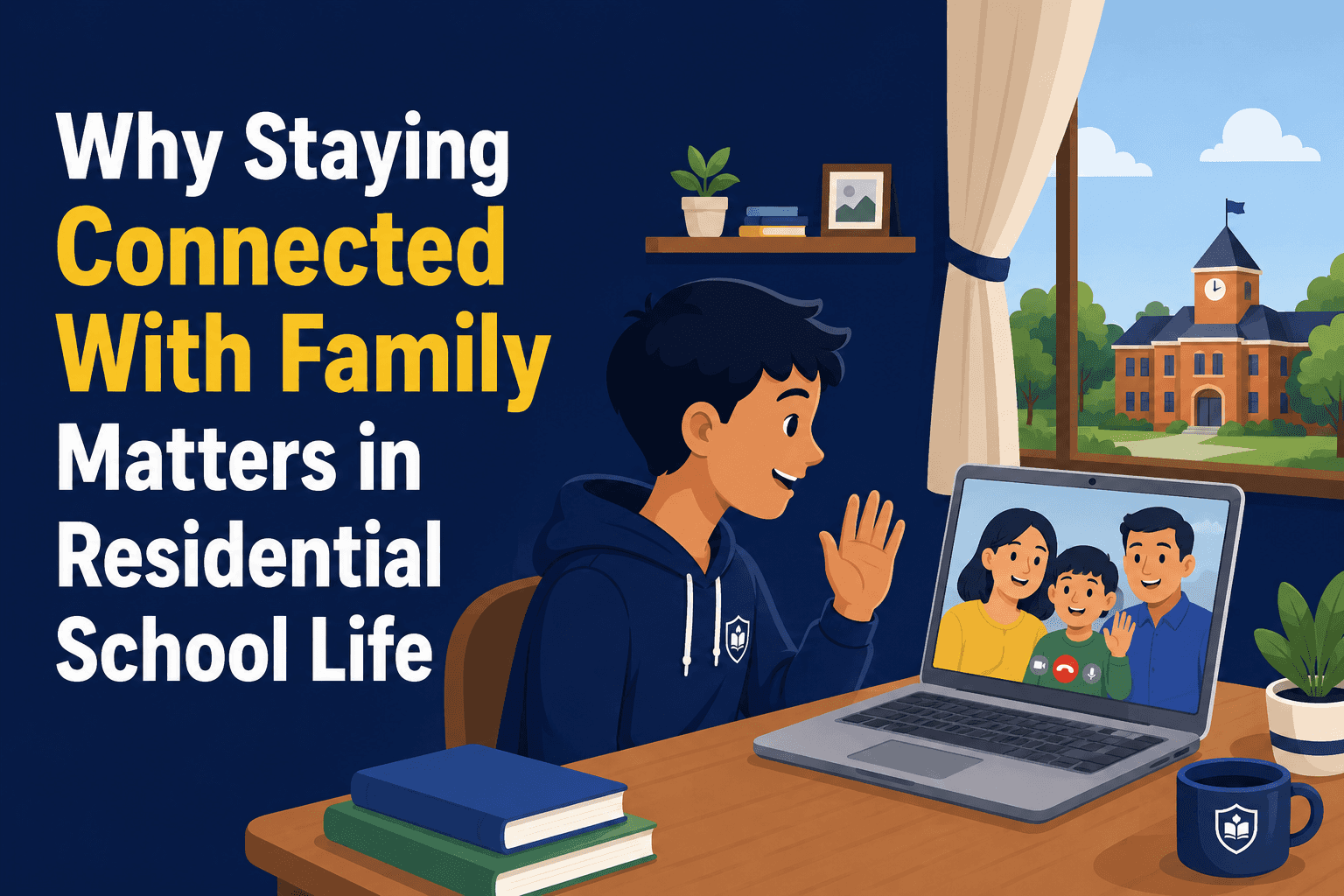

For a child living away from home, school becomes much more than a place for classes. It becomes a space where they study, build friendships, follow routines, take part in activities, and gradually learn to manage everyday responsibilities on their own. At the same time, the connection with family remains an important source of comfort and emotional support. This is why residential schools often create structured ways for students to stay in touch with their parents. For instance, one of the best boarding schools in India, DRS International School, allows students to make and receive calls between 9:00 PM and 9:30 PM on the numbers listed in the residential handbook, with each call limited to five minutes.
Why Family Connection Matters for Boarding Students
Moving into a residential school can be an exciting experience. Students get opportunities to become more independent, meet people from different backgrounds, and experience a structured community life. However, being away from home can also take some adjustment.
A familiar conversation with a parent can make that transition easier. A short call can give students the chance to share how their day went, talk about something interesting that happened, or simply hear a familiar voice. These small moments can help children feel that although they are living away from home, their family is still an active part of their lives.
For parents, these conversations are equally meaningful. They provide an opportunity to understand how their child is settling into residential life without constantly interrupting the school's routine. Even when parents are confident about the school, it is natural to wonder how their child is spending the day. Regular communication provides reassurance without requiring parents to contact their child repeatedly.
Also Read | Save Time on Travelling with Weekly Boarding
A Fixed Calling Schedule Can Create Balance
At first, limiting calls to specific timings may seem restrictive. However, a structured communication schedule can actually help students maintain a healthy balance between family contact and their other responsibilities.
Residential schools usually have carefully planned daily routines covering classes, study hours, meals, sports, activities, recreation, and rest. If students could make or receive calls at any time, conversations could easily overlap with academic work or other important activities.
A fixed calling window gives communication its own place in the daily routine. Students know when they can speak to their parents, while parents also know when they are most likely to reach their children.
This approach can also encourage students to become more organized. When a conversation is limited to a few minutes, students learn to make the most of their time and communicate what matters to them.
Communication Rules Can Support Independence

One of the important purposes of residential education is helping students become more independent. That does not mean separating children from their families. Instead, it means giving them opportunities to manage responsibilities while maintaining a healthy connection with home.
A scheduled calling system supports this balance.
Students have their own daily responsibilities and learn to work within a routine. At the same time, they continue to communicate with their parents. They begin to understand that staying connected with family and becoming independent are not opposite ideas. Both can develop together.
Similar approaches can be seen in residential schools in different parts of India. Some schools provide specific days or time slots for calls, while others use approved parent numbers and supervised communication systems.
Students can quickly talk about their classes, friends, activities, or plans for the next day. Parents can ask how things are going and offer encouragement. Over time, these regular conversations can become small but dependable moments in the child's routine.
Also Read | Strong Parent-School Partnerships Shape a Child's Success
The Role of Schools in Creating a Healthy Communication Culture
A residential school has to balance several needs at the same time. Students need academic focus, recreation, rest, social interaction, and personal space. Communication with family needs to fit naturally into this wider environment.
This is where clear communication policies become useful.
When students and parents understand the permitted timings, approved contact numbers, and duration of calls, there is less confusion. Students can plan their conversations, while the school can maintain an orderly residential routine.
How DRS International School Approaches Student-Family Communication
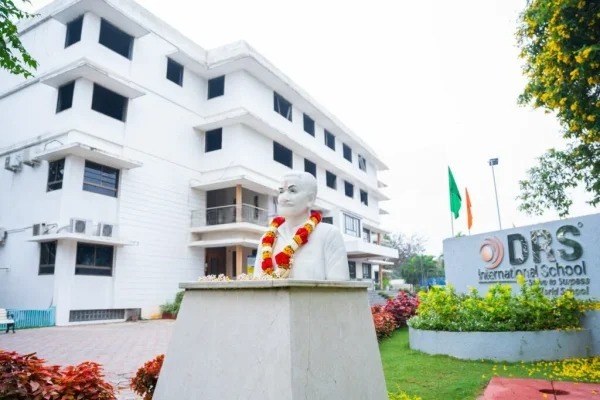
This balance is reflected in the residential approach at one of the best CBSE boarding schools in Telangana, DRS International School. According to the school's residential FAQ, students can make and receive calls between 9:00 PM and 9:30 PM using the numbers specified in the residential handbook, with each call not exceeding five minutes.
Such a system gives communication a defined place within the student's day. Rather than allowing phone calls to interrupt classes, study sessions, or other residential activities, the school provides a specific window in which students can connect with home.
The approach also creates a clear expectation for both students and parents. Students know when they can make or receive calls, while parents can plan around the designated time.
For a child adjusting to residential life, these regular conversations can be a simple way of maintaining a familiar connection with home while continuing to participate fully in school life.
Building Independence Without Losing the Connection With Home
The larger lesson is that independence does not require children to become disconnected from their families. In fact, a healthy connection with home can give students the confidence to explore new experiences and take on greater responsibilities.
A student can spend the day attending classes, playing sports, completing assignments, and spending time with friends and still have a few minutes in the evening to speak with family. These different parts of residential life can complement one another.
For schools, the challenge is to create systems that support both sides of this equation: giving students enough independence to grow while ensuring that family remains a source of support.
The structured calling arrangement at DRS International School is one example of how this balance can be incorporated into residential routines. A short, predictable call may seem like a small part of boarding-school life, but for a student living away from home, it can provide an important connection between the independence they are developing at school and the family support they continue to carry with them.
To know more about other boarding schools in India, click on the link below





 as a preferred source on