







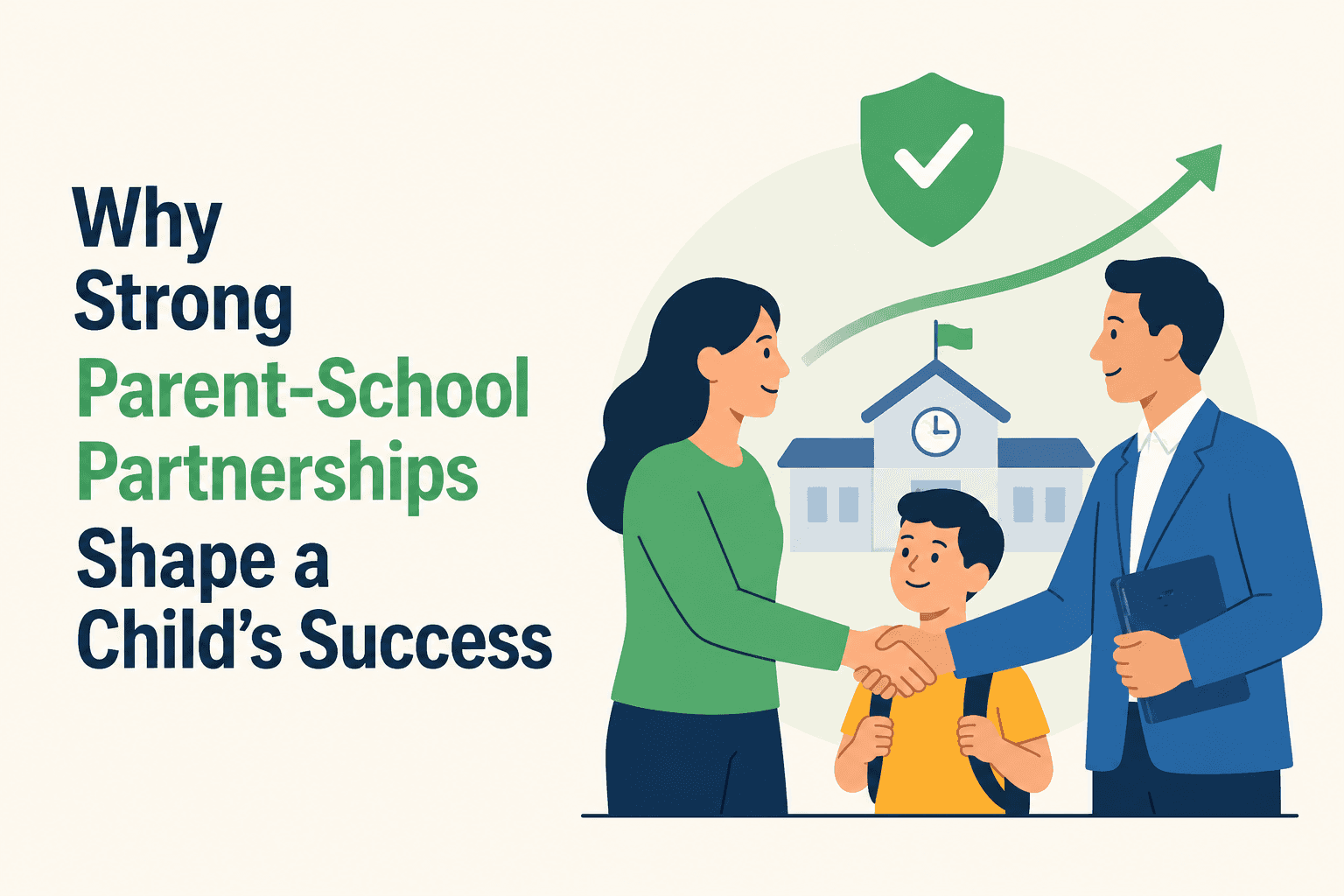

Textbooks, exams, and classroom walls only tell half the story of a child's education. Schools give kids knowledge, structure, and opportunities to grow — but parents are the ones shaping their character, confidence, and love for learning long before and after the school bell rings. When these two forces work together, children get something neither can offer alone: consistent guidance, real emotional support, and a foundation strong enough to carry them into adulthood.
The research says that kids do better, both academically and socially, when their families stay actively involved. But "involved" doesn't just mean showing up to parent-teacher meetings or glancing at report cards. It means real communication, genuinely understanding what your child struggles with and excels at, and working alongside teachers instead of leaving everything to them.
And that is what we’ll be discussing in this article. We’ll cover different things in this article, such as the involvement of parents in managing content, the importance of communication, and keeping everyone on the same page. We’ll also take an example of one of the best boarding schools in India, DRS International School, to understand how a school actually works towards it.
Why Parent Involvement Actually Matters
There's something powerful that happens when a child realizes both their parents and their teachers are rooting for them. That shared investment builds a kind of safety net — kids feel free to ask questions, try new things, and stumble without fear.
Parents who stay engaged tend to see the payoff: better classroom participation, stronger academics, fewer discipline issues, and steadier emotional health. None of this requires grand gestures. Asking about their day, helping them build a study routine, or just celebrating a small win can do more for a child's confidence than people realize.
It also sends an important message — that education isn't something teachers do to kids while parents stay on the sidelines. It's a shared job.
Communication Is the Foundation
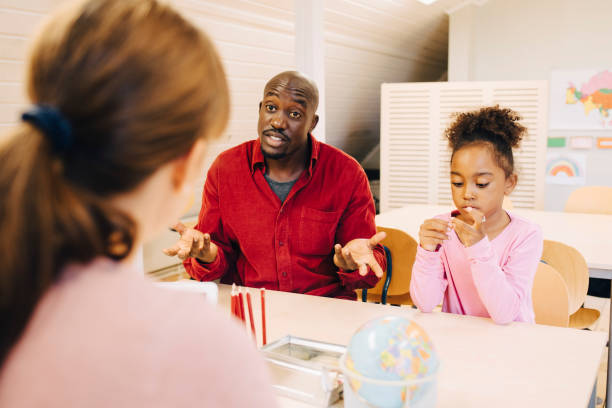
Every strong parent-school relationship starts with talking to each other. Teachers see things parents don't — how a child behaves in a group, how they handle setbacks, how they interact with peers. And parents know things teachers can't — what their kid is like at home, what excites them, what's been weighing on them lately. Put those two perspectives together, and you get a much clearer picture of the whole child.
This kind of back-and-forth also catches problems early, before they snowball. Whether it's a dip in grades, a friendship falling apart, or growing anxiety about a test, conversations between parents and teachers mean nobody's figuring it out alone.
These days, that communication is easier than ever — school apps, parent portals, email, video calls — there's no excuse for staying out of the loop, even with a packed schedule.
Also Read| Creating Well-Rounded Individuals through Workshops
It's About More Than Grades
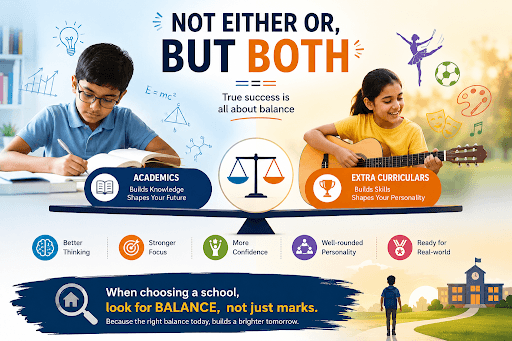
Modern education has moved well past just academics. Schools now focus on building creativity, leadership, communication, emotional intelligence, and an awareness of the wider world.
Parents play a huge role here too — sparking curiosity at home, supporting whatever hobby or sport their kid is into, building healthy habits, and helping them bounce back from setbacks. Kids who get this kind of support from both sides tend to grow into learners who can handle whatever comes their way.
Reading together, volunteering, playing sports, talking about what's happening in the world — these everyday moments do more to shape a well-rounded kid than any worksheet ever could.
When Home and School Are on the Same Page
Kids do better when what's expected of them at school matches what's expected at home. That consistency — in routines, values, behavior — gives children a sense of stability, and it's where real responsibility and self-discipline start to take root.
Say a school is big on independent thinking. Parents can back that up by letting their child work through age-appropriate problems on their own instead of stepping in immediately. The same goes for values like honesty, respect, and empathy — they stick a lot better when a child sees them reinforced everywhere, not just in one place.
When home and school tell the same story, kids stop feeling like they're navigating two different worlds — they understand that what they learn applies everywhere.
Don't Forget Emotional Well-Being
Good grades matter, but they're not the whole picture. Kids deal with real pressure — academic stress, social drama, the everyday uncertainty of growing up — and emotional health needs just as much attention as academic performance.
When parents and teachers are paying attention together, they're far more likely to catch the early signs of stress or burnout before things get serious. A little reassurance, an open conversation, and healthy ways to cope can make a child feel genuinely safe opening up.
And that matters more than people give it credit for — kids who know the adults around them are working as a team tend to grow into more resilient, more confident people.
Getting Kids Ready for What's Next
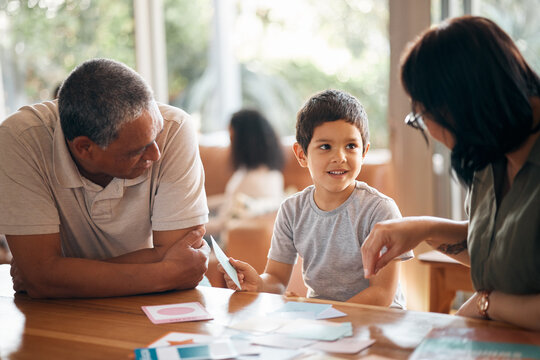
Good grades alone won't cut it anymore. The world increasingly rewards critical thinking, adaptability, collaboration, and the ability to solve problems nobody's seen before.
Schools lay the groundwork for these skills, but parents reinforce them in everyday life — letting kids ask questions, make their own decisions, try new things, and yes, mess up sometimes. That's often where the real learning happens. The best outcomes show up when education feels like a continuous partnership, not two separate efforts pulling in different directions.
Also Read| Building a Reading Culture with a Program
How DRS International School Builds These Partnerships
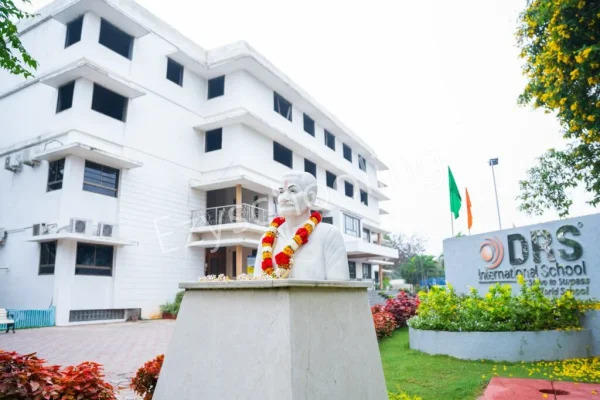
One of the best IB boarding schools in India, DRS International School, takes this seriously. Through its Parent Connect initiative, the school doesn't just acknowledge the importance of parent involvement — it actively builds a community around it, giving families a real voice and a genuine stake in the learning process.
The school leans into a globally minded, holistic approach to education, with a strong focus on critical thinking, creativity, and character. Backed by experienced teachers and solid learning facilities, students get an environment built for both academic growth and personal development.
Through ongoing communication, community events, and active parent involvement, DRS International School works to keep families genuinely connected to their child's education — not just informed, but involved. Programs like Parent Connect give parents a real platform to share their experiences and celebrate their child's milestones alongside the school community.
When parents, teachers, and students are all pulling in the same direction, something shifts — students grow into people who are confident, responsible, and ready for whatever's next.
The Bottom Line
A great education isn't built by schools alone. Schools bring structure and expertise; parents bring emotional support and the values that last a lifetime. Together, they create something neither could build on their own — an environment where kids feel inspired to learn, brave enough to explore, and resilient enough to keep going when things get hard.
As education keeps evolving, the schools that get this right are the ones that bring families into the process, not keep them at arm's length. Open communication, shared responsibility, and a focus on the whole child — that's what turns a parent-school partnership into something that shapes a child's life well beyond the classroom.
To learn more about this and other boarding schools, check out this list of the best boarding schools in India.


 as a preferred source on