






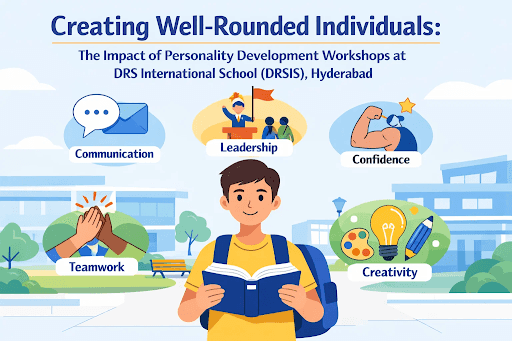

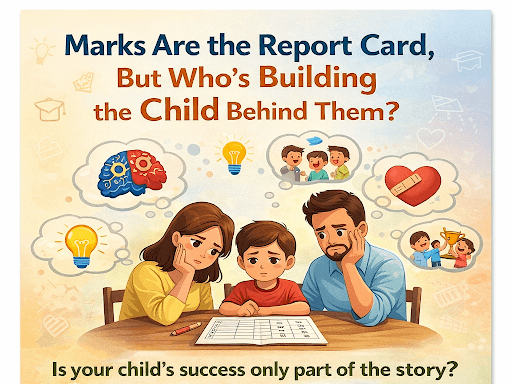
As a parent, you begin to notice things that don’t really show up on report cards. Marks are there, grades are improving, everything looks fine on paper, but still, something else quietly starts catching your attention. How does your child speak in a room full of people? Do they hesitate before answering? Do they avoid eye contact when meeting someone new, or do they step forward, even if a little unsure, but still willing to try?
Because somewhere along the way, parenting shifts. It’s no longer just about academic success. It becomes about who your child is becoming. In today’s world, knowledge is everywhere, information is easy to access, but confidence, clarity of thought, and emotional strength, those things take time. They don’t just happen. They need the right kind of environment.
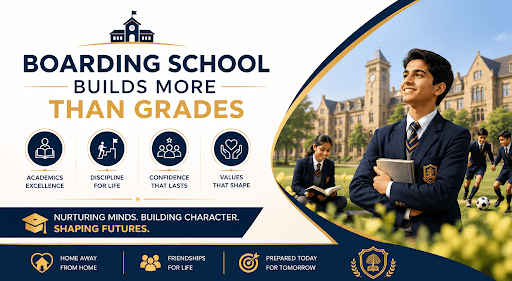
And that’s where personality development workshops start to matter. Not as an extra activity, not something optional, but something essential. Especially when you’re exploring the best boarding schools in Hyderabad, places like DRS International School (DRSIS), Hyderabad, that focus not just on academics, but on shaping well-rounded individuals.
Also Read | Why Personality Development Matters in School
Why Personality Development Is No Longer “Extra”
There was a time when personality development felt like an add-on, it’s like something optional, or maybe even unnecessary and not anymore.
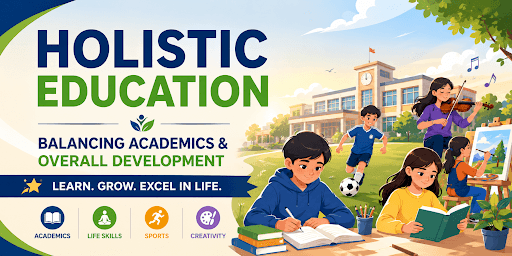
Education today isn't just about getting good grades; it's also about getting kids ready for the real world, where being able to communicate, understand emotions, and be flexible are just as important as academic knowledge. Research backs this change as well. Research indicates that personality traits significantly influence academic achievement and long-term success. In fact, traits like self-control and emotional stability are often more important than just being smart. The truth is simple. Kids who are sure of themselves learn better. A child who knows themselves grows faster.
What Personality Development Workshops Actually Do
From a parent’s perspective, these workshops are not about turning children into extroverts overnight. They’re about small, meaningful changes.
- A child who is unsure starts to speak up.
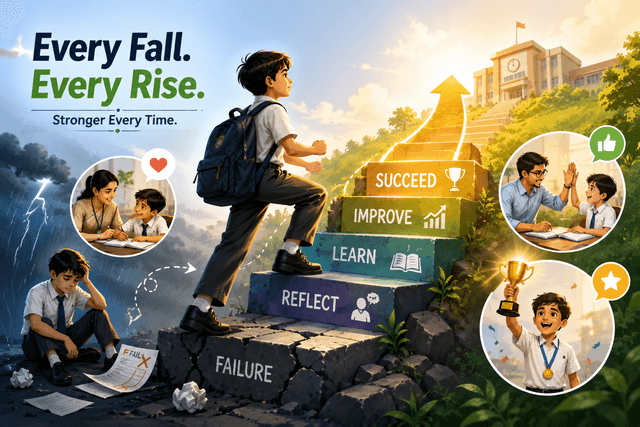
- A child who is afraid of failing starts over.
- A child who doesn't like working with others learns to work with others over time.
These workshops usually focus on:
- Communication Skills: Kids learn how to say what they mean, not just in English but also in their heads.
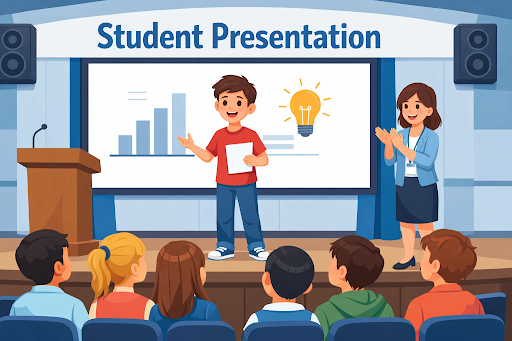
- Building Confidence: Kids slowly get over their fear of the stage through activities, presentations, and group work.
- Emotional Intelligence: Knowing how people feel. Handling responses. Creating empathy.
- Making decisions and solving problems: Not just book answers, but real-life thinking.
- Leadership and teamwork: Knowing when to lead and when to listen..
And here's something important: personality development doesn't mean changing who a child is. It's about helping them improve themselves.
The Long-Term Impact (What Parents Really Care About)
As parents, we don’t just think about the next exam. We think about the next 10–15 years. Will my child be able to:
- Confidence and self-esteem
- Skills for talking to and getting along with others
- Engagement in school
- Being strong and flexible
Research indicates that students possessing elevated emotional intelligence and robust interpersonal skills are more inclined to achieve success academically and professionally. And most importantly, it prepares children for life beyond school, something traditional academics alone cannot fully achieve.
Check Out | What Parents Actually Look for Before Sending Their Child to a Boarding School

How DRS International School (DRSIS), Hyderabad, Brings This to Life
Now, this is where things become more real for us as parents. At DRS International School (DRSIS), Hyderabad, personality development is not treated as a separate activity. It’s part of the everyday learning environment.
And honestly, that makes all the difference, from what parents observe, the school focuses on:
- Integrated Workshops, Not One-Time Sessions: It’s not a once-a-year event. These workshops are consistent, structured, and built into the school culture.
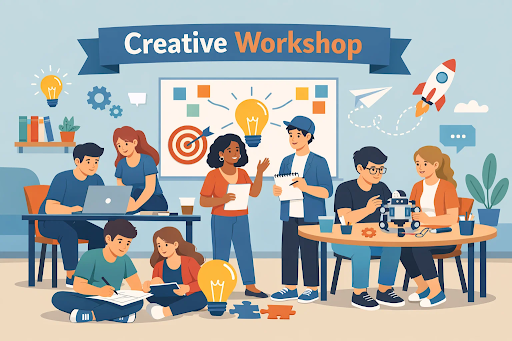
- Activity-Based Learning: Debates, role plays, group discussions, children don’t just listen, they participate.
- Safe Environment to Express: Children are encouraged to speak without fear of judgment. That’s where real confidence begins.
- Focus on Individual Growth: Not every child is pushed to be the same. Each child is guided based on their personality.
- Teacher Involvement: Teachers don’t just teach subjects; they mentor behaviour, communication, and attitude.
As a parent, you start noticing the change; it may not be sudden changes, but steadily you’ll see them grow. Your child begins to:
- Speak more openly at home
- Share opinions
- Take initiative
- Handle situations with more maturity
The Final Thought
As parents, we often look for big things like high scores, awards, and accomplishments that are easy to see and measure. But real growth doesn't always look like that. Sometimes it's quiet. You can see it in the way your child talks about their thoughts without being asked, how they deal with a tough situation without breaking down, and how willing they are to try even when they don't know what will happen.
And after a while, these little changes start to add up. They affect how your child sees themselves, how they interact with the world, and they give them a kind of confidence that no book can really teach. That's why personality development isn't just about getting kids ready for school; it's about getting them ready for life. You start noticing this more when you explore the best schools in India, the ones that don’t focus only on academics but also on personal growth.
Because in the end, marks might help them get opportunities. But it’s their personality that decides what they do with those opportunities. And as a parent, that’s what truly matters.
To learn more about this and other boarding schools, check out this list of the best boarding schools in India.











 as a preferred source on