







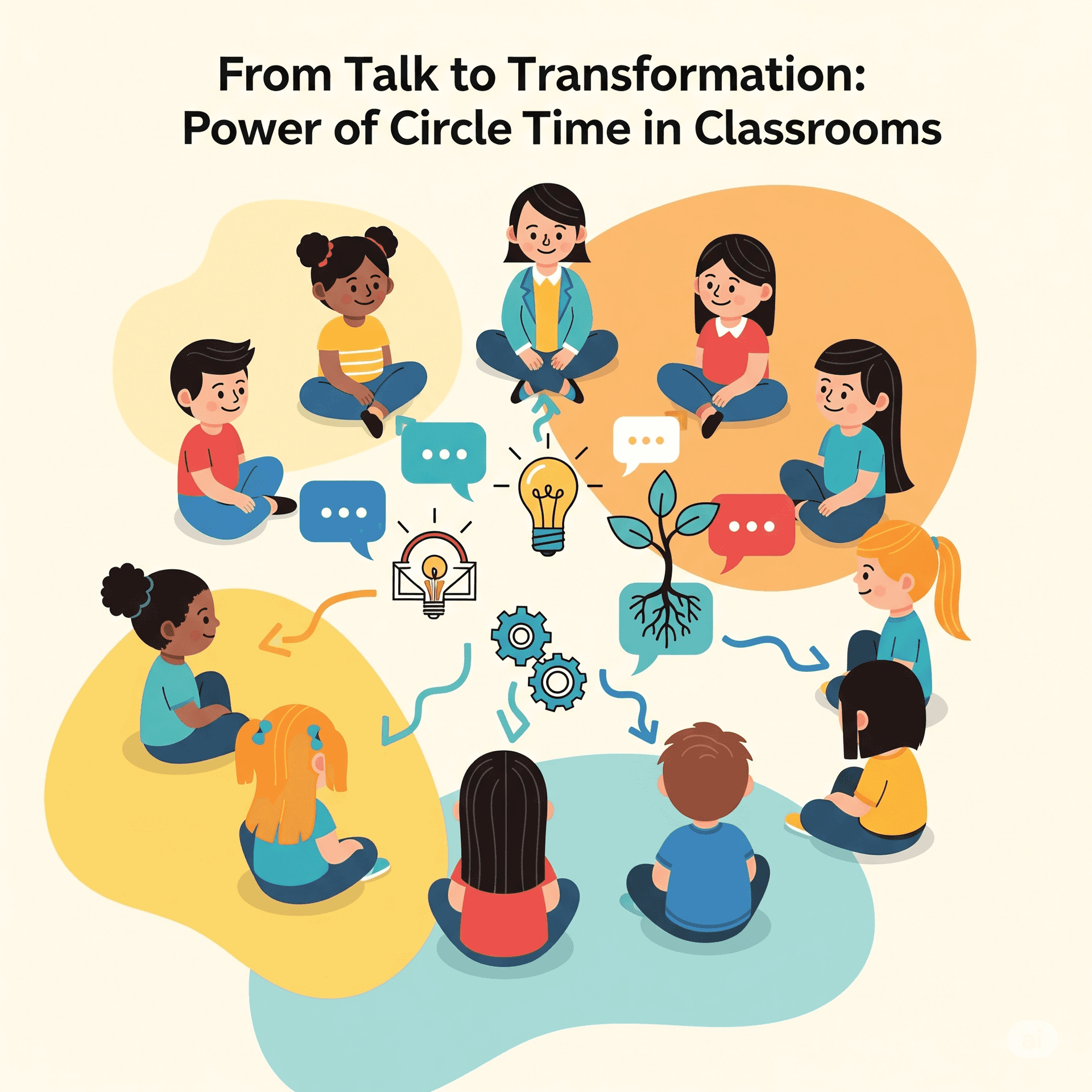

Classroom learning is often associated with structured teaching, textbooks, and technology. But equally important are practices that shape a child’s personality, behavior, and social development. One such powerful tool used across the globe in early and primary education is Circle Time. It creates a safe space where students are encouraged to communicate, reflect, and grow together- beyond academic boundaries.
Aadya Academy - The World School, one of the best schools in Bangalore, recognizes the value of holistic learning and social-emotional development. That’s why Circle Time is deeply woven into the fabric of its school culture. From pre-nursery to primary classes, students at Aadya actively engage in this interactive and thoughtful practice that helps them blossom into confident and mindful individuals.
In this article, we’ll explore what Circle Time really means, its growing importance in early education, the key benefits it brings to students, and how Aadya Academy- The World School, Bangalore, has transformed this simple idea into a powerful learning tool.
Also Read | 3 Cs That Transform Education at Aadya Academy
What is Circle Time?
Circle Time is a structured yet informal group activity that fosters connection, communication, and mutual respect among students and teachers. It serves as a dedicated time for sharing ideas, expressing emotions, and building trust within the classroom community.
The following features make Circle Time an engaging and inclusive practice:
-
Interactive Setup: Circle Time usually takes place with students sitting in a circle or semi-circle along with their teacher. This equal seating arrangement removes hierarchy and promotes openness.
-
Teacher-Guided Yet Child-Led: Initially, the teacher may guide the session, but students are gradually encouraged to take charge- sharing thoughts, leading small activities, or even setting discussion topics.
-
Safe and Respectful Environment: The setting ensures that each student feels seen and heard. It’s a space where speaking freely, listening actively, and respecting others are core values.
-
Routine and Rhythm: Conducted regularly, Circle Time can signal the start of a day, act as a bridge between subjects, or serve as a winding-down activity. The structure offers predictability and comfort, especially for younger students.
The Purpose of Circle Time in Early and Primary Education
Circle Time is more than just a feel-good ritual. The following key intentions highlight its deeper role in shaping young learners:
-
Fostering Emotional Awareness: Helping students express and understand their feelings: Through guided discussions or role-play, children learn to name emotions, empathize with others, and manage their responses better.
-
Encouraging Group Participation: Making every child feel like they belong: Circle Time boosts social integration by allowing each student to contribute, no matter how big or small their input is.
-
Developing Communication Skills: Sharpening listening and speaking abilities from a young age: Children practice respectful dialogue, wait their turn to speak, and learn how to articulate ideas clearly.
-
Creating Transitions with Purpose: Helping students mentally shift between activities: Circle Time can serve as a calm transition between high-energy tasks or a thoughtful start to the day.
-
Reinforcing Positive Behavior: Cultivating values and routines in a natural way: Teachers can use this time to gently address classroom conduct, reward positive behavior, or talk about moral choices.
Benefits of Circle Time for Students
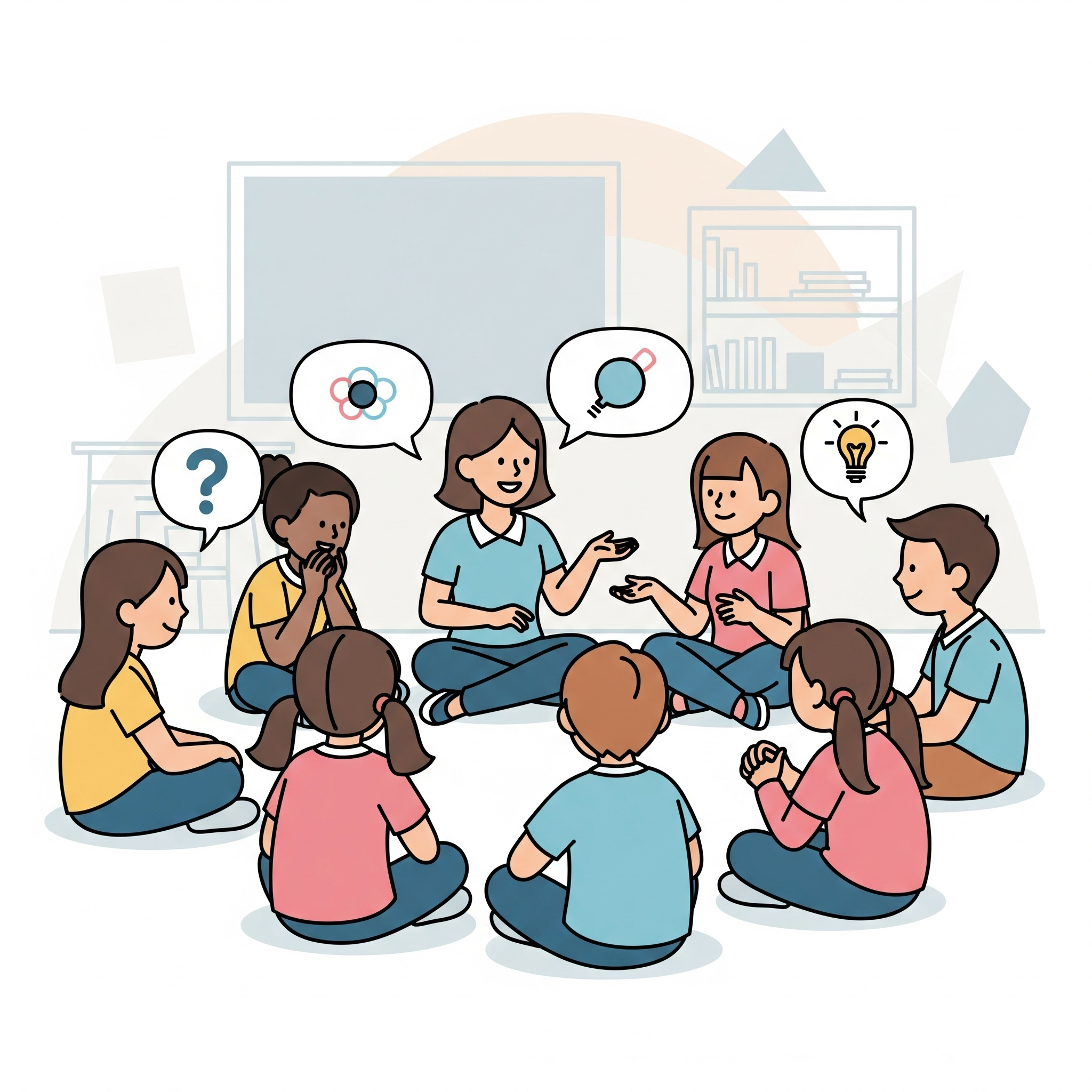
Circle Time has tangible outcomes that extend far beyond the classroom. The long-term benefits for children are as follows:
-
Boosts Confidence and Self-Esteem: Being heard builds self-worth: When children are given a space to share ideas or stories regularly, they start to feel more confident about expressing themselves publicly.
-
Improves Peer Relationships: Understanding, cooperation, and trust develop naturally: Group activities and shared stories help children bond, settle disputes constructively, and build empathy.
-
Strengthens Focus and Attention: Teaches students to stay present: Through turn-taking and listening games, Circle Time gradually improves attention span and reduces impulsive behavior.
-
Encourages Critical Thinking: Promotes asking questions and exploring answers: Thought-provoking prompts or real-life scenarios help children reflect deeply, form opinions, and engage in problem-solving.
-
Supports Emotional Resilience: Learning that it’s okay to make mistakes: Mistakes are embraced as part of learning during Circle Time, creating a culture where children feel safe to try, fail, and try again.
Check Out | Why SEL is Key to Student Success: The Millennium School’s Unique Approach
Aadya Academy- The World School: A Space Where Children Truly Grow
At Aadya Academy- The World School, Bangalore, one of the best ICSE schools in Bangalore, Circle Time is not a checkbox activity- it’s a deeply enriching practice. Established in 2022, the school offers classes from Pre-Nursery to Grade 10. Circle Time here is used as a meaningful way to help students explore, express, and evolve.
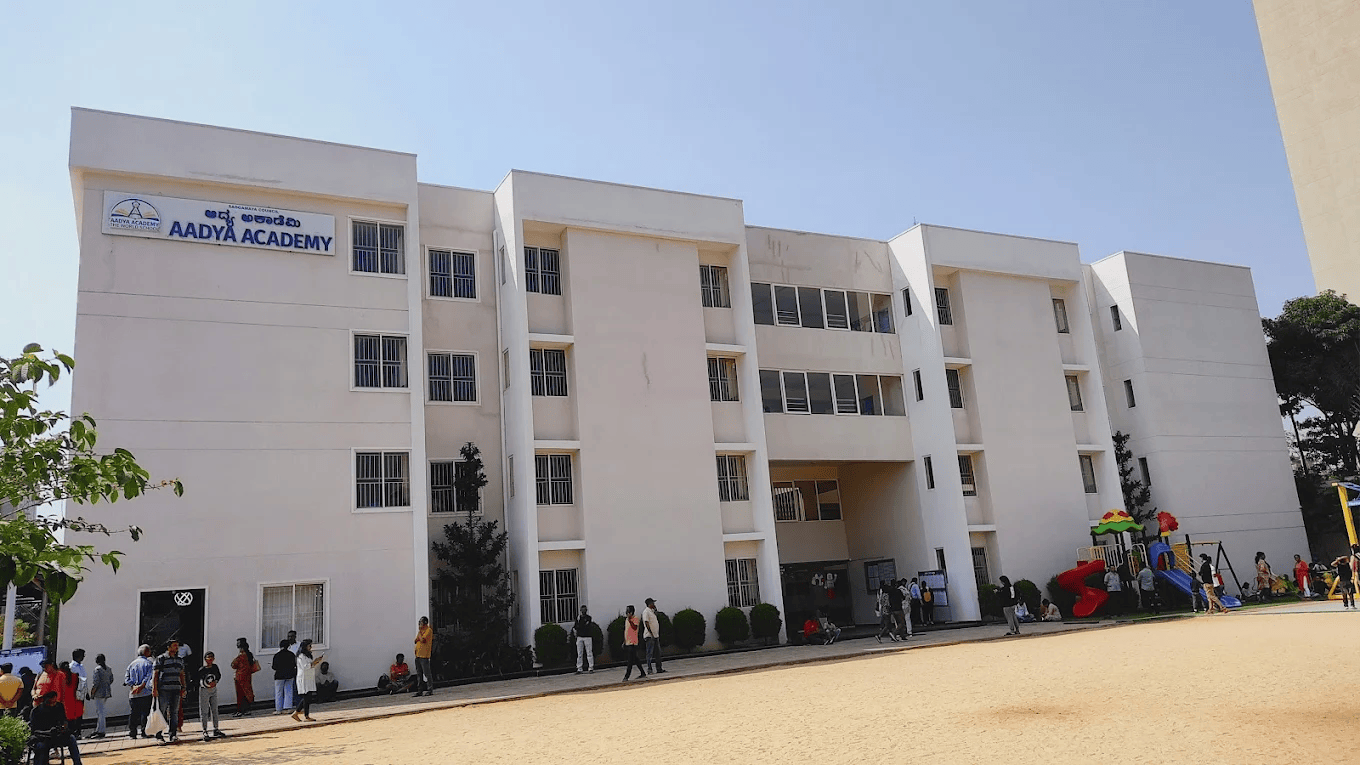
Here’s a glimpse into popular Circle Time activities at Aadya Academy:
-
Singing & Dancing: Fun-filled group songs and movement-based activities boost energy and classroom spirit.
-
Story Time & Flashcards: Interactive storytelling encourages imagination and introduces new vocabulary and values.
-
Pass the Expression & Role Play: Students express emotions or mimic situations, helping them build empathy and creativity.
-
Finger Puppets & Pretend Play: Young learners use props to act out scenes, which supports early language development.
-
Games like Musical Chairs, Memory Games, and Spell Bee: These are not only enjoyable but also instill patience, focus, and friendly competition.
Teachers at Aadya are trained to guide Circle Time with empathy and attentiveness. Over time, students start leading parts of the session themselves- a reflection of growing independence and leadership.
With a coeducational setup, a healthy student-teacher ratio of 12:1, and a 1.5-acre campus, Aadya Academy offers a close-knit learning environment where every child is nurtured and known. The smaller class size allows for practices like Circle Time to be deeply effective and personalized.
At Aadya Academy - The World School, Circle Time is more than a routine- it’s a journey of transformation. By consistently making space for every voice, the school helps its students grow into thoughtful, responsible, and emotionally intelligent individuals. Whether through storytelling, reflection, or fun group games, Circle Time lays the groundwork for stronger social connections, sharper communication skills, and deeper personal development.
When schools take the time to invest in “soft skills” like empathy, mindfulness, and cooperation- real learning begins. Aadya Academy ensures these values aren’t just taught but lived, one circle at a time.
For more information on this and other such schools in the area, check out this list of the best schools in Bangalore.













 as a preferred source on