




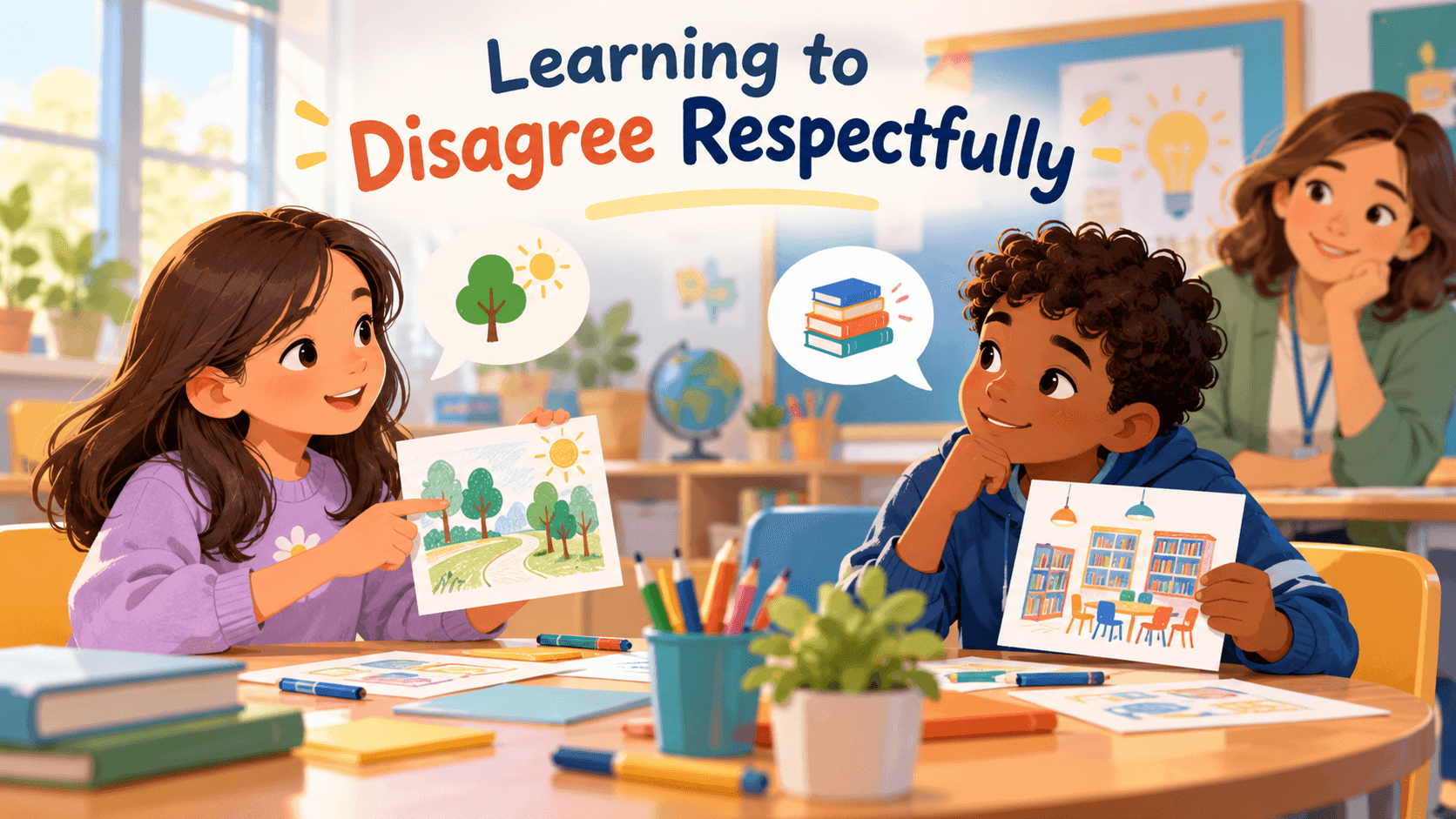

Your child is playing with friends when someone suggests a different game. Instead of discussing it, your child gets upset, argues, or refuses to participate. Later, you wonder why such a small disagreement turned into a big problem.
Disagreements are a normal part of growing up. Children have different ideas, preferences, and opinions, just like adults. For parents exploring the Top schools in bangalore, learning how children develop communication and social skills can be just as important as understanding their academic progress. The goal is not to teach children to agree with everyone, but to help them express their thoughts without hurting others.
Why Respectful Disagreement Is an Important Life Skill
Children encounter disagreements almost everywhere. They may have different opinions about classroom activities, friendship groups, games, or family decisions. These situations give them opportunities to practise important communication skills.
When children learn to disagree respectfully, they become better at explaining their thoughts, listening to different perspectives, and understanding that other people may see the same situation differently.
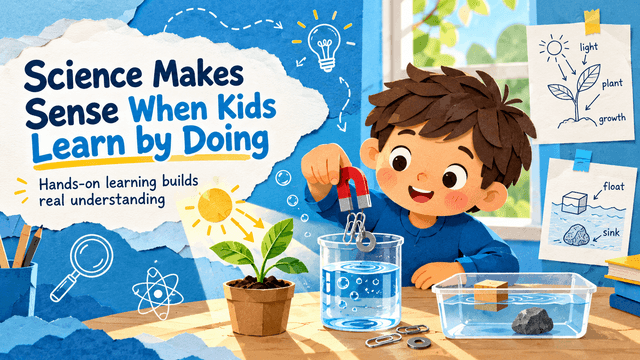
For example, two classmates working on a science project may disagree about which experiment to choose. One wants to demonstrate how plants grow, while the other prefers an experiment involving water. Instead of arguing, they can explain their choices and consider which idea works best for their project.
This teaches children that disagreements do not always need winners and losers. Sometimes, listening to another person's reasoning can help them find a better solution.
Respectful disagreement also encourages independent thinking. Children learn that they can have their own opinions without making others feel wrong or unimportant.
What Happens When Children Struggle With Different Opinions?
Not every child responds to disagreement in the same way. Some become angry or defensive, while others stay silent because they are afraid of upsetting someone.
Imagine a child who always agrees with friends, even when uncomfortable with their decisions. Over time, the child may find it difficult to express personal preferences or set boundaries.
Another child might react strongly whenever someone challenges an idea. This can lead to unnecessary arguments and difficulties maintaining friendships.
These behaviours do not necessarily mean children are intentionally being disrespectful. They may still be learning how to manage frustration, communicate feelings, and understand opposing viewpoints.
According to guidance from the Harvard Graduate School of Education, empathy and perspective-taking are important parts of children's social development. Helping children recognise other people's feelings can support more constructive interactions.
Parents can help by treating disagreements as opportunities for learning rather than situations that always require immediate correction.
How Parents Can Teach Children to Disagree Respectfully
Respectful communication develops through practice. Parents can introduce simple habits during everyday conversations.
1. Teach children to listen before responding
Encourage your child to hear the other person's complete explanation before sharing an opinion. Remind them that listening does not mean they must agree.
2. Introduce polite ways to express different opinions
Children often need examples of what respectful disagreement sounds like. Teach phrases such as:
"I understand what you're saying, but I think differently."
"Can I explain why I feel that way?"
"Maybe we can find another solution."
These expressions help children communicate without attacking someone else's viewpoint.
3. Encourage children to explain their reasoning
Instead of simply saying something is wrong, encourage children to explain why they disagree.
For instance, if siblings disagree about which television programme to watch, ask each child to share their preference and suggest a fair solution.
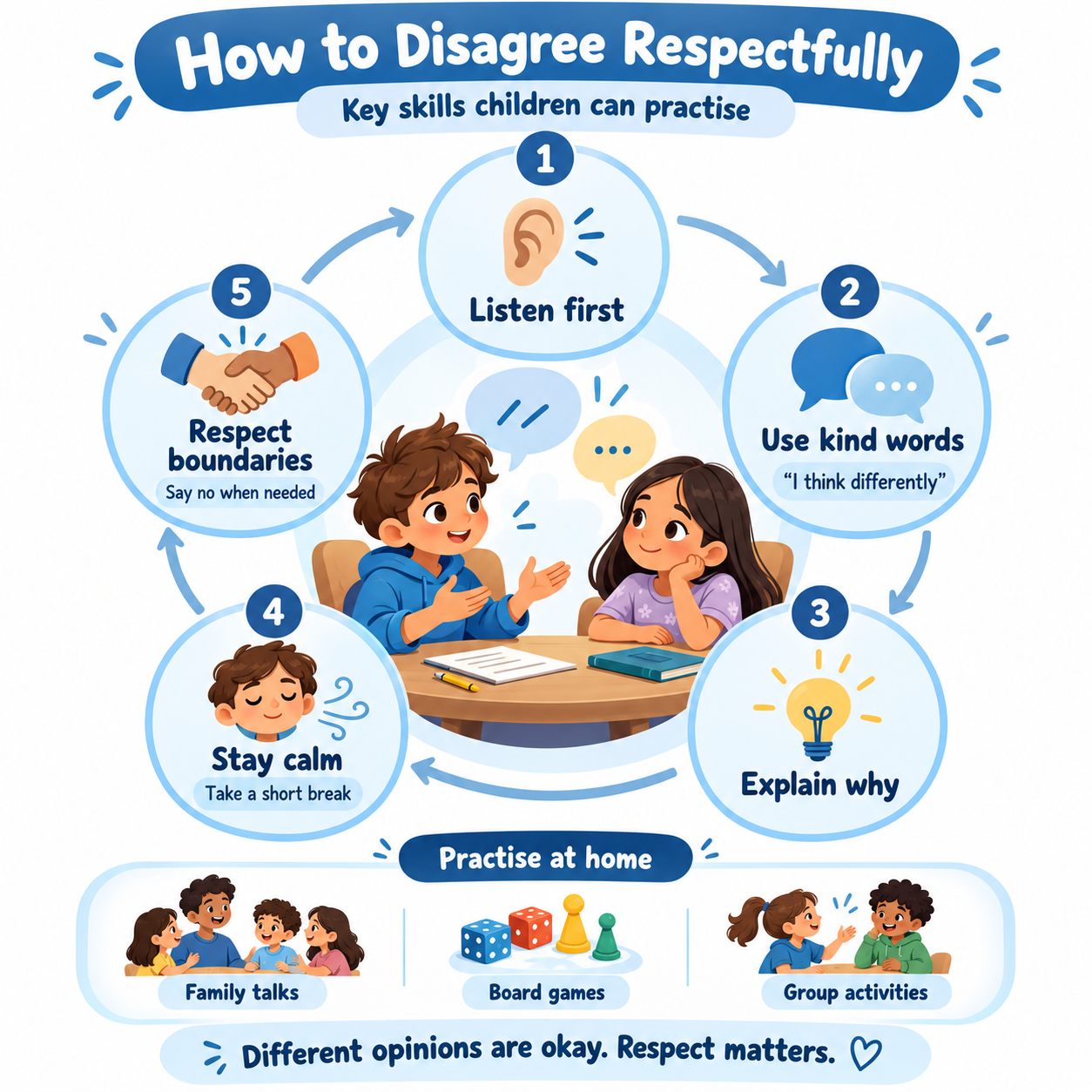
4. Help children manage strong emotions
Children may struggle to communicate calmly when frustrated. Teach them that taking a short break, breathing slowly, or returning to the discussion later is acceptable.
The aim is not to suppress emotions but to prevent frustration from turning into hurtful behaviour.
5. Model respectful disagreements at home
Children observe how adults communicate. When parents listen patiently, acknowledge different opinions, and avoid personal criticism, they demonstrate healthier ways to handle conflicts.
UNICEF's parenting guidance also emphasises listening carefully and maintaining supportive communication with children.
Importantly, respectful disagreement does not mean accepting bullying, unfair treatment, or unsafe situations. Children should feel comfortable saying no, explaining their boundaries, and seeking help when necessary.
How Everyday Activities Can Strengthen This Skill
Children do not need formal lessons to practise respectful disagreement. Ordinary family activities can create meaningful learning opportunities.
During dinner, parents might ask everyone to suggest a weekend activity. Family members can explain their preferences, consider other suggestions, and decide together.
Board games offer another opportunity. Children practise accepting different strategies, following shared rules, and handling disappointment.
Similarly, group assignments and team activities encourage children to discuss ideas, share responsibilities, and reach decisions together.
After a disagreement, parents can ask simple questions: "What did your friend think?" or "Could you have explained your idea differently?"
Such conversations help children reflect without feeling judged.
Learning Respectful Communication at The Cambridge International School - Sarjapur Road(TCIS), Haralur, Bangalore
Developing respectful communication is an important part of children's overall education. At The Cambridge International School - Sarjapur Road(TCIS), Haralur, Bangalore, this broader aspect of learning can be connected to the importance of communication, social interaction, and personal development in school life. While exploring the Best schools in bangalore, parents can consider how a school's learning environment may provide opportunities for children to express opinions, participate in discussions, listen to classmates, and work together. These everyday experiences can help children understand the value of different viewpoints and practise communicating with respect.

Conclusion
Children will not always agree with their friends, classmates, or family members, and they should not be expected to. What matters is learning to handle those differences thoughtfully. When parents encourage listening, patience, and open communication, children get opportunities to develop the confidence to express themselves while respecting others.
For more information on this and similar schools, check out this list of the best schools in Bangalore.
 as a preferred source on