






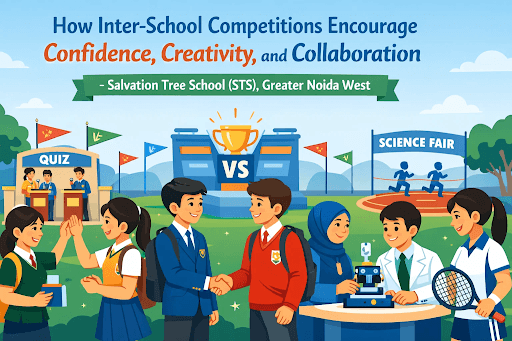

School life is often associated with classrooms, textbooks, and exams. But some of the most memorable learning moments happen outside that structure. On a stage. On a sports field. In a debate hall. In spaces where students step out of routine and test themselves in front of others.
This is where inter-school competitions begin to play an important role. They introduce students to a different kind of learning environment. One that is slightly unpredictable. A little challenging. And often, far more engaging, and for parents exploring the best schools in Greater Noida West, exposure to such competitive platforms is increasingly becoming a factor worth considering.
If you’re a parent, it’s worth asking how often your child will get opportunities to step into such spaces and learn beyond textbooks. So to know better read the following article till the end.
Also Read | From Nursery to Career: The Complete Educational Journey at Salvation Tree School, Greater Noida West
Confidence Grows When Students Step Outside Familiar Spaces
One of the biggest changes students experience during inter-school competitions is a shift in confidence. Presenting in front of classmates feels familiar. Competing with students from other schools feels different. There is a new audience. New expectations. A new level of pressure.
But it is exactly this environment that helps students grow. Whether it is public speaking, performing arts, or sports, these experiences push students to:
- Express their ideas clearly
- Handle stage presence and audience attention
- Manage nervousness and self-doubt
Over time, repeated participation in such events often leads to improved self-confidence. In fact, studies on extracurricular participation suggest that students involved in competitive activities show higher self-esteem and better social confidence compared to those who are not regularly engaged in such experiences.
-
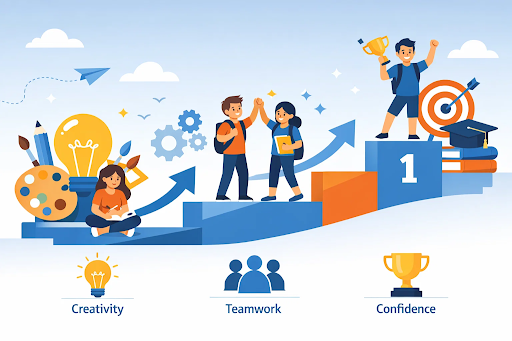
Creativity Finds Space Beyond the Classroom
Classroom learning often follows a structured format. There are defined answers. Defined methods. Defined outcomes. Competitions, on the other hand, allow more flexibility. Events such as art competitions, storytelling, music, drama, and innovation challenges encourage students to think differently. To experiment. To present ideas in their own way.
This freedom often supports creative development. According to education research, participation in arts and creative competitions is linked to improved problem-solving abilities and enhanced creative thinking skills among students. It allows them to explore ideas without the fear of being strictly “right” or “wrong.” And sometimes, that freedom becomes the starting point for discovering hidden talents.
-
Collaboration Becomes a Natural Skill
Not all competitions are individual. Many inter-school events involve teamwork group performances, quizzes, project presentations, or sports matches. These situations require students to work together toward a shared goal. Through such experiences, students begin learning:
- How to communicate ideas within a team
- How to divide responsibilities
- How to manage disagreements and different viewpoints
- How to support each other under pressure
A report by the World Economic Forum highlights collaboration as one of the most important skills required for future workplaces. Early exposure to team-based activities can help students gradually build this ability. In competitions, collaboration is not taught directly. It is experienced. And that makes a difference.
-
Exposure to Diverse Perspectives
Inter-school competitions also expose students to peers from different institutions, backgrounds, and learning environments. This exposure matters. Students observe different approaches, ideas, and performance styles. They begin to understand that there are multiple ways to solve the same problem or present the same concept.
Such interactions can:
- Broaden thinking patterns
- Encourage adaptability
- Improve communication with unfamiliar groups
These are subtle learnings. But over time, they contribute to social awareness and confidence in diverse environments.
-
The Numbers Behind Extracurricular Participation
Research continues to highlight the benefits of activities beyond academics:
- Students involved in extracurricular and competitive activities are 20–30% more likely to develop leadership and teamwork skills.
- Participation in structured competitions has been linked to better academic engagement and lower dropout rates.
- According to global education studies, students engaged in co-curricular programs often demonstrate improved communication skills and higher overall confidence levels.
These findings suggest that competitions are not just events. They are part of a broader learning process.
Check Out | How do Extracurriculars Enhance Student Life?
Where Salvation Tree School (STS), Greater Noida West Fits In?
Within the educational landscape of Greater Noida West, Salvation Tree School (STS) is one of the institutions participating in an environment where inter-school engagement is becoming increasingly relevant for student development.
Located in Tech Zone VII, the school operates in a region where educational institutions are growing alongside expanding residential communities. In such settings, opportunities for students to participate in activities beyond academics often become an important part of the overall school experience.
At Salvation Tree School, inter-school competitions form one of the platforms through which students engage with peers outside their immediate classroom environment. These events may include academic contests, cultural performances, sports competitions, and collaborative activities that bring together students from different schools.
Participation in such events allows students to experience both individual and team-based challenges. While some students take part in public speaking, arts, or academic competitions, others engage in group performances or sports, where coordination and teamwork become essential.
The school environment also supports preparation for these events through regular practice, guidance from teachers, and structured activity schedules. These processes help students gradually build confidence before stepping into competitive settings.
Another aspect of inter-school participation is exposure. Students interact with participants from different schools, observe varied approaches, and adapt to new environments. These experiences often contribute to improving communication skills and social adaptability.
Like many schools in expanding urban areas, Salvation Tree School (STS), Greater Noida West functions not only as a place for academic learning but also as a platform where students explore opportunities that extend beyond textbooks.
For parents exploring the best schools in Greater Noida West, institutions that actively encourage participation in inter-school competitions often become part of the broader conversation around holistic development and student engagement.
Conclusion
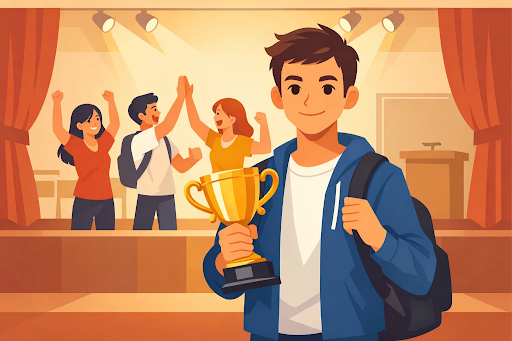
Inter-school competitions introduce students to a different dimension of learning. One that is dynamic, interactive, and often challenging. They help build confidence by placing students in unfamiliar situations. They encourage creativity by allowing freedom of expression. And they develop collaboration through shared goals and teamwork.
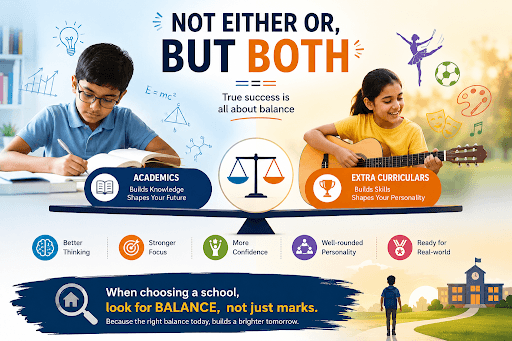
While academics remain essential, such experiences add depth to a student’s overall development. As educational expectations continue to evolve, schools are increasingly recognizing the importance of these platforms because sometimes, the lessons learned outside the classroom on a stage, in a competition, or within a team are the ones students carry forward the longest.
Parents can look beyond results and ask how regularly students get the chance to participate, collaborate, and explore their interests through such platforms.
If you’d like to explore more about this and other schools, you can take a look at the list of top schools in Greater Noida West.


 as a preferred source on