






Imagine a little kid attempting to get his steps in with the dhol during Navratri. He is watching the others; he is doing a few steps; he misses a beat; he tries again. He may not know a thing about Navratri, but it's a tradition that's been going on in their family for generations.
India has so many popular dance forms that are all linked in some way to the history, traditions, and beliefs of the various communities of India. Dancing is a way for children to learn about the traditions and customs they represent and the reasons why those traditions are celebrated.
It's a way of making learning about Indian culture fun for young kids, as they actually get to do it rather than just read about it or hear about it. So in this article, we are going to understand how these traditional folk dances actually impact the growth and development of children and why this is more than a mere fun activity.
How do different dance forms teach different values?
All over India, different places have their own way of celebrating in the form of music and dance. The steps, the dress, and the song are all inspired by the lives of the people who created them.
- During Navratri celebrations, Garba and dandiya are very popular(Particularly in Gujarat). The whole community and their families come out to dance in circles to the music of Garba.
- Bharatanatyam from Tamil Nadu is an Indian classical dance that tells stories through hand gestures, facial expressions, and body movements. Kathak is another Indian classical dance, known for its spins and footwork and the way it tells stories.
- Bihu is a dance that is performed in Assam at various times of the year and around the Bihu festival of the harvest.
As the children learn these dances, they learn about the different types of India's traditions. They will see that for centuries the dance has been a form of worship, a form of entertainment, and a form of communication.
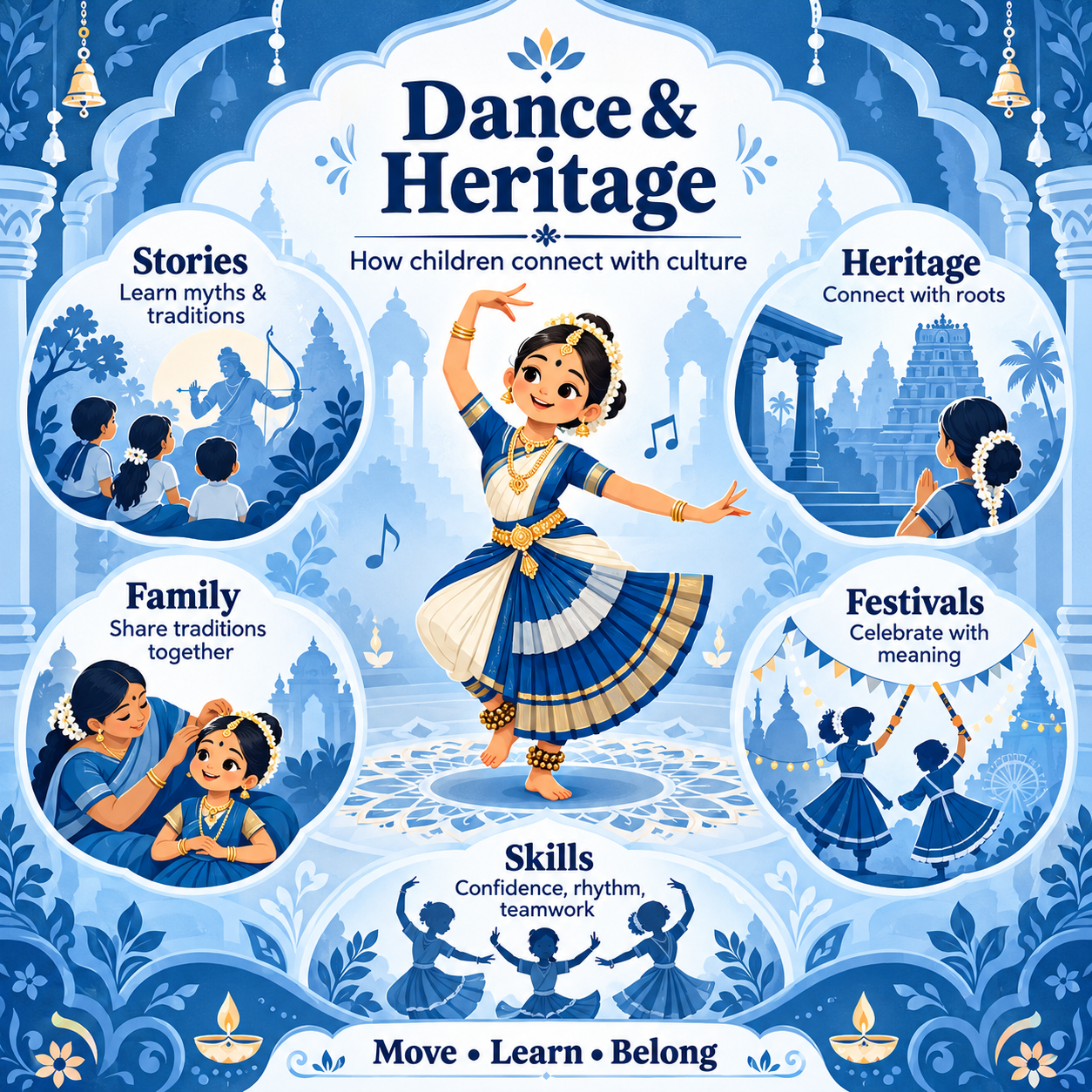
How do traditional dance Forms help Children to grow holistically?
Traditional dance also has some skills and skills that the children use in their daily life.
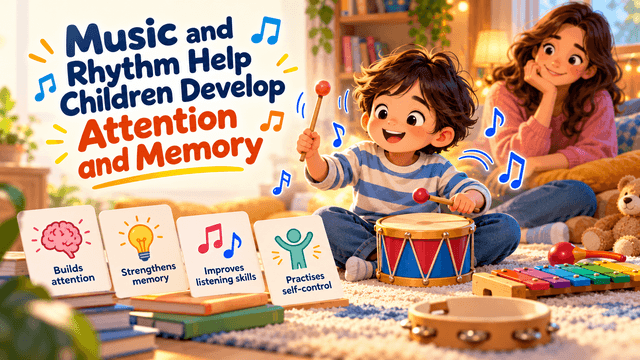
- Motor coordination: Moving to the beat involves balance and hand and foot coordination, and the fine motor control of playing an instrument or keeping time.
- Confidence: When children learn a new series of steps and practice it, it can lead to increased confidence in expressing themselves.
- Working as a team: They have to watch for other dancers in group dances, stay in time, and keep position.
- Creativity: Children can express and communicate their emotions in various ways, including actions, expressions, role play, and gestures.
They don't need to be turned into expert performers to gain some of these advantages. Children can also participate in activities that include dance and find ways to incorporate it into their own practices, interactions, and learning.
Why just schools? Parents can also help their children learn it at home
Parents can expose children to traditional dance where there is no lesson or the kids are not required to learn in terms of steps. Introduce your child to local folk music at home by teaching them a couple of easy dance steps. At festivals, tell your little one the history behind one of the dances being performed.
Performances from other parts of India can raise questions. What do children notice about the costumes, music, and movements? Families can participate in cultural events in the community or learn simple dance routines together.
Let children participate at their own level. Some children will want to perform,m and some children will want to observe before joining in.
The idea is to get them familiar with these traditions, rather than to criticise how well they perform.
How Schools Introduce Children to Indian Dance Traditions
School celebrations give children the opportunity to participate in traditional dances with their classmates, teachers and families. They may also learn customs they don't have the opportunity to observe at home.
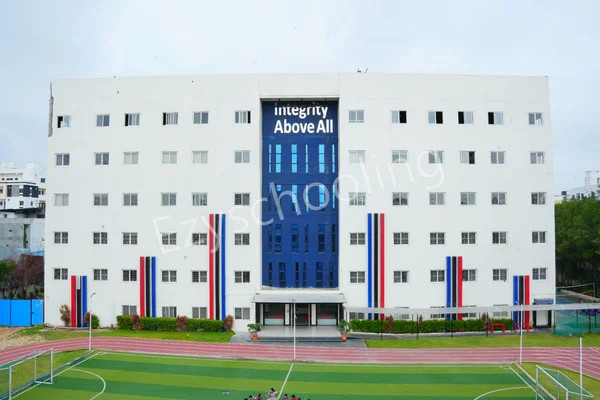
The Premia Academy, Attapur, Hyderabad: A recent Garba Night at the school brought together preschoolers and their parents from across the city. The entire school family congregated on the school lawns in vibrant traditional attire for an evening of Garba dancing along with prizes and activities that prompted a family to celebrate as a family. For the little ones who attended the school, it was an opportunity to participate in the dance of Navratri with their parents and other families.
Traditional dance is an enjoyable and easy method that is used in teaching kids about the culture of India. In dancing, the kids learn about their festivals, tales, music, as well as customs followed in different areas within the country. It also gives kids a chance to spend time with family members, socialize, and learn various other aspects of life.
By motivating kids to dance traditionally, both parents and schools play an important role in introducing the kids to their cultural heritage. Even some very basic dance moves can be the start of a kid’s cultural journey.
Wanna explore more about this school and others in the nearby area? Visit


 as a preferred source on