






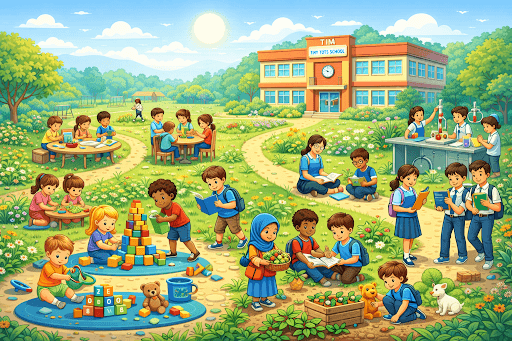

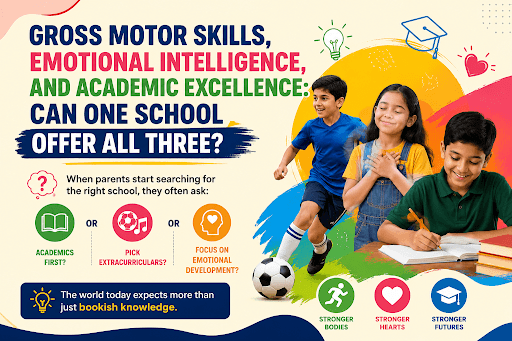
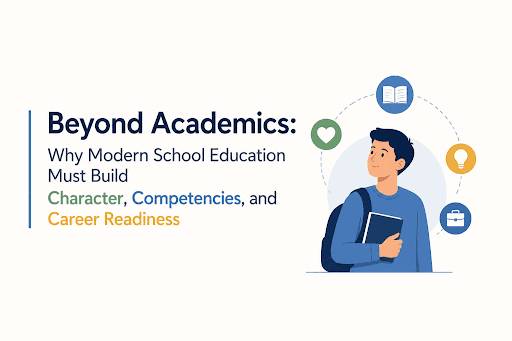
Education today isn't just about scoring well in exams—it's about shaping well-rounded individuals who can think critically, communicate effectively, and contribute meaningfully to society. Parents increasingly seek schools that don't just focus on academics but nurture every aspect of their child's personality, from creativity to emotional intelligence.
Finding a school that offers consistent, holistic education across all developmental stages—from the playful exploration of kindergarten to the disciplined preparation of Class 10—can be challenging. The Tiny Tots English School in Charholi Budruk, PCMC, Pune, exemplifies this comprehensive approach, following the CBSE curriculum while prioritising complete child development at every level.
In this article, we'll explore why holistic education matters at different stages, how learning approaches evolve from early childhood through adolescence, and what makes continuous, integrated education so impactful for young learners.
Also Read | The Power of Play: The Tiny Tots “Learning Orchestra”
The Foundation Years: Why Early Childhood Education Matters
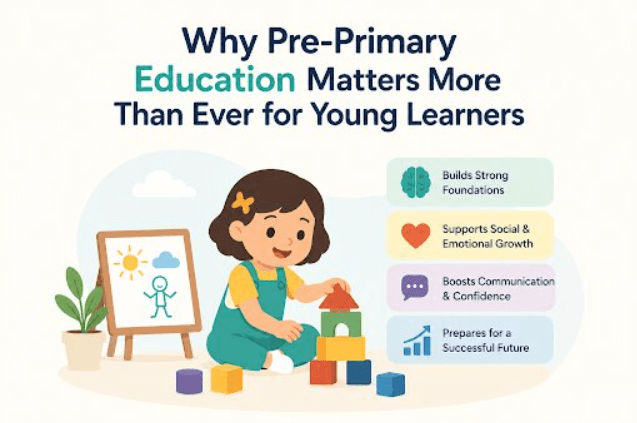
The years between the ages of 2 and 6 are truly remarkable. This is when a child's brain develops at its fastest pace, forming neural connections that will influence their learning, behaviour, and health throughout their lives. What happens during these early years doesn't just prepare children for school—it shapes who they become as adults.
Early childhood education has evolved significantly from simple daycare to structured, research-backed programmes designed to maximise this critical developmental window.
The Science Behind Early Learning
Research shows that 90% of brain development occurs before age five. During this period, children absorb information like sponges, developing language skills, emotional regulation, and basic cognitive abilities. Quality early education programmes leverage this natural curiosity, turning everyday activities into learning opportunities. Children who attend well-structured pre-primary programmes demonstrate better social skills, higher academic achievement, and improved problem-solving abilities throughout their school year.
Play-Based Learning: More Than Just Fun
Play-based learning isn't about letting children run wild—it's a carefully designed pedagogical approach where play becomes the vehicle for education. When a child builds with blocks, they're learning spatial awareness, geometry, and problem-solving. When they engage in pretend play, they develop language skills, empathy, and creativity. This method aligns with how young brains naturally learn, making education enjoyable rather than stressful. Unlike traditional rote methods that emphasize memorization, play-based approaches encourage children to explore, experiment, and discover concepts independently.
Bridging the Gap: Primary Education and Skill Development
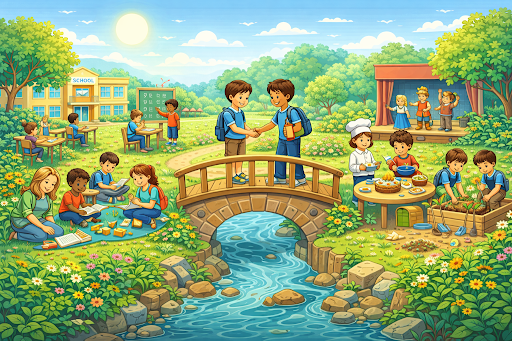
Primary school is a major transition. Children move from learning through play to more structured academic environments, yet the best schools ensure this shift doesn't eliminate creativity and joy from learning.
The primary years (Grades 1-5) are when foundational academic skills take root. Children learn to read fluently, master mathematical concepts, and develop study habits that will serve them throughout their education. However, these years are equally crucial for building social skills, independence, and self-confidence.
Maintaining Curiosity While Building Structure
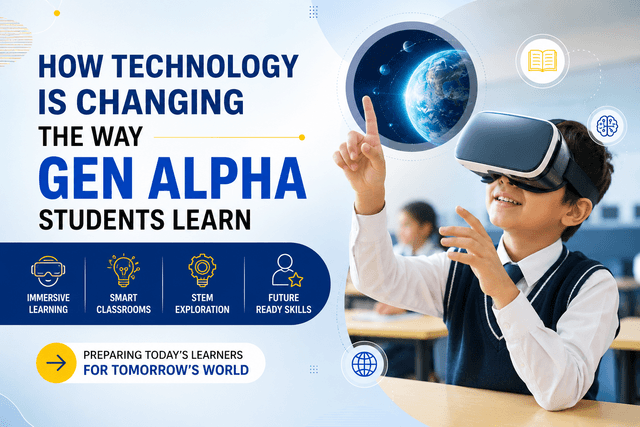
The challenge in primary education is balancing academic rigour with developmental needs. Children at this age still learn best through hands-on experiences and interactive activities. Smart classrooms with technology integration—interactive whiteboards, educational apps, and multimedia resources—make abstract concepts tangible. For instance, a virtual tour of the solar system is far more engaging than reading about planets in a textbook. Small class sizes allow teachers to identify each child's learning style and adapt instruction accordingly.
The Power of Interdisciplinary Learning
Gone are the days when subjects existed in isolation. Modern primary education connects different disciplines, helping children see how knowledge relates to real life. A lesson on butterflies might combine science (life cycles), art (drawing), mathematics (counting patterns), and language (descriptive writing). This integrated approach deepens understanding and makes learning memorable. Students develop critical thinking by applying knowledge across contexts rather than compartmentalising information.
The Teenage Transition: Secondary Education Challenges
Adolescence brings dramatic changes—physical, emotional, and cognitive. Secondary school (Grades 6-10) must address these shifts while preparing students for board examinations and future career paths. This delicate balance necessitates meticulous consideration of both academic and personal development requirements.
Beyond Textbooks: Co-Curricular Activities Matter
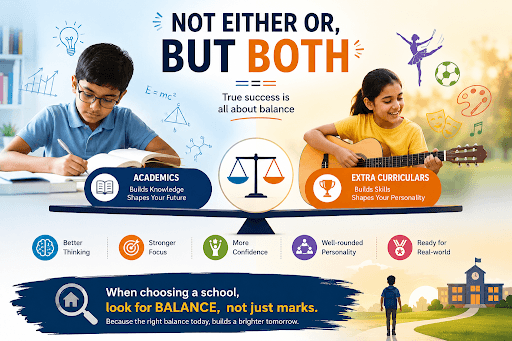
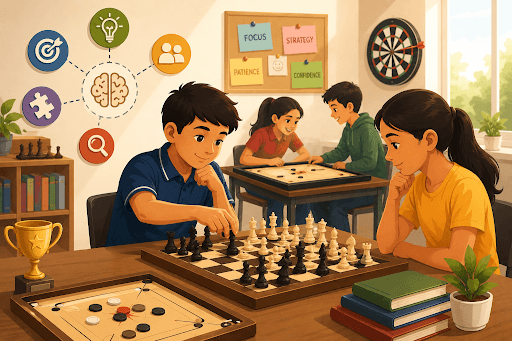
Teenagers need outlets for their energy and creativity. Co-curricular activities—sports, debates, music, drama, art—aren't just "extras". They're essential for developing teamwork, leadership, time management, and resilience. Students who participate in diverse activities often perform better academically because these experiences teach discipline and stress management. A student struggling with exam anxiety might find confidence through stage performances, while another discovers leadership potential through organising community service projects.
Mental Health and Emotional Support
The teenage years can be turbulent. Academic pressure, peer relationships, and identity formation create stress that previous generations didn't face as intensely. Schools that provide counselling services and prioritise emotional well-being create safe spaces where students can navigate these challenges. Teaching emotional intelligence—self-awareness, empathy, and relationship skills—is as important as teaching algebra or chemistry. Students who learn to manage their emotions and communicate effectively are better prepared for life beyond school.
Key Elements of Holistic Education Across All Stages
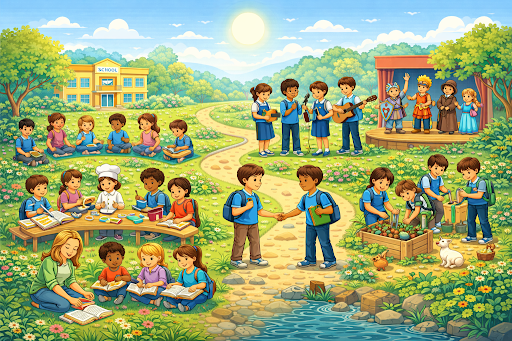
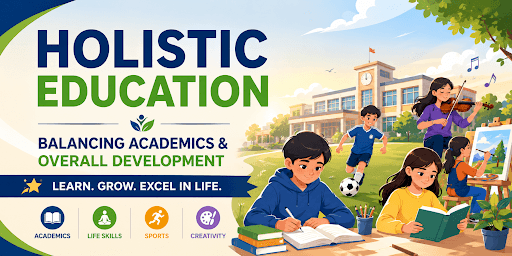
True holistic education addresses the complete spectrum of human development. It recognises that academic knowledge alone doesn't prepare children for the complexities of modern life. Instead, education should nurture multiple dimensions of growth simultaneously, adapting approaches to each developmental stage while maintaining consistency in values and vision.
The Six Pillars of Complete Development
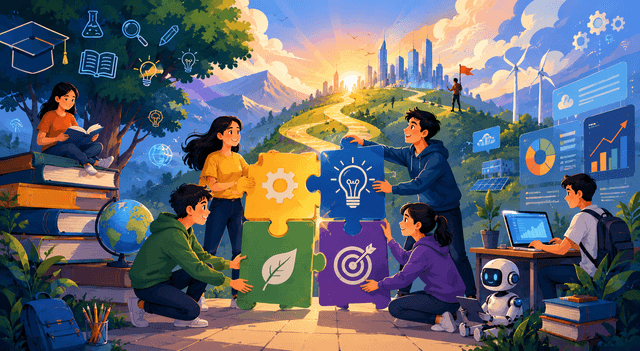
Comprehensive education rests on several interconnected foundations:
- Academic Excellence: Rigorous curriculum that challenges students intellectually while making learning engaging and relevant
- Physical Development: Regular sports, yoga, and outdoor activities that build fitness, coordination, and healthy lifestyle habits
- Emotional Intelligence: Programs that teach self-regulation, empathy, conflict resolution, and positive relationship-building
- Creative Expression: Arts, music, drama, and creative writing opportunities that nurture imagination and original thinking
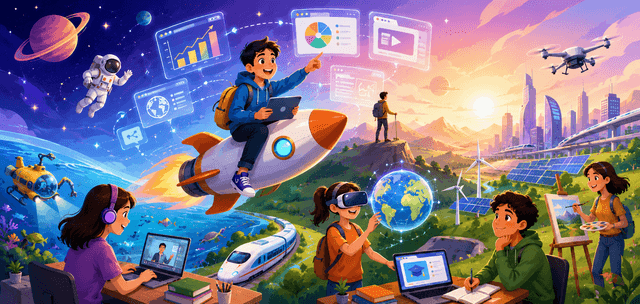
- Technology Literacy: Coding, robotics, digital citizenship, and responsible tech use, preparing students for a digital world
- Social Responsibility: Community service, environmental projects, and civic engagement, teaching students to contribute positively to society
Continuous Growth from Kindergarten Through Class 10
The real advantage of holistic education lies in continuity. When schools maintain this comprehensive approach across all grades, students benefit from consistent values and progressive skill-building. A kindergartner learning to share toys develops the same collaborative spirit that, years later, helps them work on group projects in Class 9. The creativity nurtured through finger painting in pre-primary eventually manifests in innovative science fair projects in secondary school.
Check Out | Castles, Curriculum, Compassion: Inside Mother’s Pride School’s Award-Winning Approach
Tiny Tots English School, Pune: Seamless Holistic Education from Kindergarten to Class 10
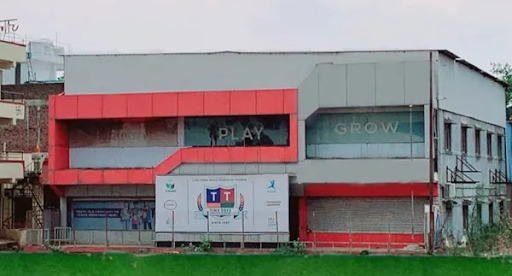
Established in 1997, Tiny Tots English School in Charholi Budruk, PCMC, Pune, has been delivering comprehensive CBSE education for over two decades. The school serves students from kindergarten through Class 10, providing uninterrupted holistic development across all critical growth stages.
Tiny Tots prioritises creating an environment where learning thrives. Air-conditioned classrooms ensure comfort during Pune's hot summers, while state-of-the-art facilities include well-equipped science labs, computer labs with coding and robotics programmes, libraries, and expansive sports fields. CCTV surveillance throughout campus and stringent fire safety measures ensure student security remains paramount.
Small class sizes distinguish Tiny Tots from larger institutions. This deliberate approach allows teachers to understand each student's unique learning style, strengths, and challenges. Real-time tracking systems keep parents informed about academic progress, attendance, and behaviour, fostering strong home-school partnerships. An advanced mobile app provides instant updates, circulars, and announcements.
The school's curriculum seamlessly blends play-based early learning with CBSE academic standards. Kindergarten and pre-primary students explore through hands-on activities, games, and creative play. As students progress to primary grades, structured learning integrates technology and interdisciplinary projects. Secondary students benefit from smart boards and comprehensive co-curricular programmes, including debates, quizzes, sporting tournaments, and cultural events.
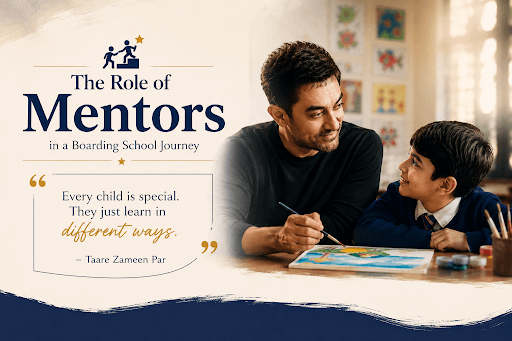
Tiny Tots emphasises values alongside academics. Social and eco-activities—community clean-ups, sustainable gardening projects—instil environmental stewardship and social responsibility. Counsellors provide emotional support, helping students navigate adolescence with confidence. The experienced, passionate faculty creates nurturing classroom environments where students feel valued and motivated.
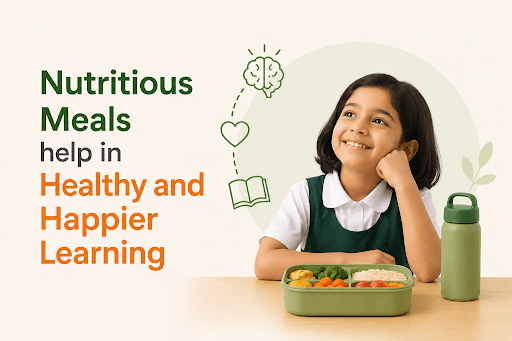
Understanding that quality education should be accessible, Tiny Tots maintains reasonable fees without compromising educational standards. The day care facility supports working parents. offering supervised activities and nutritious meals beyond regular school hours. The school's prime location in PCMC ensures convenience for families across Pune.
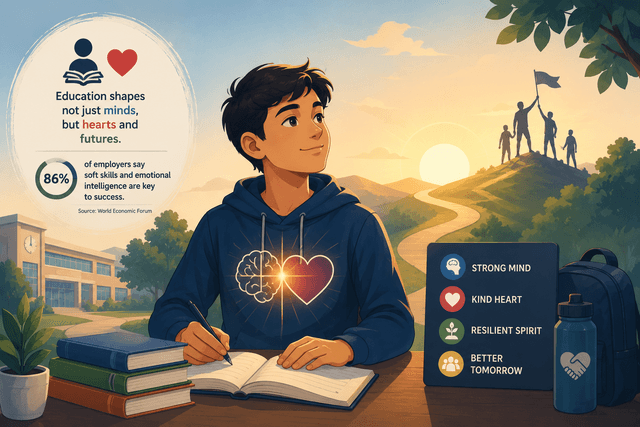
Tiny Tots' mission centres on developing responsible global citizens equipped with knowledge, skills, and strong values. The vision emphasises empowering minds with knowledge, hearts with compassion, and futures with limitless possibilities—reflected daily in their holistic approach to education.
If you're seeking an educational institution that nurtures your child's complete development from their first steps into kindergarten through their board examinations in Class 10, Tiny Tots English School offers a comprehensive, caring environment where young minds truly flourish. Schedule a campus visit to experience firsthand how holistic education transforms learning into joyful discovery and academics into lifelong growth.
For more information on this and other such schools in the area, check out this list of the best schools in Pune.
 as a preferred source on