








The early years of a child's life are nothing short of magical. Between ages zero and five, a child's brain develops at an astonishing pace, forming over one million neural connections every second. These formative years don't just shape academic readiness; they lay the groundwork for emotional intelligence, social skills, and lifelong learning habits. Yet, finding the right preschool that nurtures this critical phase with care, creativity, and evidence-based practices remains a challenge for many parents.
In Gurgaon's bustling educational landscape, Mother's Pride School in Sector 5 stands as a testament to what early childhood education can achieve when love meets pedagogy. In this article, we explore the essential elements of quality preschool education, the global methodologies transforming Indian classrooms, and how one institution has woven these principles into an award-winning tapestry of learning.
Also Read | The Nurturing Philosophy of Mother’s Pride
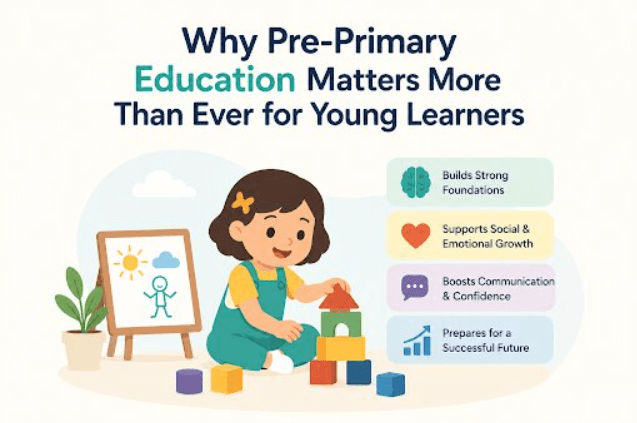
The Foundation Years: Why Early Childhood Education Matters
The preschool years represent far more than preparation for formal schooling. Research consistently shows that quality early childhood education creates ripples that extend throughout a person's lifetime, influencing everything from academic performance to career success and emotional well-being.
Brain Development in the Formative Years
A child's brain at birth is only about 25% of its adult size, but by age three, it reaches approximately 80% of adult volume. This rapid growth isn't just physical. During these years, children form the neural pathways that support language acquisition, emotional regulation, and problem-solving abilities.
Quality preschool environments rich in stimulation, interaction, and emotional warmth literally shape how a child's brain develops. When children feel secure and loved, their brains release hormones that promote learning and memory formation. Conversely, stressful or neglectful environments can hinder this important milestone.
The 2020 National Education Policy recognises this reality, dedicating significant attention to foundational learning. It emphasises that investing in early childhood care and education yields the highest returns among all educational investments, with studies suggesting returns of up to 7%–10% per annum in terms of individual productivity and social benefits.
Beyond Academics: Holistic Growth in Preschools
Modern early childhood education has evolved beyond teaching the alphabet and numbers. Today's quality preschools understand that a three-year-old needs to develop confidence just as much as they need to recognise colours. They need to learn sharing and empathy alongside shapes and sizes.
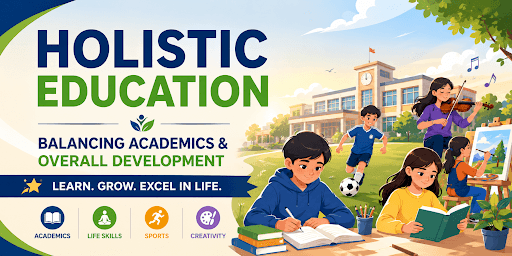
Holistic development encompasses five key domains: cognitive, physical, social, emotional, and creative growth. A child who masters reciting rhymes but struggles to make friends or manage frustration isn't receiving a complete education. Similarly, a physically active child needs opportunities to explore artistic expression and develop language skills.
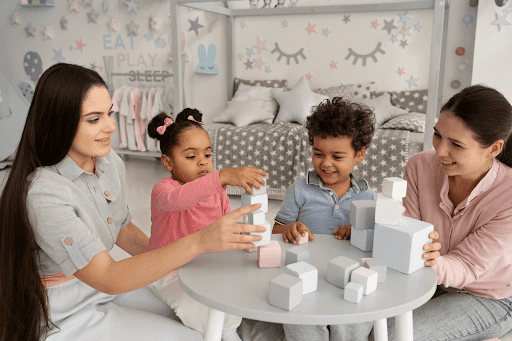
The best preschools weave these developmental areas together seamlessly. A simple activity like building blocks with peers simultaneously develops fine motor skills, spatial reasoning, cooperation, turn-taking, and creative thinking. This integrated approach ensures children don't just learn; they flourish.
Global Teaching Methodologies Shaping Indian Preschools
Indian preschools are increasingly looking beyond traditional rote learning, embracing internationally recognised methodologies that honour how young children naturally learn. These approaches aren't just trendy imports; they represent decades of research into child development and pedagogy.
Reggio Emilia Approach
Born in post-World War II Italy, the Reggio Emilia approach revolutionised early childhood education with a simple yet profound idea: the environment is the third teacher. In this philosophy, the classroom itself becomes a learning tool, carefully designed to provoke curiosity, exploration, and discovery.
Children in Reggio-inspired classrooms don't sit passively receiving information. Instead, they investigate, question, and construct knowledge through hands-on projects. Teachers act as facilitators and documenters, observing children's interests and building curriculum around their natural curiosity. This approach respects children as capable, curious individuals with valuable ideas worth exploring.
Montessori Method
Dr Maria Montessori's century-old methodology remains remarkably relevant today. At its core lies a beautiful paradox: children learn best when given freedom within carefully prepared boundaries. Montessori classrooms offer self-directed activity where children choose their work from thoughtfully designed materials.
This method recognises that children possess an innate drive to learn and don't need external rewards or punishments. When a three-year-old concentrates intensely on pouring water between containers, they're not just playing; they're developing focus, hand-eye coordination, and understanding of cause and effect. The teacher's role is to prepare the environment and guide without interfering with the child's natural learning process.
Play-Based and Experiential Learning
"Play is the work of childhood," said Fred Rogers, and neuroscience confirms this wisdom. When children engage in play, their brains light up with activity. They're not avoiding learning; they're immersed in it.
Play-based learning recognises that young children understand the world through direct experience and sensory exploration. A child learns more about fractions by sharing pizza slices during pretend play than through abstract worksheets. They grasp concepts like heavy and light by actually lifting and comparing objects, not by memorising definitions.
Experiential learning takes one step further by creating meaningful, hands-on experiences. Planting seeds teaches patience, responsibility, and biology. Cooking activities incorporate maths, science, language, and life skills. These experiences stick because they engage multiple senses and connect to children's lived reality, making abstract concepts tangible and memorable.
Infrastructure and Facilities: Creating Magic for Young Learners
Walk into any quality preschool, and you'll immediately sense something special. The colours, the child-sized furniture, the accessible materials, the natural light—every element speaks to thoughtful design. This isn't superficial decoration; it's evidence-based environmental design that profoundly impacts how children learn and feel.
Physical spaces for young learners should balance stimulation with calm. Bright colours and engaging displays capture attention and create excitement, but overwhelming sensory input can stress young nervous systems. The best preschool environments achieve harmony, offering zones for active play, quiet reflection, creative exploration, and social interaction.
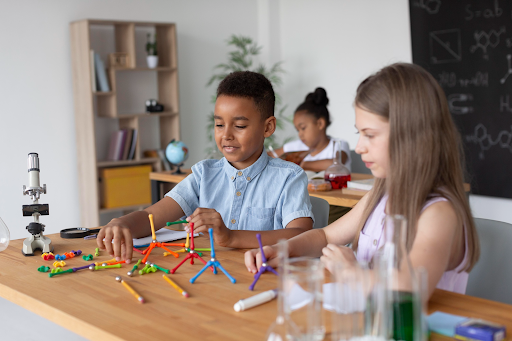
Specialised learning spaces have become hallmarks of progressive preschools. Art studios encourage creative expression without fear of mess. Language labs make phonetics and vocabulary acquisition playful and multisensory. Nature corners bring the outdoors inside, allowing children to observe plants, insects, and natural phenomena up close. Innovation labs introduce age-appropriate technology and problem-solving challenges.
Safety remains paramount, but it shouldn't mean sterile, unstimulating spaces. Children need age-appropriate challenges—climbing structures that test their abilities, outdoor areas where they can run freely, and materials they can manipulate independently. These experiences build physical skills, confidence, and risk assessment abilities that serve them throughout life.
The Parent-School Partnership in Early Education
No preschool, regardless of excellence, operates in isolation. A child's development results from countless influences, with family remaining the most powerful. The most successful early childhood programs recognise this reality and actively cultivate strong partnerships with parents.
Communication forms the foundation of this partnership. Regular updates about a child's day, developmental milestones achieved, and areas needing support help parents understand and extend learning at home. But communication should flow both ways. Teachers need to know about changes in family circumstances, cultural practices, and individual child needs that parents understand best.
Progressive schools go beyond basic updates, offering parenting workshops that address common challenges. These sessions might explore positive discipline strategies, screen time management, or supporting language development at home. When parents feel equipped and supported, children benefit from consistency between home and school environments.
Some preschools create opportunities for parents to participate directly in classroom activities, special events, or field trips. These experiences give parents insight into their child's school life and strengthen the community feeling that makes preschool years so special for families.
Check Out | Strengthening the Home-School Partnership
Mother's Pride School, Sector 5, Gurgaon: Where Love Blossoms and Learning Thrives
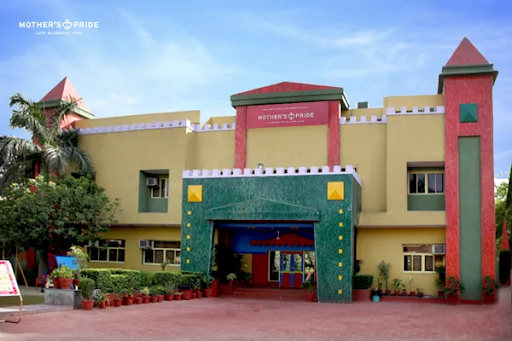
Established in 1996, Mother's Pride School has grown from a single thoughtfully designed campus in Paschim Vihar to over 110 branches nationwide. The Sector 5, Gurgaon branch embodies the institution's founding vision while serving families in one of the city's most sought-after residential areas. With nearly three decades of experience, the school has refined its approach while maintaining an unwavering commitment to child-centred education.
Under the visionary leadership of Honorary Chairperson Mrs Sudha Gupta, Mother's Pride has earned recognition as an Outstanding Woman Entrepreneur and garnered over 100 national and international awards. What sets the institution apart is its unique "Curriculum of Love" philosophy—an approach that recognises emotional security as the foundation for all learning. The school maintains the distinction of being India's only preschool with a dedicated Research and Development department, ensuring practices remain evidence-based and current.
Mother's Pride seamlessly integrates four globally recognised teaching methodologies: Reggio Emilia, Montessori, play-based, and experiential learning. Rather than adhering rigidly to one approach, the school draws on each methodology's strengths, creating a comprehensive framework called the "High Fives of Development." This integration happens in spectacular castle-themed facilities featuring specialised spaces like the Art & Innovation Lab with 3D printers and robotics kits, Nature's Lab with mini-greenhouses and weather stations, Language Lab with phonetic software, and Holistic Development Centres equipped with sensory play equipment.
The school offers carefully structured programs for different age groups: the groundbreaking "Mom & I" program for toddlers and their mothers, followed by play groups, pre-nursery, and nursery levels. Each programme builds developmentally appropriate skills while maintaining the joyful, nurturing atmosphere that defines Mother's Pride. Beyond classroom learning, children experience unique opportunities like meeting dignitaries, visiting Parliament, and participating in celebrations ranging from Ganesh Chaturthi to Friendship Day. Mrs Sudha Gupta's transformative positive parenting seminars have empowered thousands of families, creating ripple effects that extend far beyond school walls. With 700+ trained pedagogues and 200+ quality managers ensuring excellence, Mother's Pride School in Sector 5, Gurgaon, exemplifies how love, research-backed practices, and world-class infrastructure can create truly magical early childhood experiences.
Give your child the foundation they deserve. Explore more about Mother's Pride School, Sector 5, Gurgaon, and discover how the Curriculum of Love can transform your child's early years. Apply Now to begin this extraordinary journey.
For more information on this and other such schools in the area, check out this list of the best schools in Gurgaon.



 as a preferred source on