







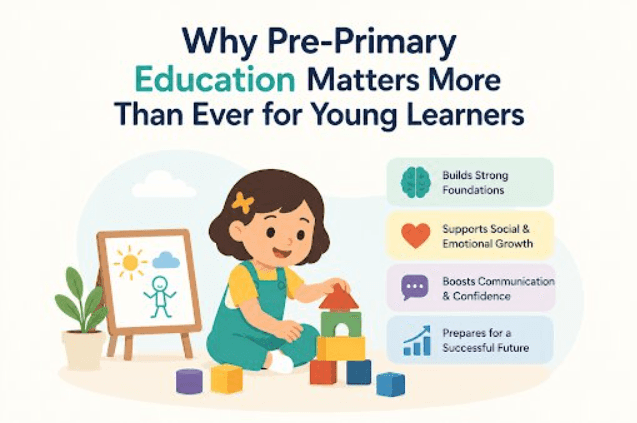

Education starts at a very young age. In fact, the first five years of a child’s life shape the rest of their life, deciding how they think, communicate, build relationships, and approach learning. While many parents focus on academics later, experts often point out that foundational skills such as communication, emotional regulation, curiosity, and confidence begin developing much earlier.
This is why pre-primary education has evolved beyond simply teaching the alphabet and numbers. Pre-primary education now focuses on nurturing well-rounded individuals who are confident, curious, and ready to learn.
Understanding the role and benefits of early childhood education can help parents make informed choices that support their child's long-term development.
Today, through this article, we’ll try to venture into understanding how pre-primary education builds the early versions of the talented humans that they become. We’ll also talk about the importance of pre-primary education in schools, through the example of one of the best schools in Hyderabad, The Premia Academy, while also discussing the framework that builds early childhood education through a structure.
What is Pre-Primary Education?
Pre-Primary education refers to the stage of learning that takes place before formal schooling, typically covering children between the ages of three and six years. This stage generally includes Nursery, Lower Kindergarten (LKG), and Upper Kindergarten (UKG).
Unlike traditional classroom learning, pre-primary education is designed around exploration, play, interaction, and hands-on experiences. Children learn through stories, games, art, music, movement, and structured activities that encourage them to observe, ask questions, and engage with the world around them.
The goal is not to accelerate academic learning but to create a strong developmental foundation that prepares children for future educational success.
Also Read| Scholarship Education Affecting Children's Education
Key Benefits of Pre-Primary Education
Building Social Skills
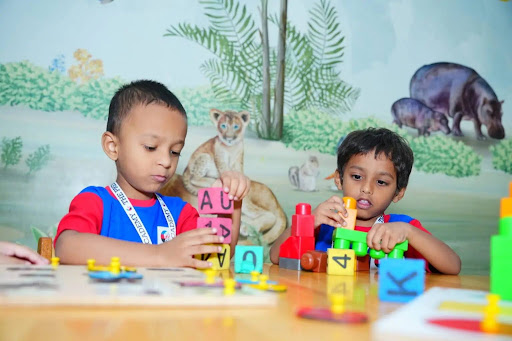
Children in their younger years are the most unsociable beings, and thus, an environment that teaches students to engage and socialize with the students their age, helps them build their social skills and moves them out of their shell. It teaches students to share resources, take turns, cooperate during activities, and work as part of a group.
These experiences help them develop empathy, patience, and interpersonal skills that are essential throughout life. Learning how to communicate with others and navigate social situations at an early age often contributes to greater confidence and adaptability later on.
Strengthening Communication and Language Development
The preschool years are critical for language acquisition. Through conversations, storytelling sessions, songs, rhymes, and interactive activities, children expand their vocabulary and improve their ability to express thoughts and emotions.
A strong foundation in communication not only supports future academic achievement but also helps children build meaningful relationships and develop self-confidence.
Encouraging Cognitive Growth
Young children are naturally curious. Effective pre-primary programs harness this curiosity by encouraging exploration, questioning, and problem-solving.
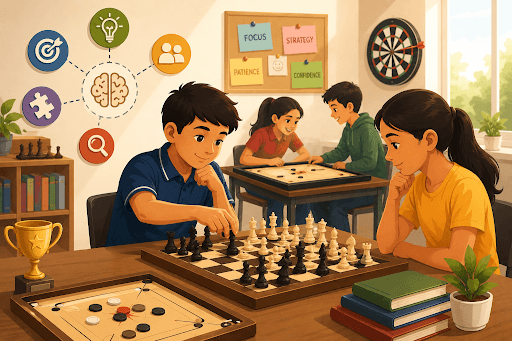
Activities such as puzzles, building blocks, sorting games, and simple experiments help children develop logical thinking, creativity, and analytical skills. These experiences strengthen cognitive abilities while fostering a love for learning.
Supporting Emotional Development
Learning how to identify and manage emotions is a vital part of early childhood education. Pre-primary environments help children understand feelings, develop resilience, and become comfortable expressing themselves.
Positive interactions with teachers and peers provide opportunities to build self-esteem and emotional security, both of which contribute to healthy development.
Enhancing Physical Development
Physical activity is an important component of early education. Through outdoor play, sports, dance, and movement-based activities, children improve coordination, balance, strength, and motor skills.
Fine motor development is also encouraged through drawing, painting, threading, cutting, and other hands-on activities that prepare children for future writing and classroom tasks.
What Parents Should Look for in a Pre-Primary School
Choosing the right pre-primary school can significantly impact a child's learning experience. While every family has unique priorities, there are several factors parents should consider when evaluating early education programmes.
A Child-Centred Learning Approach
Young children learn differently from older students. Schools that embrace experiential and play-based learning often provide more meaningful opportunities for exploration and discovery.
Qualified and Caring Educators
Teachers play a crucial role in shaping a child's early experiences. A supportive and nurturing teaching environment helps children feel secure, valued, and motivated to learn.
Safe and Stimulating Environment
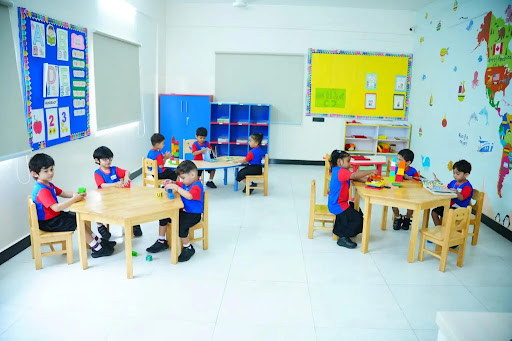
Children thrive in spaces that are both safe and engaging. Well-designed classrooms, age-appropriate learning materials, and secure facilities contribute to a positive educational experience.
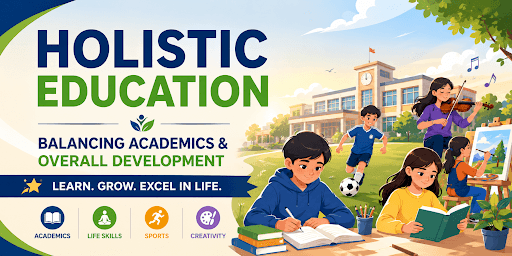
Focus on Holistic Development
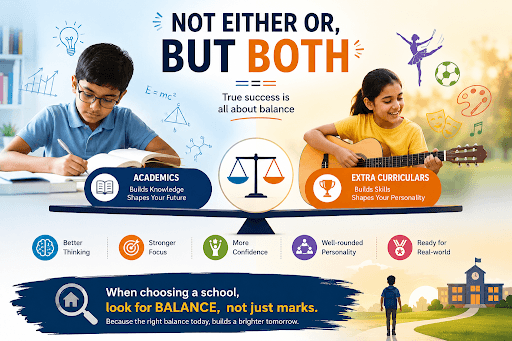
Academic readiness is important, but it should not come at the expense of social, emotional, and physical growth. The best pre-primary programmes focus on developing the whole child rather than concentrating solely on literacy and numeracy.
Life Skills and Future Readiness
Modern education increasingly recognises the importance of life skills such as communication, collaboration, decision-making, and responsibility. Introducing these concepts early helps children become more adaptable and confident learners.
Also Read| Holistic Education in an International School
The Growing Importance of Life Skills in Early Education
As the world continues to evolve, the skills children need for future success are changing as well. Beyond academic achievement, children are expected to communicate effectively, think critically, collaborate with others, and make responsible decisions.
Many educators now believe that these competencies should be introduced during the early years rather than waiting until later stages of schooling. By integrating life skills into everyday learning experiences, schools can help children develop habits and mindsets that support long-term growth and success.
Recognising this need, The Premia Academy in Hyderabad has developed a unique framework that introduces young learners to essential life skills alongside foundational academics.
How The Premia Academy's FRIENDS Framework Supports Holistic Learning
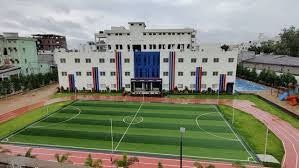
The kindergarten program of one of the best CBSE schools in Hyderabad, The Premia Academy, incorporates the FRIENDS framework, a structured approach designed to nurture multiple dimensions of a child's development.
F - Financial Literacy
Children are introduced to simple concepts related to value, saving, sharing, and making choices. These age-appropriate experiences help build early awareness of responsible decision-making.
R - Research & Collaborative Learning
Curiosity is encouraged through inquiry-based activities and collaborative projects. Children learn how to ask questions, explore ideas, and work together with their peers.
I - Invigorate Body & Mind
Physical wellness and mental well-being are promoted through activities such as yoga, movement-based learning, games, and mindfulness practices.
E - Enterprise & Ethics
Children are encouraged to develop responsibility, honesty, respect, and leadership qualities through guided classroom experiences and peer interactions.
N - Networking & Communication
Communication skills are strengthened through storytelling, presentations, discussions, and collaborative activities that help children express themselves confidently.
D - Digital & Tech Literacy
Technology is introduced in a safe and age-appropriate manner, helping children become familiar with logical thinking and basic digital concepts.
S - Sustainable Living
Environmental awareness is nurtured through activities such as plant care, clean-up initiatives, and discussions about caring for the world around them.
The Premia Approach to Kindergarten Education
Beyond the FRIENDS framework, The Premia Academy adopts a comprehensive approach to early childhood learning that combines academics with experiential education. Through storytelling, STEM activities, art, music, role-play, sports, and hands-on exploration, children are encouraged to learn by doing rather than simply observing.
The programme is designed to create a balance between structured learning and creative discovery, ensuring that children remain engaged while developing essential skills across multiple areas of growth.
Conclusion
Pre-primary education is far more than a stepping stone to primary school. It is a critical phase during which children develop the confidence, curiosity, communication abilities, and life skills that will support them for years to come.
As parents explore educational opportunities for their young learners, it becomes important to look beyond academics and consider programmes that nurture holistic development. By combining foundational learning with life-skill development through its innovative FRIENDS framework, The Premia Academy aims to provide children with a well-rounded start to their educational journey—one that prepares them not only for school, but for life.
For more information on this and similar schools, check out this list of the best schools in Hyderabad.

 as a preferred source on