







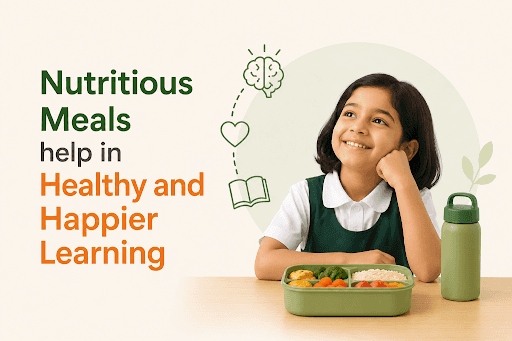

Food and nutrition are very important factors when it comes to a child's growth and learning. When a child's brain is developing, it requires multiple nutrients to grow, and they get them through what they consume. And so while classes and learning are important, they are not just limited to marks, homework, or examinations. Coincidentally, parents have started to realise this, and that is why parents have started to look for places where their children can get physical, emotional, mental, and social development. And they have landed on an important factor, which is nutrition.
A balanced meal is what most parents are looking for, because not only is it about satisfying hunger with food, but also about supporting brain development, concentration, energy levels, and even emotional well-being.
And that is what we wanted to discuss through this article. We’ll talk about how nutrition helps in building a child’s intelligence and how schools need to play a role in it. We’ll also try to explain this with an example of a school that is taking this practice into reality. We’ll talk about how one of the best schools in Bangalore, Goldenbee Global School, is working towards creating a nutrition-rich cafeteria.
Food And Learning
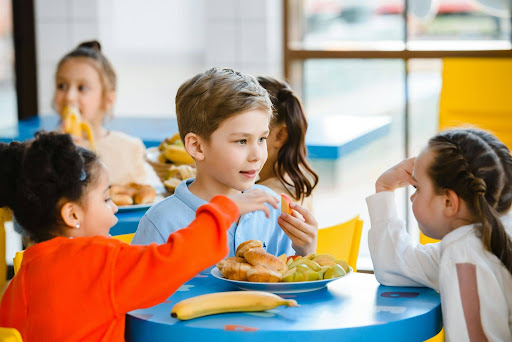
Studies have shown that children who experience food insecurity in their first years lack the same opportunities to be successful in school as children who were not food insecure.
It’s not just younger kids who are affected when they don’t have enough to eat. The effects follow a child and grow worse if the issue isn’t addressed. Experts say that food-insecure children have a harder time getting along with others, and they are more likely to repeat a grade.
A child who skips meals or consumes unhealthy food often struggles with attention, fatigue, irritability, and low energy. On the other hand, balanced meals help maintain stable energy levels, improving classroom participation and overall engagement.
Proteins support development, carbohydrates provide energy, healthy fats assist cognitive functioning, and vitamins and minerals strengthen immunity. Since children spend a major portion of their day at school, it becomes essential that schools contribute positively to these dietary needs.
This is particularly important in urban settings where many working parents may not always have the time to prepare fresh meals every single day. In such situations, a well-managed school cafeteria can become an important support system for both children and families.
The study found a significant correlation between balanced dietary practices, including regular intake of fruits and vegetables, and higher academic achievement. Studies show that 88.2% of children have three regular meals daily, 88.9% have breakfast consistently, and 24.8% of children have excellent school performance. Children with poor dietary habits exhibited lower academic performance compared to those with healthier diets.
Also Read| How School Environment Creates Happy and Successful Learners
Role of School in Building Eating Habits
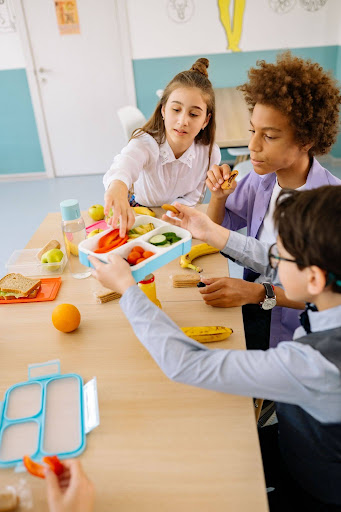
Schools play a unique role in shaping a child’s everyday routine. From discipline and communication skills to social behavior and teamwork, many lifelong habits begin within school environments. Eating habits are no different.
When schools actively encourage nutritious meals, children gradually start associating healthy food with normal daily living instead of considering it a forced choice. This becomes even more effective when schools combine healthy cafeteria practices with awareness around wellness and active living.
Moreover, meal times in schools are also social experiences. Children sit together, share conversations, and develop a sense of community. A well-maintained cafeteria environment, therefore, contributes not only to physical health but also to emotional comfort and social interaction.
School Cafeteria - An Evolving Species
In the last few years, the idea of school cafeterias has changed significantly. Earlier, cafeteria food was often associated with quick snacks and convenience-based eating. However, modern schools are beginning to understand that cafeteria spaces should encourage healthy eating habits from a young age.
Today, parents expect schools to provide food options that are hygienic, balanced, and thoughtfully prepared. Instead, they are looking for cafeterias that are staying away from the junk and instead focusing on the healthy.
A reputable cafeteria should focus on building healthy habits. Children who regularly consume balanced meals at school often develop a better understanding of nutrition, portion control, and mindful eating. Over time, these habits can positively influence their lifestyle choices even outside school.
Read Further| Teaching Life Skills through Social Responsibility
Goldenbee Global School, Bannerghatta, Supports Student Well-Being

While there might be multiple schools that would recognize the importance of nutrition, when it comes to the best ICSE schools in Bangalore, the Goldenbee Global School, Bannerghatta, recognizes it as an essential part of holistic education.
The school offers nutritious and balanced meals through its school cafeteria, designed to meet the dietary needs of growing children. This reflects an understanding that education extends beyond classrooms and textbooks. By ensuring students have access to healthy meals during the day, the school supports both their physical development and their ability to stay active and focused during learning hours.
In an age where many children are increasingly exposed to unhealthy eating habits and fast-food culture, schools that consciously prioritize balanced nutrition help create a more supportive and health-conscious learning environment.
For parents, this also brings a sense of reassurance. Knowing that children are receiving proper meals at school can reduce everyday concerns related to food quality, meal timing, and nutritional balance.
Education and Wellness Go Hand in Hand
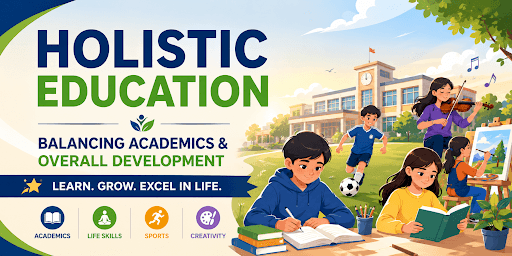
As education continues to evolve, schools are gradually moving toward a more holistic understanding of student development. Academic success alone is no longer considered enough. Health, emotional well-being, confidence, creativity, and lifestyle habits are all becoming equally important parts of the educational journey.
Nutritious meals may seem like a small aspect of school life, but they quietly influence nearly every part of a child’s day — from concentration levels in class to participation in activities and overall energy.
Schools that acknowledge this connection are helping create environments where children can truly thrive, both inside and outside the classroom.
To learn more about this and other schools in the area, see this list of the top schools in Bangalore.









 as a preferred source on