








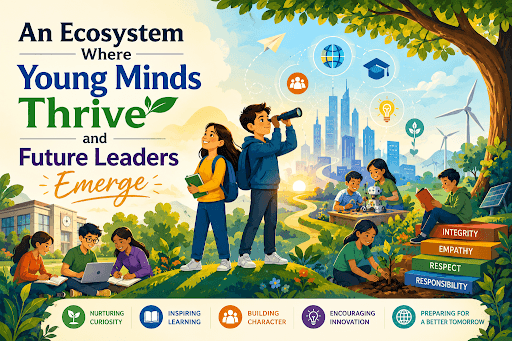
The world is evolving rapidly, and with it, the way we learn must evolve too. In a time when change is the only constant, one of the most important gifts schools can give children are information and the mindset to keep learning for life.
A growth mindset: the belief that abilities and intelligence can be developed with effort, strategy, and support is foundational to this vision. And the best time to cultivate this mindset? Childhood. The earlier students begin to embrace learning as an ongoing journey rather than a final destination, the more adaptable, resilient, and fulfilled they become.
In this article, we’ll explore how St. Teresa School, one of the best schools in Greater Noida West, is redefining education by nurturing a growth mindset from an early age. From skill-based learning and a culture of continuous growth to strong parent-school partnerships, we’ll uncover how the school empowers students to become curious, confident, and lifelong learners in a world that’s constantly evolving.
Also Read | Comprehensive Curriculum and Activities: Where Learning Meets ExperienceThe Seeds of a Growth Mindset: Curiosity, Resilience, and Reflection

Children are naturally curious. They ask questions, they experiment, they explore. The right learning environment builds on it. When educators encourage students to wonder, probe, and investigate rather than rush to a “right” answer, they ignite a love for learning that lasts well beyond school years.
A truly growth-oriented classroom helps students understand that failure isn’t the end, it’s the beginning. Students who are taught to see mistakes as stepping stones rather than setbacks become more resilient. They don’t fear challenges; they face them with grit. By consistently reinforcing the message that effort matters more than innate ability, schools nurture not only smarter learners but braver ones too.
Reflection is another crucial component. When students are encouraged to reflect on their learning, what worked, what didn’t, and how they can improve. They develop a deep understanding of how they learn best. This kind of metacognition lays the groundwork for lifelong self-directed learning.
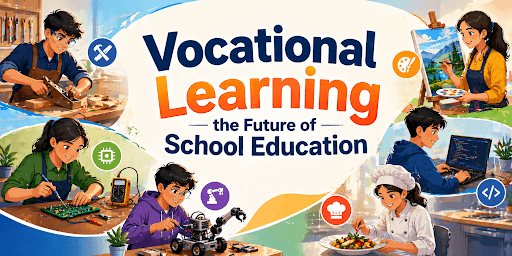
Skill-Based Teaching: The Future of Learning
Nurturing a growth mindset early, combined with a focus on real-world skills, sets students on the path of lifelong learning and personal success. Let's explore why:
-
Focus on Practical Skills Over Rote Learning: Instead of memorizing content, students learn how to apply knowledge in real-life scenarios.
-
Development of Core 21st-Century Skills: Emphasizes communication, collaboration, critical thinking, and creativity, skills essential for future success.
-
Problem-Solving at the Heart of Lessons: Students engage in solving real-world challenges, which nurtures innovation and independent thinking.
-
Prepares for a Dynamic Future: Equips students with the agility to adapt to evolving industries, technologies, and career paths.
-
Lifelong Learning Habits: Teaches students how to learn, unlearn, and relearn skills they will carry with them throughout life.
Creating a Culture of Continuous Growth
While teaching practices are key, the school culture plays an equally important role. A growth mindset cannot thrive in an environment of fear, comparison, or rigid rules. It needs a culture of encouragement, openness, and reflection.
In such schools, teachers are not just instructors, facilitators and mentors. They model curiosity by asking questions themselves. They normalize mistakes by sharing their own learning journeys. They create safe spaces where students feel empowered to take risks and experiment.
Morning assemblies that focus on self-development, classroom discussions around empathy and self-worth, and reward systems that recognize effort as much as achievement, these small but powerful practices build a strong culture of growth.
Even the physical environment contributes. Bright classrooms, creative corners, access to co-curricular activities, and opportunities for student leadership all send one message loud and clear: learning is not a box to tick, it’s a way of life.
Encouraging Parent Partnerships in Learning

Encouraging parent partnership is key to a child’s continuous growth,in and beyond the classroom. Let’s explore how:
-
Learning is a Team Effort: Schools and parents must work together to support a child’s academic, emotional, and social growth.
-
Reinforcing Growth Mindset at Home: Parents are encouraged to praise effort, perseverance, and progress.
-
Workshops and Training for Parents: Regular sessions help parents understand modern educational approaches and how to support learning at home.
-
Bridging School-Home Learning: Activities and assignments are often designed to include family input, making learning more personal and connected.
-
Celebrating Every Child’s Unique Journey: Encouraging parents to appreciate their child’s individual strengths fosters confidence and joy in learning.
St. Teresa School: Nurturing Lifelong Learners from the Start
Established in 2006, St. Teresa School, one of the best CBSE schools in Greater Noida West, is a forward-thinking institution committed to nurturing young minds with values, vision, and versatility. With a strong emphasis on holistic development, the school blends academic excellence with skill-based learning, creating a vibrant environment where every child is encouraged to grow beyond textbooks and embrace lifelong learning.
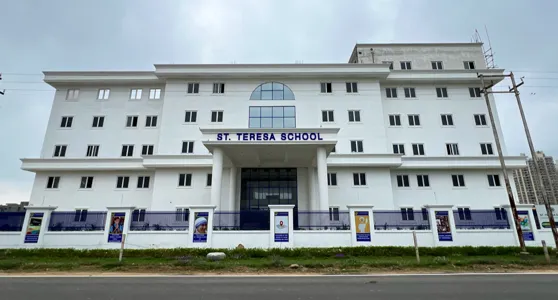
At the heart of this progressive shift is St. Teresa School, Greater Noida West, a learning institution that truly believes education is a lifelong journey. Here, students are inspired to think, question, and grow every day. The school fosters a nurturing environment where curiosity is celebrated, mistakes are embraced as learning opportunities, and every child is encouraged to explore beyond the traditional syllabus. From the early years, students are equipped with the mindset to keep learning, adapting, and thriving in an ever-evolving world.
St. Teresa School has embraced a skill-based teaching approach that focuses on developing real-world competencies. Classrooms are dynamic spaces where students engage in collaborative projects, creative storytelling, public speaking, coding challenges, and experiential science activities. This method ensures that children are absorbing content, applying it, connecting it to everyday life, and learning how to learn. The goal is not only academic excellence but also preparing students to become future-ready with strong communication, problem-solving, and critical thinking skills.
What truly sets St. Teresa School apart is its culture of continuous growth. Teachers act as mentors and co-learners, modeling the very values they instill. Students are empowered to take initiative, lead activities, and express their ideas freely. The school actively involves parents through regular workshops, exhibitions, and interactive sessions, creating a united front that supports every child’s unique journey. In every classroom, corridor, and conversation, St. Teresa School is shaping learners who carry the spirit of lifelong learning with confidence and joy.
For more information on this and other similar schools in the area, check out this list of the best schools in Greater Noida West.







 as a preferred source on