








Over the past ten years, the way we learn has changed a lot. Instead of studying from textbooks, we now learn in more interactive and hands-on ways. Schools today know that kids really learn when they work with ideas in real life, do hands-on activities, and have interactive sessions.
This change shows that people now understand that education should not just help students do well in school, but also stay fit, be creative, and build character. St. Teresa School, one of the best schools in Greater Noida West is a great example of this new way of thinking about education. Its full curriculum combines traditional academic rigour with new ways of learning.
This article will look at how modern schools use interactive learning technologies, sports programs, creative arts, and holistic development methods to give children a full range of learning experiences that will help them succeed in the future.
Also Read | Where Tradition Empowers Innovation
How Educational Curricula Have Changed Over Time
Modern educational systems have changed to meet the demands of pupils in a world that is changing quickly. The goal of this change is to make learning more fun and useful.
Indian schools used to focus on memorising facts, but now they focus on understanding concepts. The CBSE changes now focus on real-world applications instead of just repeating things over and over again. This is because they know that kids learn better when they are actively involved.
Modern curriculum design takes into account different types of intelligence and uses different teaching methods to meet the needs of different learners. As people become more aware that education needs to educate children for real-world problems, technology integration, arts programs, and life skills development are all examples of this.
Interactive Learning: Beyond the Classroom Walls
Interactive learning turns students who are just sitting there into active participants. This helps them absorb and remember more by engaging with educational content in a variety of settings and on a variety of platforms.
Smart Classroom Technology
Interactive boards and audio-visual systems make learning more interesting and engaging for students than traditional approaches. These tools use films, animations, and simulations to make abstract ideas more real and understandable.
CCTV-equipped schools keep students safe and let teachers look over their lesson plans to make sure the quality stays high. Smart technology makes human connection better, not worse, so teachers can focus on helping students have debates and giving them specific advice.
Hands-on Science Activities
Dedicated science activity rooms help students understand abstract ideas by letting them experiment with them. AI and robotics laboratories teach students how to program and automate things while also helping them think logically and solve problems.
Laboratory work teaches how to do science by making hypotheses, collecting data, and analyzing it. These skills go beyond science and help you think critically, which is useful in all areas of school.
Library and Research Tools
Libraries featuring both physical books and digital resources are full-service information centres that can meet a wide range of learning needs. Students learn how to learn on their own while also finding just how much fun reading can be.
Students learn how to do research, which gets them ready for college and the work world. Library activities help kids learn new words, understand what they read, and be more curious about the world around them. They also encourage kids to explore things that aren't part of their schoolwork.
Physical Education and Sports: Developing Character Through Activity
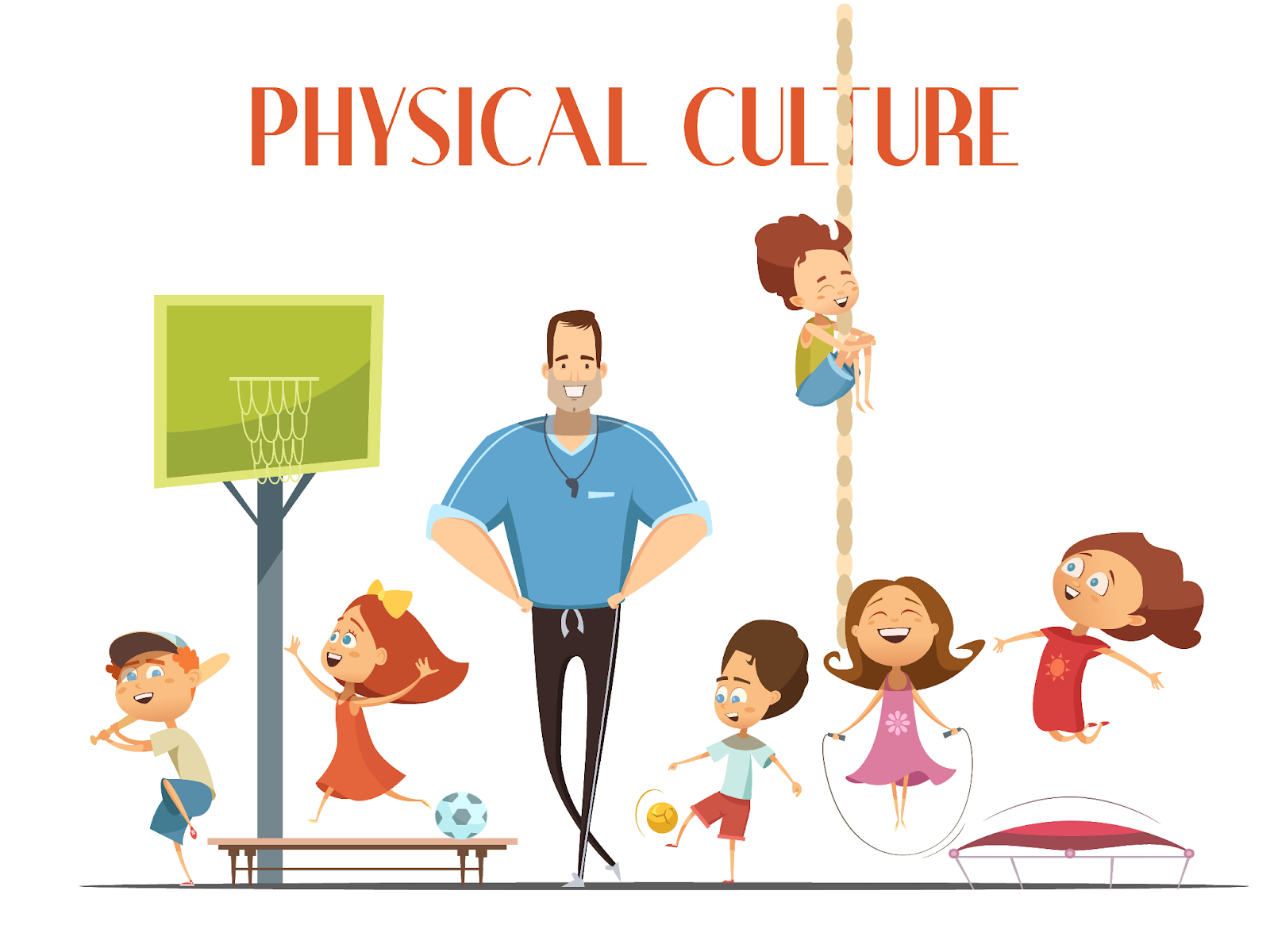
Physical education and sports programs are very important for overall growth because they teach important life skills and encourage health, teamwork, and self-control.
Traditional Sports and Modern Facilities
Playing sports outside, like football, volleyball, and badminton, helps you become in shape, learn how to work together, and play fair. Table tennis and other indoor activities make sure that people stay active all year long, no matter what the weather is like.
School auditoriums are used for athletic events and cultural activities, which help build school spirit and give students a chance to be recognised for their achievements.
Discipline and Martial Arts
Taekwondo instruction teaches self-control, respect, and tenacity while also getting you in shape. The structure teaches kids how to set goals and be patient, which helps them do well in school.
Learning self-defence skills teaches responsibility and boosts confidence. Students learn how to protect themselves and why it's important to be physically fit.
Recreational Activities
Skating rinks help students improve their balance, coordination, and confidence by letting them do fun activities that boost their motor skills. A wide range of physical activities makes sure that every student can choose a sport that fits their interests and skills.
Students naturally learn how to be leaders in group sports because they take turns directing teams and making smart choices. Students learn how to be leaders in the future through these experiences.
Arts, Crafts and Creative Expression
Creative programs are important ways to express yourself and help you develop your fine motor skills, sense of beauty, and ability to think beyond the box.
Students can try out many art forms and techniques in art and craft studios, which encourages them to experiment and find their talents. Music and dance classes help people learn about other cultures and improve their numeracy and cognitive skills.
Painting and drawing help kids learn how to write by improving their fine motor abilities. They also help kids deal with stress. Creative expression helps pupils learn how to plan and be patient because they see their ideas come to life.
Health and Nutrition Programs
School food programs are an important part of a whole educational approach since good nutrition is the basis for learning.
School meal programs make sure that all pupils get the right amount of food, no matter how much money they have. Planning with the help of a dietitian satisfies nutritional guidelines and teaches healthy eating habits through cooking facilities.
The link between nutrition and school performance demonstrates that pupils who eat well are better able to focus, remember things, and learn.
Early Childhood Education: Laying Strong Foundations
Early childhood programs need particular methods that take into account the developmental requirements and learning styles of young children.
Pre-nursery and nursery programs use developmentally appropriate methods that support natural ways of learning. The "play while learn and learn while play" ideology sees play as the natural way for kids to learn.
Kindergarten programs teach kids the skills they need to be ready for school, such as:
- Recognising letters and phonics
- Basic math and number ideas
- Following directions and getting along with others
- Fine motor abilities for getting ready to write
- Improving your ability to pay attention and listen
Faculty members who have been specially trained understand the concepts of early childhood development and create secure, supportive spaces where young children can learn and explore.
Primary Education: Learning by Doing
Active learning methods that get pupils involved instead of just passively receiving information are a big aspect of primary education programs.
Thematic methods help students see how different subjects and ideas are related. Students learn how to think critically by doing long-term projects that include research, planning, and presentation skills.
Interactive sessions get students involved by having them talk and do things, which helps professors check for understanding and give feedback right away. With only 14 students in each session, teachers can give each kid their full attention and spot learning problems early.
Personality Development and Co-Curricular Activities
Co-curricular activities help students learn more than just academics by helping them build social skills, confidence, and abilities that make them more well-rounded people.
Theme assemblies and presentations help people learn how to speak in front of others and feel good about sharing their ideas. Younger kids can arrange their thoughts and talk about their interests with their classmates through show-and-tell activities.
Circle time and story time help kids learn to listen while also encouraging their imagination and creativity. Yoga and mindfulness classes teach ways to deal with stress while also making you more flexible and tranquil mentally.
Check Out | The Importance of Co-Curricular Activities
St. Teresa School, Greater Noida: A Balanced Curriculum That Nurtures Body and Mind
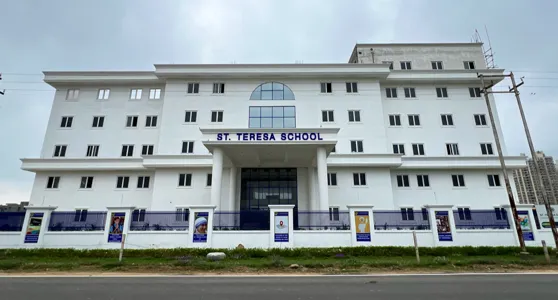
St. Teresa School, located in Sector 10, Greater Noida West, is a great example of an English medium co-educational school that is part of the Central Board of Secondary Education (CBSE). The Boman Charitable Trust runs this school, which is a joint effort by educators, donors, and visionary leaders who are dedicated to helping children grow in all areas, not just in school.
The school's unique mission successfully combines Eastern philosophical wisdom with cutting-edge Western technology to create an educational setting that shapes well-rounded people with strong moral character and great intellectual talents. The school's cutting-edge facilities include advanced AI and robotics labs, smart interactive classrooms, a full range of sports facilities, and a library that is well-stocked. All of these things work together to create an environment where academic excellence meets practical application and real-world relevance.
One of the best CBSE Schools in Greater Noida West, St. Teresa School's dedication to "learning by doing" is clear in its creative thematic approach to education, which includes interactive sessions, big projects, and detailed surveys that help students really understand what they're learning. Every level of education, from specialized pre-nursery programs that focus on developmentally appropriate play-based learning to primary school that focuses on building critical thinking and analytical skills, has been carefully planned to encourage active student participation and individual growth potential.
The school's completely balanced approach to education makes sure that children grow in all areas, including academics, physical health, emotional health, and social skills. St. Teresa School prepares students to face life's challenges with confidence and make a difference in their communities and society as a whole through a carefully planned mix of high academic standards, a wide range of sports programs, creative arts opportunities, and character-building activities.
At St. Teresa School, every classroom and activity is a chance to learn and experience something new. Apply now to provide your child with the tools they need for lifetime success and growth in all areas.
For more information on this and other similar schools in the area, check out this list of the best schools in Greater Noida West.



 as a preferred source on