









In today's competitive educational landscape, standardized benchmarks have become essential tools for measuring student progress and academic achievement. These assessments provide valuable insights into learning outcomes, helping educators identify strengths and areas for improvement.
One of the best schools in Pune, The Keystone Ankuram, exemplifies this approach through comprehensive benchmark programs including SOF Olympiads, DIBELS, and Easy CBM assessments.
In this article, we'll explore the various types of standardized assessments, their role in complementing traditional learning, and how schools can effectively implement these programs to enhance student outcomes.
Also Read | India’s New-Age Classrooms: Power of Differentiated Curriculum at TKA, Pune
Understanding Standardized Benchmarks in Education
Modern education demands measurable progress tracking and objective evaluation methods. Standardized benchmarks serve as reliable indicators of student performance across different subjects and skill areas.
What Are Standardized Benchmarks?
Standardized benchmarks are structured assessments designed to measure student performance against predetermined criteria. Unlike traditional classroom tests, these evaluations follow consistent protocols and scoring methods across different schools and regions. They provide objective data about student capabilities in specific subject areas.
These assessments help educators understand where students stand academically compared to their peers. The standardised format ensures fairness and reliability in measuring educational outcomes across diverse learning environments.
The Evolution of Educational Assessment
Educational assessment has undergone a significant transformation over the past few decades. Traditional pen-and-paper tests have evolved into comprehensive evaluation systems that measure multiple types of intelligence and learning styles.
Modern assessment tools incorporate technology and data analytics to provide immediate feedback. This evolution reflects our deeper understanding of how children learn and the need for more personalized educational approaches.
Types of Standardized Assessments for Students

Educational institutions now employ various assessment types to capture comprehensive student performance data. Each assessment type serves specific purposes in the overall evaluation framework.
International Olympiads and Competitions
Science Olympiad Foundation (SOF) competitions represent globally recognized assessment platforms. These competitions evaluate students in mathematics, science, English, and computer skills through challenging question formats.
- Mathematical Olympiad: Tests logical reasoning and problem-solving abilities
- Science Olympiad: Evaluates scientific knowledge and analytical thinking
- English Olympiad: Assesses language proficiency and communication skills
- Cyber Olympiad: Measures computer literacy and digital competence
Students gain exposure to diverse question patterns and difficulty levels. These competitions build confidence while preparing them for future academic challenges.
Progress Monitoring Tools
DIBELS and Easy CBM systems provide continuous monitoring of student learning progress. These tools help educators track individual student growth throughout the academic year.
DIBELS focuses on early literacy skills development, measuring reading fluency and comprehension abilities. Easy CBM offers curriculum-based measurements across multiple subjects, providing real-time data for instructional decisions.
Subject-Specific Benchmarks
Specialized assessments target specific subject areas and skill sets. Language proficiency tests evaluate communication abilities, while STEM assessments focus on scientific and mathematical reasoning.
These targeted evaluations help identify subject-specific strengths and weaknesses. Teachers can then develop customized learning plans to address individual student needs effectively.
How Competitions and Benchmarks Complement Learning
Standardized assessments work alongside regular classroom instruction to enhance overall educational effectiveness. They provide additional learning opportunities and motivation for students.
Building Academic Confidence
Regular exposure to standardized assessments helps students develop test-taking strategies and time management skills. Students become familiar with various question formats and assessment environments.
Success in these assessments boosts student confidence and encourages continued academic effort. Recognition through certificates and awards motivates students to pursue excellence in their studies.
Identifying Learning Gaps
Assessment data reveal specific areas where students need additional support. Early identification of learning gaps allows for timely intervention and remedial instruction.
Teachers can adjust their teaching methods based on assessment results. This data-driven approach ensures that no student falls behind in their academic journey.
Fostering Healthy Competition
Inter-school and intra-school competitions create positive competitive environments. Students learn to strive for excellence while respecting their peers' achievements.
Healthy competition develops resilience and perseverance. Students learn that success comes through consistent effort and continuous improvement rather than innate ability alone.
Benefits of Implementing Standardized Benchmark Programs

Comprehensive benchmark programs offer advantages for all stakeholders in the educational process. Students, teachers, and parents benefit from the structured assessment approach.
For Students
Students develop enhanced problem-solving and analytical thinking skills through regular assessment practice. These abilities serve them well in higher education and future careers.
Standardized assessments prepare students for entrance examinations and competitive tests. The familiarity with assessment formats reduces anxiety and improves performance in crucial examinations.
For Educators
Assessment data provides valuable insights for curriculum planning and instructional design. Teachers can identify which teaching methods work best for different student groups.
Professional development opportunities arise from assessment implementation. Teachers learn new evaluation techniques and data interpretation skills that enhance their teaching effectiveness.
For Parents and Schools
Transparent progress reporting helps parents understand their child's academic development. Regular assessment updates facilitate meaningful discussions about educational goals and support strategies.
Schools can benchmark their performance against national and international standards. This comparison helps identify areas for institutional improvement and strategic planning.
Challenges and Solutions in Standardized Assessment
Implementation of benchmark programs requires careful planning and consideration of potential obstacles. Understanding common challenges helps schools develop effective solutions.
Common Implementation Challenges
Balancing assessment frequency with instructional time requires careful scheduling. Too many assessments can reduce actual learning time, while too few may not provide adequate progress monitoring.
Ensuring assessment validity and reliability demands proper training and resource allocation. Schools must invest in quality assessment tools and educator preparation programs.
Best Practices for Success
Regular professional development keeps educators updated on assessment best practices. Training programs help teachers interpret results effectively and use data for instructional improvement.
Creating supportive testing environments reduces student anxiety and improves assessment accuracy. Schools should focus on making assessments a positive learning experience rather than stressful evaluations.
The Future of Standardized Benchmarks
Assessment technology continues evolving with advances in artificial intelligence and data analytics. Future assessment systems will provide even more personalized and immediate feedback.
Technology Integration
Adaptive testing platforms adjust question difficulty based on student responses. These systems provide more accurate measures of student ability while reducing test anxiety.
Real-time analytics offer instant feedback to students and teachers. This immediate data allows for quick adjustments to instruction and learning strategies.
Holistic Assessment Approaches
Future assessments will measure multiple intelligence types and social-emotional learning skills. This comprehensive approach recognizes that academic success involves more than traditional subject knowledge.
Project-based assessments and portfolio evaluations will complement standardized tests. These alternative formats capture student creativity and practical application skills.
Check Out | Why Fostering All-Round Growth Matters
The Keystone Ankuram, Handewadi, Pune: Excellence Through Comprehensive Assessment
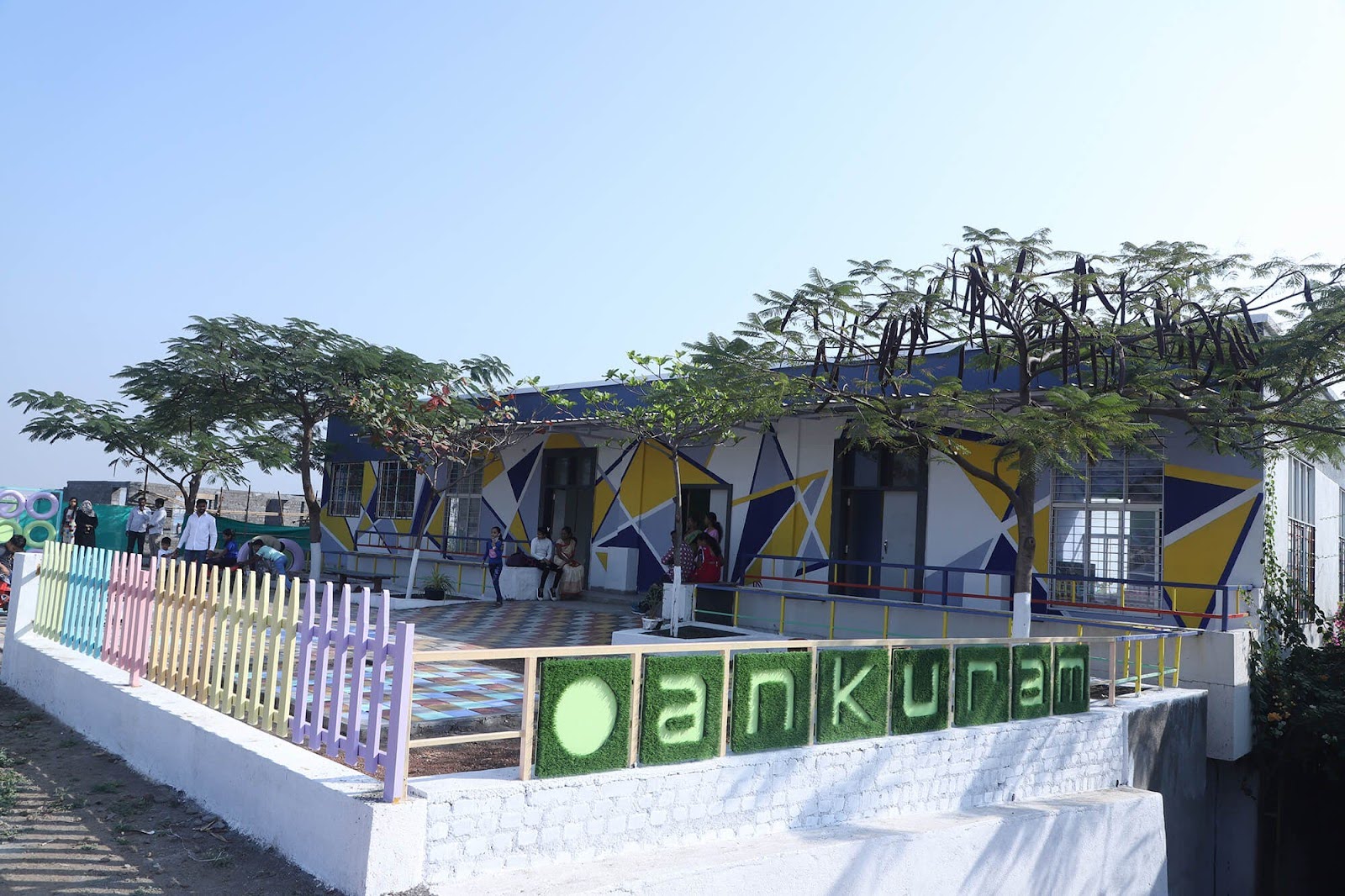
One of the best CBSE schools in Pune, The Keystone Ankuram, follows CBSE guidelines while maintaining its commitment to holistic education. The school operates under The Shalaka Foundations, bringing together passionate educators with over 50 years of collective experience.
The campus provides a natural learning environment surrounded by diverse flora and fauna. This setting supports the school's philosophy of education that is forming, life-giving, and nourishing for young minds. The school conducts various intra-school and inter-school competitions alongside standardized tests like SOF Olympiads. Progress monitoring tools, including DIBELS and Easy CBM, help track individual student development throughout their academic journey.
Regular exposure to competitive examinations prepares students for future academic challenges. The comprehensive assessment program ensures that every child receives appropriate support and recognition for their unique talents and abilities. Assessment data integration with co-curricular activities creates a complete picture of student development. The school's approach focuses on building 21st-century skills while maintaining strong academic foundations.
Technology-enabled learning platforms support both instruction and assessment processes. This integration ensures that students develop digital literacy skills essential for future success. The school's vision of empowering learners for lifelong learning aligns perfectly with its comprehensive assessment approach. Every assessment serves the mission of creating equal opportunities for student development and building confidence in future leaders.
The commitment to continuous improvement is reflected in the school's dedication to updating assessment methods and educational practices. This forward-thinking approach ensures that students receive the best possible preparation for their future endeavors.
For more information on this and other such schools in the area, check out this list of the best schools in Pune.



 as a preferred source on