









Walk into a modern Indian classroom today, and the change is hard to miss. The old setup: rows of desks, identical lessons, and quiet memorisation, is being replaced by a more thoughtful, student-centered approach. Classrooms now feel more alive. Students are encouraged to ask questions, work together, and learn in ways that suit their individual strengths. It’s a shift from simply teaching lessons to truly reaching each child.
In this article, we’ll explore how The Keystone Ankuram (TKA), one of the best schools in Pune, is transforming modern education through a differentiated curriculum, student-focused teaching strategies, and an environment designed to nurture every learner’s unique potential.
Also Read | What Makes a Modern School Truly Holistic? The Keystone Ankuram Approach
What is a Differentiated Curriculum?
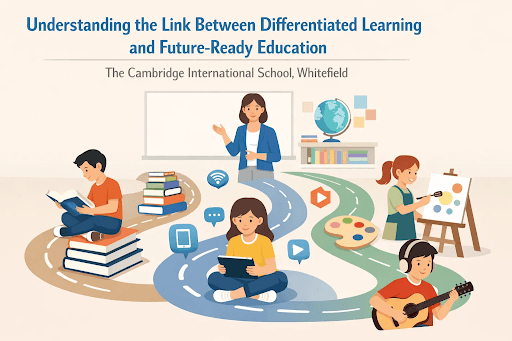
A differentiated curriculum means adapting what is taught, how it is taught, and how students demonstrate their learning to match the individual needs of each student. Instead of treating all learners the same, it acknowledges that every child comes with different strengths, challenges, interests, and learning styles.
This isn’t just about giving more worksheets or splitting kids into groups. It’s about crafting a classroom environment where choice, flexibility, and respect for individuality become central to the learning process. In this kind of environment, engagement is natural, and learning becomes joyful.
Why Differentiated Learning Matters Today

Differentiated learning addresses the diverse needs of all students, leading to improved academic performance, enhanced engagement, and the development of essential skills. Let's explore why:
-
Every child learns differently: Recognizes diverse learning styles – visual, auditory, kinesthetic, and beyond, ensuring no child is left behind.
-
Respects individual pace: Allows fast learners to move ahead while giving others the time they need to grasp concepts.
-
Boosts confidence and motivation: Learning in personalized ways makes students feel understood and successful.
-
Reduces academic stress: Minimizes pressure by offering flexible approaches to learning and assessment.
-
Promotes lifelong learning: Sparks curiosity and intrinsic motivation, encouraging students to take ownership of their learning journey.
The Environment That Makes It Possible
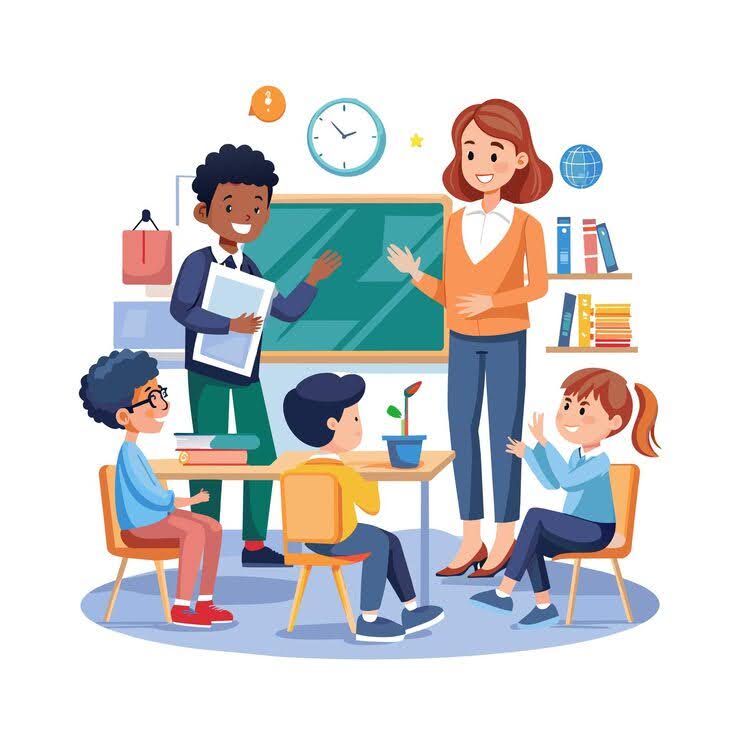
Behind every successful differentiated classroom lies a nurturing environment. Picture bright, airy classrooms flooded with natural light. Walls are filled with student work and inspirational thoughts. Learning corners filled with books, manipulatives, and tech tools. Spaces that allow both collaboration and quiet thinking.
But more than physical space, it’s the emotional environment that truly sets the tone. Here, open communication is key. Students are encouraged to ask, reflect, express, and challenge. They know their voice matters. A team of engaging, compassionate educators who understand that teaching is about connection. These teachers invest time in knowing their students, their interests, fears, learning histories, and aspirations, and this understanding becomes the foundation of their instructional design.
Five Key Elements of Differentiated Instruction
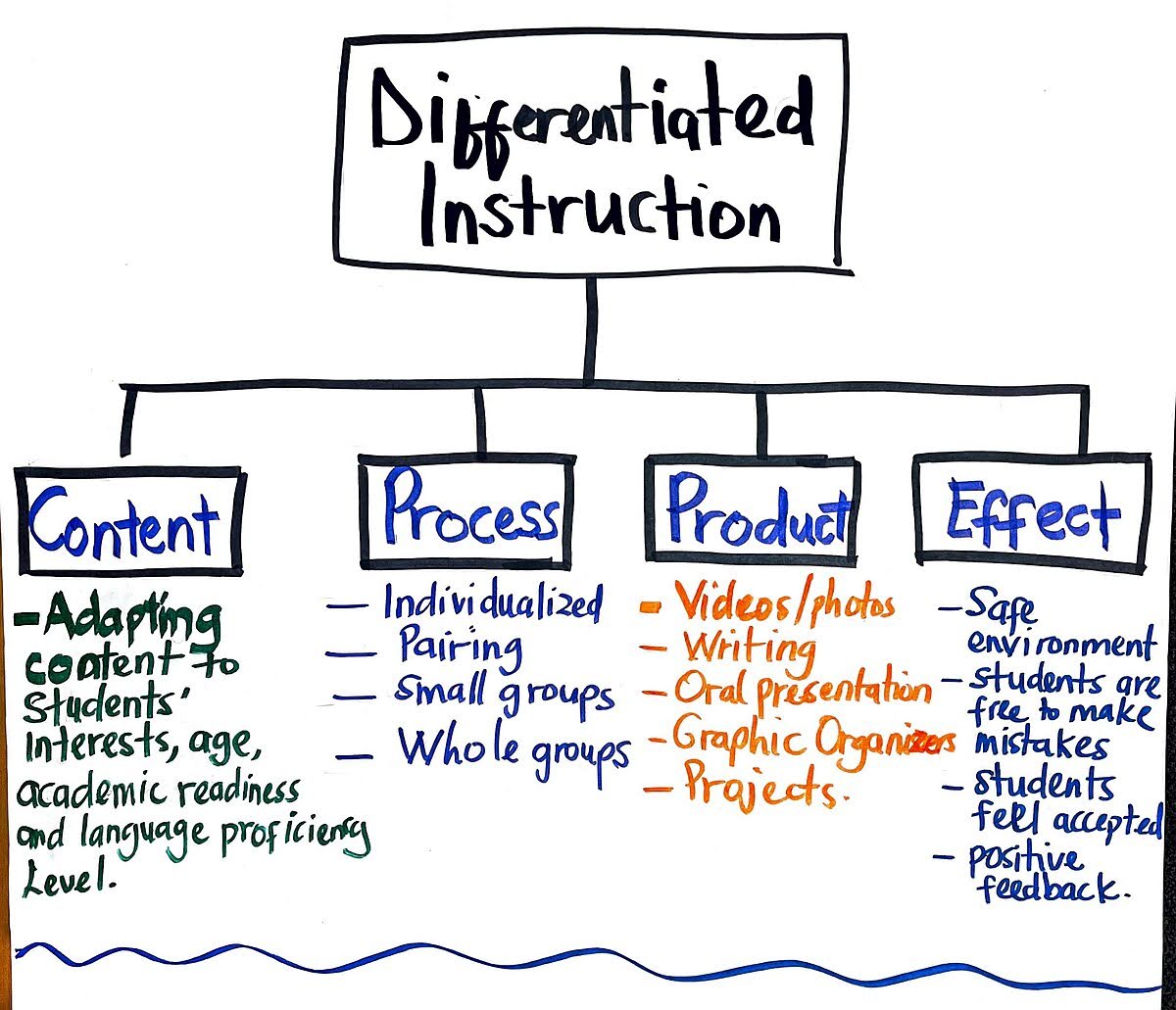
Differentiated learning comes to life in these classrooms by various means. Educators thoughtfully weave it into five core elements:
1. Content (What students learn)
The same concept can be introduced in different ways. For instance, a science topic may be presented through videos, readings, experiments, or even real-life experiences. The depth and complexity of content can also be adjusted based on readiness levels.
2. Process (How students make sense of what they learn)
Students may explore topics through role-play, case studies, puzzles, group tasks, or solo research, depending on their learning preferences. This variety enhances engagement and retention.
3. Product (How students show what they know)
Instead of the same test for everyone, students might have options: a model, a slideshow, a report, a story, or a presentation. Choice empowers them to showcase their understanding creatively.
4. Learning Environment
Flexible seating, learning stations, calming areas, and interactive zones encourage both independence and collaboration. Classroom norms emphasize respect, curiosity, and safety, both physical and emotional.
5. Student Readiness, Interests, and Profiles
Using assessments, reflections, and conversations, teachers constantly gather insights about students. Instruction is then tailored accordingly for academic success as well as for personal growth.
The Outcome: Independent, Confident Learners

In differentiated classrooms, students begin to take charge of their own learning. They set goals, reflect on progress, and discover how they learn best. This self-awareness becomes their compass, both in school and beyond.
They also learn to value diversity: in thought, background, and ability. They become empathetic teammates, thoughtful leaders, and adaptable individuals who are ready to face a world that values creativity, communication, and continuous learning.
Check Out | Redefining Education with a Holistic Touch
The Keystone Ankuram: Leading the Way in India’s Differentiated Education Movement
Established in 2021, The Keystone Ankuram (TKA), Pune, one of the best CBSE schools in Pune, blends academic excellence with a deep commitment to holistic, child-centric learning. With its bright, open classrooms, compassionate educators, and progressive approach, the school is redefining how young minds explore, express, and evolve in today’s dynamic world.
, Pune.jpg)
At The Keystone Ankuram (TKA), Pune, a refreshing shift from traditional learning is in full bloom. Classrooms are no longer spaces of silence and standardization, but vibrant hubs of open communication and emotional connection. Here, students are encouraged to express, question, and participate, building a culture where their voice matters. This open dialogue between teachers and learners forms the bedrock of differentiated instruction, ensuring that every child feels seen, heard, and valued in their educational journey.
What powers this transformation is TKA’s team of engaging, compassionate educators who are deeply invested in their students’ growth. More than just subject experts, they are mentors who recognize the diverse pace and preferences of each learner. Whether through tech-driven instruction, group-based projects, visual thinking strategies, or hands-on experiments, teachers at TKA continuously customize their lessons to fit student readiness, learning profiles, and interests. Their flexibility and empathy make differentiation a living reality, not just an academic theory.
The learning environment at TKA further enhances this vision. Bright, airy classrooms filled with natural light and creativity-rich spaces set the stage for exploration and expression. Thoughtfully designed areas promote both collaboration and quiet focus, making room for every learning style. In these settings, the differentiated curriculum thrives with students showcasing their understanding through presentations, models, stories, or performances. At TKA, learners are not only absorbing knowledge; they’re shaping it in ways that feel meaningful and personal to them.
For more information on this and other such schools in the area, check out this list of the best schools in Pune.












 as a preferred source on