







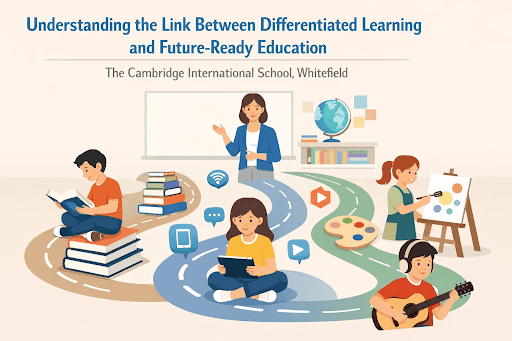

Did you know that studies suggest nearly 1 in 3 students struggle to learn effectively in a one-size-fits-all classroom setup? That’s a reality many parents don’t realize until they see their own kids either losing interest or struggling to keep up. Classrooms today are changing because students learn in different ways. Some grasp concepts quickly through reading. Others need visuals. Some prefer discussions, while others understand better through hands-on activities.
And this is where you, as a parent, might start thinking: should your kids follow one fixed way of learning, or should the system adapt to how your kids learn best? Because the reality is simple: not every child learns the same way.
This is where differentiated learning becomes important. And as education continues to evolve, it is increasingly connected to something bigger future-ready education. That is why many parents today, while exploring the best schools in Bangalore, are also looking at how schools personalize learning for your kids and prepare them for a changing world.
Also Read | Dream Big, Achieve Bigger: Where Passion Meets Purpose
What Is Differentiated Learning?
Differentiated learning might sound like a technical term, but it becomes easier to understand when you relate it to your kids’ everyday experiences. You might have already noticed this at home. Maybe your kids understand a concept quickly when you explain it with an example, but struggle when it’s only in a textbook. Or they remember things better when they see visuals or try something hands-on.
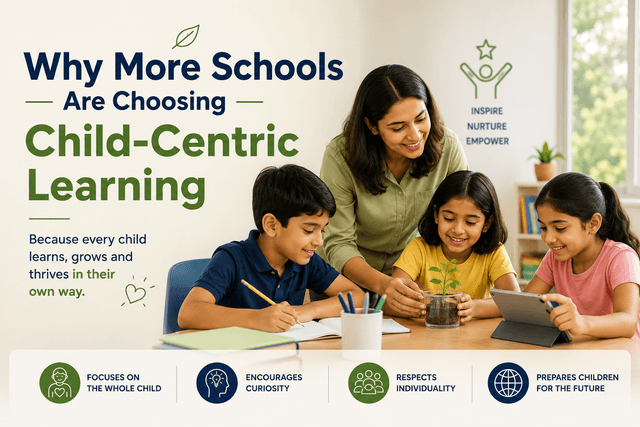
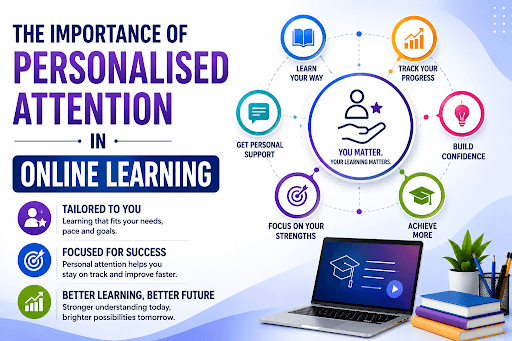
This is exactly what differentiated learning tries to address. It is an approach where teaching methods are adjusted based on how each student learns best. Instead of following one fixed method for everyone, it allows flexibility in teaching styles, learning materials, pace of learning, and even assessments.
For your kids, this means they are not forced to fit into a single way of learning. Instead, the system adapts to them. And when that happens, students often feel more comfortable, more confident, and more willing to participate in class. Over time, this can make learning feel less like pressure and more like something they can actually enjoy and understand.
-
Why One Method Doesn’t Work for Every Child
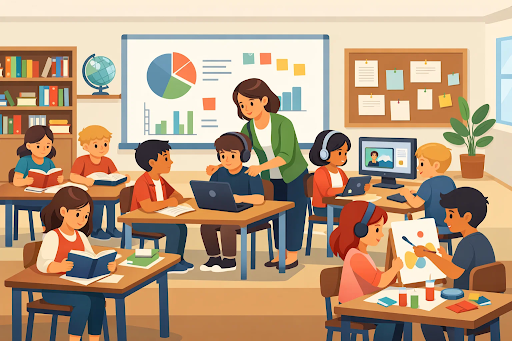
Traditional classrooms often follow a uniform structure. Same lesson. Same pace. Same method for everyone. But research suggests otherwise.
Studies show that differentiated instruction can improve student engagement and academic performance significantly across different learning groups. According to global education research, personalized learning approaches can lead to better retention of concepts and improved classroom participation. UNESCO also highlights that inclusive and adaptive teaching methods support stronger learning outcomes and reduced learning gaps. This means your kids are more likely to benefit when teaching adapts to them, not the other way around.
-
The Connection to Future-Ready Skills
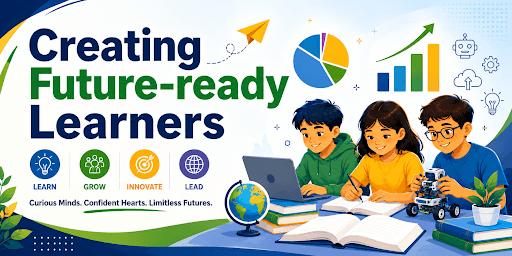
So how does differentiated learning connect to future readiness? The answer lies in skills. Future-ready education is not just about subjects. It focuses on preparing students for real-world challenges. And that requires skills like:
- Critical thinking
- Creativity
- Communication
- Adaptability
- Problem-solving
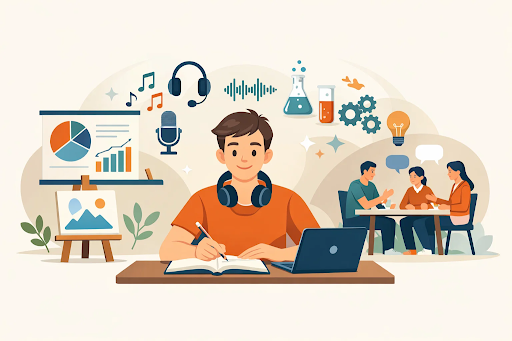
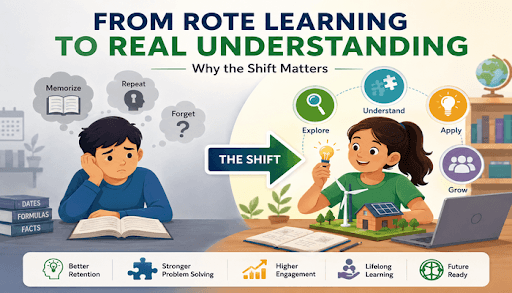
The World Economic Forum highlights these as some of the most essential skills for the future workforce. Differentiated learning helps build these abilities by giving students the space to think independently, approach problems in different ways, learn at a pace that suits them, and express their ideas with confidence. For your kids, this shifts learning beyond simple memorization and turns it into meaningful preparation for real-world challenges.
-
Building Confidence Through Personalized Learning
When students understand concepts in a way that suits them, something important happens. They gain confidence, and they are more willing to participate. More comfortable asking questions. Less afraid of making mistakes.
You might notice this with your kids. When they are not struggling to keep up with a fixed pace, they begin to enjoy learning more, and over time, that confidence becomes a key part of their overall development.
-
Real Impact of Differentiated Learning
Educational research continues to highlight the benefits of personalized learning approaches:
- Schools implementing differentiated instruction report higher student engagement levels and improved academic outcomes.
- Personalized learning environments can lead to up to 30% improvement in student performance in certain learning settings.
- Students exposed to adaptive learning methods often demonstrate better problem-solving abilities and independent thinking skills
These numbers reflect a broader shift in education from uniform teaching to flexible learning.
Check Out | Future-Ready Skills: Preparing Students for Tomorrow
Where does The Cambridge International School, Whitefield fit in?
Within Bangalore’s growing educational landscape, The Cambridge International School, Whitefield is located in an area known for its expanding residential communities and strong professional ecosystem. In such environments, schools are increasingly expected to provide both academic structure and future-focused learning approaches.
At The Cambridge International School, Whitefield, differentiated learning forms part of the classroom experience. Teaching methods are designed to accommodate different learning styles, allowing students to engage with concepts through varied approaches such as discussions, activities, and collaborative work.
At The Cambridge International School, Whitefield, differentiated learning is supported through classroom-level practices and structured initiatives rather than just theory. Teachers often use a mix of activity-based learning, group discussions, and project-based tasks, allowing students to approach the same concept in different ways based on their learning style. For example, while some students may work on presentations or visual projects, others may engage through written tasks or collaborative problem-solving activities.
The school also integrates skill-based programs, co-curricular activities, and classroom participation frameworks that focus on building communication, collaboration, and critical thinking over time. Regular formative assessments and feedback sessions help track how each student is progressing, allowing teachers to adjust their approach when needed.
Another important aspect is pacing. Students are given opportunities to revisit concepts through guided support and interactive sessions, which helps reduce pressure and ensures deeper understanding instead of rushed learning. For your kids, this means they are not just keeping up with the class, but actually learning in a way that suits them.
Like many schools in Bangalore’s evolving education landscape, The Cambridge International School, Whitefield functions as both an academic space and a skill-building environment where differentiated learning is actively implemented. For parents exploring the best schools in Bangalore, such on-ground practices often become an important factor while choosing the right learning environment for their kids.
Conclusion
Education is clearly moving toward more personalized and skill-focused learning, but this shift also brings a challenge to ensure that flexibility does not turn into inconsistency, and that every child still receives the right level of guidance. The way forward lies in creating a balance where students are supported individually while still following a structured learning path.
Approaches like differentiated learning are helping move in this direction by making classrooms more adaptable and student-focused. Schools such as The Cambridge International School, Whitefield, are working toward this by implementing classroom practices and programs that support both individual learning needs and future-ready skill development.
As education continues to evolve, the challenge will be to maintain this balance between personalization and structure. But when done right, it creates an environment where your kids are not just learning at their own pace, but also building the confidence, clarity, and skills needed to navigate an ever-changing future.
If you’d like to explore further, you can browse a curated list of top schools across India for additional options and insights.
 as a preferred source on