







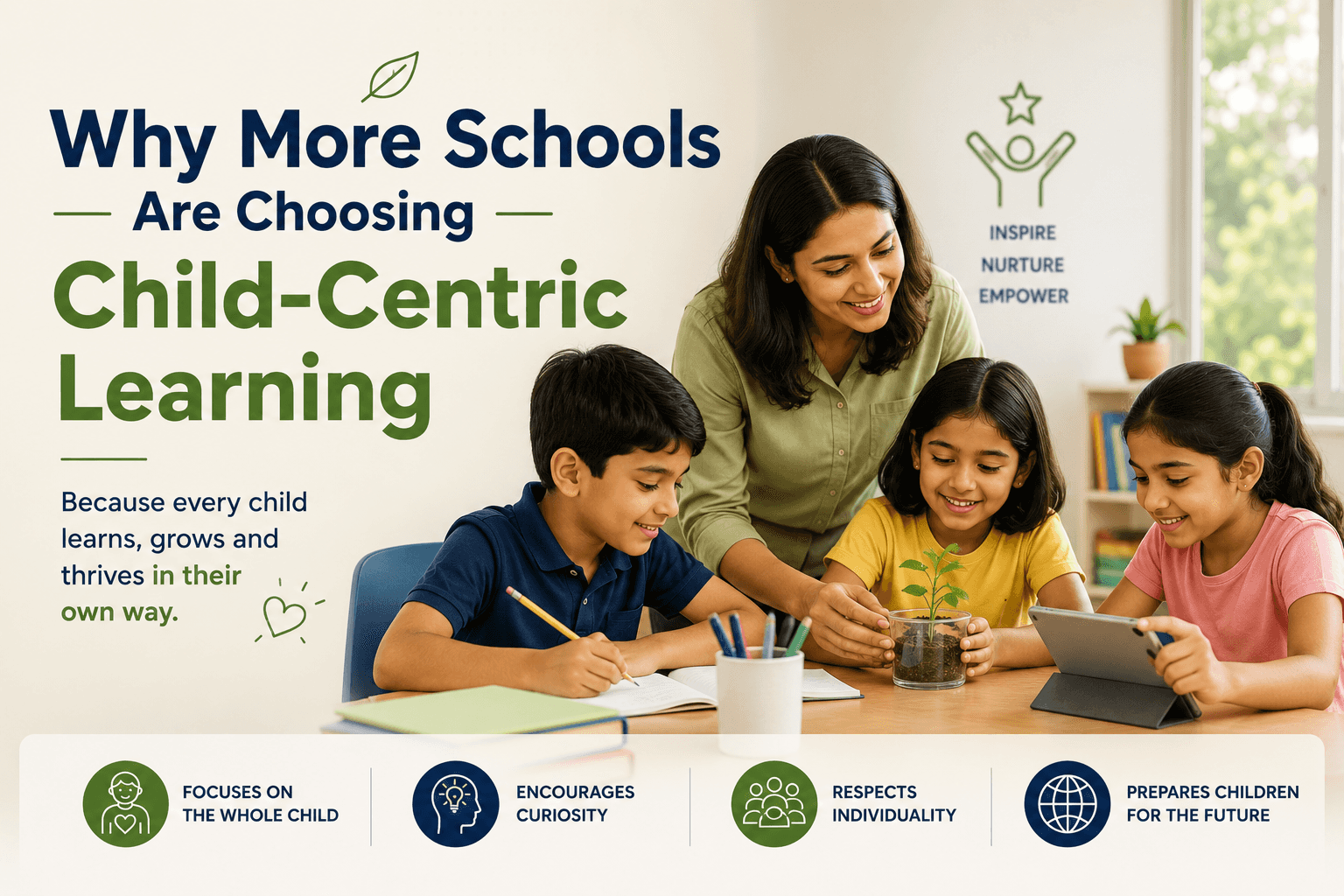

For the longest time, school just meant one thing. Sit down, listen, copy, repeat. Same pace for every kid, same method for every kid, and if it didn't click for you, well, nobody really stopped to ask why. That's changing now, slowly but for real. Talk to parents checking out top schools in Haralur today, and you'll notice the questions have shifted. It's not just marks and results anymore. People want to know if the school actually sees their kid as, well, their kid. Not just another roll number. That's the whole idea behind child-centric education, really.
Teaching built around how a child learns, not around a fixed syllabus everyone's forced to match. The Cambridge International School is one of the schools actually doing this, not just saying it. And that's what this article's about: why this way of teaching isn't optional anymore; it's kind of what kids need today.
Also Read: Is CBSE Alone Enough to Prepare Kids for a Global Future?
What Does Child-Centric Learning Actually Look Like?
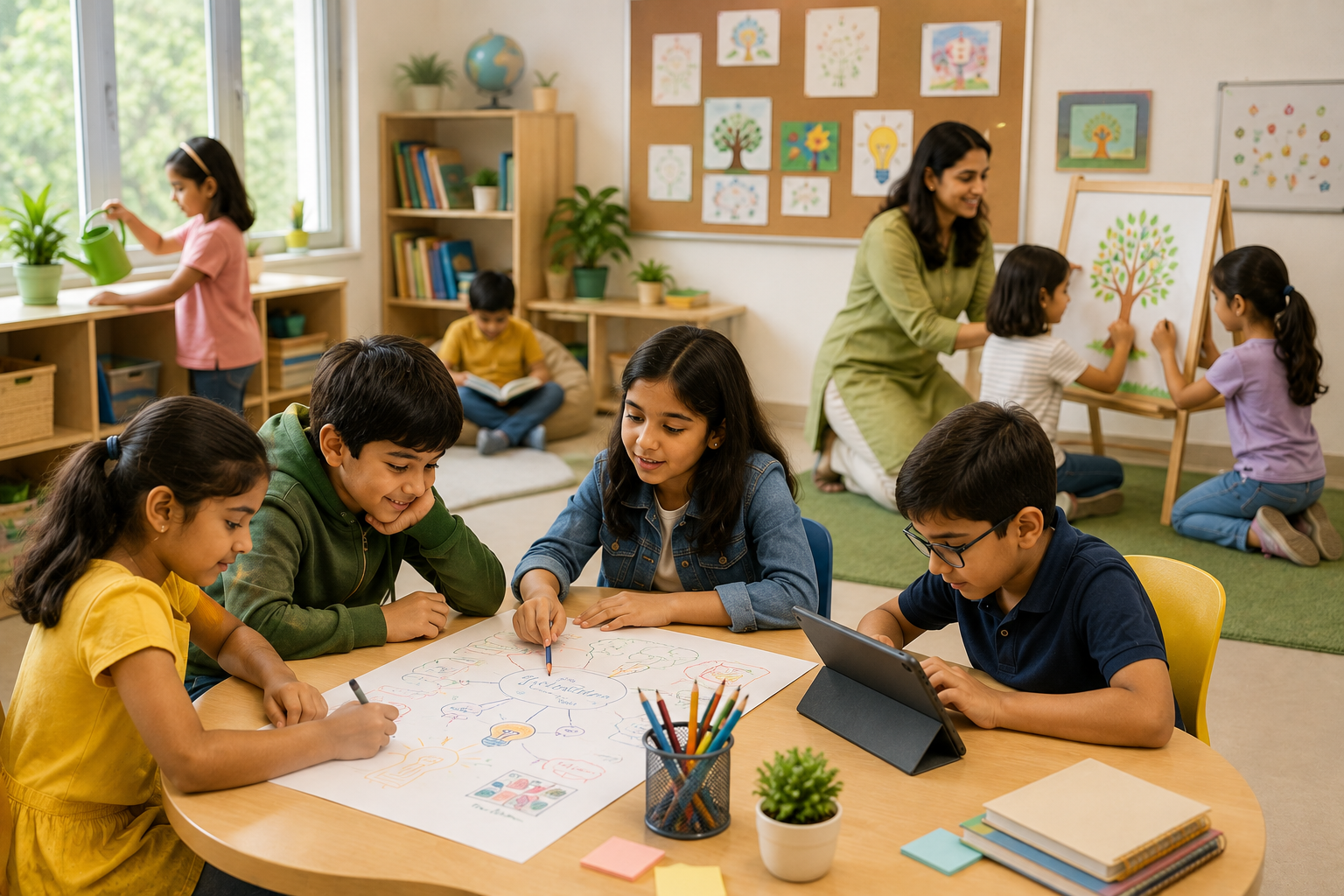
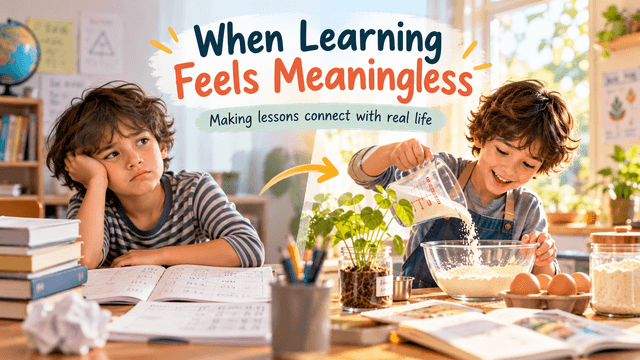
Picture a classroom where the lesson doesn't start with a chapter number; it starts with a question the child actually has. Take maths, for instance. In most regular classrooms, fractions get taught the same way to everyone: same examples, same worksheet, same “divide this by that” drilled in till it sticks. Whether it clicks or not, the class moves on.
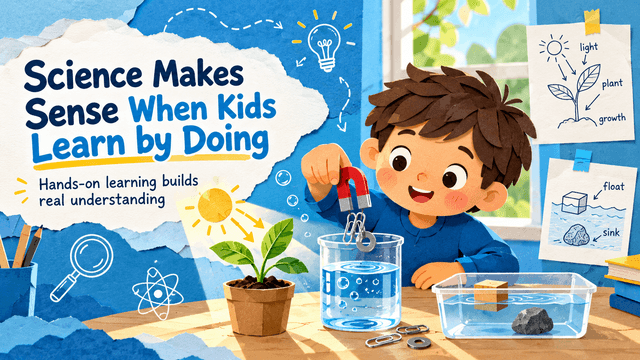
Now picture a child-centric version of that same lesson. A kid who loves food might end up learning fractions by literally cutting a roti into halves and quarters and figuring out the maths from there. Another child who’s into football might work out fractions using how much of a match is left, ten minutes out of ninety, that kind of thing. Someone who’s more visual could be colouring in parts of a shape to understand what a fraction even represents. Three completely different paths, same concept, same end goal, but nobody’s forced to sit through an explanation that doesn’t make sense to them.
That’s the heart of child-centered learning, really. It doesn’t ask “how do we teach this topic” and stop there. It asks “how does this particular child understand the world” and builds the lesson backwards from that. Teachers become less like people delivering information and more like people figuring out what clicks for each child, then meeting them there. Once you see it explained like that, it stops sounding like an education buzzword and starts sounding like, well, just good sense.
Is Child-Centric Learning Even Possible in an Indian Classroom?
Fair question, and one worth asking honestly instead of just painting a rosy picture. Because on paper, child-centric learning sounds lovely, but Indian classrooms come with their own set of realities that make it genuinely hard to pull off.
A few of the biggest hurdles schools are up against:
Large class sizes: Many classrooms still run with thirty, forty, sometimes more kids in one section, making it tough for a teacher to give each child a genuinely different path to the same lesson.
An exam-heavy system: Marks and rankings still carry a lot of weight, often rewarding how well a child can reproduce what was taught rather than how deeply they’ve actually understood it.
Teachers trained in an older method: Many educators grew up with the chalk-and-talk style themselves, so shifting to something this personalised means relearning how to teach, not just adjusting a lesson plan.
So no, it's not a simple switch. But here's the part that actually gives some hope: schools aren't just sitting back and calling it impossible. Smaller batch sizes within classrooms, teachers being trained specifically to observe how each child learns, more project-based and activity-driven lessons replacing straight-up lecturing- these changes are showing up in more schools than you'd expect. It's slow, but it's real movement.
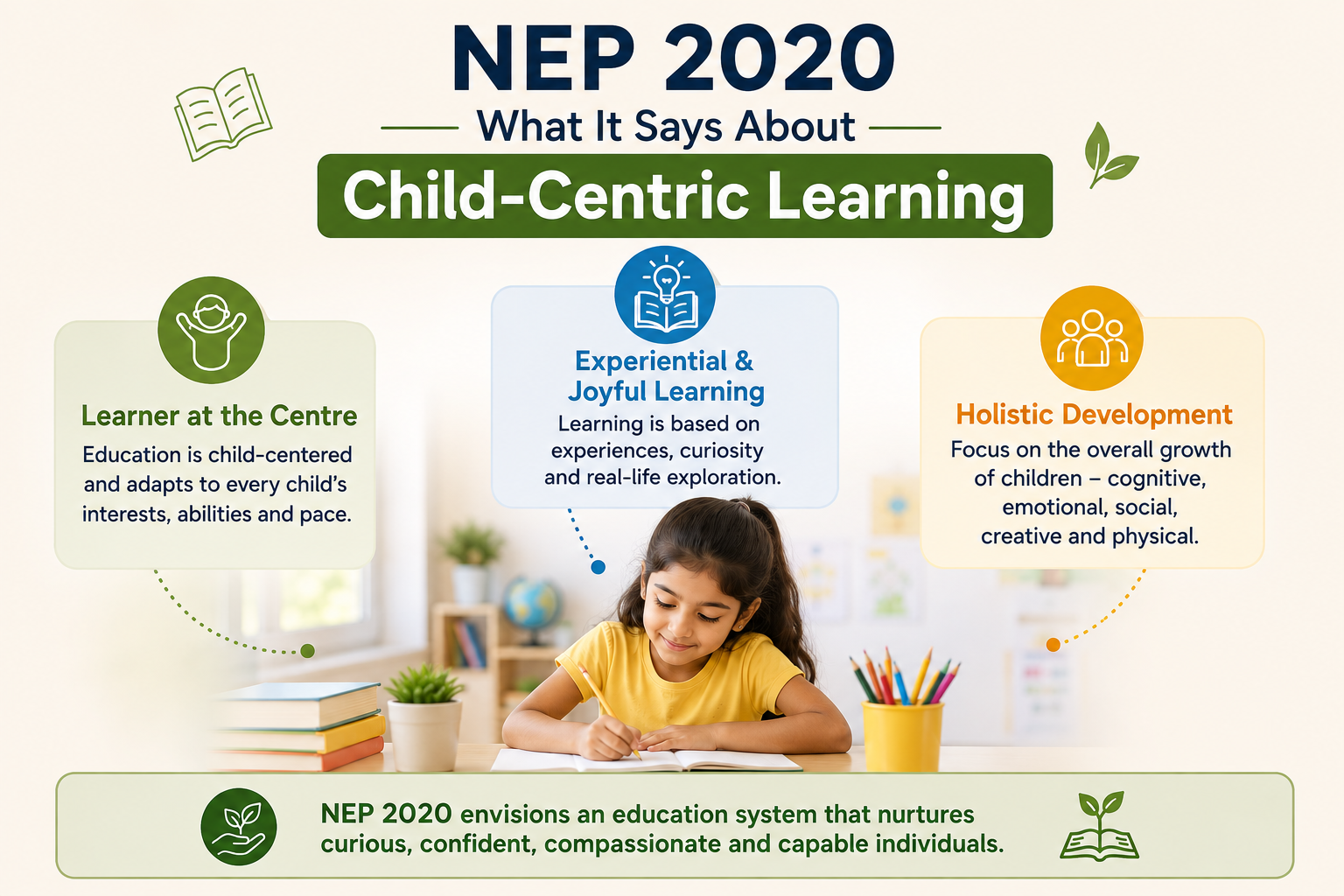
And a lot of this shift isn't happening in isolation either. It's actually being backed at a policy level. A few things NEP 2020 pushes for that align directly with child-centric education:
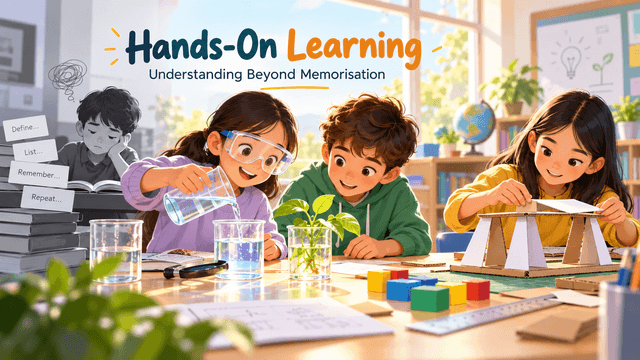
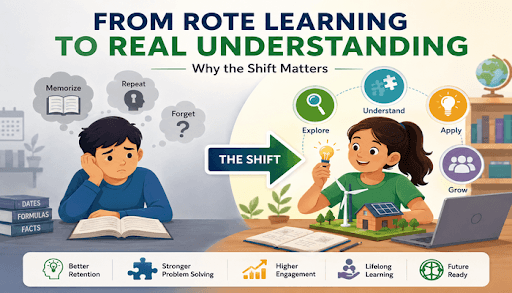
- Moving away from rote memorisation towards understanding and curiosity-driven learning.
- Encouraging flexible, experience-based teaching, right from the foundational years.
- Giving more room for a child's individual interests and pace, instead of a one-size-fits-all approach.
So schools leaning into child-centric education aren't just doing their own thing; they're actually aligning with where education policy in the country is headed.
Is it perfect yet? No! But it's no longer just an idea floating on paper. It's slowly, steadily becoming the direction Indian classrooms are moving towards, even if the road there still has its fair share of bumps.
Also Read: Is Your Child Learning for Exams or Learning for Life?
How TCIS Brings Child-Centric Learning to Life

At the heart of everything TCIS does is a fairly simple idea: teaching should bend around the child, not the other way round. So instead of running every student through the same fixed method regardless of how they actually learn, lessons at TCIS are shaped around what each child individually needs. That means getting the basics genuinely solid: reading, numbers, problem solving, but doing it in a way that still leaves room for a kid's own interests and strengths to grow alongside all that.
This isn't just a nice-sounding idea either; there's an actual structure behind it. The whole approach rests on four areas: how teaching itself happens, how technology fits into learning, a child's overall wellbeing, and figuring out what each kid is naturally good at. Put those together, and you get a classroom that's paying attention to more than just marks.
Speaking of marks, even assessments work a little differently here. They're not just handed back as a number and forgotten. They're used to actually track how a child is doing, both academically and beyond that, flagging where a bit more support might help and picking up on the things a child is quietly excelling at, whether that's science, art, or something on the sports field.
It's part of why TCIS keeps coming up whenever people are comparing options for the best CBSE schools in Bangalore, especially parents who want their child noticed as more than just another name in a class list. The four-part model isn't something that only shows up in the early years and fades out later either; it runs consistently across grades, so a child who's strong with numbers gets just as much attention as one who's better with a paintbrush or on a football field.
For more information regarding this school and other schools in this area



 as a preferred source on