







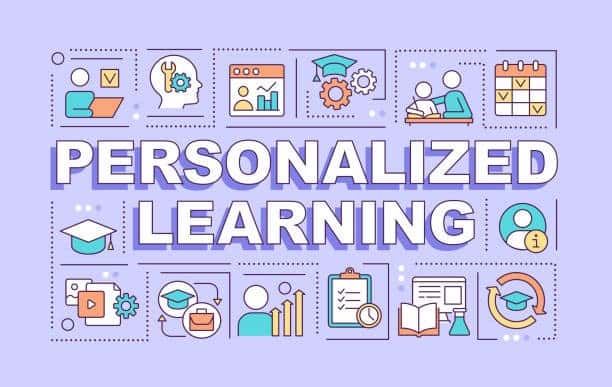

With rapid technology advancement and changing employment demand, educational paradigms are being reevaluated for their ability to prepare students for the future. The traditional classroom model with its standardized curriculum and uniform teaching methods is increasingly being replaced by personalized approaches that recognise and nurture each student's unique potential.
Personalized learning through mentorship represents one of the most promising educational innovations of our time. By providing students with dedicated mentors who can guide their educational journey, schools can create tailored learning experiences that address specific needs while developing crucial skills for the future.
One of the best online schools in India, StayQrious NeoSchool, exemplifies this approach, revolutionizing education through a mentorship model designed for tomorrow's challenges. In this article, we'll explore how personalised mentorship transforms education, examining the limitations of conventional classrooms and highlighting how intentional student-teacher relationships create learning environments where every child can thrive.
Also Read | Coding Made Easy: Enjoy Learning at StayQrious NeoSchoolThe Limitations of Traditional Classroom Models
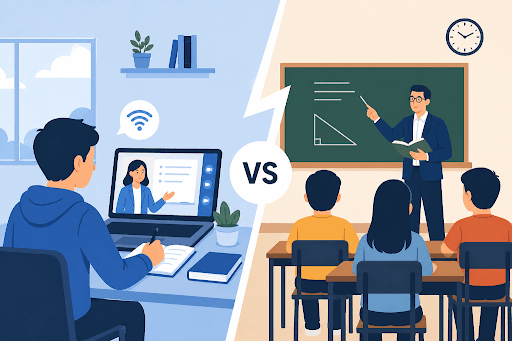
Traditional education systems often struggle to meet the diverse needs of today's learners. With overcrowded classrooms and standardised approaches, many students find themselves lost in a system not designed for individual growth.
- Insufficient Individualized Attention: With teacher-to-student ratios of 1:30 or higher, students typically receive less than five minutes of individual attention daily. This minimal interaction makes it difficult for teachers to identify specific learning gaps or provide tailored feedback.
- One-size-fits-all Curriculum Pacing: Traditional classrooms move all students through material at the same rate, regardless of individual mastery levels. This leaves faster learners bored while struggling students fall further behind without the opportunity to solidify foundational concepts.
- Limited Teaching Methodologies: Most traditional classrooms rely heavily on lecture-based instruction that fails to accommodate diverse learning styles. Visual, kinesthetic, and other non-auditory learners often struggle to absorb information presented primarily through verbal instruction.
- Standardized Assessment Limitations: Traditional grading systems typically measure narrow academic outputs rather than holistic learning and growth. These assessment methods often fail to recognize diverse forms of intelligence and can diminish intrinsic motivation for learning.
- Development of Socio-emotional Skills: The focus on academic content delivery leaves little room for the intentional development of crucial soft skills like emotional regulation, collaboration, and self-awareness. These skills are increasingly recognized as essential for both personal well-being and professional success.
- Environmental Constraints: Physical classroom arrangements and rigid schedules restrict movement, collaboration, and authentic learning experiences. These environmental limitations can stifle creativity and critical thinking skills essential for future success.
- Disconnection from Real-world Application: Traditional education often compartmentalizes knowledge into distinct subjects without clear connections to practical applications. This disconnection can lead to decreased engagement and difficulty transferring learning to real-world contexts.
The Power of Mentorship in Education

The mentor-student relationship creates a transformative educational experience that traditional classrooms can't replicate. When students have dedicated mentors who understand their unique learning profiles, education becomes personalized and purposeful.
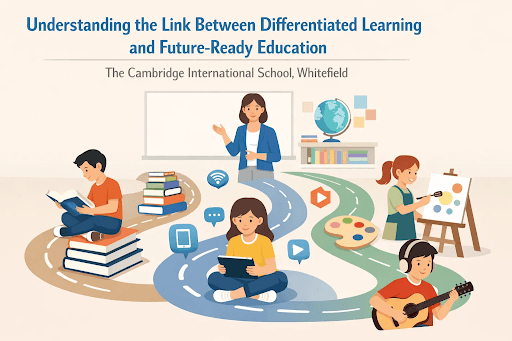
- Personalized Learning Experience: Mentors can tailor educational approaches to match each student's unique learning style, pace, and interests. This customization ensures that instruction addresses specific needs rather than forcing students to adapt to a standardized curriculum.
- Enhanced Student Engagement: The personal connection between mentor and student creates a sense of accountability and belonging that dramatically increases student investment in learning. Students who feel seen and valued by their mentors demonstrate greater motivation, persistence, and willingness to tackle challenging material.
- Development of Metacognitive Skills: Effective mentors guide students in recognizing how they learn best and developing strategies for self-directed learning. This focus on "learning how to learn" equips students with lifelong skills for continuous growth beyond formal education.
- Improved Confidence and Risk-Taking: The safety of a trusted mentoring relationship creates space for students to attempt difficult tasks without fear of judgment. This psychological safety promotes intellectual risk-taking, essential for innovation and creative problem-solving.
- Holistic Development Beyond Academics: Mentors address the whole student, supporting emotional intelligence, character development, and life skills alongside academic growth. This balanced approach prepares students for real-world success where personal qualities often matter as much as technical knowledge.
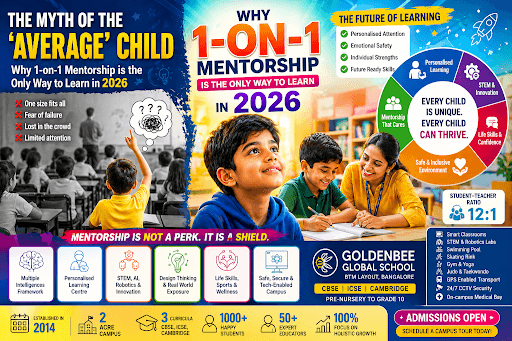
Reimagining Student-Teacher Ratios for Effective Learning

The number of students a teacher works with directly impacts educational outcomes. Smaller ratios create opportunities for meaningful interaction and tailored instruction that simply isn't possible in conventional classroom settings.
The Science Behind Smaller Groups
Educational research consistently demonstrates that smaller student-teacher ratios lead to better academic outcomes. When educators work with fewer students, they can provide more immediate feedback, spend more time addressing misconceptions, and design more engaging learning experiences. The ideal ratio appears to be around 8:1—small enough for individualized attention but large enough for productive peer collaboration.
In these smaller settings, teachers can employ a wider range of instructional strategies, including project-based learning, Socratic discussions, and hands-on experiments. These diverse approaches cater to different learning styles and help students develop a deeper understanding of concepts rather than merely memorizing facts.
Creating Safe Learning Environments
When students work in small groups with dedicated mentors, they develop the psychological safety needed to take risks and make mistakes, essential components of the learning process. Without the fear of judgment from a large audience, students are more likely to ask questions, share incomplete ideas, and seek help when needed.
This supportive environment is particularly valuable for developing soft skills like communication, collaboration, and emotional intelligence. As students work closely with their mentors and peers, they learn to express themselves clearly, listen actively, and respond constructively to feedback—skills that will serve them well in any future endeavor.
Preparing Students for a Changing World
Today's education must prepare students for jobs and challenges that don't yet exist. This requires a fundamental shift from content memorization to skill development and adaptable thinking.
- Adaptability and Learning Agility: In a rapidly evolving job market, the ability to quickly adapt to new technologies and methods is more valuable than static knowledge. Students who develop learning agility can pivot between careers and master new skills throughout their lives.
- Critical Thinking and Problem-Solving: Tomorrow's professionals must analyze complex situations, evaluate information from multiple sources, and develop innovative solutions. These higher-order thinking skills enable graduates to tackle unprecedented challenges that cannot be solved through memorized procedures.
- Digital Literacy and Technological Fluency: Students need more than basic computer skills; they require the ability to critically evaluate digital information and adapt to emerging technologies. This technological fluency allows graduates to leverage new tools effectively rather than being replaced by them.
- Collaboration and Cross-Cultural Communication: The increasingly global and team-based nature of work demands excellent interpersonal skills across diverse groups. Students who can navigate cultural differences and collaborate effectively will thrive in interconnected workplaces.
- Emotional Intelligence: Understanding one's emotions and effectively managing relationships is crucial in modern professional environments. Students with strong emotional intelligence can navigate workplace dynamics, build meaningful connections, and demonstrate leadership regardless of their technical role.
- Creativity and Innovation: As routine tasks become increasingly automated, the ability to generate novel ideas and approaches becomes more valuable. Students who cultivate creative thinking can identify opportunities and develop solutions that machines cannot replicate.
- Resilience and Grit: The capacity to persevere through challenges and bounce back from setbacks is essential in a rapidly changing economy. Students who develop resilience view obstacles as learning opportunities rather than insurmountable barriers.
StayQrious NeoSchool: Pioneering One-to-One Mentorship for Future-Ready Learning
StayQrious NeoSchool, established in 2020, is one of the best Cambridge online schools in India that serves students from classes 4-6. Founded by Aanand Srinivas, former learning head of Khan Academy, in collaboration with Dr. Brian Johnsrud, founder of Stanford's learning science lab, this innovative institution has reimagined education from first principles.

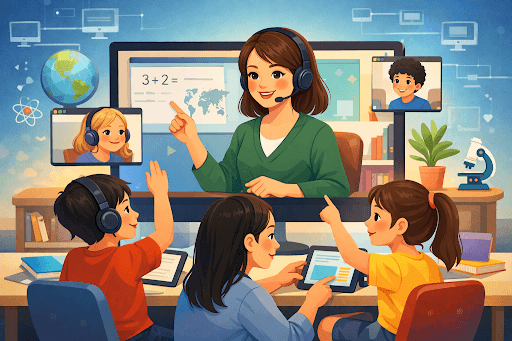
At the core of StayQrious NeoSchool's educational philosophy is its exceptional 8:1 student-teacher ratio, ensuring every child receives the personalized attention they need to thrive. Students engage in 3-hour daily remote workshops that simulate modern workplace environments, developing both academic knowledge and essential future skills like emotional intelligence, social capabilities, independent learning, and creative problem-solving.
What truly sets StayQrious apart is its commitment to student mental health. The school provides regular one-on-one sessions with coaches, access to CBT-trained psychologists, and wellness sessions for both students and parents. This holistic approach ensures that learning happens in an environment that prioritizes well-being alongside academic achievement.
The curriculum, designed by experts from Stanford and Khan Academy, balances traditional academic subjects with forward-thinking knowledge areas relevant to tomorrow's world. This innovative approach prepares students not just for exams but for the challenges and opportunities they'll face in a rapidly changing global landscape.
Ready to provide your child with an education that combines personalized mentorship, future-ready skills, and attentive care? Learn more about StayQrious NeoSchool and discover how this revolutionary approach to learning could transform your child's educational journey.
For more information on this and other such schools in the area, check out this list of the best online schools.





 as a preferred source on