









Every child learns differently. Some students understand concepts quickly, while others need more time and explanation. In large classrooms, it often becomes difficult for teachers to notice these differences. As a result, some learners move ahead easily while others struggle silently.
This is why the teacher-student ratio plays an important role in education. When fewer students are placed in each class, teachers can give more attention to every learner. They can understand individual strengths, learning styles, and areas where students need help.
Schools that maintain smaller class groups create an environment where students feel supported and encouraged to participate. Instead of feeling lost in a crowd, every child becomes visible and valued. This article explores how a low teacher-student ratio strengthens learning experiences and how Samurja International School, one of the best schools in Greater Noida, ensures personalized attention through its 1:10 teacher-student ratio.
Why Teacher Student Ratio Matters in Education
The teacher-student ratio refers to the number of students assigned to one teacher. A lower ratio allows educators to focus more closely on each child. Instead of managing large groups, teachers can interact with students individually and guide them more effectively.
In smaller classrooms, teachers can quickly identify when a student struggles with a topic. They can provide extra explanation or practice before the difficulty grows. This early intervention helps students stay confident and motivated.
A lower teacher-student ratio also improves communication between teachers and learners. Students feel comfortable asking questions and expressing doubts. Teachers, in turn, can provide clearer feedback and track each child’s progress closely.
Over time, this supportive structure strengthens academic performance as well as emotional well-being.
How Smaller Class Groups Improve Learning
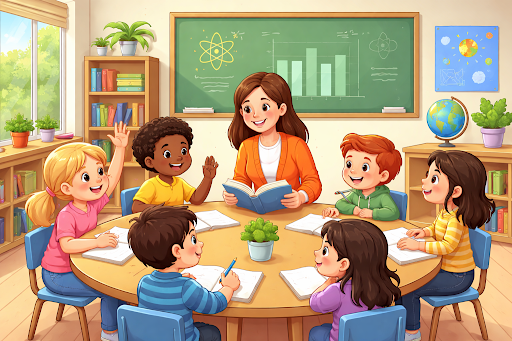
When classrooms are smaller, learning becomes more interactive. Students do not remain silent observers; they participate actively in discussions and activities. Teachers can design lessons that involve everyone instead of focusing only on completing the syllabus.
Smaller groups also allow teachers to adapt their teaching methods. Some students learn better through visual explanations, while others understand through discussion or hands-on activities. With fewer students, teachers can adjust lessons to suit different learning styles.
Students also receive quicker feedback on their work. Instead of waiting days for corrections, they get immediate guidance. This helps them recognise mistakes and improve faster.
Key Advantages of Small Class Learning
- Better individual attention
Teachers can focus on each student’s strengths and weaknesses. They observe learning patterns and provide guidance that suits the child’s pace and ability. - Improved classroom participation
Students feel more comfortable sharing opinions and asking questions. Smaller groups reduce hesitation and encourage open discussion. - Stronger academic support
Teachers notice learning gaps early and provide additional explanation or practice. This prevents small difficulties from becoming major challenges. - Greater confidence in students
When children receive attention and encouragement, they develop confidence in their abilities and become more active learners.
These advantages make smaller class groups an important element of effective schooling.
Building Strong Teacher-Student Relationships
A lower teacher-student ratio also strengthens mentorship. Teachers do not only deliver lessons; they become guides who understand each child’s academic and emotional needs.
When teachers interact regularly with smaller groups, they notice changes in behaviour, interest, or performance. They can offer guidance, encouragement, or support when students face difficulties. This builds trust between teachers and learners.
Strong relationships also improve discipline and motivation. Students respect teachers who understand them and take interest in their growth. They feel comfortable seeking advice or discussing challenges.
Such connections make the learning environment more positive and supportive. Students grow academically while also developing emotional security.
Supporting Holistic Development
Education today aims to develop well-rounded individuals rather than focusing only on marks. A smaller teacher-student ratio helps achieve this goal.
Teachers have more time to encourage participation in activities beyond academics. They can guide students in creative projects, presentations, discussions, and leadership opportunities.
Individual attention also supports emotional development. Students feel valued when teachers recognise their efforts and achievements. This sense of belonging encourages them to participate actively in school life.
By supporting academic, social, and emotional growth together, smaller classrooms create balanced learning experiences.
Check Out | How Smart Classrooms are Changing the Way Children Learn
Samurja International School: Learning Through Personalised Attention
Samurja International School, one of the best CBSE schools in Greater Noida, takes pride in maintaining a 1:10 teacher-student ratio, ensuring that every learner receives close attention and meaningful guidance. This approach allows teachers to understand each child’s learning style and provide personalised academic support.

In this environment, teachers can observe progress carefully and offer timely feedback. Students receive the help they need without hesitation. Whether clarifying concepts or encouraging participation, teachers remain closely involved in each learner’s journey.
The nurturing atmosphere also helps students feel comfortable and confident in the classroom. They are encouraged to ask questions, share ideas, and take part in discussions without fear of being overlooked.
By maintaining smaller class groups, Samurja International School creates a child-friendly environment where every student receives attention, mentorship, and opportunities to grow.
Conclusion
A low teacher-student ratio plays a vital role in creating an effective learning environment. Smaller class groups allow teachers to understand individual learning styles, provide timely feedback, and support each student’s academic and emotional growth. Students participate more actively, build confidence, and receive focused guidance throughout their education.
Samurja International School demonstrates how personalised learning can make a meaningful difference. Through its 1:10 teacher-student ratio, the school ensures that every child receives attention and encouragement in a nurturing environment. Parents seeking a school that values individual growth and meaningful learning experiences can explore Samurja International School as a place where every learner truly matters.
For more information on this and similar schools in the area, check out this list of the best schools in Greater Noida.












 as a preferred source on