







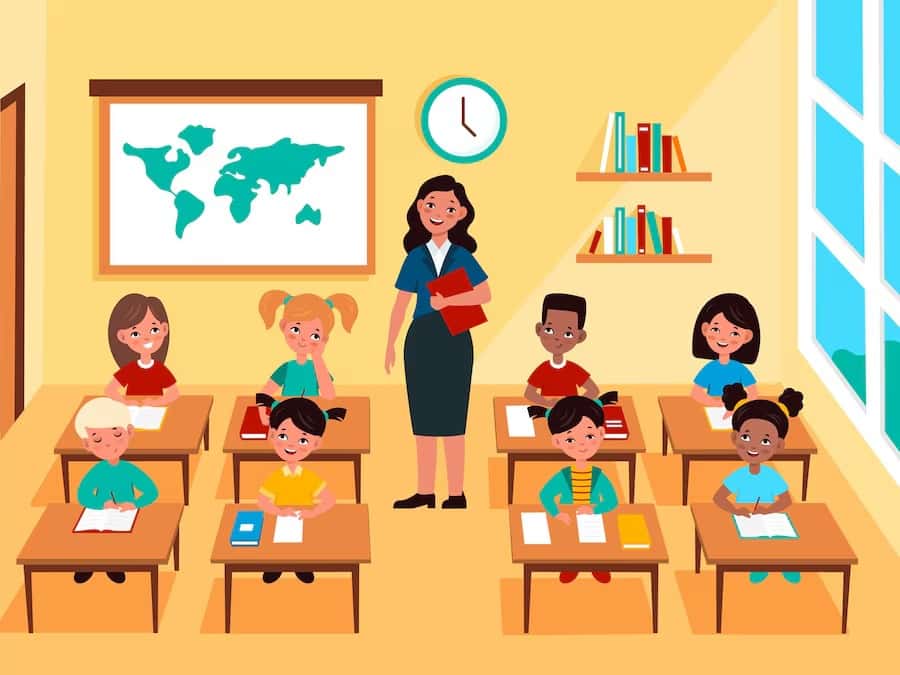

In today's competitive educational landscape, parents and educators constantly seek the magic formula for academic success. While curriculum design and teaching methodologies matter significantly, one factor consistently emerges as a game-changer: the student-teacher ratio. Research across decades has proven that smaller class sizes directly translate to better learning outcomes, enhanced emotional development, and stronger academic performance.
One of the best schools in Greater Noida West, Sarvottam International School, exemplifies this principle by maintaining an impressive 15:1 student-teacher ratio with optimal class strength of just 28 students. This commitment to personalised attention has positioned the school as a leader in holistic education, ensuring every child receives the focused guidance they deserve. The following exploration reveals how individualised attention transforms educational experiences and why parents should prioritise this crucial metric when selecting schools.
In this article, we explore the research-backed benefits of smaller class sizes, examine how individualised attention enhances academic performance and emotional development, and discover why maintaining optimal student-teacher ratios should be a top priority for parents seeking quality education for their children.
Also Read | Fostering Empathy Through Community Outreach
The Science Behind Small Class Sizes
Understanding why smaller classes work requires examining both educational research and child psychology. Multiple studies have established clear connections between class size and student achievement across different age groups and subjects.
Research-Backed Benefits
Educational researchers have spent decades analysing the correlation between class sizes and academic outcomes. The Tennessee STAR project, one of the most comprehensive studies in this field, tracked over 11,000 students and found that children in smaller classes showed significant improvements in reading and mathematics scores compared to their peers in larger classrooms.
Countries with consistently high PISA scores, including Finland and Singapore, maintain student-teacher ratios between 12:1 and 16:1. These nations demonstrate that investing in smaller class sizes yields measurable returns in student performance and educational satisfaction.
The benefits extend beyond test scores. Students in smaller classes demonstrate improved critical thinking skills, better retention rates, and enhanced problem-solving abilities. Teachers can dedicate more time to complex concepts, ensuring thorough understanding before progressing to advanced topics.
Psychological Impact on Learning
Smaller classroom environments create psychological safety nets that encourage student participation and risk-taking in learning. When teachers can monitor fewer students, they quickly identify anxiety patterns, learning difficulties, and behavioural challenges that might otherwise go unnoticed in crowded classrooms.
Students feel more comfortable asking questions, expressing opinions, and engaging in classroom discussions when they know their teacher recognises their contributions. This psychological comfort translates directly into improved academic confidence and willingness to tackle challenging subjects.
Research in developmental psychology confirms that children thrive when they feel seen and valued. Smaller classes naturally foster these feelings, creating positive learning environments where students develop healthy relationships with both peers and educators.
Academic Excellence Through Personalised Attention

Effective teaching requires understanding each student's unique learning profile, strengths, and areas needing improvement. This individualisation becomes practically impossible in overcrowded classrooms but flourishes in smaller educational settings.
Individualised Learning Approaches
Teachers in smaller classes can implement differentiated instruction strategies effectively. They observe how each student processes information, identifies preferred learning modalities, and adjust teaching methods accordingly. Visual learners receive graphic organisers and diagrams, while kinesthetic learners engage in hands-on activities and movement-based learning.
Immediate feedback becomes feasible when teachers manage fewer students. Instead of waiting days for assignment returns, students receive timely corrections and suggestions that reinforce learning while concepts remain fresh. This rapid feedback loop accelerates understanding and prevents misconceptions from solidifying.
Advanced learners benefit from enrichment opportunities and challenging extensions, while struggling students receive additional support and alternative explanations. Teachers can provide scaffolding that meets students exactly where they are academically, ensuring no one falls behind or remains unchallenged.
Enhanced Engagement and Participation
Smaller classes naturally increase individual speaking time and participation opportunities. Students cannot hide in the background or rely on more vocal classmates to carry on discussions. This increased participation develops communication skills, builds confidence, and ensures active learning rather than passive absorption.
Quality classroom discussions emerge when teachers can facilitate meaningful exchanges between smaller groups of students. These conversations deepen understanding, expose students to diverse perspectives, and develop critical thinking skills that standardised tests cannot measure but future success demands.
Group projects become more manageable and equitable when teachers can monitor team dynamics closely. They can ensure balanced participation, address conflicts promptly, and guide collaborative learning experiences that build both academic and social skills.
Emotional and Social Development Benefits

Academic achievement represents just one dimension of successful education. Emotional intelligence, social skills, and character development require nurturing relationships that smaller classes naturally facilitate.
Building Stronger Teacher-Student Relationships
Teachers in smaller classes develop genuine relationships with each student, understanding their personalities, interests, and challenges beyond academic performance. These relationships create trust that encourages students to seek help when needed and take academic risks that promote growth.
Mentorship opportunities arise naturally when teachers have fewer students to guide. They can provide career advice, discuss personal challenges, and offer encouragement during difficult periods. These relationships often extend beyond graduation, providing ongoing support during critical life transitions.
Early intervention becomes possible when teachers notice changes in behaviour, mood, or academic performance. Instead of problems festering unnoticed, teachers can address issues promptly, connect families with appropriate resources, and prevent minor concerns from becoming major obstacles.
Peer Interaction and Collaboration
Smaller classes foster closer friendships and stronger peer support networks. Students get to know classmates more deeply, developing empathy and understanding that transcends surface-level interactions common in larger groups.
The dynamics of smaller classes often reduce bullying and social exclusion. Teachers can monitor peer interactions more effectively, intervene in conflicts quickly, and create inclusive environments where every student feels valued and accepted.
Leadership opportunities become available to more students in smaller classes. Rather than a few dominant personalities controlling group dynamics, quieter students can develop leadership skills through various roles and responsibilities throughout the academic year.
Check Out | The Power of Peer-to-Peer Learning
Sarvottam International School, Greater Noida West: Excellence Through Focused Guidance
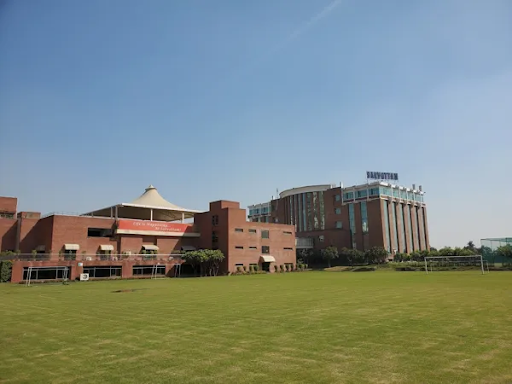
Established in 2015, Sarvottam International School stands as a beacon of educational excellence in Tech Zone IV, Greater Noida West. This CBSE-affiliated institution has carved a distinctive niche in the competitive educational landscape by prioritising personalised attention through strategic class size management. Over its decade-long journey, the school has consistently demonstrated that maintaining smaller classes directly correlates with superior educational outcomes and student satisfaction.
The school's commitment to academic excellence is reflected in its impressive 89% school average in CBSE results for 2023-24. With 250+ passionate educators serving students across all grade levels, Sarvottam maintains an optimal student-teacher ratio of 15:1, ensuring each child receives the individual attention necessary for holistic development. The institution's state-of-the-art infrastructure spans a sprawling campus featuring interactive classrooms, advanced robotics and science laboratories, and a comprehensive 30,000 square feet activity area designed to stimulate creativity and innovation.
One of the best CBSE schools in Greater Noida West, Sarvottam International School, has earned recognition as the top-ranked institution for holistic education according to Education Today rankings. The school's comprehensive approach encompasses diverse skill development clubs, extensive sports facilities including an all-weather swimming pool and international-standard courts, and unique programs like the International Award for Young People (IAYP). These initiatives ensure students develop not just academically but also physically, emotionally, and socially within supportive small-class environments.
The institution's vision of creating "joyful, lifelong learners" comes alive through its student-first philosophy and commitment to personalised education. By maintaining smaller class sizes, implementing innovative teaching methodologies, and fostering meaningful teacher-student relationships, Sarvottam prepares students not just for academic success but for responsible global citizenship. Parents seeking an educational environment where their children receive individual attention, develop confidence, and achieve their full potential will find Sarvottam International School's approach to education both refreshing and effective in today's rapidly evolving world.
Ready to experience the difference personalised attention makes in your child's education? Visit Sarvottam International School's campus to witness firsthand how smaller classes create bigger opportunities for every student's success.
For more information on this and other similar schools in the area, check out this list of the best schools in Greater Noida West.



 as a preferred source on