








Education is not just about acquiring knowledge; it’s about unlocking a student’s full potential. Every child possesses unique talents, skills, and intellectual abilities. However, realizing these abilities requires the right guidance, resources, and an environment that fosters academic excellence and personal growth.
At The Cambridge International School (TCIS), Haralur, Bangalore, one of the best schools in Bangalore, academic success is not just about grades; it is about unlocking every student’s true potential. The school ensures that students receive personalized attention, world-class education, and the right opportunities to excel.
In this article, we will explore the importance of student-centric learning and how The Cambridge International School in Haralur, Bangalore, is committed to this vision.
Also Read | Empowering Students through Personalized Learning: TCIS, Haralur's Vision for the FutureBenefits of Student-centred Learning

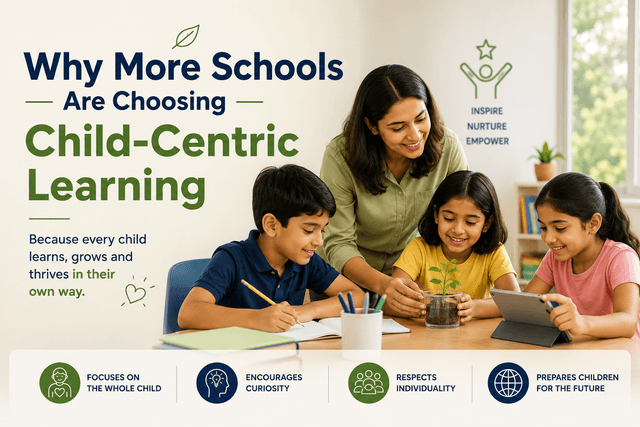
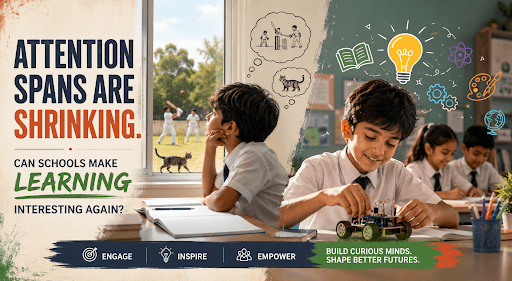
- Increased Engagement & Motivation: Students are more likely to be involved and motivated when they can actively participate in their learning. Their interest in the subject may rise as a result of being able to relate the information to their objectives and aspirations.
- Improved Ability To Think Critically And Solve Problems: Students are encouraged to think independently and to approach challenges more independently and creatively through student-centred learning. Child-centric education stimulates early brain development, encourages children to dream and create, and strengthens memory while encouraging healthy development and critical thinking abilities
- Greater Independence: Given the flexibility and responsibility to direct their education, children may better hone crucial abilities like time management and self-control. Child-centric education promotes the general well-being of children by allowing them to explore beyond the four walls of the classroom
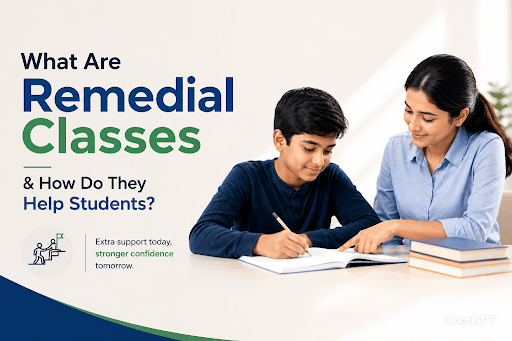
- Personalised Learning: With student-centric learning, every student has the freedom to learn at their speed and in a style that suits their requirements and interests. Students who might find it difficult to study using conventional techniques or who have certain learning requirements may find this to be extremely helpful.
Implementing Student-centric Learning
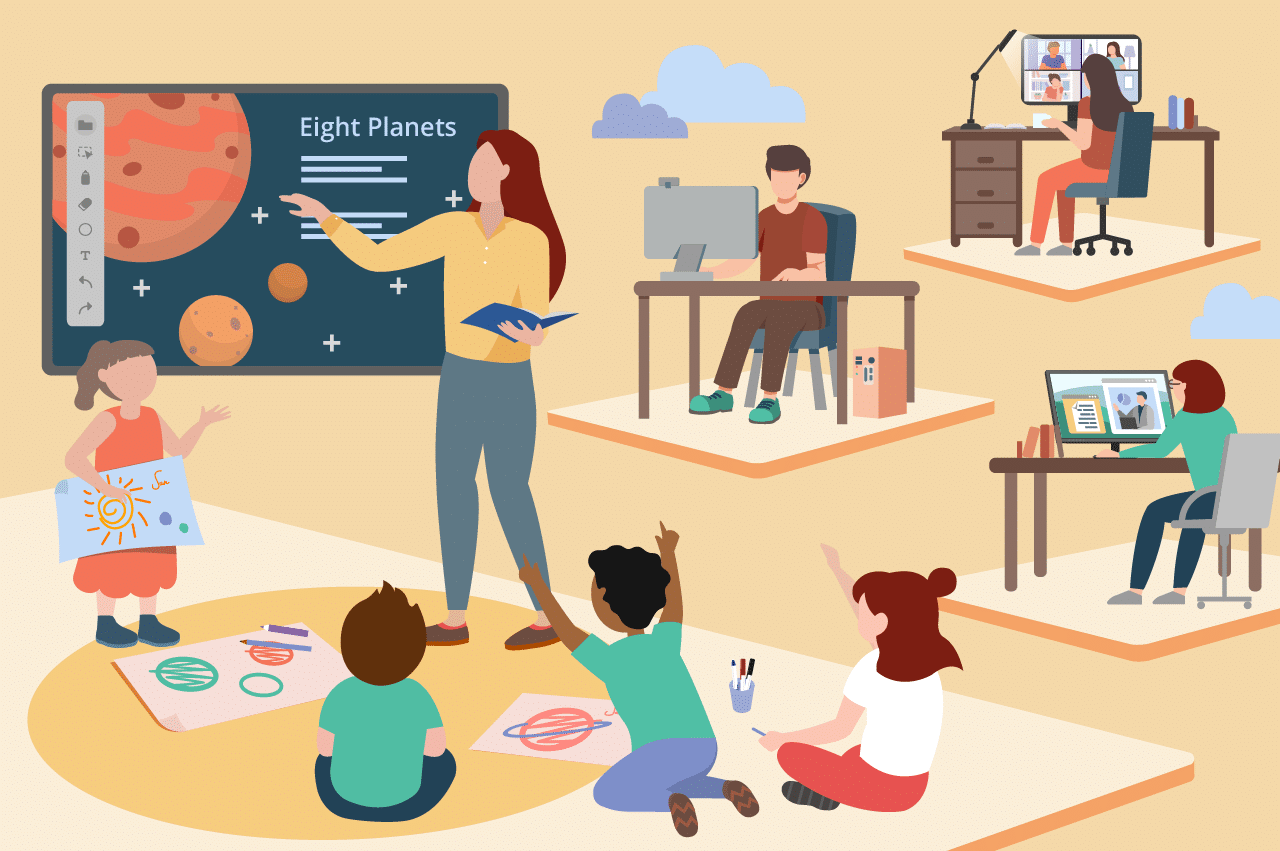
Implementing Student-centric learning involves tailoring the curriculum, teaching methods, and classroom environment to meet each child's specific needs, fostering their love for learning, and promoting their overall growth. Here is a detailed explanation of how Student-centric learning can be implemented:
1. Individualized Learning
Student-centric learning emphasizes personalised learning experiences for each student. Teachers should assess the strengths, weaknesses, and learning styles of students to create individualized learning plans.
This may involve adapting teaching strategies, providing additional resources or support, and offering opportunities for self-directed learning.
2. Active Learning
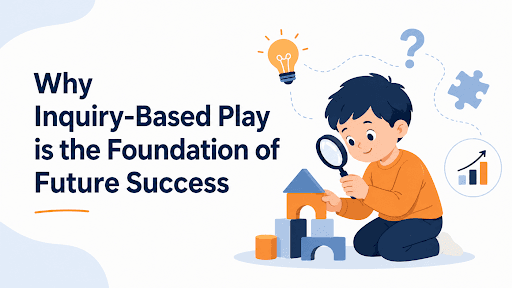
Student-centric learning encourages active learning through hands-on activities, problem-solving tasks, and real-life experiences. Instead of passively absorbing information, children are actively engaged in the learning process, allowing them to develop critical thinking, problem-solving, and decision-making skills.
Teachers can incorporate group projects, experiments, field trips, and discussions to promote active learning.
3. Child's Interests and Passions
Student-centric learning acknowledges and values the interests, passions, and talents of each child. Teachers can incorporate topics and themes that are relevant and interesting to the students into the curriculum.
This approach helps to foster intrinsic motivation, as children are more likely to be engaged and enthusiastic about learning when it aligns with their interests.
4. Collaborative Learning
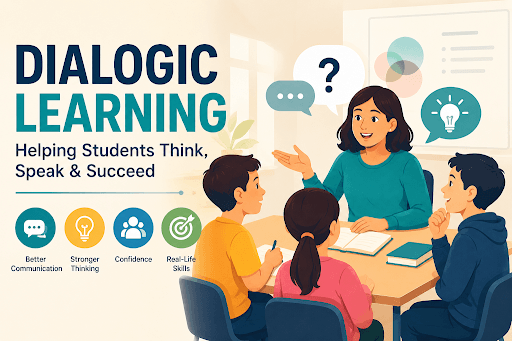
Student-centric learning promotes collaboration and cooperation among students. Group activities, discussions, and projects encourage children to work together, share ideas, and learn from one another.
This enhances their social skills and helps them develop a deeper understanding of concepts by engaging in meaningful conversations and peer-to-peer learning.
5. Flexible Learning Environment
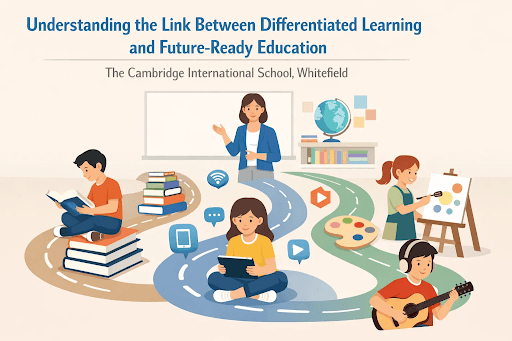
Student-centric learning requires a flexible and adaptive learning environment. Classrooms should be designed to accommodate different learning styles and provide resources that support various interests and abilities.
Teachers can arrange the physical space to allow for both individual and group activities, create learning centres, and provide a variety of learning materials.
6. Assessment for Learning

Student-centric learning focuses on ongoing, formative assessment to monitor the progress of each child. Instead of relying solely on exams and grades, teachers can use a range of assessment methods such as observation, portfolios, projects, and self-assessment.
This helps identify individual strengths and weaknesses and provides valuable feedback for students and teachers.
7. Emotional Well-being
Student-centric learning recognizes the importance of emotional well-being in the learning process. Creating a safe and supportive classroom environment where children feel comfortable expressing themselves and taking risks is essential.
Teachers can incorporate mindfulness exercises, social-emotional learning activities, and regular check-ins to promote emotional intelligence and overall well-being.
8. Parent and Community Involvement
Student-centric learning involves collaboration between teachers, parents, and the community. Regular communication with parents, involving them in decision-making processes, and seeking their input can provide valuable insights into the child's needs and help create a more holistic learning environment.
Engaging the community through field trips, guest speakers, and volunteer opportunities can also enrich the learning experiences.
Also Read | Nurturing Students' Wellbeing: Promoting Positive Mental Health in Academic SettingsThe Cambridge International School’s Innovative Approach
Established in 2016, The Cambridge International School (TCIS) in Haralur, Bangalore, has swiftly become one of the best CBSE schools in Bangalore, dedicated to fostering both academic excellence and essential life skills. With an impressive student-teacher ratio of 10:1, TCIS offers personalized attention, nurturing confidence and proficiency across various disciplines, including public speaking.

At The Cambridge International School (TCIS) in Haralur, Bangalore, the child-centered approach is fundamental to its educational philosophy. Serving a diverse student body from Nursery to Grade 12, TCIS creates a nurturing environment that encourages creativity, critical thinking, and collaboration. This individualized approach ensures that each child's unique learning needs are addressed, promoting comprehensive development.
The school's flexible, student-centered learning environment integrates technology, customized lesson plans, and hands-on experiential learning. This allows education to adapt to each student's pace and preferences. Teachers at TCIS act as mentors, providing personalized support to help students build a strong foundation in academics, critical thinking, and real-world skills.
For more information on this and other similar schools in the area, check out this list of the best schools in Bangalore.




 as a preferred source on