






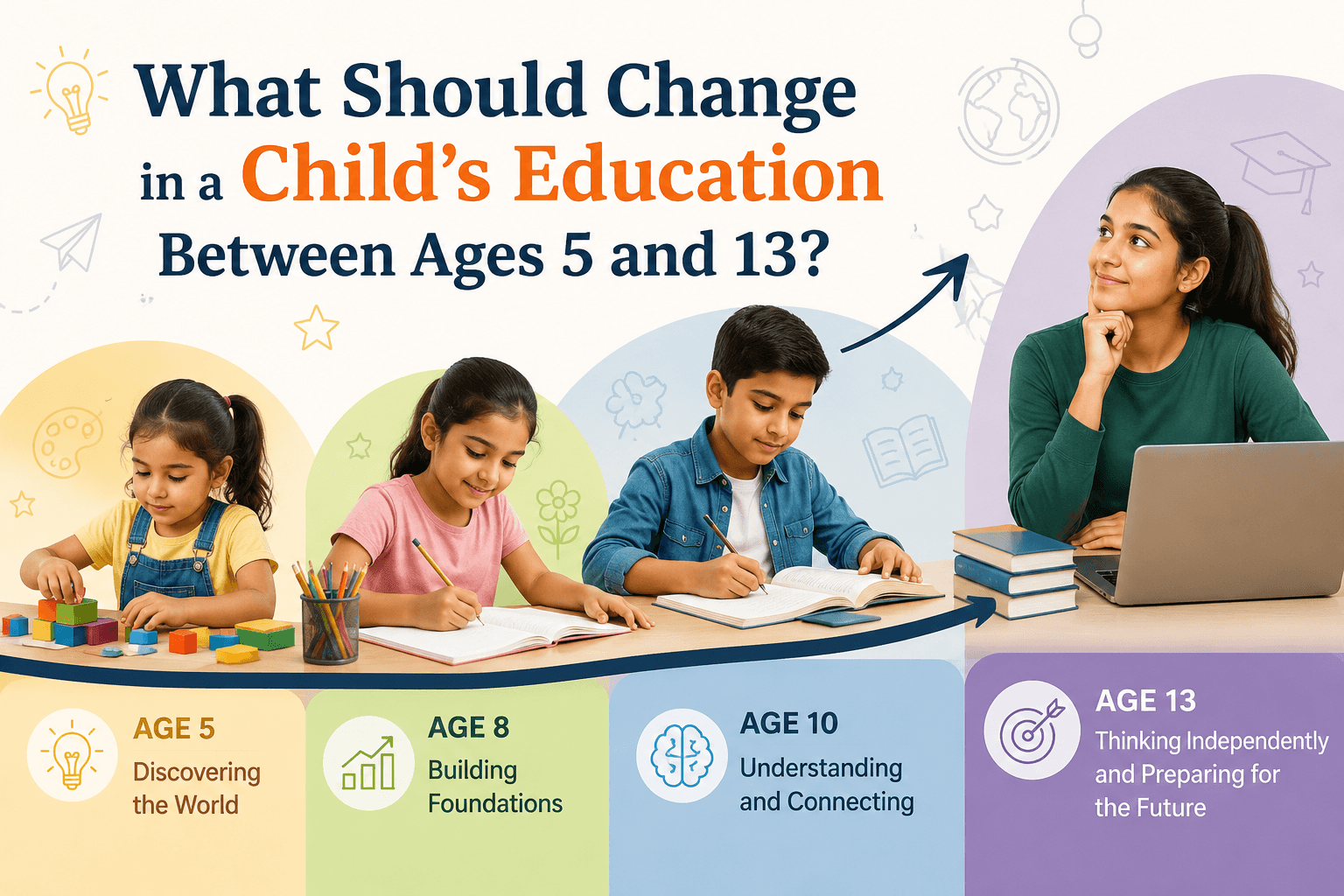

Take you and your sibling, for instance; there might be some age gap between you and them. Now think back: did your parents talk to both of you the same way? Probably not. With the younger one, they probably went easy, explained things slowly, and gave in a little more. By the time it was the older one's turn, or by the time you hit your teens yourself, the rules got stricter, the conversations got more direct, and they expected you to just get it. Nobody sat down and planned this out; it just happened naturally as you both grew.
Schools don't really do that, though. A 5-year-old can barely hold a pencil properly. A 13-year-old can hold their own in an argument and actually mean it. Two completely different people, basically. But sit in on a random class in a lot of schools, and you'll notice the teaching barely changes across the years; it's mostly the same setup, just heavier bags and thicker books by the time they're older.
This article is about that gap, why education actually needs to look different at 5, at 9, at 13, and not just get harder with age. If you're a parent going through the list of Top Schools in Greater Noida West right now, this is worth thinking about before the fee structure or the toppers list. At The Wisdom Tree School, this is actually something they think about: how a classroom for a 6-year-old should feel nothing like one for a 12-year-old. This article will highlight the importance of why learning needs to evolve with a child.
Also Read: How to Choose the Right Stream After Class 10: A Practical Guide for Students and Parents
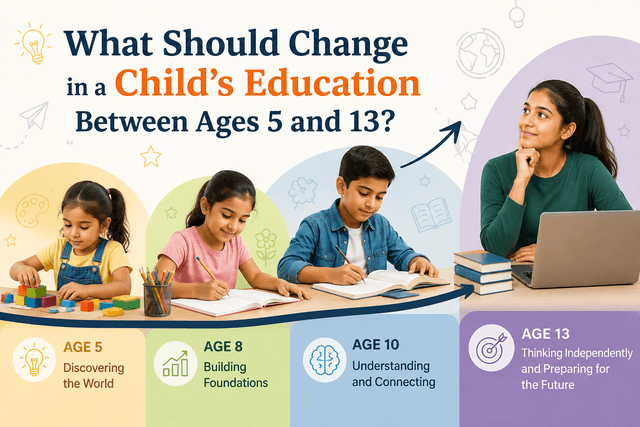
Ages 5-7: Why Learning Still Needs to Feel Like Discovery
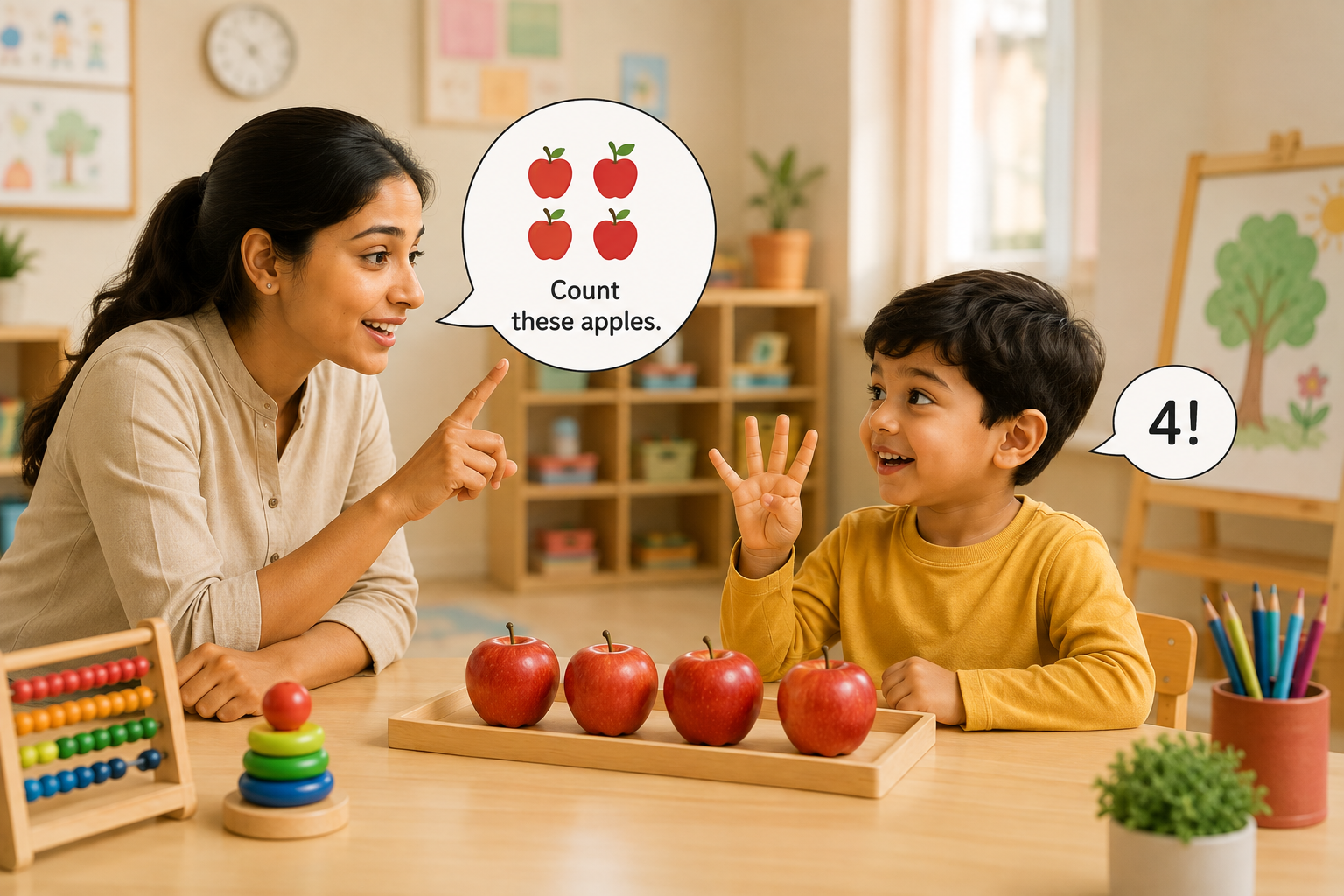
At the age of 5 to 7, a kid is still small, but the questions never stop. Why is the sky blue, why do dogs bark, why can't we eat before bath time, that sort of thing. If you sit them down and try to teach 2 times 2 straight from a textbook, most of them will lose interest in a minute or two. But give them two apples in one hand and two in the other and ask them to count, and they get it almost immediately, and they don't even realise they just did math.
Textbooks and homework don't really matter much at this age. What actually works is stories, play, small conversations, things that don't feel like lessons but end up teaching language, numbers, and how to get along with other kids anyway.
The problem is a lot of schools try to speed this part up. Formal tests, thick books, treating a 5-year-old like they're already in some higher class- none of it makes them learn faster. It mostly just teaches them early that school is boring, before they've had any real chance to enjoy it. At this stage, the syllabus isn't the priority. Keeping their curiosity alive is.
Ages 8-10: When More Structure Can Enter the Picture
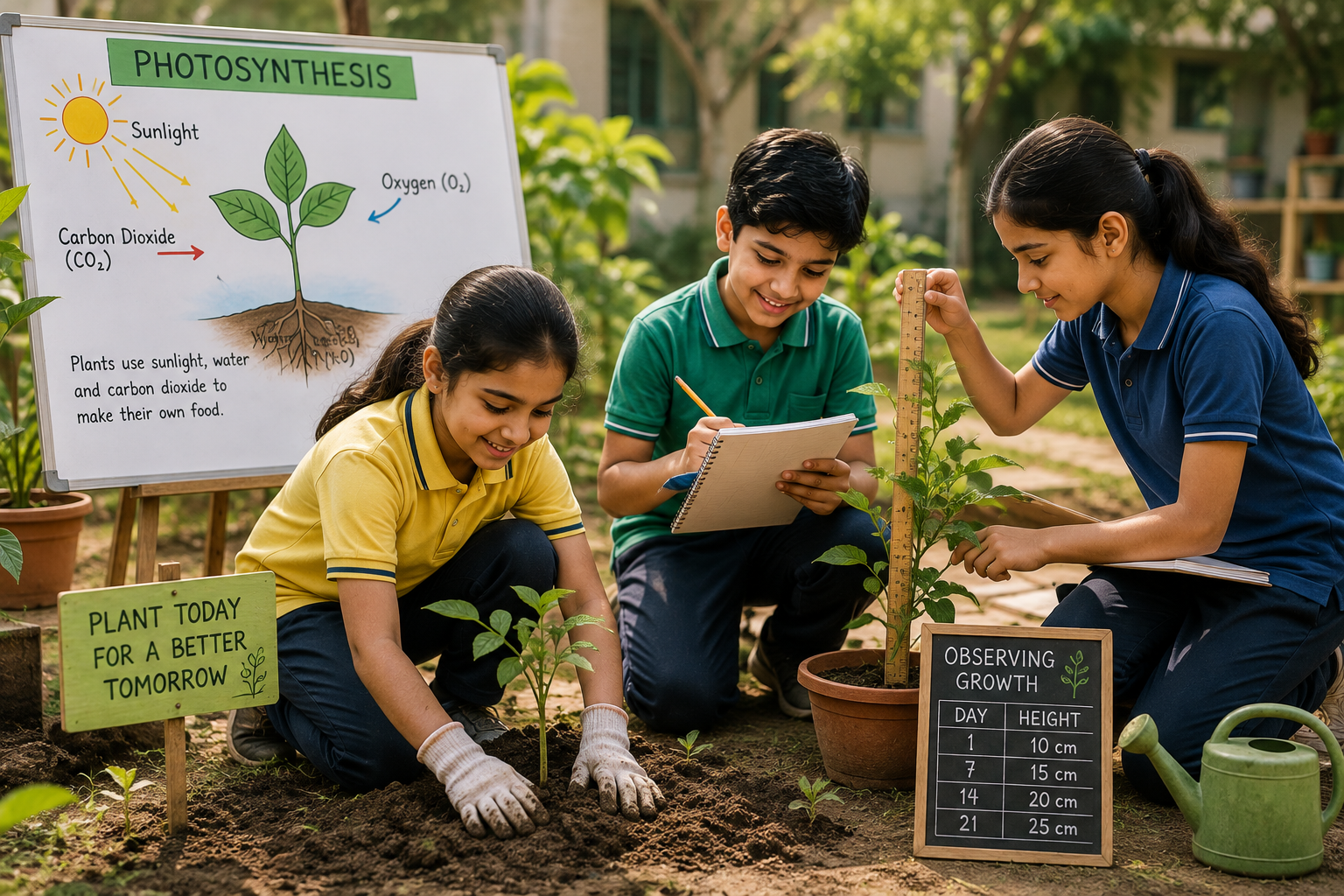
By 8, kids can actually sit with a problem for more than two minutes. Follow two- or three-step instructions without forgetting the first one. Stick with a task instead of wandering off to do something else. This is roughly when homework and tests stop being pointless for them, not the boring fill-in-the-blank kind, but stuff that's structured enough to teach something and still short enough that they don't lose interest halfway.
Take a plant chapter, for example. Instead of just reading about how seeds grow, a kid this age can actually plant one, check on it every few days, and write down what changed. Still got a deadline, still got something to hand in, but there's enough doing involved that it sticks.
Some things that usually change around this age:
- Subjects start getting taught properly instead of everything blending into general activities
- Projects get a bit longer, a bit more involved
- Kids start keeping track of their own homework, their own time
- They're expected to own the outcome now, not just follow steps
None of this means play should vanish though. Just because a 9-year-old can now handle a textbook doesn't mean building something with their hands or acting out a scene stops teaching them anything. It still does. It just gets less airtime as the syllabus fills up.
Ages 11-13: Moving From Being Taught to Learning More Independently
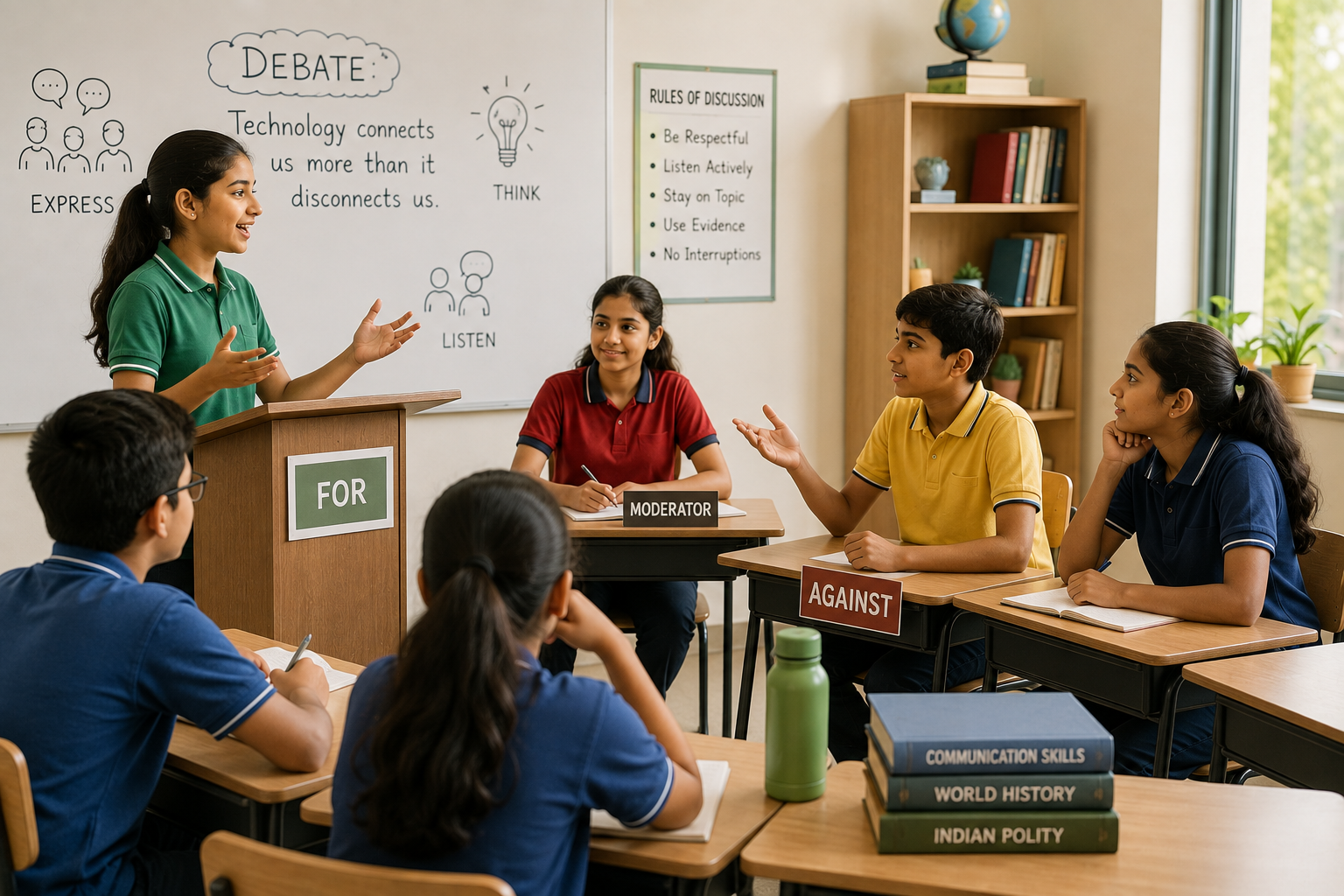
Somewhere between 11 and 13, "because I said so" just stops working as an answer. Tell a 12-year-old that Earth goes around the sun, and don't be surprised when the next question is "okay, but how do we know that?" That's not attitude; that's actually them being ready to think differently, less about remembering facts, more about questioning them.
Take history, for example. Instead of just memorising the date a treaty was signed, a 13-year-old can sit and argue whether the decision behind it was even the right one. Same topic, but now they're reasoning through it instead of just storing it.
What this age actually needs more of:
- Critical thinking, not just recall
- Discussion, actual back and forth, not just listening
- Independent learning, figuring some things out without being walked through every step
- Applying what they know instead of just repeating it
- Owning their own work, mistakes included
This is also the age to start stepping back a bit. Longer assignments, less checking in every few minutes, more room to get something wrong and work out why on their own. Most kids this age can actually handle that kind of ownership; some of them have honestly been waiting for someone to hand it to them.
Also Read: Important CBSE Updates for the Academic Session 2026-2027
How The Wisdom Tree School Adapts Learning Across Different Stages

All of this sounds good on paper: curiosity at 5, structure at 9, independence at 13, but the real test is whether a school actually builds around it. At The Wisdom Tree School, you can actually see this play out across the Junior and Middle Wing, not just read about it somewhere.
Pre-Nursery to Grade 2
Nobody's handing a 4-year-old a textbook here. It's mostly play, stories, and activities that quietly build language and basic skills without feeling like "lessons." This is usually what parents comparing Top Schools in Greater Noida are actually hoping to find at this stage: a place that doesn't rush a small child into formal academics too soon.
Grades 3-5
This is where things get a bit more structured; subjects start getting taught properly, but the hands-on part doesn't disappear. A kid learning about plants or simple machines still gets to build or test something instead of just reading about it. Structure comes in, but slowly, without curiosity getting pushed aside.
Grades 6-8
By Middle Wing, students have subject teachers, access to proper labs, physics, chemistry, biology, math, and are dealing with concepts abstract enough to need real discussion, not just memorising. There's more room for reasoning and applying what they know, which is roughly what a 12 or 13-year-old is actually ready for by now.
So really, this article isn't about school getting harder with age; every school in Greater Noida does that much. It's about how a child is expected learning changes too, and that's worth thinking about when picking a school, not just which grade your child is entering, but whether the classroom itself is built for the age they're actually at.
For more information regarding this and other schools in the same area






 as a preferred source on