







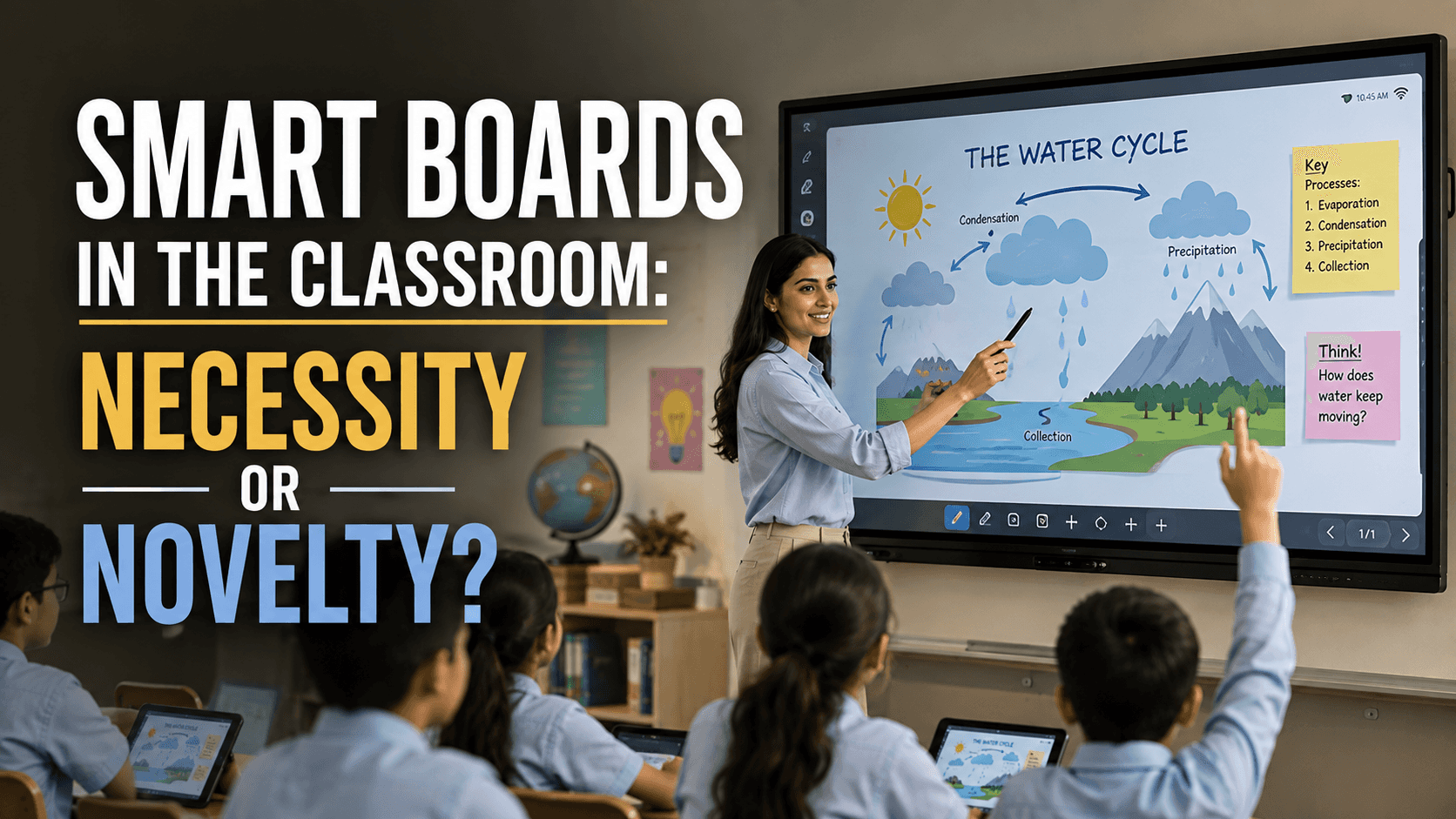

In our school days, writing the date on the blackboard was basically a competition. Everyone wanted a turn. And the duster? The moment the teacher said "erase the board," half the class would be up on their feet, hands stretched out, some kid inevitably knocking over a bag in the process. It wasn't even that big a deal, but somehow it always felt like one.
Yeah, that's basically gone now. Walk into most classrooms today, and there's a big glowing screen up front instead of a dusty green board. One tap and the lesson changes. No chalk on anyone's uniform, no arguments over whose turn it is. Kind of wild how much a classroom can change in just ten years, honestly.
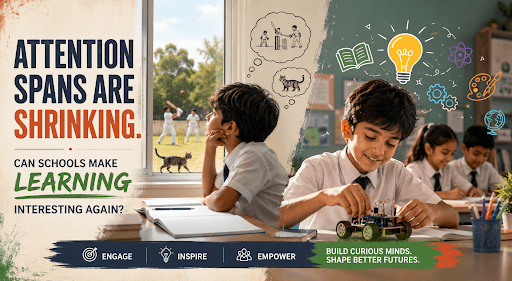
But here's what I keep wondering: is this actually helping kids learn better? Or did we just swap one distraction (kids fighting over the duster) for another (kids staring at flashy slides)? That's what this article is really about.
And if you're someone trying to find a school in Electronic City, Bangalore, which actually does this digital learning thing right, and not just for show, The Paradise Academy is worth checking out. We'll use them as an example to see what good digital learning actually looks like in practice.
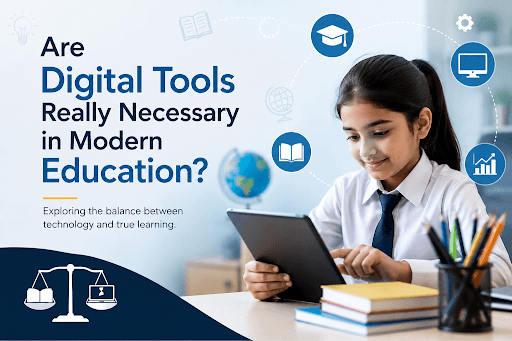
Also Read: Are Digital Tools Really Necessary in Modern Education?
Why Are Smart Boards Introduced in Classrooms?
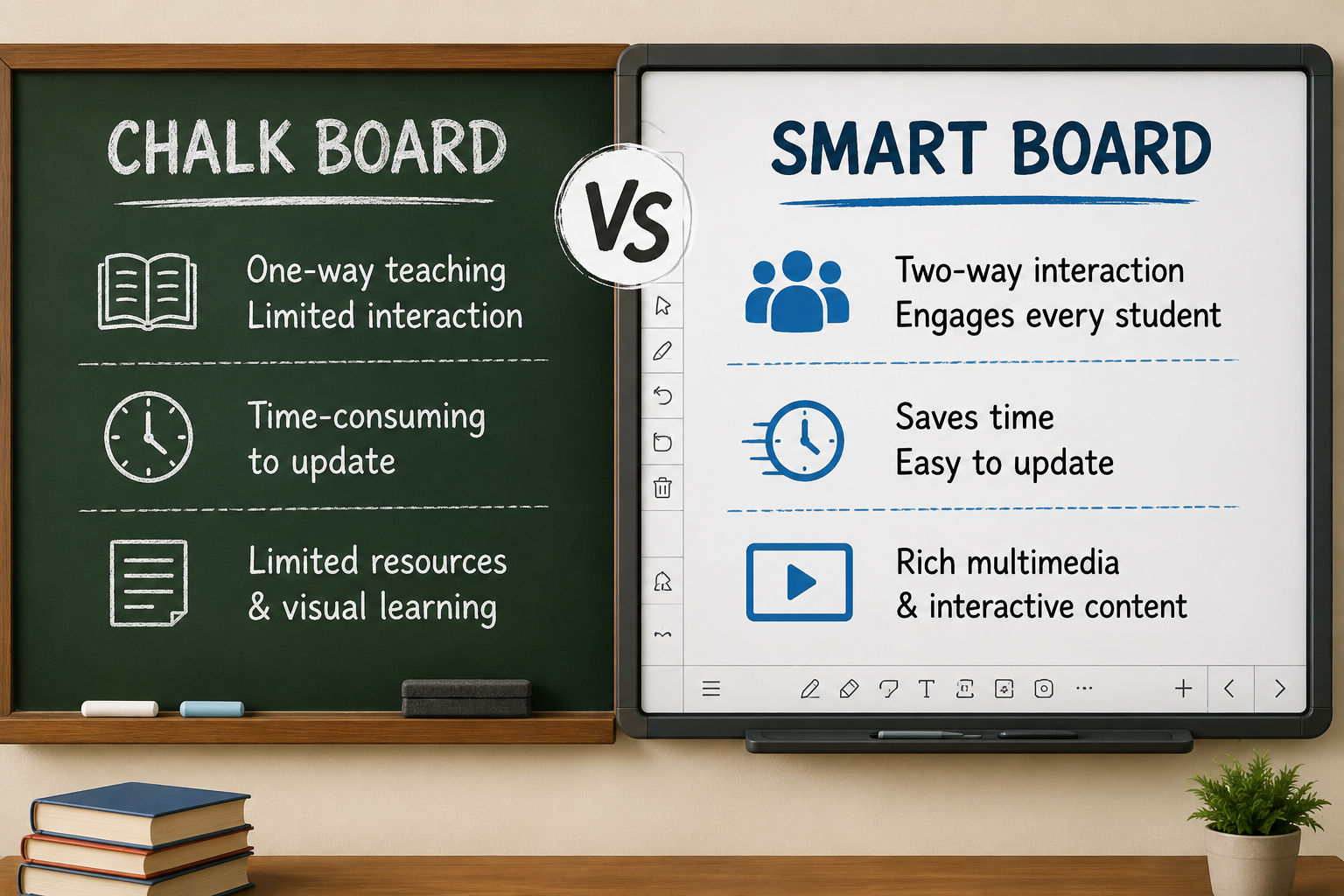
Honestly, the chalk-and-talk method was starting to show its limits. Not because it was exactly outdated, but because much learning is visual. Think about how much easier it is to remember something when you've actually seen it happen- a diagram, a process, a map, instead of just hearing someone describe it or reading it off a static board. That's just how memory works; we retain what we can visualize far better than what we only hear once.
That's really what pushed the shift. Teachers were spending so much time trying to draw things from scratch- a cell structure, a water cycle, a historical timeline- and however good the sketch was, it still couldn't compete with an actual animation or a real image. Smart boards solved that gap. Suddenly, a concept that needed ten minutes of explaining could just be shown, and kids got it in half the time.
So what actually changed?
- Visuals genuinely improve focus and retention; it's not just a preference; it's how the brain processes and stores information better
- Some learn better by seeing, some by hearing, some by doing, and a smart board manages to bring all three together
- Teachers don't need to redraw the same diagram from memory every period; they just pull it up in seconds
- Less time wasted on erasing and chalk dust means more actual teaching time
- Lesson plans can be saved and reused instead of rewritten from scratch every year
- Kids get used to working with tech early on, which helps later since most jobs involve a screen anyway
So the "why" here isn't about matching some phone addiction with a classroom addiction. It's simpler than that: visuals just help people learn and remember better, and smart boards make that a lot easier to deliver.
Why Does Smart Board Learning in Classrooms Create Concern?
Not every parent is fully in favor of smart board learning for their kids in schools, and honestly, that's fair. If a kid is already inseparable from the screens at home, the idea of another screen for six hours at school does sound like a lot.
So if you're unsure about all this, a few things actually help:
- Ask the school how screen time is split during the day; smart boards are usually used in short bursts
- Check if notebook work is still part of the daily routine alongside digital lessons
- Talk to your kid about what they learned, not just what they watched
- Look for schools that balance tech with outdoor time and hands-on activities
Pro-Advise: Try cutting down screen time at home; scrolling reels or watching random videos doesn't do much for attention span, while the screen time at school is at least going toward something structured
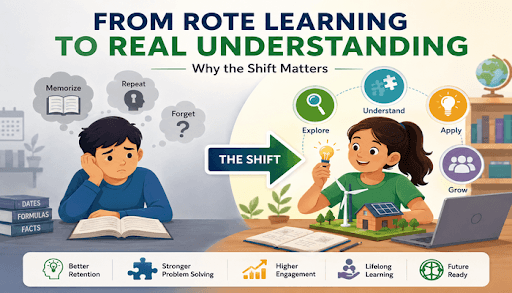
Also Read: Why Experiential Learning is Transforming Modern Education
How The Paradise Academy Balances Tech and Hands-On Learning
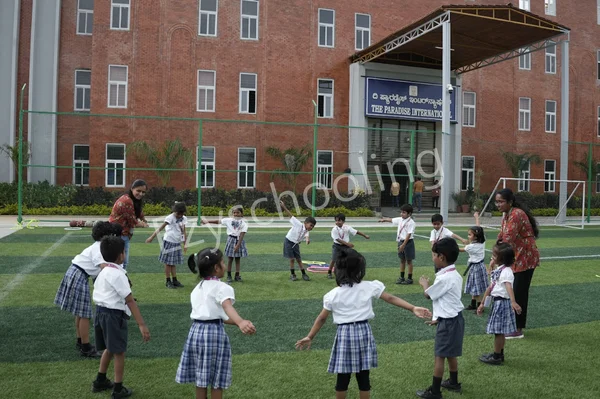
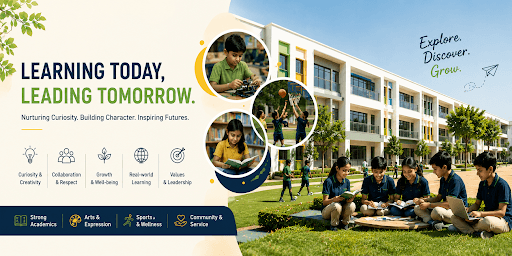
This is exactly why looking at a real example helps more than just debating theory. Take The Paradise Academy in Electronic City, Bangalore. Their smart digital classrooms are built around the idea that interactive lessons help kids engage more deeply with what they're learning, and that technology-enabled learning genuinely supports better understanding and retention, not just flashier lessons. So it's not tech for the sake of it; there's actual intent behind how it's used.
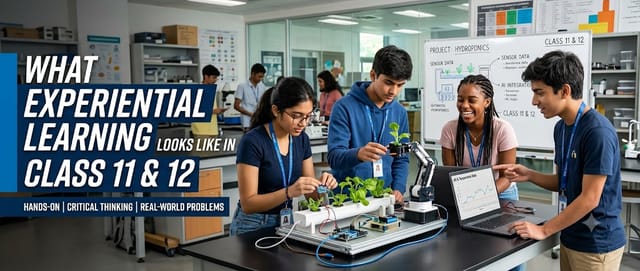
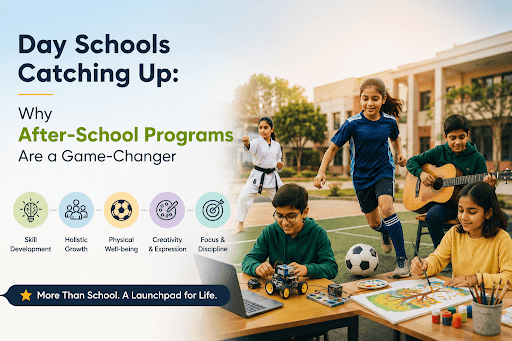
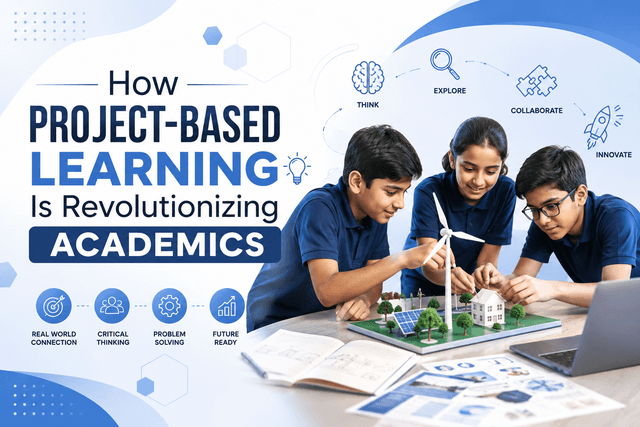
But here's the part that matters more: smart boards aren't the whole story at this school. They also put real weight on experiential learning, meaning kids aren't just watching concepts play out on a screen; they're out there exploring, building, and figuring things out hands-on too.
- Interactive digital lessons for topics that are easier to understand visually, like a diagram or a process coming to life
- Hands-on, experiential activities that get kids off the screen and actually doing something
- Space for creativity and self-expression that isn't tied to a slide or a screen at all
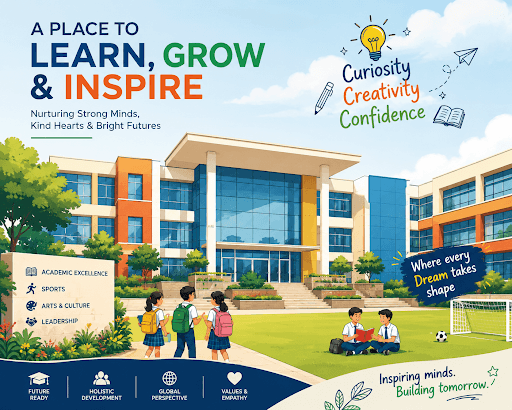
So if you're going through the usual list of schools in Bangalore and wondering whether "smart classroom" just means more screen time, The Paradise Academy is a fair example of what it should actually look like: tech that supports learning without pushing out the parts of education that still need a notebook, a paintbrush, or just some open space to figure things out.
Want to know more about this school and others in the nearby area





 as a preferred source on