









Education has evolved significantly over the years. While textbooks, examinations, and classroom lectures continue to play an important role, today's world demands much more from students. They are expected to think critically, solve real-world problems, communicate effectively, collaborate with others, and adapt to changing situations. These are skills that cannot be developed through rote memorisation alone.
This is where experiential learning has come out as one of the most impactful approaches to education, really. Instead of just learning the concepts in a theoretical way, students jump into real experiences that help them understand, apply, and hold onto knowledge much more effectively. It’s like they don't only memorize— they actually do something, and that makes it stick better. To understand its importance, we will take an example of one of the boarding schools in India, MVM School, and how this school is implementing experiential learning successfully for students.
Also Read| From Foundational Learning to Future Innovation: The MVM School Journey
What is Experiential Learning?
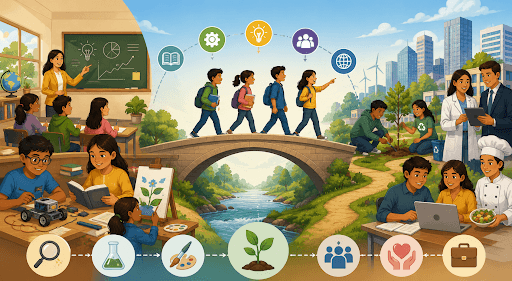
Experiential learning is a teaching approach where students learn by actively participating in experiences rather than passively receiving information. The focus is on understanding concepts through observation, exploration, experimentation, and reflection.
Instead of asking students to memorise facts, teachers encourage them to:
- Solve real-life problems.
- Participate in hands-on projects.
- Conduct experiments.
- Work collaboratively in teams.
- Reflect on their learning experiences.
- Apply classroom knowledge in practical situations.
This method helps bridge the gap between theoretical knowledge and real-world application, making learning more relevant and enjoyable.
Why Experiential Learning Matters in Today's World
The future workplace values creativity, innovation, adaptability, and problem-solving as much as academic knowledge. Children therefore need opportunities to develop these skills from an early age.
Experiential learning contributes to a child's overall development in several ways:
- Improves critical thinking: Students analyse situations instead of memorising answers.
- Encourages curiosity: Learning becomes an exciting process of exploration.
- Builds confidence: Practical experiences help children become independent learners.
- Strengthens communication skills: Group projects and presentations encourage effective expression.
- Develops leadership qualities: Students learn responsibility by taking ownership of tasks.
- Enhances collaboration: Working with peers teaches teamwork and mutual respect.
These experiences prepare students for higher education, professional careers, and everyday decision-making.
How Experiential Learning Makes Education More Meaningful
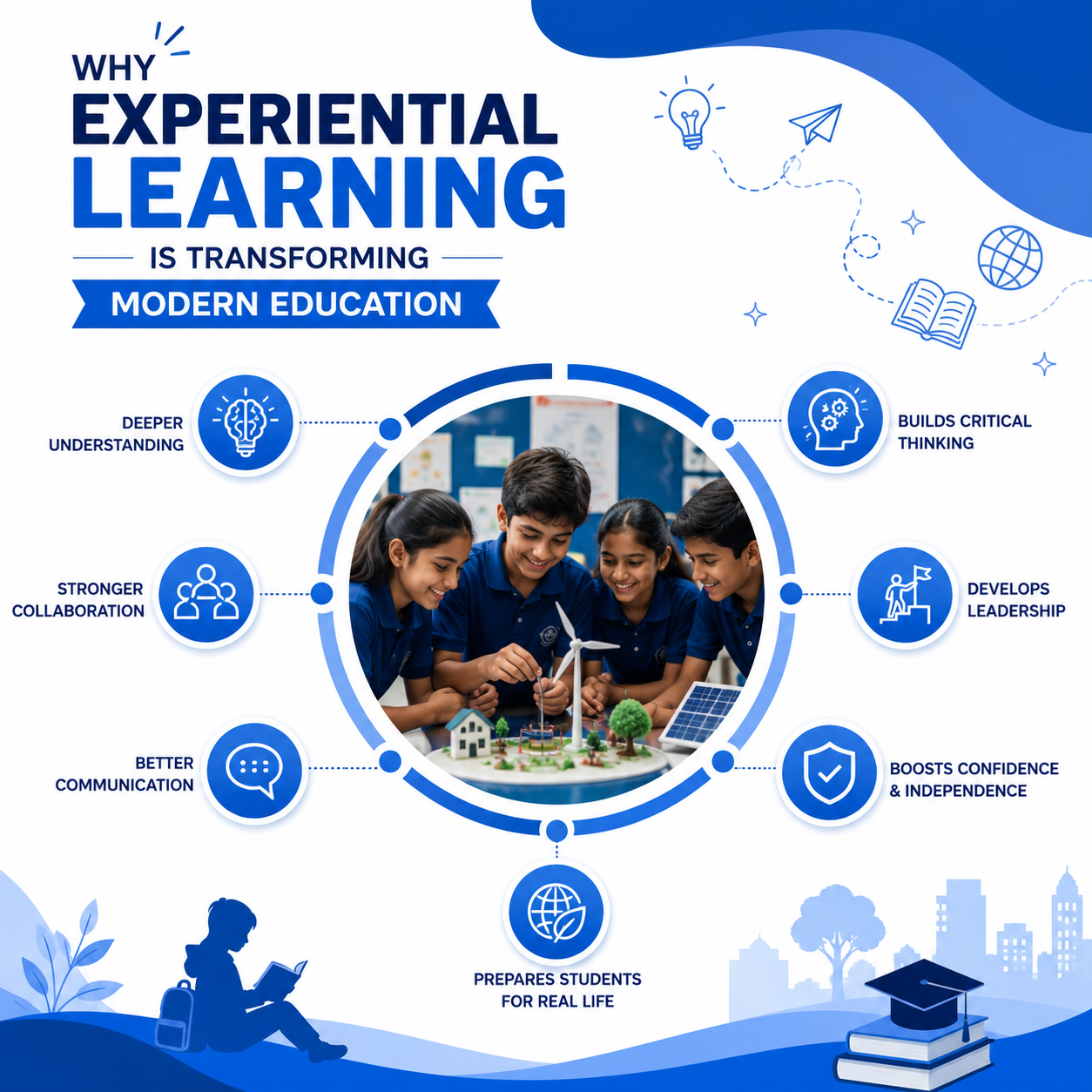
Kids tend to keep memories of experiences for a lot longer than they remember lectures, so it sort of sticks. When they join in actively in the learning process, they end up with a deeper grasp of the ideas, because they can tie the theory to real life and not just says to read it.
Like, in science class it’s way more engaging if students do experiments, rather than only reading. Environmental studies also feel much more important when there are nature walks and community projects. And math usually makes more sense when students tackle everyday challenges, things like measuring, planning budgets, or collecting data.
Experiential learning also seems to fit different ways of learning. Some children learn best by watching, but others get it more through conversation, imagination, or hands-on movement. Having a practical learning environment means each child gets chances to shine, even if they are “the quiet type” or a bit more energetic.
Most importantly, this method helps build lifelong learners, the kind who stay curious even after school, not only during the lesson.
Beyond Academics: Building Essential Life Skills
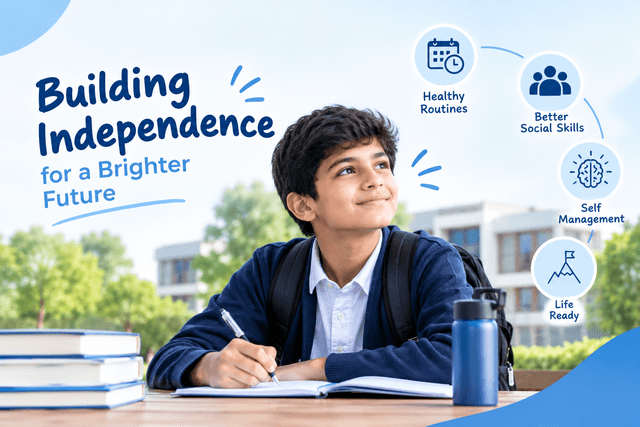
One of the greatest strengths of experiential education is that it develops qualities that are difficult to assess through examinations but are essential for success in life.
Students gradually learn to:
- Manage time effectively.
- Take initiative and responsibility.
- Adapt to unfamiliar situations.
- Communicate with confidence.
- Think independently.
- Handle challenges with resilience.
- Respect diverse perspectives.
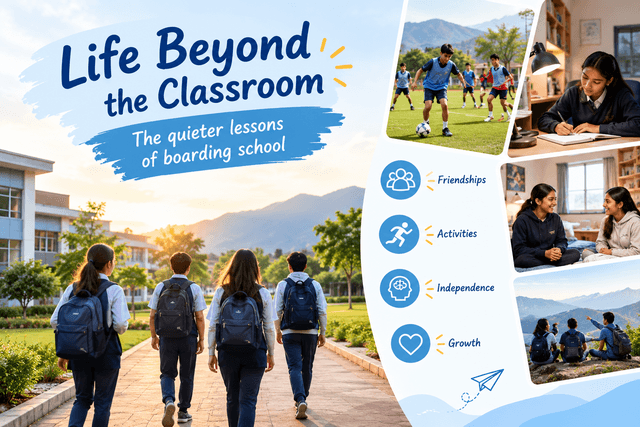
Activities such as debates, sports, art, community engagement, leadership programmes, educational excursions, and collaborative projects allow children to develop these competencies naturally.
This balanced approach helps students become not only academically capable but also socially responsible and emotionally resilient individuals.
Also Read| From Karate to Coding: How MVM School Devanahalli is Redefining All-Round Education
How MVM School, Doddaballapura Brings Experiential Learning to Life
At MVM School, Doddaballapura, one of the boarding schools in India, experiential learning is not treated as an occasional classroom activity but as an integral part of the school's educational philosophy. Established in 2009, the CBSE-affiliated day-cum-boarding school aims to combine academic excellence with practical, skill-based learning in a nurturing environment.
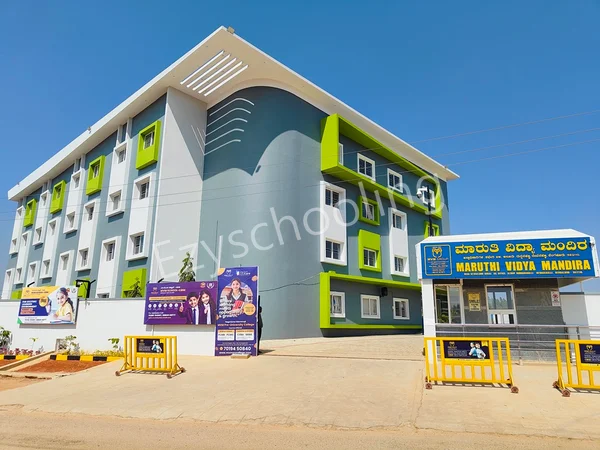
The school's commitment to this approach has received national recognition. It has been honoured with the National Award for Best School in Experiential Learning and the Best K12 School Award, reflecting its focus on creating meaningful learning experiences beyond conventional teaching methods.
Students are encouraged to participate in diverse academic and co-curricular opportunities that promote creativity, innovation, and teamwork. The learning environment is further strengthened through facilities and programmes that support holistic development, including:
- Smart classrooms with technology-enabled learning.
- Science, computer, and language laboratories.
- Sports and fitness programmes such as yoga, karate, skating, and taekwondo.
- Boys' and girls' boarding facilities.
- Educational activities that encourage creativity, teamwork, and leadership.
- Scholarships that recognise and encourage meritorious students.
Schools that successfully integrate experiential learning into their educational philosophy equip students with the mindset required for lifelong success. By combining academics with practical experiences, leadership opportunities, creativity, and holistic development, institutions like MVM School, Doddaballapura are helping shape learners who are not only prepared for examinations but also ready to contribute meaningfully to society.
Want to know more about this boarding school and others in India
 as a preferred source on