







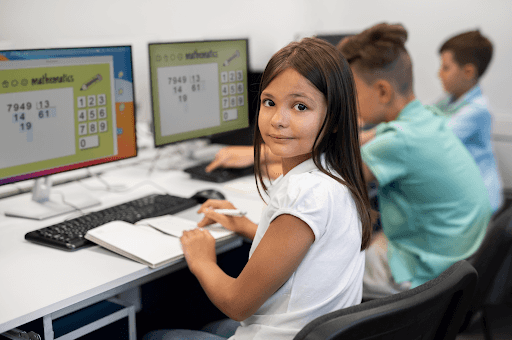

The classroom of today looks vastly different from what it was a decade ago. Students now juggle chemistry experiments with chess tournaments, coding classes with karate sessions, and literary discussions with robotics projects. This shift reflects a growing understanding that true education extends far beyond textbooks and examination scores.
All-round education has become more than just a buzzword in modern pedagogy. It represents a fundamental reimagining of how we prepare young minds for an unpredictable future. Schools across India are embracing this philosophy, creating environments where academic rigour coexists with creative expression, physical fitness, and technological innovation. MVM School in Devanahalli exemplifies this transformation, demonstrating how traditional values can harmonise with futuristic learning methodologies.
In this article, we explore what constitutes genuine all-round education, examine the revolutionary NEP 2020 framework, understand technology's role in modern learning, and discover how progressive institutions are reshaping educational experiences for the next generation.
What Does All-Round Education Really Mean?
The concept of all-round education has evolved significantly over the years. What once meant simply participating in an annual sports day now encompasses a comprehensive approach to developing every facet of a child's personality and potential.
Beyond Academic Scores
Traditionally, Indian education prioritised marks above everything else. Students spent countless hours memorising facts and preparing for competitive examinations. While academic knowledge remains important, educators now recognise that cognitive development alone doesn't prepare children for real-world challenges.
All-round education addresses multiple dimensions of growth. It nurtures critical thinking alongside textbook knowledge, fosters emotional intelligence while teaching mathematics, and builds communication skills through group activities. Children who engage in diverse learning experiences demonstrate better problem-solving abilities and adaptability in professional environments.
The Role of Co-Curricular Activities
Sports teach discipline that classroom lectures cannot replicate. Arts cultivate creativity that formulaic problem-solving can never develop. Cultural activities instil confidence that academic achievements alone fail to build. These co-curricular pursuits aren't merely recreational additions; they're essential components of holistic development.
Physical activities improve concentration and cognitive function. Students who participate regularly in sports perform better academically than their sedentary peers. Similarly, engagement with music, drama, and visual arts enhances spatial reasoning and pattern recognition—skills directly applicable to subjects like mathematics and science.
The NEP 2020 Framework: A Game-Changer for Indian Schools
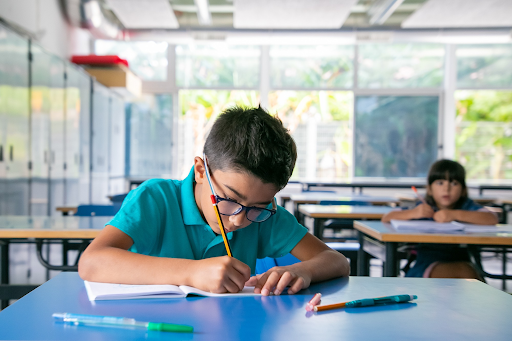
India's National Education Policy 2020 represents the most significant educational reform in decades. By restructuring the traditional 10+2 system, it addresses concerns about curriculum burden, rote learning, and inflexibility in subject choices.
Understanding the 5+3+3+4 Structure
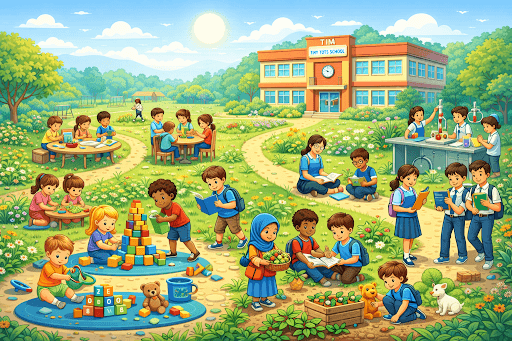
The new framework divides schooling into four distinct stages designed around developmental milestones. The Foundational Stage (ages 3-8) emphasises play-based learning and mother tongue instruction. The Preparatory Stage (ages 8-11) introduces formal subjects while maintaining an experiential approach.
The Middle Stage (ages 11-14) deepens subject understanding and encourages students to identify their interests. The Secondary Stage (ages 14-18) offers unprecedented flexibility, allowing students to choose academic, vocational, or technical subjects based on their aspirations. This structure reduces pressure while promoting deeper engagement with learning.
Why Schools Are Embracing This Change
Schools adopting this framework report increased student engagement and reduced examination anxiety. The multidisciplinary approach allows learners to discover connections between subjects, making education more relevant and interesting.
Multilingualism receives particular emphasis, with mother tongue instruction in early years supporting cognitive development. Vocational education integration ensures students acquire practical skills alongside theoretical knowledge, preparing them for diverse career pathways beyond conventional options.
Technology Integration: The New Pillar of Modern Education
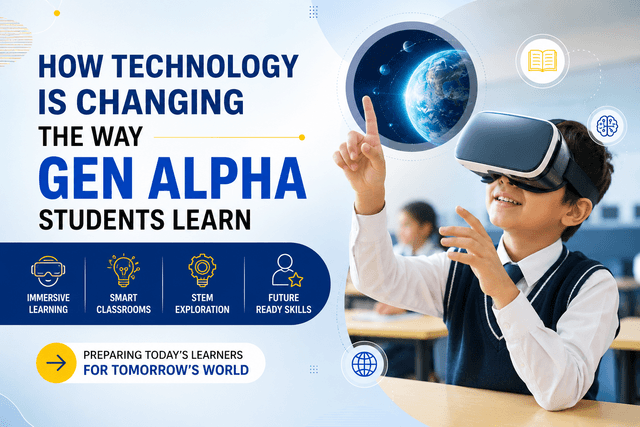
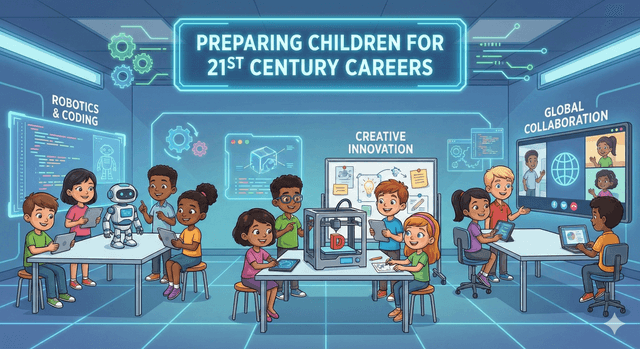
Walk into any progressive school today, and you'll find students designing robots, programming applications, or creating digital art. Technology has transformed from a subject into a tool that enhances learning across all disciplines.
STEM Education and Future Readiness
Science, Technology, Engineering, and Mathematics form the backbone of countless emerging careers. However, STEM education goes beyond teaching formulas and coding syntax. It develops computational thinking, logical reasoning, and systematic problem-solving approaches applicable to any field.
Hands-on interaction with technology makes abstract concepts tangible. When students build robots, they apply physics principles, mathematical calculations, and engineering design simultaneously. This practical application transforms passive learning into active creation.
Making Learning Interactive and Engaging
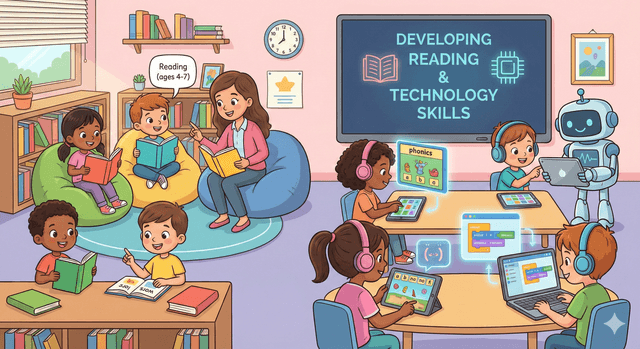
Technology addresses engagement challenges through interactive simulations, virtual experiments, and gamified learning experiences. Complex chemical reactions become visual spectacles through 3D modelling. Historical events transform into immersive experiences through virtual reality.
Innovation labs and makerspaces provide dedicated environments for experiential learning. Students move from passive consumption of information to active creation of projects. This shift from "what to think" to "how to think" fundamentally changes educational experiences, fostering curiosity and independent learning habits.
Physical Education and Sports: Building Character Beyond the Classroom
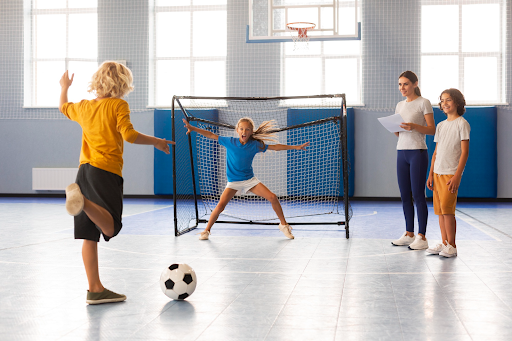
The school playground teaches lessons that textbooks cannot convey. When children compete in team sports, they learn collaboration and leadership. When they practice martial arts, they develop discipline and respect. Physical education contributes significantly to overall development, improving cardiovascular health, building motor skills, and enhancing coordination.
Beyond physical benefits, sports participation develops resilience through handling victories and defeats gracefully. Traditional games like chess and carrom offer unique advantages—chess develops strategic thinking while carrom enhances hand-eye coordination. These activities provide mental stimulation while keeping students engaged in healthy competition.
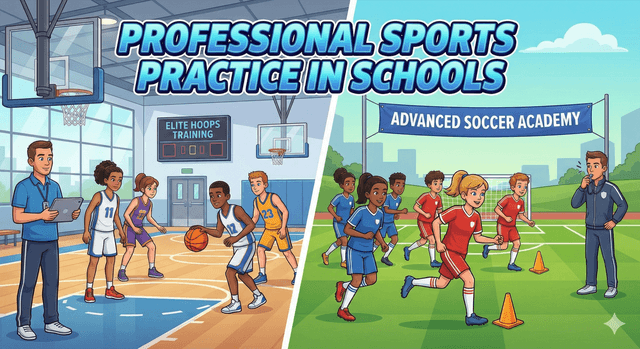
Sports infrastructure in schools now rivals professional training facilities, giving students diverse options to discover their interests and talents. Many schools report that students excelling in sports demonstrate improved focus and time management in academics.
Cultural and Artistic Development: Nurturing Creativity
Creativity isn't confined to art classes; it's a fundamental cognitive skill that enhances learning across all subjects. When students engage with arts and culture, they develop divergent thinking abilities that help them approach problems from multiple perspectives.
Cultural activities expose children to diverse traditions, fostering appreciation for India's rich heritage while building global awareness. Participation in drama improves public speaking and emotional expression. Music training enhances mathematical abilities and pattern recognition. Visual arts develop observation skills and attention to detail.
Schools incorporating robust cultural programs notice improved student confidence and self-expression. These activities provide alternative avenues for success, ensuring that students who may struggle academically can still excel and build positive self-esteem through artistic achievements.
Check Out | Empowering Tomorrow’s Artists Through Special Learning
MVM School Devanahalli: Where Tradition Meets Innovation in All-Round Education
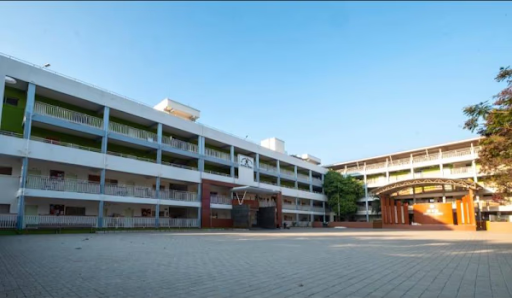
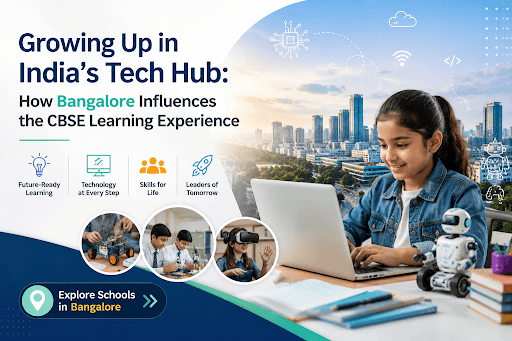
Located in Devanahalli, Bangalore, MVM School operates under the CBSE curriculum while fully implementing the NEP 2020 framework. The institution earned recognition as an "All-Rounder CBSE School" by the India School Awards in New Delhi in September 2023.
The school's infrastructure reflects its commitment to holistic development. Well-equipped biology, chemistry, and physics laboratories enable hands-on scientific exploration. A spacious library and computer laboratories provide comprehensive learning resources.
Sports facilities include basketball and volleyball courts, cricket grounds, and table tennis rooms. Students engage in karate, yoga, chess, and carrom, ensuring every child finds activities aligned with their interests.
What distinguishes MVM School is its exclusive partnership with Cogno Space. The 700-square-foot innovation lab houses laptops, 3D printers, tablets, and advanced equipment. Available to students from Grades 1 through 10, this facility offers hands-on learning across 35+ real-world concepts in robotics, artificial intelligence, drones, and engineering mechanisms, culminating in an expo planned for late 2025.
The school operates on three foundational pillars: Inspiration, Excellence, and Empowerment. Its vision emphasises balanced personal development, fostering success in any chosen field, while the mission focuses on preparing globally minded citizens through community engagement and collaborative learning.
Ready to provide your child with an education that balances academic excellence with holistic development? Explore how MVM School Devanahalli's innovative approach prepares students not just for examinations, but for life's diverse challenges and opportunities.
For more information on this and other such schools in the area, check out this list of the best schools in Bangalore.







 as a preferred source on