







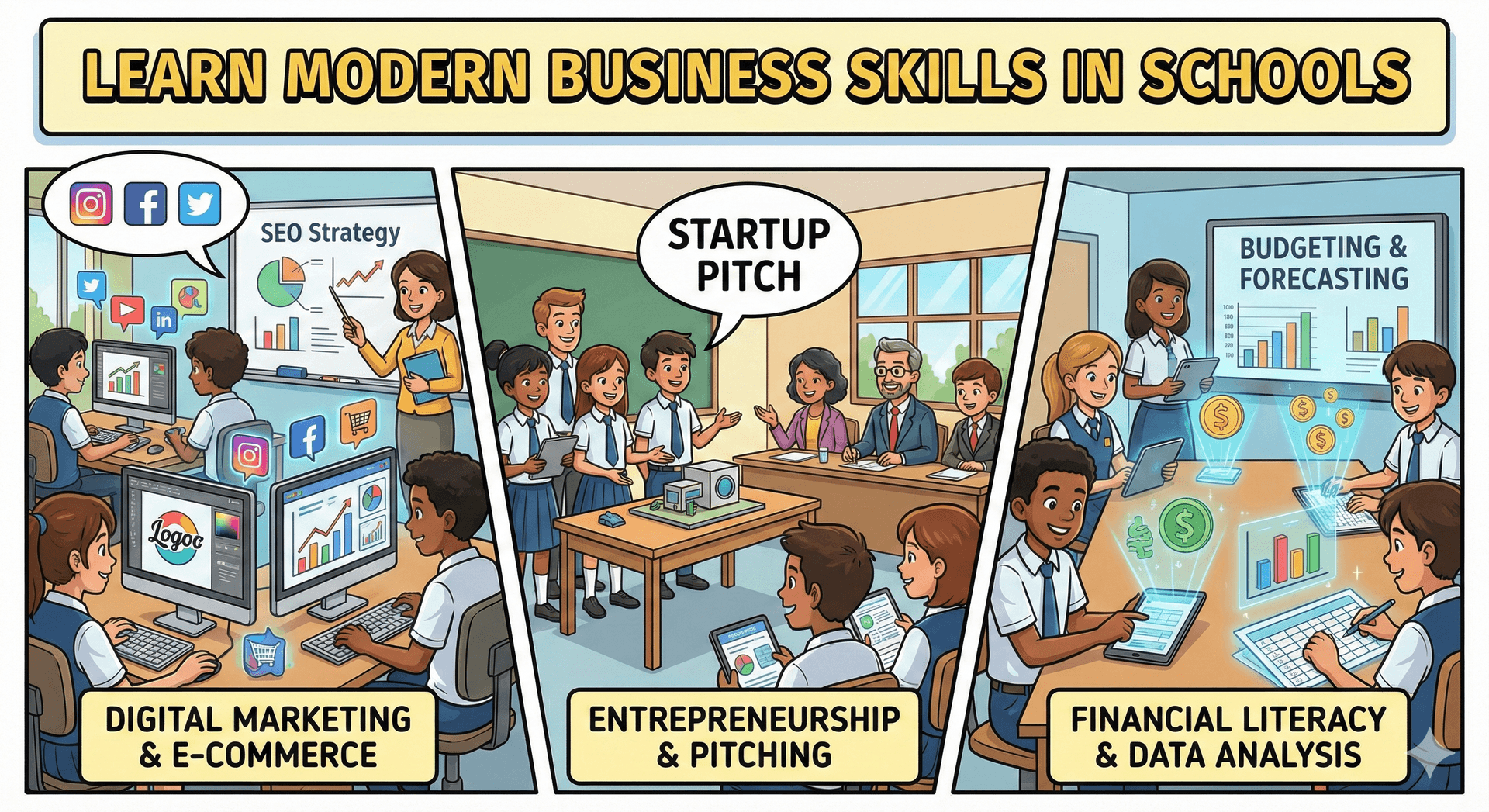

India has massive numbers of young people, but it suffers from a severe shortage of job-ready skills. Recent industry reports show that nearly 50% of India's fresh graduates lack critical thinking and complex problem-solving abilities. Modern companies desperately need these abilities. The old method of memorising facts fails in a real-time, fast-paced economy.
Indian schools must urgently fix this significant gap by moving past regular lectures and textbooks. Some good boarding schools in India need to adopt rigorous, practical simulation models like the Harvard Model Congress and/or Model United Nations. These programs must become central parts of learning, not just optional hobbies. These programs prove essential to turn students into confident decision-makers.
Also Read: Community Radio Station in Schools
Why Textbook Learning Doesn’t Work Anymore?
Business leaders and MNCs now face a world that changed a lot in the last 10 years. Automation and artificial intelligence has already taken away many routine jobs. Now, firms require people who can create real value by negotiating deals, planning smart strategies, and guiding teams past tough uncertainties, which machines obviously cannot do as of now.
The Skills Employers Can’t Find
Major global employer surveys in 2026 show a big problem with soft skills. Indian students do very well in technical subjects like mathematics or coding, they often have trouble with communication, collaboration, and adaptability. Companies say that young workers cannot deal with failure, change plans fast, or convince others well. You do not learn these skills by just reading one chapter in a book. You grow these skills like muscles through real practice and tough challenges.
India’s Startup Surge Requires New Minds
India stands as one of the biggest startup centers in the world. Large companies now ask all workers to show an intrapreneurial attitude. They want employees who grab ownership of issues, instead of waiting for orders from bosses. Companies need people who grasp the balance between risks and benefits. Regular school lessons seldom give chances for students to try taking risks in a secure setting. This gap leaves students without skills for real market challenges.
How Simulation Models Work?
Simulation models connect theory to real life as they put students in clear roles inside tough systems. Students must reach goals while facing forces that fight against them. This is exactly what happens in business.
MUN Does More Than Just Debate
Many schools see Model United Nations (MUN) as only public speaking practice. They make a big mistake with this view. A good MUN acts like a top business negotiation game. Students represent different countries with specific goals. To win, students do more than just state their ideas. They form teams with others, learn what drives their rivals, and write plans that please many sides.
This turns straight into business skills that matter a lot. A student who successfully navigates an MUN crisis committee learns how to manage stakeholders, resolve conflicts under time pressure, and find compromises. Businesses need these skills to close deals or lead projects with many kinds of teams.
The Business of Government: Harvard Model Congress (HMC)
The Harvard Model Congress (HMC) pushes simulations even farther ahead. It looks at how power and rules work in the United States government. The event seems political at first glance, but the skills fit business needs perfectly.
In HMC, students become senators, lawmakers, or top government leaders. They write new laws, convince others to vote for them, and understand regulatory frameworks. Business owners face rules all the time in their work. They push for what helps their company most and see how government choices affect money earned. HMC shows students how people create rules and how to change them. It teaches how to convince others inside strict limits. Every company leader needs this power of influence.
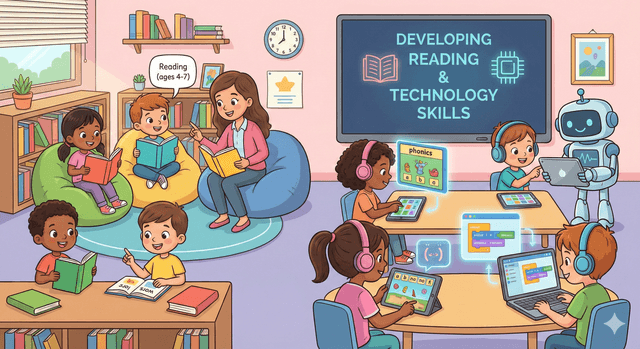
Also Read: Developing Reading & Technical Skills in Young Learners
JAIN International Residential School Leading the Way Through Harvard Model Congress (HMC)
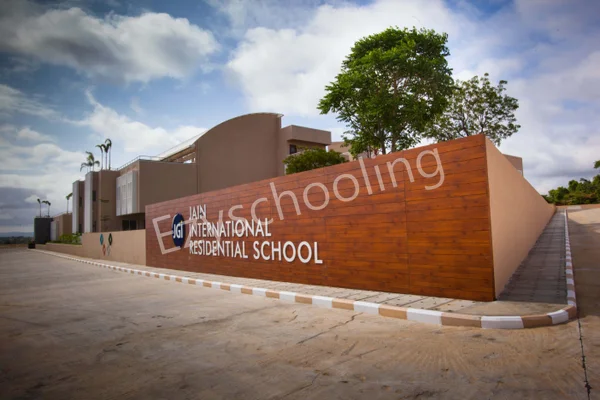
Some smart schools in India already see this need and add these strong methods to their main teaching ideas. JAIN International Residential School (JIRS), one of the good CBSE boarding schools in India, shows this change clearly.
Adding Entrepreneurship to School Learning
JIRS follows its main idea to do more than help students pass exams. The school works to create global citizens and future leaders. It knows real leaders need book knowledge plus real-world skills. JIRS teaches students to have an entrepreneurial spirit.
This does not mean every student must start a business. It means the school plants traits of top entrepreneurs in all students like toughness, clear goals, and skills to make ideas real. JIRS uses many programs to grow this spirit. Students move past repeating facts to hands-on learning where they lead their own path.
The JIRS Harvard Model Congress Program
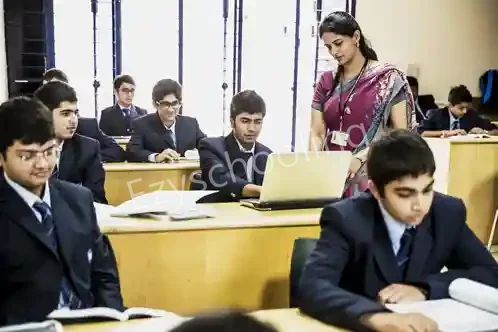
JIRS makes Harvard Model Congress a major part of leadership training. Students in the JIRS program leave their safe zones. They research complex topics in depth, pick a view that differs from their own, and defend it against intense questioning. They write laws which teach them to create clear rules that work. They form teams to pass their laws just like in business meetings where they convince others to support their plans.
JIRS students practice tough choices under stress in these real-like events. They learn failure in practice helps them improve, not stop. This direct experience with negotiation, strategy, and policy-making shows the entrepreneurial spirit JIRS wants to grow. It prepares them for the realities of professional life far better than a standard civics lecture ever could.
Conclusion
India needs people who solve real problems, not just students who shine during exams. Programs like Harvard Model Congress and MUN serve as major tools to develop these missing skills. They push students to handle real-world stress, make tough deals through talks, and grasp big systems before they join demanding jobs.
Schools like JAIN International Residential School show how they add programs like HMC to create strong leadership qualities. India can lead the world economy only if its schools use these hands-on learning methods to ready students for the tough, real-life challenges ahead.
To learn more about this and other schools nearby, see this list of the top boarding schools in India.









 as a preferred source on