







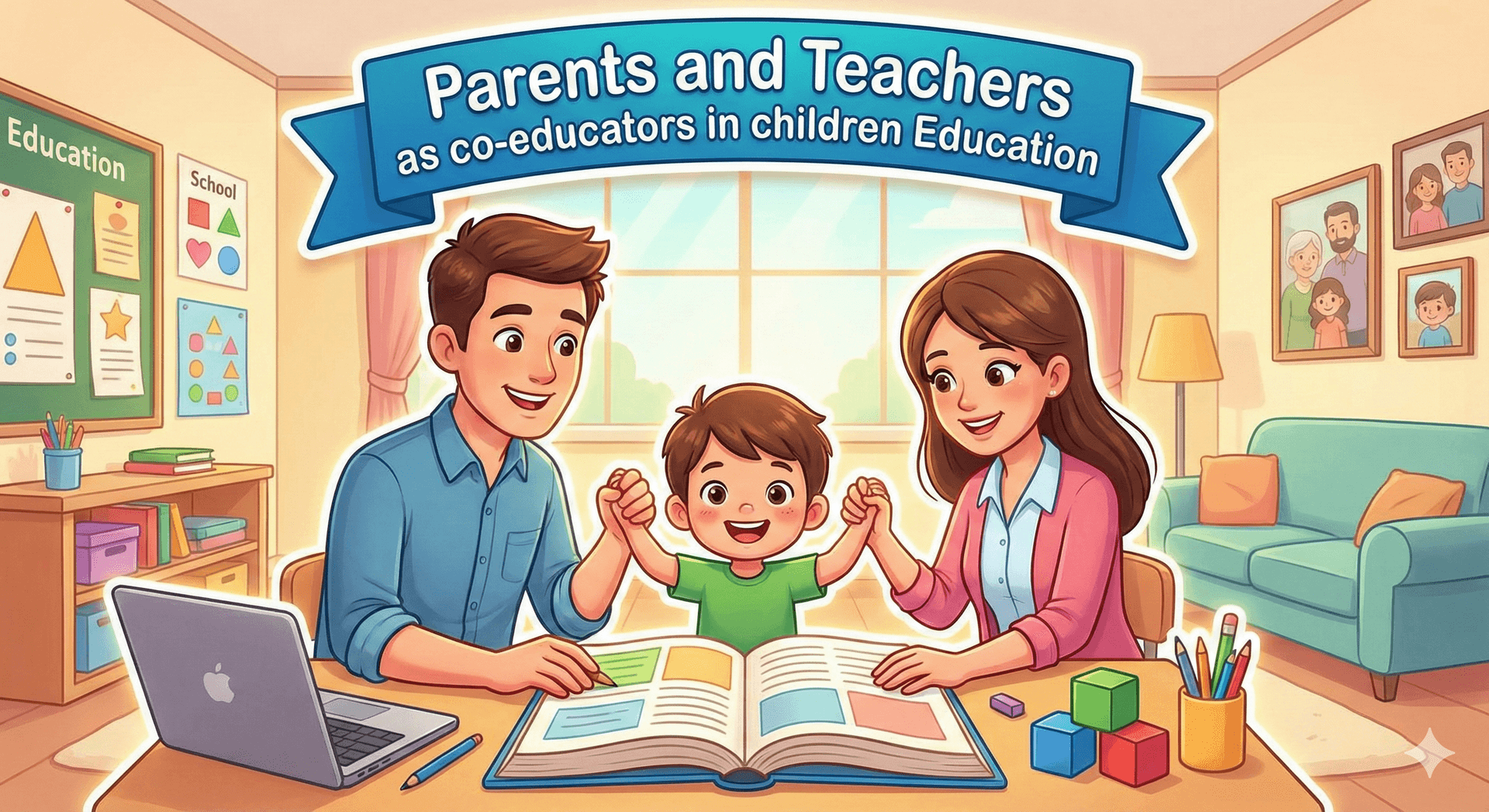

Traditional Indian parent-teacher meetings last only 15 minutes. Teachers share grades of exams and assignments, parents listen and discuss a little, and everyone moves on until the next quarter. This old way fails to meet the complex needs of modern students in today’s day and age. Indian schools must break down the wall between home and classroom to help students thrive in academics and emotions. Schools in Bangalore need systems that change parents from passive watchers into active daily partners in education.
Also Read: Rising Strong: Building Resilience in the Classroom and Beyond
Problems with the Old Way
Indian homes and schools now interact only when problems arise. Communication happens just for bad grades, behavior issues, or fee reminders.
Parents and teachers focus on the grades that children have already received through these parent-teacher meetings. Parents learn about a failed math test in the meeting, but the class has already started a new topic by then. The learning gap already exists. This approach also creates anxiety because students see parent-school talks as steps to punishment instead of support.
Parents and schools often disagree on values and discipline. Schools push strict punctuality and focused study habits, but chaotic home routines confuse the child. A short 15-minute meeting every 3 months cannot fix this daily gap. Parents feel helpless without regular useful information. They want to help their child, but they do not know what happened in class that day.
The Science of Daily Connection
When schools create deeper, daily connections with families, the results become clear and strong. Research shows that students with very active parents get higher grades, attend school more often, and feel more positive about it.
Active involvement goes beyond just checking homework. Parents sync emotions with their child when teachers share daily details. A parent learns their child struggled with a hard science concept today, so they offer encouragement at dinner tonight. Teachers tell parents if a child seemed quiet or sad at recess, and parents address that feeling right when the child comes home.
Studies show that children with parents active in school life develop better social skills and face fewer behavior problems. The home extends the school learning space where children feel safe because home and school work as one team. This steady teamwork cuts student stress and lets them focus fully on learning and growth.
New Tools for Strong School-Parents Teams
Schools must stop seeing parents only as people who pay fees. They need to view parents as key partners in teaching children. Schools require changes in attitudes and ways of working together.
Use Technology in Smart Ways: Many schools offer apps, but they use them only for office work. Schools should use digital tools to give parents a clear view inside the classroom. Teachers send daily updates about lessons taught that day, instead of only homework lists. Teachers share short notes on good behaviors they observe, rather than just problems. This creates many positive connections over time.
Team Up to Teach Skills: Schools should not simply tell parents their child struggles in a subject. Instead, schools host workshops that teach parents how to assist at home. Ways to teach math or science keep changing with time. A parent who uses old methods at home can confuse the child even more. Schools organize special sessions to demonstrate current teaching methods, so parents become strong helpers for their kids.
Also Read: From Skills to Success: Role of Value Added Programs
Watch It Happen: The Canara Gurukula Way
How can we turn these ideas into everyday actions? Schools need a clear plan that goes beyond meetings every 3 months. Some schools lead by changing the full relationship between parents and teachers from the start.
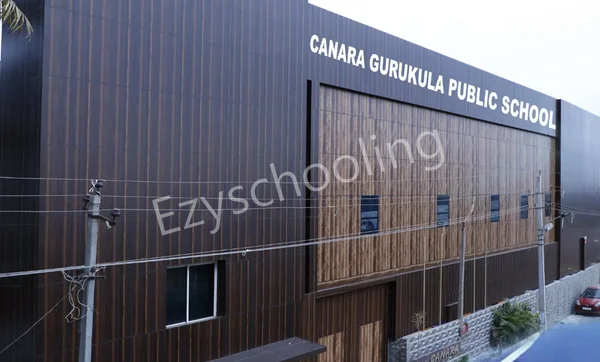
Canara Gurukula Public School, one of the good CBSE schools in Bangalore serves as a great example. They noticed that mixing modern STEM learning with old values doesn’t work if it happens only between 9 AM and 3 PM. Their solution is the “Living and Learning Partnership” program. This program turns school and home into one smooth learning space.
Parents Join as Co-Teachers: At CGPS, the school rules state that parents and teachers share equal roles in child growth. They talk often instead of waiting for big problems. The school uses fresh digital tools for instant links with families. Parents get detailed reports on daily lessons and behavior steps forward. This lets home life support school learning right away each day.
Create Trust with Teamwork: The special part of the CGPS program shows how they solve problems. When a student faces learning or behavior trouble, the school starts a team plan. Teachers and parents meet to plan fixes together, instead of sending punishment slips.
For example, if a student lacks focus, the teacher suggests home routines to try, and the parent promises to check them. This method needs strong trust from everyone. Parents learn to trust teacher choices as best for the child, just like trust in gurus long ago. This team effort makes sure classroom values appear at home too, which forms a steady place full of care for kids.
Conclusion
Schools should not rely only on quarterly Parent-Teacher Meetings because this harms Indian students in our fast-changing world. True education needs a constant and open connection between home and school every day. Studies show that parents who engage daily with their children improve academic results and emotional health.
Schools must use modern tools and new ideas to turn parents into real-time partners instead of rare guests. The Living and Learning Partnership model at Canara Gurukula Public School proves that schools succeed when they see parents as important co-teachers to bring out the best in every child.
To learn more about this and other schools nearby, see this list of the top schools in Bangalore.








 as a preferred source on