









Education today is no longer limited to textbooks, exams, and traditional classroom learning. The world outside is evolving at a rapid pace, and with it, the skills required to thrive in the 21st century are changing too. While academic excellence continues to be a priority, schools across the globe are realizing that it is not enough to prepare learners only for scoring high marks. True education must also prepare them for life, nurturing creativity, critical thinking, communication, and adaptability. This is where Value Added Programs (VAPs) step in as a game-changer.
In this article, we’ll explore how Value Added Programs transform learning, why they are essential for 21st-century students, the types of programs that benefit learners the most, and how The Academic City School, one of the best boarding schools in India, implements them to prepare students for success in the real world.
Also Read | Nurturing Holistic Growth Through Extracurricular Activities
What Are Value-Added Programs in Education?

Value Added Programs go beyond the prescribed curriculum and aim to equip students with practical knowledge, skills, and experiences that are often missing in conventional education systems. These programs are designed to complement academics by focusing on areas that enhance a child’s personality, life skills, and preparedness for the future.
For instance, while the core curriculum may teach science, math, and languages, value-added programs could include workshops on financial literacy, public speaking, coding, entrepreneurship, robotics, design thinking, or even yoga and mindfulness. The purpose is simple: help children bridge the gap between what is taught in classrooms and what the real world actually demands.
Why 21st-Century Learners Need Value-Added Programs

In this fast changing world, students need skills that prepare them for real-life challenges: communication, creativity, problem-solving, and adaptability. Value Added Programs bridge this gap, turning classroom learning into practical knowledge and shaping learners into confident, future-ready individuals. Let's explore how:
-
Bridges the gap between theory and practice: Turns classroom knowledge into real-world application.
-
Builds essential soft skills: Communication, teamwork, leadership, adaptability, and resilience.
-
Enhances employability: Equips students with future-ready competencies like coding, entrepreneurship, and problem-solving.
-
Encourages lifelong learning: Nurtures curiosity and adaptability in a constantly changing world.
-
Supports holistic development: Balances academics with physical, emotional, and social growth.
Key Value-Added Programs That Shape Young Learners

The scope of VAPs is vast, and schools today are curating options that suit modern learners. Here are some categories that showcase their diversity:
-
Skill Development Programs: Activities like public speaking, debating, theatre, and creative writing help students gain confidence, improve communication, and express themselves effectively.
-
Technology and Innovation: Coding, robotics, and AI-based modules nurture problem-solving and logical thinking. Design thinking projects encourage students to innovate and approach challenges creatively.
-
Life Skills and Well-Being: Programs such as yoga, mindfulness, and emotional intelligence workshops enhance focus, reduce stress, and build resilience. Volunteering and civic engagement activities instill compassion, empathy, and responsibility toward society.
-
Global Exposure: Language enrichment courses, cultural exchange programs, and participation in Model United Nations (MUN) broaden students’ worldviews. They develop cross-cultural understanding, leadership qualities, and a sense of global citizenship.
-
Career and Future Readiness: Entrepreneurship bootcamps, internships, and industry tie-ups give learners firsthand exposure to real-world challenges.
From Skills to Success: The Power of Value-Added Programs in Education
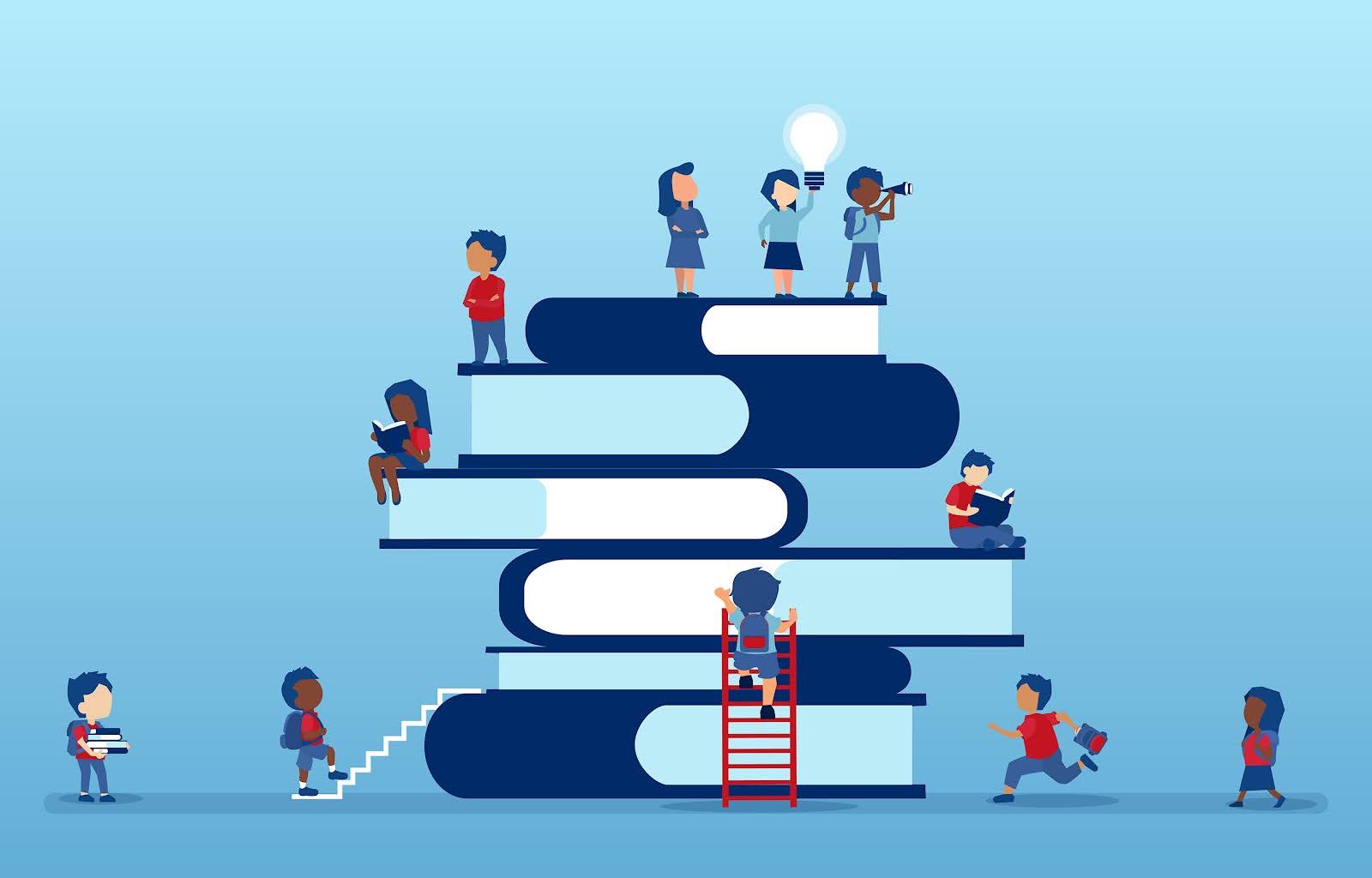
The future is evolving faster than ever, shaped by technology, globalization, and shifting career landscapes. To thrive in this dynamic world, students need more than academic excellence. They need adaptability, problem-solving abilities, and the confidence to take on new challenges. Preparing them for the future means going beyond textbooks to nurture skills that help them succeed in every sphere of life.
Value-added programs play a vital role in this preparation. By combining classroom knowledge with real-world applications, they expose learners to diverse experiences that sharpen both hard and soft skills. From mastering coding and entrepreneurship to developing empathy and resilience, these programs ensure that students are not just knowledgeable but also versatile and future-ready.
Most importantly, such initiatives encourage lifelong learning. In a world where industries and technologies are constantly changing, the ability to learn, unlearn, and relearn becomes a true advantage. With the right balance of academics and skill-building opportunities, today’s learners step into the future not just as graduates, but as innovators, leaders, and responsible global citizens.
Check Out | Why Social Adaptability is the Most Important 21st-Century Skill
The Academic City School, Bangalore: From Skills to Success with Value-Added Learning
The Academic City School, one of the best CBSE boarding schools in Bangalore, has been committed to providing a holistic learning environment for students. The school focuses on nurturing creativity, critical thinking, and life skills alongside strong academic foundations.
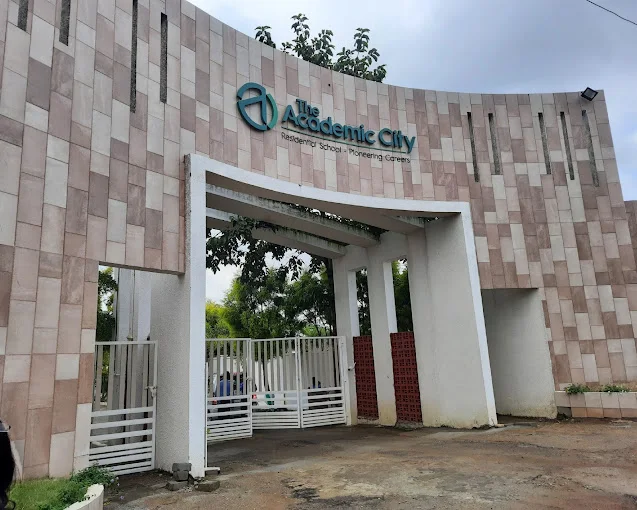
At The Academic City School, Bangalore, education goes beyond textbooks and exams. The school has carefully designed a range of Value Added Programs (VAPs) that complement the academic curriculum, ensuring students gain both knowledge and practical skills. From coding and robotics workshops to public speaking and creative arts, each program is aimed at enhancing critical thinking, problem-solving abilities, and creativity, preparing learners to thrive in real-world situations.
The school emphasizes holistic development by integrating programs that focus on emotional intelligence, physical well-being, and social responsibility. Yoga and mindfulness sessions help students manage stress and build resilience, while volunteering and civic engagement activities nurture empathy and community awareness. This approach ensures that students grow not only academically but also as well-rounded individuals with strong interpersonal and life skills.
To keep pace with 21st-century demands, TACS Bangalore also provides exposure to global perspectives and career readiness. Language enrichment courses, Model United Nations participation, and entrepreneurship workshops give students practical insights into the world beyond the classroom. By blending academics with real-world experiences, the school ensures that every learner develops the confidence, adaptability, and leadership qualities needed to succeed in a rapidly changing world.
For more information on this and other similar schools, check out this list of the best boarding schools in India.













 as a preferred source on