






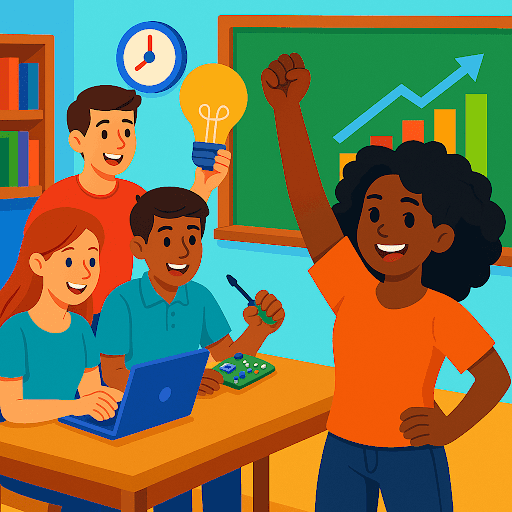

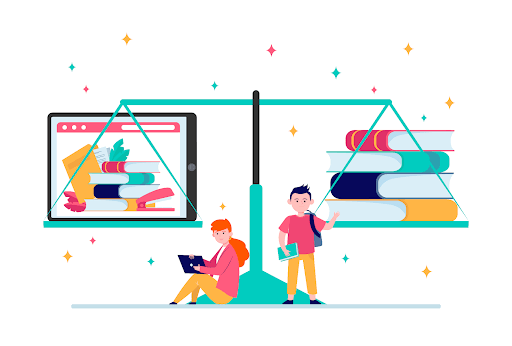
Academic performance alone doesn't prepare students for everything life throws at them. They also need practical skills, clear thinking, and the confidence to solve real problems—and that’s where skill-based learning truly makes a difference.
At WisdomWood High, one of the best schools in Bangalore championing experiential education, the ONUS Program stands out as a powerful initiative. The school takes pride in its ONUS Program, a unique initiative designed to equip students with essential life skills, leadership qualities, and a problem-solving mindset through experiential learning. Through this holistic approach, WisdomWood High prepares students not just for exams, but for life.
In this article, we explore the importance of skill-based education, why schools must go beyond textbooks, and how WisdomWood High’s ONUS Program sets a benchmark in nurturing confident, future-ready leaders.
Also Read | Why Social Adaptability is the Most Important 21st-Century Skill
Why Skill-Based Education is the Need of the Hour
Skill-based education bridges the gap between theoretical knowledge and practical application. It fosters well-rounded development by encouraging critical thinking, adaptability, and resilience—qualities essential for success in today’s complex world.
- Prepares Students for Real-World Challenges: Rather than memorizing facts, students learn to solve problems, manage projects, and collaborate across diverse situations.
- Develops Leadership and Responsibility: Skill-based programs encourage initiative, goal-setting, and ownership, building leadership qualities from a young age.
- Encourages Lifelong Learning and Curiosity: Experiential learning promotes curiosity and a growth mindset, turning students into passionate, self-motivated learners.
- Improves Communication and Collaboration: Interactive learning fosters teamwork, public speaking, negotiation, and effective interpersonal skills.
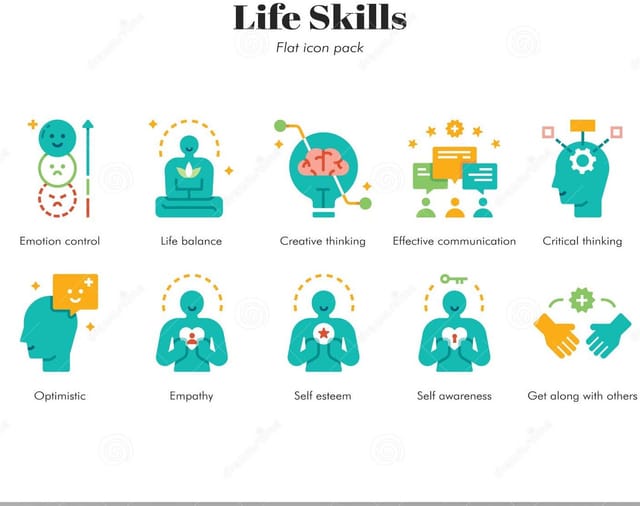
- Fosters Emotional Intelligence: Self-awareness, empathy, and stress management are emphasized, helping students grow into emotionally balanced individuals.
The Impact of Skill-Based Learning on Student Development

Skill-based learning goes far beyond the textbook. It equips students with real-world capabilities that shape their behavior, build resilience, and empower them to take initiative. From decision-making to adaptability, these skills form the backbone of a successful and fulfilling life, both personally and professionally.
- Stronger Decision-Making Skills: Through real-life simulations and problem-solving tasks, students learn to assess situations critically. They learn to weigh the pros and cons of each option before making informed choices. This helps develop analytical thinking and accountability under real-world pressures.
- Enhanced Confidence and Self-Esteem: Successfully completing practical assignments and facing real challenges instills a strong sense of accomplishment. It helps students believe in their abilities and celebrate small victories. Over time, this cultivates self-esteem and a can-do attitude in every sphere of life.
- Improved Adaptability and Flexibility: Working on diverse projects teaches students to adjust to new tools, people, and environments. They become more open to change, experimentation, and problem-solving. This flexibility helps them thrive in today’s rapidly evolving world.
- Better Career Readiness: Skill-based education introduces students to teamwork, communication, and leadership from an early age. They gain hands-on experience with tools and challenges found in real workplaces. These practical abilities make them more attractive to future employers and industries.
Challenges in Implementing Skill-Based Education
Despite its transformative impact, implementing skill-based education isn't without hurdles. Schools need to adapt structurally, culturally, and practically to bring such a system to life. Here's a closer look at the major challenges that institutions face:
- Curriculum Overhaul: Traditional curricula focus heavily on theory and standardized testing. Shifting to a skill-based model requires rethinking lesson plans, integrating practical modules, and aligning them with learning goals. It’s a gradual but essential transformation that demands creativity, flexibility, and collaboration between educators and academic boards.
- Training Educators: Teachers must go beyond lecturing; they need to act as facilitators, mentors, and problem-solvers. This shift requires regular training programs, workshops, and exposure to real-world teaching tools.
- Time and Resource Investment: Hands-on learning takes more time than traditional lectures, often requiring special materials, labs, or collaborative spaces. Balancing skill development with existing academic pressures is also a logistical challenge.
- Assessment Complexity: Skill-based learning emphasizes creativity, critical thinking, and practical application—areas that can’t be measured through traditional exams. This calls for new assessment tools like performance rubrics, portfolios, peer reviews, and project evaluations.
Check Out | Implementing Experiential Learning for Future Leaders
WisdomWood High: Shaping Visionary Leaders of Tomorrow

Ranked among the most forward-thinking schools and one of the best CBSE schools in Bangalore, WisdomWood High is committed to transforming students into proactive, capable, and compassionate leaders. The ONUS Program is a testament to this commitment, merging academic knowledge with life-skills training and preparing students to take charge of their future with confidence.
Here’s how the ONUS Program stands apart:
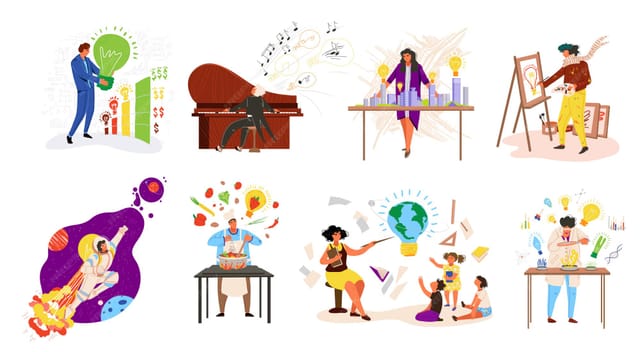
- Experiential Learning Modules: Students take part in simulations, entrepreneurship projects, debates, and life-skill workshops that sharpen critical thinking.
- Mentorship from Industry Experts: Guest lectures and mentoring from professionals across fields provide practical insights and inspiration.
- Values and Responsibility-Focused: Along with academic growth, students are taught ethics, empathy, and civic responsibility through community initiatives.
- Problem-Solving and Innovation Labs: Specially designed labs allow students to brainstorm, prototype, and test solutions for real-world problems.
- Individual Reflection and Progress Mapping: Students maintain learning journals, receive regular feedback, and set personal goals to track their development journey.
By blending life skills, leadership training, and real-world problem-solving into everyday learning, the school ensures that students don’t just succeed in exams, but in life. Skill-based education at WisdomWood isn’t an add-on; it’s the core of a visionary approach that empowers young minds to thrive in a dynamic, ever-evolving world.
For more information on this and other such schools in the area, check out this list of the best schools in Bangalore.








 as a preferred source on