









Many students in Indian schools feel very stressed. About 73% of students aged 13 to 18 worry about their school work. Each month, 42% of them feel stressed before exams. But now, teachers, parents, and leaders understand that teaching only the mind is not enough. They know children need care for their body, feelings, and inner happiness too. True education helps the whole child and gets them ready not just for a job, but for life. This full way of teaching is called holistic development that's now being imparted in some of the best schools in Gurgaon.
Also Read: Learn Farming & Life Skills
What Holistic Development Means?
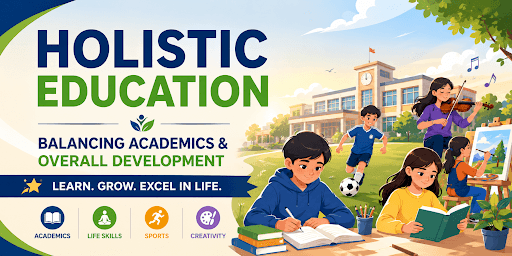
Holistic development means helping students grow in many ways at once, their body, feelings, friendships, spirit, and mind. It is not just about thinking and studying. Schools understand that a student learns poorly if they feel sick, stressed, or lonely.
Imagine a student as a growing tree. The branches are the lessons they learn at school. But these branches can only do well if the tree has strong roots (which is feeling safe and calm), a sturdy trunk (which is a healthy body), and enough water and sunlight (which means good friends and happiness). If the tree misses any of these, it can get weak.
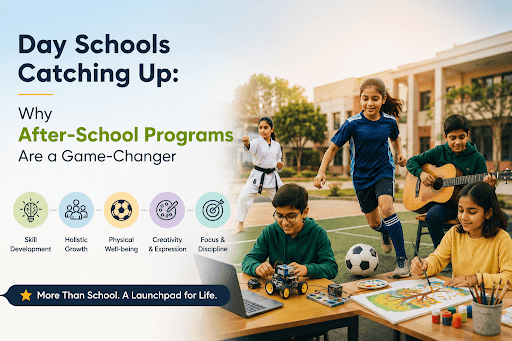
So, a school day must have more than just classes. It should include time for exercise, learning about feelings, making art, and calming the mind.
Also Read: From Concept to Creation: The Big Idea Factory
Why Schools in India Need It?
India's exam-focused system causes stress. Studies say 55% of secondary students in Gujarat feel strong academic pressure, but only 19% of schools have counselors. Holistic programs reduce stress by teaching life skills early.
NEP 2020 brings a big change as it wants students to learn skills like creativity and teamwork so they can adapt. Without these skills, India loses talent and faces a skill gap that costs $90 billion every year. Schools must use NEP 2020 to keep up with top countries like Finland, where balanced education helps students score better in PISA (Programme for International Student Assessment).
Benefits of Holistic Programs in Schools
Implementing whole-child development programs brings many benefits that go beyond just grades.
Better School Results
It may sound strange, but focusing less only on studying can help improve grades. When students stay physically active, their brains get more oxygen, which helps them concentrate better. When they learn how to handle stress and worry, they do better in exams. A happy and balanced child learns faster than a stressed one.
Emotional Skills and Strength
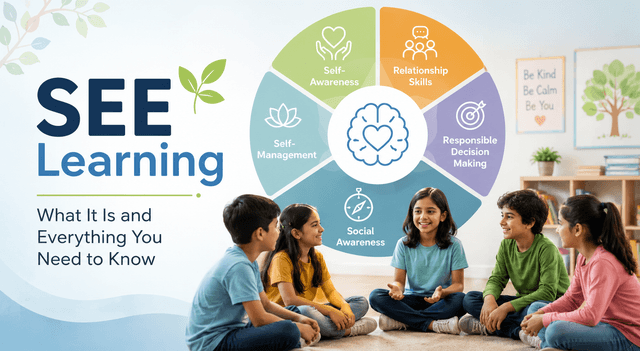
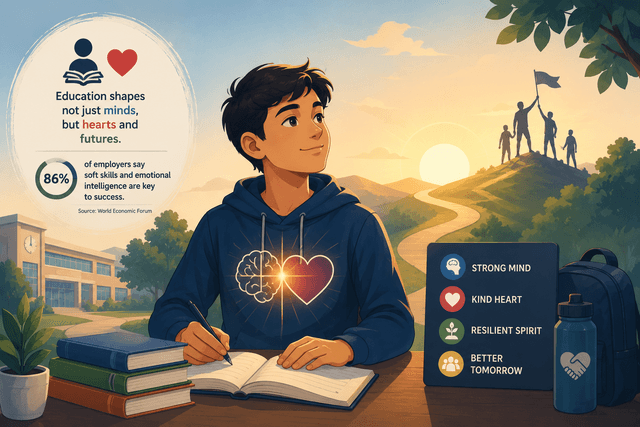
Life is full of problems that books can’t teach you to solve. Holistic programs in some of the best CBSE schools in Gurgaon that include social and emotional learning help students understand their feelings, care about others, and solve arguments. These programs also help students become strong and bounce back when things go wrong. In today’s jobs, these soft skills often matter more than just book knowledge.
Good Health and Energy
Today, many kids spend too much time on screens, which leads to obesity and tiredness. Schools that focus on sports, healthy meals, and fun active play help students build healthy habits that last forever. When students feel strong and full of energy, they do better in class.
Challenges in Implementing Holistic Initiatives
Indian schools struggle to add whole-person programs because of deep problems. These problems stop the change from exam-only focus to a balanced growth in physical health, feelings, thinking, and happiness.
Teacher Training Problems
Most teachers do not have skills to teach in a whole-person way. Few teachers get training in yoga, emotional help, or creative teaching. In villages, this problem is worse—many schools do not have counselors.
NEP 2020 asks for new skills, but programs like NISHTHA reach only a few teachers. Teachers keep using rote learning because they know it well. This leaves students without help to develop their mind or happiness.
Lack of Resources and Facilities
Government schools often do not have basics like playgrounds or yoga mats. Villages often do not have the internet to use digital wellness tools. Money is low for these schools, while private urban schools get more.
India is very diverse and needs local solutions, but one-size-fits-all plans fail faraway places. Crowded classes make it hard to give emotional care to each child.
Strict Curriculum and Tests Cause Problems
The current system packs in academics, so there is no time for sports or meditation. Tests check marks, not happiness or teamwork. Whole-person qualities like kindness are hard to grade. Adding these activities may overload students. Schools worry about low board exam scores, so they avoid changes.
Culture and Parents Resist
Parents want high scores more than playing or emotional learning. They make kids take tuition classes, not yoga. Society links success to jobs, ignoring inner happiness. Teachers face resistance too. Old habits stay strong in exam-focused culture.
Unequal Support in Different Areas
Rich city schools adopt changes faster; village schools lag behind. Only 19% of schools have mental health support. This causes big gaps, poor children miss physical and emotional growth. Slum areas have extra problems like trauma and language issues.
These challenges slow NEP 2020 goals. But quick teacher workshops and NGOs can help. Schools that start small can make real improvements in student well-being.
5 Best Ways to Overcome Challenges in Holistic Development
Schools in India face problems like not enough teachers, missing resources, and some people not agreeing with changes. They can solve these problems using proven ideas. These ideas follow the goals of NEP 2020 and real examples to help kids grow physically, emotionally, and happily.
Train Teachers Better
Train teachers in yoga, mindfulness, and feelings skills through short workshops. Programs like NISHTHA provide online courses for teachers in villages. This quickly fixes skill problems. After training, teachers help students practice breathing and handling feelings, which lowers stress by 30% in some schools.
Use Cheap Resources Smartly
Schools can share playgrounds, yoga mats, and apps with nearby schools or groups. Free digital tools like mindfulness apps help when there is not enough equipment in villages. The government adds money through NEP to buy basics. This helps balance chances for kids in cities and villages to enjoy sports and meditation without spending too much.
Change the Curriculum and Tests
Add activities like group projects for teamwork or yoga breaks during class. Change grading to keep portfolios that show joy, kindness, and learning skills. This reduces worries about too much work. Schools still get good exam results while helping kids grow in energy and smarts, like CBSE’s holistic approach shows.
Involve Parents and Change Ideas
Hold workshops to explain the benefits, like less anxiety and better jobs later. Share stories of schools where playing helped students do better. Parents join events such as family yoga days. This lowers resistance and makes them support emotional and happy learning, not just marks.
Work Together for Fairness and Growth
Join hands with NGOs, tech companies, and city schools to help rural schools. Use simple happiness surveys to check how things are going and improve plans. This makes rich and poor kids more equal. Small projects like community sports have proven they help all students grow well.The "Panch Kosha" Model at Salwan Montessori School

Salwan Montessori School (SMS) in Gurgaon teaches children from Pre-Nursery to Class 5 using an ancient Indian idea called the "Panch Kosha" from the Taittiriya Upanishad. This idea says a person has five layers that need care for true growth. SMS uses these five layers to guide how they teach and care for students every day.
- Annamaya Kosha is the outer body layer, cared for by good food and exercise. SMS has special play areas to develop physical skills and promotes healthy eating because a healthy body helps learning.
- Pranamaya Kosha is about the life energy controlled by breathing. SMS uses breathing exercises and mindfulness during morning assemblies and class changes to keep this energy balanced and students focused.
- Manomaya Kosha includes the mind and feelings. SMS helps kids express emotions through stories, art, and a safe space. They also run a "Parent Academy" to teach parents about their children's emotional needs.
- Vijnanamaya Kosha means using the brain to think wisely, not just memorizing facts. SMS uses inquiry-based learning and activities like debates and drama to build confidence and independent thinking.
- Anandamaya Kosha is about inner joy and values. SMS teaches respect with greetings and holds events like "Samman Diwas" to build gratitude and patriotism.
By following these five layers, SMS helps children grow healthy, happy, and wise.
Conclusion
The shift from rote learning to holistic development is very important to help kids in India become strong and well-rounded. Schools like Salwan Montessori are leading this change by showing that students can do well in school and feel happy through the Panch Kosha model.
When we use this full approach, children grow up not only as good students but also as kind and able people. Parents and teachers should focus on this balanced growth to create a better and healthier future for the next generation.
To learn more about this and other schools nearby, see this list of the top schools in Gurgaon.





 as a preferred source on