







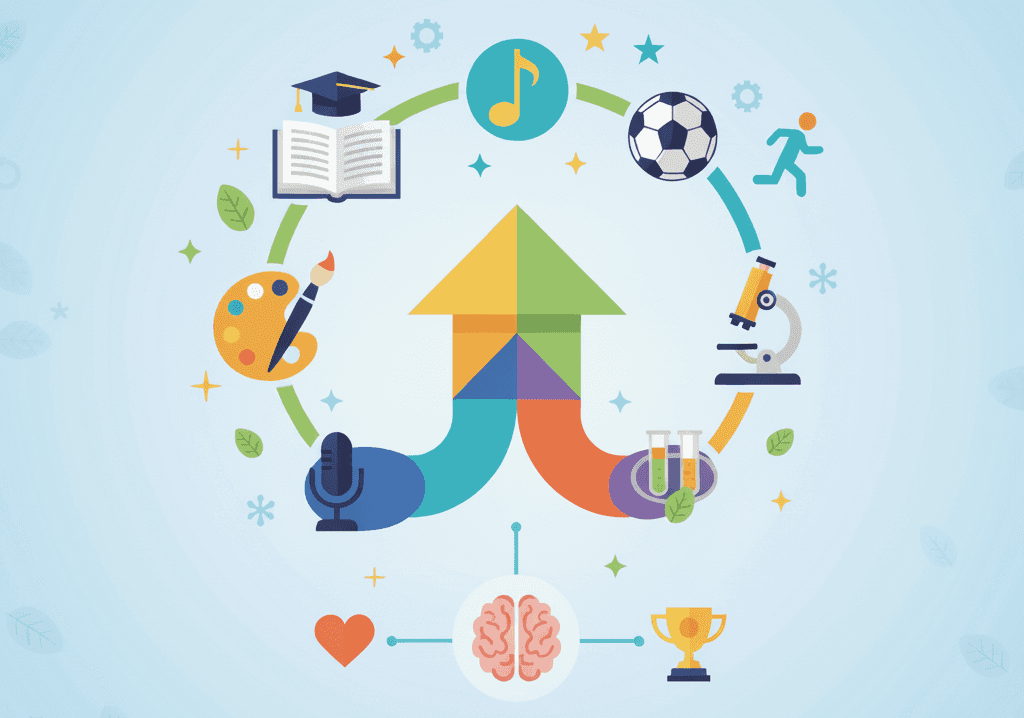

Have you ever noticed how children come alive when they sing, paint, or play?
Beyond textbooks and examinations lies another world of learning, one that shapes personality, builds character, and prepares children for real life. This world is the realm of co-curricular activities, where creativity meets discipline, teamwork meets expression, and learning truly meets life.
In today’s rapidly changing world, academic intelligence alone is no longer enough. Children need confidence, communication, adaptability, and empathy, qualities that cannot be taught through books alone but are cultivated through experiences. At Sheoran International School, one of the best schools in Greater Noida, this gap helps young learners grow into well-rounded, resilient, and emotionally intelligent individuals.
In this article, we’ll explore why co-curricular learning is central to modern education and how schools like Sheoran International School transform classrooms into spaces for creativity, connection, and lifelong growth.
Also Read | How Experiential Learning Builds Future-Ready Students
The Role of Co-Curricular Learning in Holistic Education
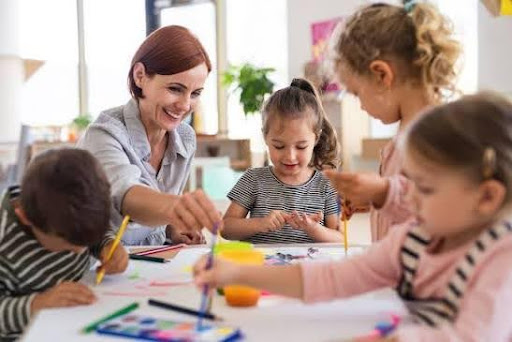
Co-curricular activities serve as the heartbeat of holistic education. They are not “extras” or distractions from academics; rather, they complement and complete the learning process. When students engage in music, sports, debate, or drama, they don’t just learn skills; they discover themselves. These experiences enhance memory, critical thinking, and emotional regulation while teaching patience, discipline, and teamwork.
According to UNESCO’s 2023 Global Education Report, participation in structured co-curricular programs leads to:
- A 25% increase in problem-solving and collaboration skills
- 30% higher self-confidence among students
- Up to 40% better retention of classroom concepts through applied learning
The Spectrum of Co-Curricular Activities
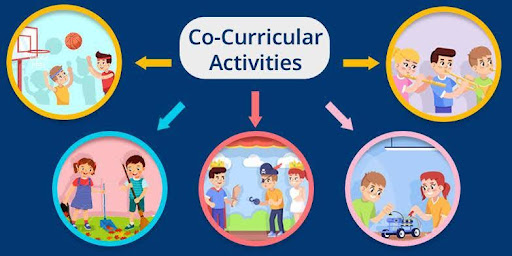
The true beauty of co-curricular education lies in its diversity; it embraces every child’s unique strengths and interests, nurturing multiple facets of their personality and intelligence. Each category of activity contributes to a different dimension of learning and growth:
- Arts and Creativity:
Activities like painting, theatre, dance, and music encourage imagination, self-expression, and emotional sensitivity. They allow students to think creatively, explore ideas freely, and develop an appreciation for aesthetics. - Literary and Cultural:
Debates, elocution, creative writing, and quizzes sharpen communication skills and critical thinking. These activities build perspective, help articulate ideas clearly, and nurture a love for language and dialogue. - Sports and Fitness:
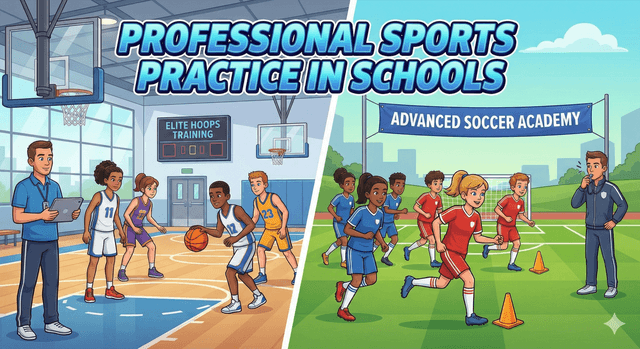
Football, yoga, skating, and martial arts promote physical health, coordination, focus, and teamwork. Through sports, students learn resilience, fair play, and the importance of consistent effort. - Technology and Innovation:
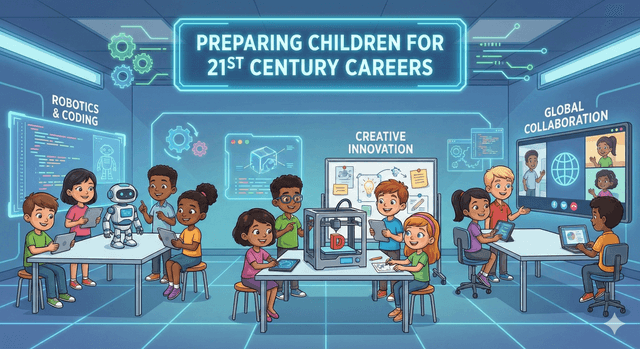
Robotics, coding, STEM clubs, and eco projects cultivate curiosity and problem-solving ability. These experiences strengthen logical reasoning and technological fluency, preparing students for a world driven by innovation. - Community and Service:
Environmental clubs, volunteering drives, and social awareness campaigns inspire empathy, responsibility, and leadership. They help children understand their role as global citizens and the importance of giving back to society.
Why Co-Curricular Activities Matter
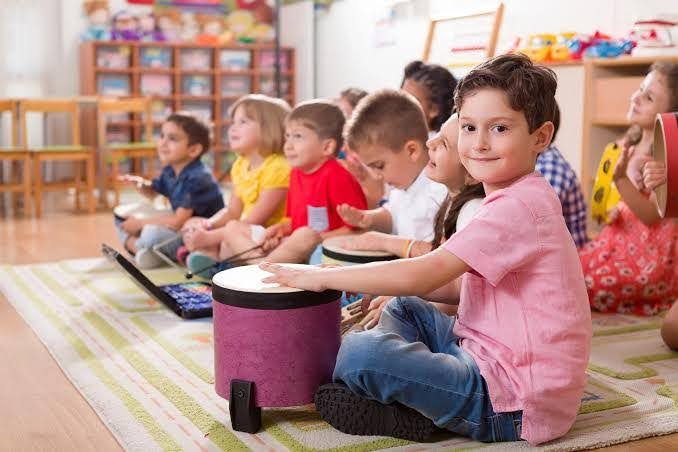
Modern educational psychology emphasizes that a child’s emotional and social growth is just as vital as intellectual progress. Co-curricular involvement supports this balance in several key ways:
- Builds Confidence: Performing on stage or leading a project teaches children to face challenges with poise.
- Fosters Teamwork: Sports and group projects help students learn trust, communication, and respect for others.
- Encourages Creativity: Exposure to the arts allows children to think beyond the obvious and find innovative solutions.
- Promotes Physical & Mental Well-Being: Active participation combats stress, improves focus, and nurtures a healthy lifestyle.
- Teaches Leadership & Responsibility: Organizing events or managing teams gives students a sense of accountability and ownership.
The Bridge Between Academics and Real Life
True education is not about memorizing facts; it’s about applying knowledge meaningfully. Extra-curricular activities transform theoretical learning into real-world understanding. Every experience reinforces classroom learning in new, interactive ways. When students engage their minds, bodies, and emotions together, learning becomes deeper and more lasting.
For instance:
- A student debating about climate change connects science, geography, and ethics.
- A robotics club links physics with teamwork and innovation.
- A music performance teaches focus, timing, and emotional intelligence.
Emotional & Social Growth Through Activities
Child development experts often highlight that emotional intelligence (EQ) can predict long-term success even more than IQ. Co-curricular activities are the natural ground where EQ grows.
They teach children how to handle failure gracefully, celebrate others’ success, and communicate feelings effectively. Group performances or team sports expose them to diverse personalities and situations, helping them develop empathy and cooperation — crucial traits for adulthood.
The Role of Parents and Mentors
Parents and educators together form the backbone of effective co-curricular education.When both work in harmony, children feel confident to explore without fear of judgment. Participation becomes not a competition, but a journey of discovery.
- Schools provide structure, guidance, and opportunities.
- Parents offer encouragement, interest, and emotional support.
Integrating Co-Curricular Learning with Modern Education
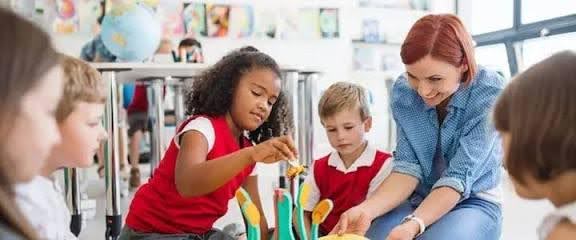
The future of education lies in integration, not separation. Successful schools worldwide now blend academics, co-curriculars, and technology to create dynamic, experience-based learning ecosystems. This integrated model ensures that education prepares students not just for exams but for life itself.
Key strategies include:
- Incorporating project-based learning that merges theory and creativity
- Encouraging interdisciplinary clubs and competitions
- Valuing achievements in arts, sports, and leadership equally with academics
- Adopting reflective practices like journals and peer feedback
Building Future-Ready Learners
The world's children will inherit demands for adaptability, compassion, and creative thinking. When these values are internalized early, students grow into confident individuals equipped for a rapidly evolving global landscape. Co-curricular learning provides the foundation for these competencies:
- Adaptability: Through exposure to diverse challenges and experiences
- Empathy: By engaging in group and community activities
- Innovation: Through hands-on experimentation and creative arts
- Resilience: By embracing effort, persistence, and learning from setbacks
Check Out | Nurturing Holistic Growth Through Extracurricular Activities
Sheoran International School: Shaping Holistic Learners through Co-Curricular Excellence
Renowned as one of the best CBSE schools in Greater Noida, Sheoran International School, Greater Noida, is a leading co-educational institution known for its strong academic foundation and commitment to holistic development. Offering English-medium education from Nursery to Grade XII, the school combines scholastic excellence with experiential and value-based learning.
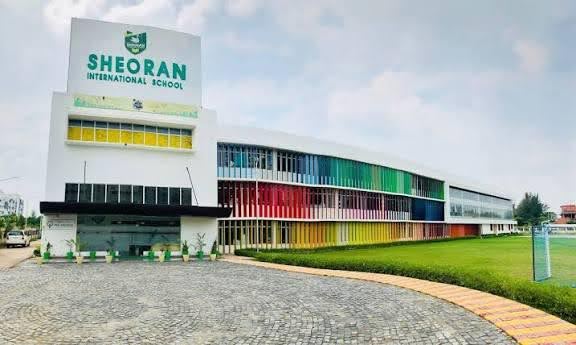
The school boasts a modern, eco-conscious campus equipped with smart classrooms, science and computer labs, performing arts studios, and expansive sports arenas. Its well-balanced student–teacher ratio of 25:1 ensures personalized attention and guidance for every learner.
With over 30 active clubs and societies, the school promotes a vibrant co-curricular culture that spans the arts, sports, technology, and social service. Students regularly excel in inter-school competitions, robotics challenges, and athletic tournaments at district and national levels.
With a focus on developing both intellectual and emotional intelligence, the school integrates co-curricular activities as a vital part of its learning ecosystem. Its modern campus features smart classrooms, performing arts studios, sports facilities, and innovation labs, providing students with ample opportunities to explore, express, and excel.
For more information on this and other similar schools in the area, check out this list of the best schools in Greater Noida








 as a preferred source on