







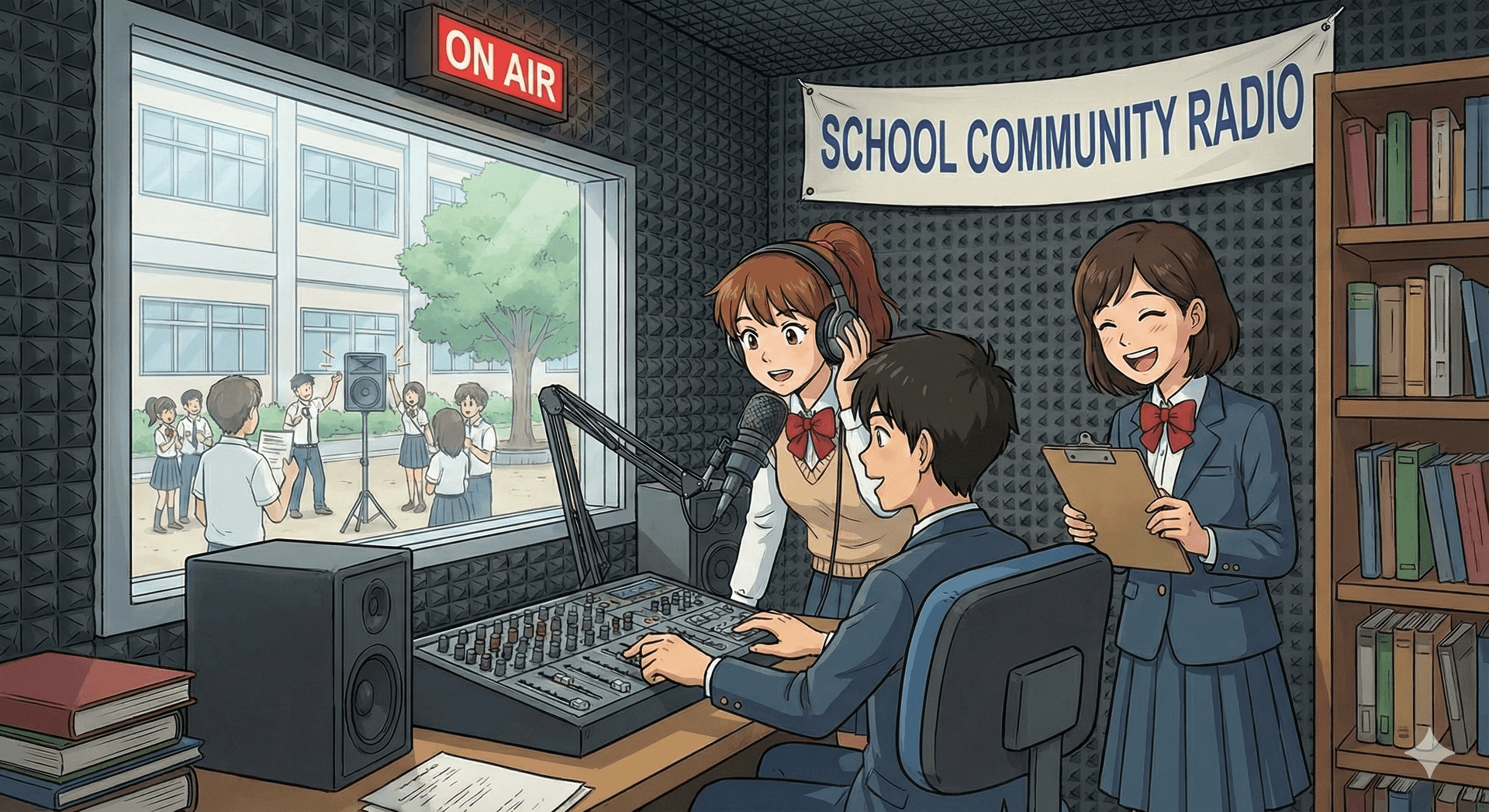

A recent industry report shows that nearly 50% of all Indian graduates stay unemployable because they lack good communication skills. Schools spend millions of rupees on smart classrooms and digital tablets right now, yet they ignore the best tool for speech training completely: the microphone. India runs over 250 community radio stations, but only a few schools actually operate them.
This situation creates a huge waste of great opportunities for everyone involved. Some good boarding schools in India have started a campus radio station for less money than they spend to upgrade a computer lab or include smartboards, and it gives much better training in confidence, voice control, and public speaking skills. It changes students from quiet test-takers into strong community leaders who prepare well for the real world.
Also Read: From Board to Brain: Role of Chess in Strategic Learning
The Missing Piece in Hands-On Learning
Schools teach students grammar, but they rarely teach them to speak well under pressure. A school radio station changes language learning from quiet listening to lively speaking and creating.
Learning to Talk Better Than Books Teach
Students write radio scripts in a way that differs a lot from essays. They learn to write for listeners' ears instead of readers' eyes. They share big ideas fast and clearly with easy words. When a student sits at the microphone, they practice changing their voice tone, speed, and clear speaking. These key people skills help a lot, but normal classes find them hard to teach. Students who fear raising hands in class often shine in the private radio room. They turn into storytellers and question-askers who listen well to replies.
Gaining Tech Skills for Today's World
A radio station acts as a small tech center for students. Students run the station and use sound mixers, recording programs, microphones, and editing tools. They discover acoustics, signal sending, and digital file handling. This gives real-life science, technology, engineering, and math lessons. Students do not just read about sound waves in physics; they change sound waves to make clear broadcasts. These tech skills prepare them for jobs in media, sound engineering, and online content making. Those job areas grow fast in India's online economy.
Connecting Schools to Nearby Communities
Many Indian schools stay cut off from neighborhoods just outside their doors. A community radio station removes these walls and makes the school join local life.
Fixing Problems Right in the Neighborhood
National TV news ignores traffic jams near the school gate, trash in the local market, or water shortages in the nearby village. A school radio station covers these exact neighborhood problems. Students act as local news reporters. They talk to shop owners, city workers, and people living nearby. They find local troubles and share fix ideas on air. This teaches duty to the community quicker than any civics book. It changes students from quiet watchers into active helpers who grasp local rules.
Saving Local Stories and Ways of Speaking
India holds a huge variety in languages, but standard schools often lose it. A community radio station saves local history perfectly. Schools ask local elders to tell folk stories, songs, and past events on the radio. Students air shows in area dialects that classes skip. This honors local ways and records spoken traditions for young people.
Also Read: Education Beyond Four Walls: The Flexible Learning Advantage
A Powerful Tool for Student Well-being and Confidence
Schools today deal with big issues like student mental health, bullying, and exam worries. A radio station offers a special safe place to handle these hard issues.
Letting Quiet Students Speak Out
The radio room works as a safe spot for everyone. Students talk about tough subjects that feel hard to say in person. Schools let students lead shows on handling test stress, friend pressure, or online social sites. When peers share struggles on air, it makes them feel normal and less alone. The microphone helps students who stay quiet in groups, like writers, thinkers, and tech helpers. They add a lot to school life without standing in front of everyone.
Guru Nanak Fifth Centenary School: The True Story of Radio Khushi 90.4 FM
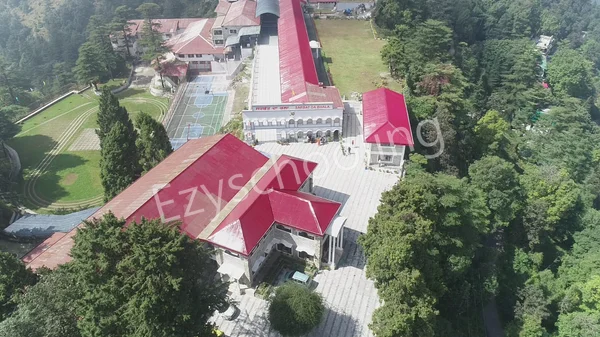
The ideas shared above work well in real life at Guru Nanak Fifth Centenary School, one of the good ICSE boarding schools in India. Their station, Radio Khushi 90.4 FM, shows what other Indian schools can do.
GNFCS Mussoorie Shows the Way
GNFCS started Radio Khushi to help not only its students but all people around Mussoorie. It became the first community radio in this famous hill town. The school added a full radio station to its girls' boarding setup. This created a center for learning, awareness, and town links in the mountains. The station runs to teach, inform, and join people together.
Student Reporters in the Mountains
At Radio Khushi, GNFCS girls lead everything. They do not just read news; they make all the content. The girls plan shows, write scripts, record sounds, and send broadcasts. This big job boosts their self-belief a lot. They handle tight time limits and team up like real media workers. In hilly areas where talks face issues, these girls make sure key news goes out.
Helping the Mussoorie Town
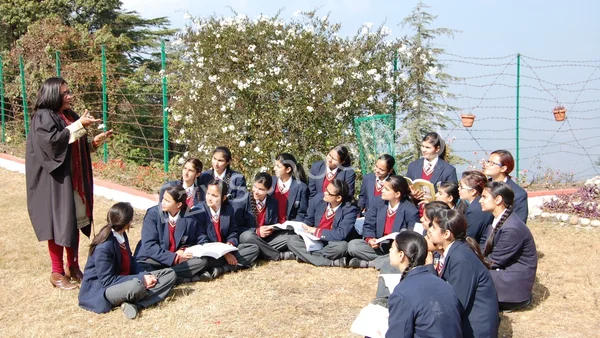
Radio Khushi 90.4 FM shows match the needs of mountain life. Students air talks on saving nature, vital for the weak Himalayan lands. They share health tips that fit local people and add learning for nearby schools. The station also highlights local music talents and culture chats. This keeps the special Garhwal area's history alive. Through Radio Khushi, GNFCS girls link the town in key ways. They prove schools can help far beyond their fences.
Conclusion
Schools make a low-cost and high-impact investment in students' futures when they start radio stations. These stations turn learners into skilled communicators, technicians, and responsible community leaders. Students gain the confidence of broadcasters instead of fearing public speaking.
Radio Khushi at GNFCS Mussoorie shows this clearly, as students improve their own skills and become valuable assets to local communities when teachers hand them a microphone and trust them with responsibility. Every school in India needs to realize that the most effective tool for practical education might just be the "On Air" button.
To learn more about this and other schools nearby, see this list of the top boarding schools in India.










 as a preferred source on