








Education in the 21st century is not just about grades, test scores, and academic achievements. Today’s world demands individuals who are intellectually competent and morally grounded students who can think critically, act ethically, communicate compassionately, and contribute meaningfully to society. In an increasingly interconnected and complex global landscape, character education and values formation have become essential pillars of holistic learning.
While academic excellence opens doors, it is a strong foundation of values, such as integrity, respect, empathy, and responsibility, that determines how students walk through those doors and the impact they make on the world.
In this article, we explore why values and character education are more important than ever, how schools can nurture these qualities effectively, and how one of the best schools in Greater Noida West, Salvation Tree School, integrates character formation into its educational philosophy to shape responsible, compassionate global citizens.
Also Read| Belonging Beyond Classrooms with the House system
Why Values and Character Matter in Education
Education has traditionally focused on intellectual development so that students can read, write, calculate, and think analytically. While these skills remain essential, they are no longer sufficient on their own. Today’s challenges range from ethical dilemmas in technology to global social issues that require learners who can make wise, compassionate, and principled decisions.
Character: The Heart of Lifelong Success
Character refers to a set of internal qualities that influence how a person thinks, feels, and behaves. These include:
- Integrity: Doing what is right even when no one is watching
- Compassion: Understanding and caring for others’ experiences
- Resilience: Persisting through challenges with courage
- Responsibility: Owning actions and their consequences
- Respect: Valuing differences and treating others with dignity
Students who embody these qualities are more likely to:
- Build healthy, respectful relationships
- Navigate conflict constructively
- Contribute meaningfully in diverse settings
- Demonstrate leadership with humility
- Become citizens who uplift communities
The Link Between Education and Ethical Action
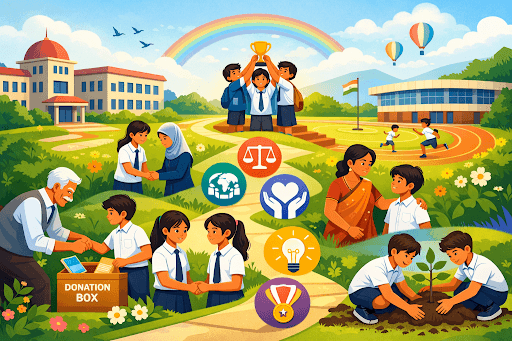
Values cannot be taught through lectures alone; they must be lived, practised, and reflected upon. Schools that focus on character formation provide students with countless opportunities to:
- Make choices that reflect compassion and fairness
- Understand the impacts of their words and actions
- Engage in community service and social responsibility
- Reflect on ethical questions in real-world situations
This approach transforms education from a collection of subjects into a foundation for life where students are not only learners but agents of positive change.
Also Read| From House Membership to Leadership
How Schools Build Values Through Culture and Systems
Understanding that character is learned through experience, schools adopt structures and practices that reinforce values every day. The most effective methods include:
-
Purposeful School Culture
A school culture that models integrity, respect, empathy, and accountability creates an environment where values are visible and practiced daily at different places, from classrooms and corridors to assemblies and interactions.
-
Service and Community Engagement
Programs that involve students in service, whether it is environmental, social, or community-based, help them connect academic learning to purposeful action. Service helps students understand needs beyond themselves and develop empathy in practical ways.
-
Reflection and Dialogue
Reflection, through journaling, discussions, or mentorship, invites students to internalise lessons about right conduct, fairness, and purpose. Dialogue encourages them to articulate their values and learn from others.
-
A Structured Values Framework
Many schools use house systems, codes of conduct, ethical frameworks, and rituals to reinforce values systematically. These structures help students see values in action and give them roles in sustaining a positive community.
Values and Character as Foundations for Global Citizenship
In a world where collaboration spans countries, cultures, and perspectives, being a responsible global citizen is a core competence. Ethical leaders are courageous yet compassionate; they understand that success includes how they contribute to society, not just what they achieve personally.
Values education prepares students to:
- Appreciate diverse perspectives
- Act with empathy in global contexts
- Advocate for justice and fairness
- Lead ethically in professional and civic arenas
Salvation Tree School, Greater Noida: Where Values and Character Lead Learning
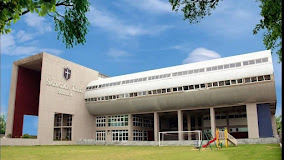
At Salvation Tree School, Greater Noida, education goes beyond academics to focus on the formation of character, moral integrity, and compassion, thus creating an environment where students grow as whole human beings. The school’s philosophy emphasises that success is not merely a measure of scores but of principle, purpose, and contribution.
A Values-Driven Vision
Motivated by timeless principles, Salvation Tree School places values at the heart of its mission. The school believes that education without character is incomplete, and therefore strives to nurture students who are informed, ethical, resilient, and socially conscious.
Integrity, discipline, respect, and compassion are not just ideals; they are practised and reinforced through the school’s culture, curriculum, and daily interactions.
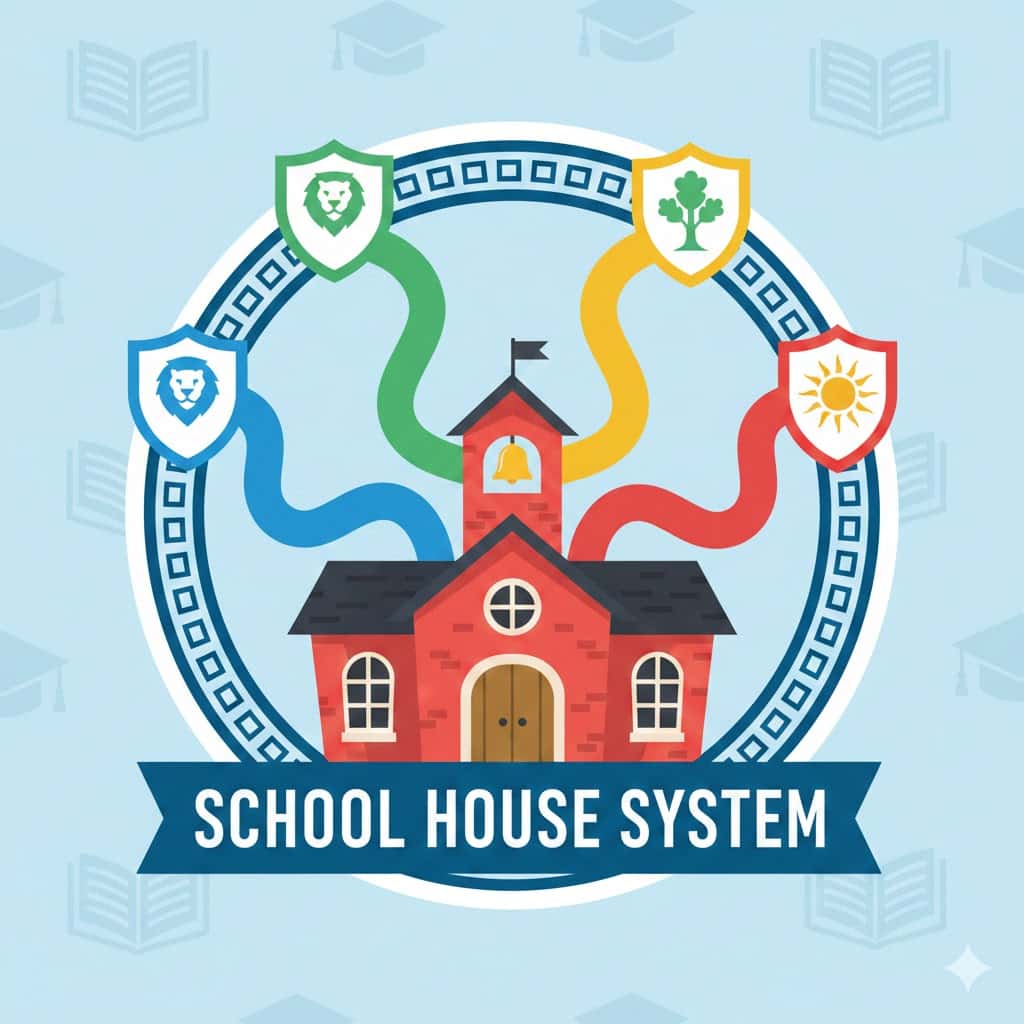
The House System: Matthew, Mark, Luke, and John
One of the most distinctive and impactful structures at Salvation Tree School is its house system, inspired by the four Gospel writers: *Matthew, Mark, Luke, and John.
This framework does more than organise students into groups; it provides:
- A values identity: Each house reflects moral principles rooted in Christ’s teachings — such as kindness, courage, service, and humility.
- A sense of belonging: Students develop community and unity through house activities and responsibilities.
- Leadership opportunities: By participating in competitions, events, and service initiatives, students grow as compassionate and principled leaders.
- Repeated reinforcement: Values are woven into scores, celebrations, events, and daily routines.
Through house rituals and responsibilities, moral principles move from abstract ideas into lived experiences that are practiced, experienced, and celebrated.
Curriculum and Values Integration
Salvation Tree School integrates values into its teaching and learning processes. Across subjects, students encounter examples of ethical decision-making, moral courage, historical contributions toward humanity, and discussions that deepen empathy and understanding.
Whether in literature discussions about character or science projects that emphasise responsible stewardship, values are interwoven with academic learning, thus helping students see the world through a lens of both knowledge and conscience.
Community Service and Empathy in Action
The school encourages students to engage with community outreach, social initiatives, and service projects that extend learning beyond the classroom. By participating in service, students experience:
- The joy of giving
- The dignity of serving
- The reality of societal needs
- The strength of the collective good
These experiences help shape students who are not just talented, but compassionate, not just smart, but sensitive to others.
Discipline, Integrity, and Responsibility in Daily Life
At Salvation Tree School, discipline is viewed as self-discipline, the ability to do what is right even without supervision. Honesty in actions, respect for peers, responsibility toward tasks, and ethical conduct are standards that guide behaviour at all levels.
Teachers act not just as educators but as mentors, modelling values and guiding students through reflection, feedback, praise, and lived example.
The Long-Term Impact of Character Education
Students who grow up in values-driven environments carry lessons far beyond graduation. Research consistently shows that strong character education supports:
- Better academic motivation because students see purpose beyond grades
- Higher resilience in the face of challenges
- Improved interpersonal relationships with peers and adults
- Ethical decision-making under pressure
- Civic engagement and social responsibility
Ultimately, character education supports meaningful success when students not only achieve outcomes but do so with integrity, empathy, and a sense of purpose.
Conclusion: Education That Transforms Lives
In a world that often measures success in achievement alone, Salvation Tree School, Greater Noida, reminds us that education is first about not just creating performers but also creating people. When integrity, discipline, compassion, and responsibility are central to learning, students emerge as balanced, confident, and value-grounded individuals.
Salvation Tree School’s emphasis on a strong foundation of values and character transforms learning from a pursuit of knowledge into a journey of purpose, empathy, and global citizenship. Students shaped this way are not only prepared for academic success but also equipped to lead with character, serve with compassion, and contribute meaningfully to the world.
For more information on this and other similar schools in the area, check out this list of the best schools in Greater Noida West.












 as a preferred source on