







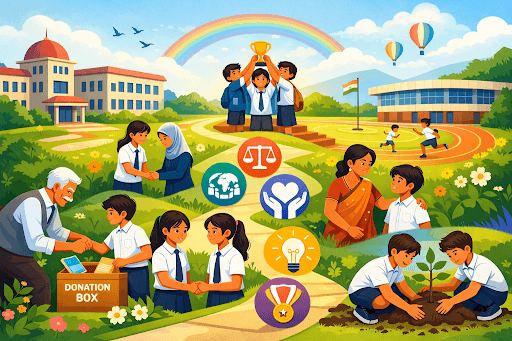

Character development shapes a student's future success more than academic knowledge alone. Schools today recognise the importance of teaching values alongside traditional subjects. Students need both knowledge and character to thrive in life.
One of the best boarding schools in India, Sehwag International School (SIS), understands this balance well. The school combines rigorous academics with comprehensive character education programs. This dual approach prepares students for real-world challenges.
In this article, we explore how values-based education transforms young learners into responsible citizens.
Also Read | Where Gandhi’s Values Meet Modern Innovation
The Foundation of Values Education
Values education builds the moral compass children need throughout life. It teaches students right from wrong in practical situations. Schools must integrate these lessons into daily learning experiences.
Why Character Matters in Modern Education
Academic excellence alone cannot guarantee success in today's complex world. Students face ethical dilemmas daily that require strong moral foundations. Character education helps them make wise choices under pressure.
Research shows that values-based learning improves student behaviour significantly. Children develop better relationships with peers and adults. They also show increased empathy and social responsibility.
Core Components of Effective Values Programs
Successful character education requires consistency across all school activities. Teachers must model the values they teach to students. Daily reinforcement helps children internalise these important lessons.
Programs should focus on specific, measurable character traits. Students need clear examples of how values apply in life. Regular practice opportunities allow them to develop these skills naturally.
Building Accountability in Young Minds
Accountability teaches children to own their actions and decisions. This trait separates successful individuals from those who blame others. Students learn that mistakes become learning opportunities, not failures.
Schools can foster accountability through age-appropriate responsibilities and consequences. Children understand that their choices have real impacts. This awareness builds maturity and personal responsibility over time.
Developing Resilience and Mental Strength
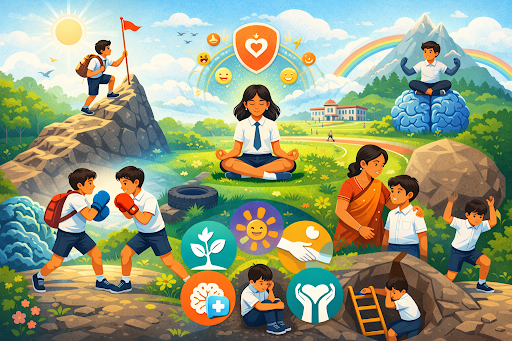
Resilience helps students bounce back from setbacks and challenges. Life presents obstacles that can discourage even the brightest minds. Teaching resilience equips children with tools to overcome difficulties.
Teaching Students to Face Challenges
Children often fear failure because they lack coping strategies. Schools must create safe environments where making mistakes feels acceptable. Students grow stronger when they learn from their failures.
Encouraging students to tackle difficult tasks builds their confidence gradually. Small victories create momentum toward larger achievements. This process develops a growth mindset that serves them lifelong.
Emotional Regulation Under Pressure
Managing emotions during stress is a critical life skill. Students who control their reactions handle conflicts more effectively. They make better decisions when they remain calm and focused.
Teachers can model emotional regulation during classroom challenges and disagreements. Students observe how adults manage frustration constructively. These lessons prove more powerful than any textbook teaching.
Cultivating a Never-Give-Up Attitude
Persistence separates achievers from those who quit when things get tough. Students need encouragement to keep trying despite initial failures. Celebrating effort alongside results reinforces this important mindset.
Schools should share stories of famous individuals who overcame obstacles. These examples inspire students to persist through their challenges. Real-life role models make abstract concepts more relatable and achievable.
Also Read | From Classrooms to Chamoions: The SIS Formula for 21st Century Success
Fostering Empathy and Social Skills
Empathy allows students to understand and share others' feelings effectively. This skill forms the foundation of all healthy relationships. Children with strong empathy become better friends, leaders, and citizens.
Understanding Different Perspectives
Students must learn that everyone sees the world through different lenses. Teaching perspective-taking helps reduce conflicts and misunderstandings significantly. Children become more tolerant when they understand diverse viewpoints.
Classroom discussions and role-playing activities develop this critical skill. Students practice seeing situations from multiple angles. This exercise builds cognitive flexibility and social awareness simultaneously.
Building Positive Relationships Through Respect
Respect for others creates harmonious learning environments and communities. Students learn to value people regardless of background or status. This egalitarian approach promotes inclusivity and reduces discrimination.
Schools demonstrate respect by treating all community members with dignity. Students mirror the behaviour they observe in adults. Consistent modelling creates a culture where respect becomes automatic.
The Power of Active Listening
Listening attentively shows respect and builds stronger connections with others. Students often hear without truly understanding the speaker's message. Teaching active listening improves both relationships and academic performance.
Practice opportunities help students develop this essential communication skill. They learn to ask clarifying questions and provide meaningful responses. These abilities serve them well in all future endeavours.
Cultivating Gratitude and Positive Thinking
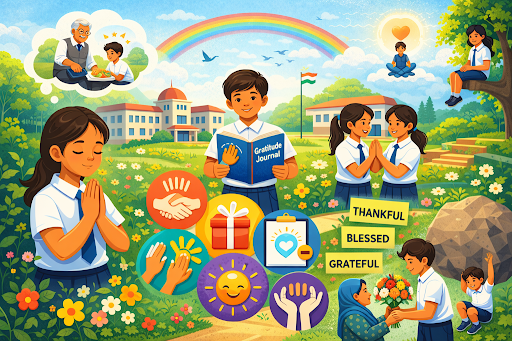
Gratitude shifts focus from what's missing to what's already present. Research proves that grateful people experience greater happiness and fulfilment. Schools can teach this transformative practice through structured activities.
Recognising Life's Blessings Daily
Students who practice gratitude develop more positive outlooks on life. Simple exercises like gratitude journals create lasting attitude changes. Children learn to appreciate the small joys they previously overlooked.
Classroom routines can include sharing moments of thankfulness and appreciation. This practice builds community while developing individual character. Regular reinforcement makes gratitude a natural habit over time.
Optimism as a Success Factor
Optimistic students persist longer when facing academic or personal challenges. They view setbacks as temporary rather than permanent obstacles. This mindset dramatically increases their chances of eventual success.
Teachers can help students reframe negative situations more positively. Finding opportunities within challenges becomes a practised skill. This cognitive shift empowers children to control their responses.
Check Out | From Curiosity to Capability: How Holistic Learning Shapes the Future at GDGPS
Sehwag International School, Jhajjar, Haryana: The Power of Seven

One of the best CBSE boarding schools in India, Sehwag International School, offers comprehensive education from Grade 1 to Grade 12. Founded by cricketer Virender Sehwag, the school emphasises holistic student development. The 23-acre eco-friendly campus provides excellent facilities for learning and growth.
SIS implements "The Power of 7" framework for character development. This unique program focuses on seven essential qualities every student needs. These include self-mastery, accountability, resilience, decision-making, empathy, appreciation, and optimism.
Each quality comes with specific demonstrable behaviours students must practice. Teachers integrate these values into daily lessons and school activities. Students learn what to do and what to avoid clearly. For example, accountability teaches students to learn from mistakes honestly. They understand the importance of keeping commitments without making excuses. Regular reinforcement helps these behaviours become natural habits over time.
The curriculum and events specifically target these seven core values. Students receive one-on-one mentoring to develop their unique strengths. The school ensures that character development happens alongside academic excellence.
Conclusion
Character education successfully prepares students for life beyond classroom walls. Values like resilience, empathy, and gratitude create well-rounded individuals. Schools that prioritise these qualities produce responsible, successful citizens. SIS Jhajjar's Power of Seven framework demonstrates how structured values education transforms young lives. By focusing on specific character traits with measurable behaviours, students develop into ethical leaders. This approach ensures that academic knowledge serves a greater purpose.
For more information on this and other such schools in the area, check out this list of the best boarding schools in India.









 as a preferred source on