









In an era dominated by competitive exams and percentile rankings, a fundamental question emerges: are schools preparing students for tests or for life? Academic excellence matters, but it's only one piece of the puzzle. True education must cultivate character, integrity, and moral courage—qualities that transform students into responsible citizens and ethical leaders.
The world doesn't need more certificate holders; it needs visionaries who act with conviction, changemakers who lead with empathy, and professionals who value ethics over convenience. This transformation begins when schools prioritise values alongside textbooks, creating environments where character development is as important as curriculum completion.
One of the best schools in Kolkata, Douglas Memorial Higher Secondary School (DMHSS), Barrackpore, embodies this philosophy through its foundational principles of "Duty and Discipline." For over 41 years, this institution has demonstrated that academic success and character formation aren't competing goals—they're complementary forces that create truly exceptional individuals.
In this article, we explore why character-based education matters in modern times, how the principles of duty and discipline shape future leaders, and what sets values-driven schools apart in developing well-rounded individuals prepared for real-world challenges.
Also Read | Balancing Minds: Exam Stress & Future Anxiety in StudentsWhy Character Education Matters More Than Ever
Today's students inherit a world vastly different from previous generations. The challenges they'll face demand more than academic credentials—they require emotional strength, ethical clarity, and social consciousness that textbooks alone cannot provide.
The Changing Face of Success
Modern success isn't defined by degrees alone. Employers increasingly value soft skills: communication, teamwork, adaptability, and emotional intelligence. Students with strong character foundations navigate workplace conflicts better, build meaningful relationships, and demonstrate leadership naturally. They understand that professional growth and personal integrity must walk hand-in-hand, creating careers that are both successful and fulfilling.
Bridging the Values Gap
Many traditional schools focus heavily on cognitive skills while overlooking character development. Students memorise formulas but struggle with ethical dilemmas. They achieve high marks but lack resilience when facing failure. This disconnect creates a generation technically proficient but morally uncertain—a gap that character-focused education actively addresses through systematic values integration.
Real-World Readiness
Life doesn't follow textbook patterns. Unexpected challenges, moral ambiguities, and interpersonal complexities require judgment that transcends classroom learning. Students grounded in values approach problems thoughtfully, consider consequences beyond immediate gains, and make decisions they can defend with conviction. These capabilities matter far more in the long run than any single exam score.
Understanding "Duty and Discipline" in the Modern Context

The terms "duty" and "discipline" often evoke images of strict rules and rigid structures. However, in progressive educational settings, these principles represent something far more empowering—a framework for developing self-mastery, social responsibility, and intrinsic motivation that serves students throughout their lives.
Duty: More Than Obligation
Duty in education means recognising one's responsibilities toward family, community, and society. It's about understanding that individual actions create ripples affecting others. Students who grasp this concept develop a sense of accountability, a service-oriented mindset, and civic awareness. They learn that privileges come with responsibilities and that true freedom exists within self-governance, not in the absence of boundaries or rules.
Discipline: The Path to Self-Mastery
Modern discipline isn't about punishment—it's about self-regulation and focus. It teaches students to delay gratification, maintain effort despite obstacles, and align daily habits with long-term aspirations. Research shows self-discipline predicts success more reliably than intelligence alone. It's the capacity to choose what's important over what's easy, a skill that serves students throughout their personal and professional journeys.
How Values-Based Education Shapes Future Leaders
Leadership isn't a title or position—it's a mindset characterised by integrity, vision, and courage. Schools that embed values into their culture systematically develop these qualities through everyday interactions, structured learning experiences, and meaningful opportunities for growth beyond academics.
Developing Ethical Decision-Makers
Values-based education teaches students to pause and reflect before acting. They learn to:
- Consider multiple perspectives before making choices
- Weigh long-term consequences over immediate gratification
- Choose paths aligned with principles rather than convenience
- Stand up for fairness even when it's difficult
These students grow into professionals who resist corruption, uphold integrity, and make decisions they won't regret when scrutinised later.
Building Emotional Intelligence
Understanding and managing emotions while empathising with others—this emotional quotient distinguishes great leaders from merely competent ones. Values-centred environments encourage self-awareness, empathy, and relationship-building skills. Students learn that success isn't achieved alone; it requires collaboration, trust, and the ability to inspire others toward shared goals that benefit everyone involved.
Cultivating Resilience and Grit
Life includes failures, rejections, and setbacks. Students grounded in duty and discipline view challenges as growth opportunities rather than insurmountable obstacles. They understand that effort matters more than innate talent, mistakes offer valuable lessons, and persistence often determines outcomes. This resilience becomes their greatest asset in navigating an unpredictable world filled with constant change.
Practical Implementation: Bringing Values to Life

Integrating duty and discipline requires more than motivational posters or morning assemblies. It demands systematic implementation across every dimension of school life, ensuring values become lived experiences rather than abstract concepts students hear about but never practice.
Curriculum Integration
Values naturally embed into academic subjects when approached thoughtfully. Literature classes explore moral dilemmas through character analysis. Science education emphasises ethical research practices and environmental responsibility. Mathematics incorporates real-world problems involving fairness and resource allocation. History lessons examine how individual character shaped civilisations. This integration ensures students see values as relevant to everyday life.
Co-Curricular Reinforcement
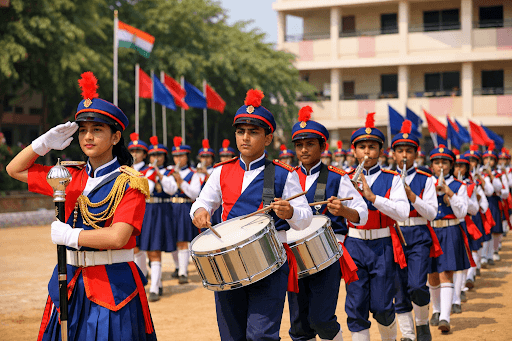
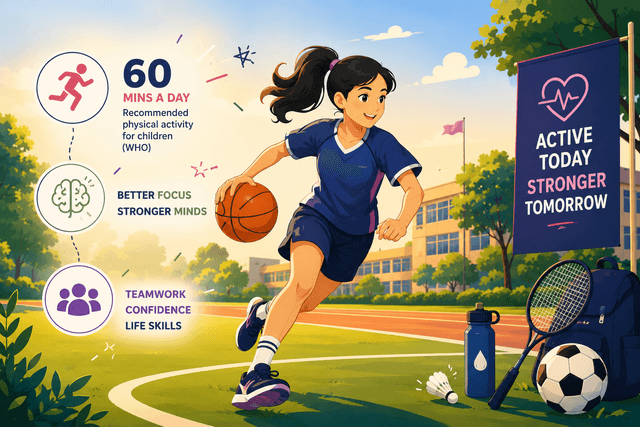
Activities outside the classroom provide ideal contexts for practising values. Team sports teach cooperation, sacrifice, and fair play under pressure. Performing arts demand practice, discipline, and commitment to collective excellence. The Student government offers leadership experience with accountability. Community service develops empathy and social consciousness. These experiences make abstract principles concrete, memorable, and personally meaningful.
Check Out | Building Life Skills Through Performing ArtsDouglas Memorial Higher Secondary School, Barrackpore: Where Duty and Discipline Build Excellence

Affiliated with ICSE/ISC and powered by the Finnish curriculum through HEI, DMHSS combines international educational practices with deeply rooted Indian values centred on "Duty and Discipline." The school's excellence has earned multiple prestigious awards. ABP Ananda recognised DMHSS as the "Leading International School in North Kolkata" in 2024. The institution received Telegraph School Awards in seven categories during 2022-23. One of the best ICSE/ISC Schools in Kolkata, DMHSS became a Cambridge Early Years Centre and achieved Global School Alliance Bronze Award status—the first Barrackpore school to reach this milestone. These honours reflect not just academic excellence but holistic development focused on character.
The newly inaugurated multi-sports facility offers dedicated courts for basketball, volleyball, tennis, badminton, and pickleball. Indoor zones accommodate table tennis, carrom, and chess, promoting strategic thinking alongside physical fitness. The music studio, robotics room, and art clubs provide creative outlets for self-expression. The Literary Club develops communication skills through debate, elocution, and public speaking. Community service sessions instil social responsibility, ensuring students understand their duty to society.
Spacious, well-ventilated classrooms feature smart boards for interactive learning. Fully-equipped physics, chemistry, and biology laboratories enable hands-on experimentation that brings textbook concepts to life. Computer labs and a library enriched through the National Digital Library of India collaboration support research and digital literacy. CCTV surveillance, GPS-tracked buses with trained attendants, and a well-maintained infirmary prioritise safety and well-being at every level.
If you seek an educational environment where your child develops intellectually, morally, emotionally, and socially, explore Douglas Memorial Higher Secondary School, Barrackpore. Discover how 41 years of commitment to duty, discipline, and holistic development prepare students for meaningful, successful lives where character and competence walk together. Your child's transformative journey toward becoming tomorrow's ethical leader begins here.
For more information on this and other such schools in the area, check out this list of the best schools in Kolkata.















 as a preferred source on